Dog Breeds by Sensitivity
Sensitivity refers to how a dog typically behaves or responds in everyday situations. Individual dogs may vary based on training, environment, and genetics.
Some dogs will let a stern reprimand roll off their backs, while others take even a dirty look to heart. Low-sensitivity dogs, also called "easygoing," "tolerant," "resilient," and even "thick-skinned," can better handle a noisy, chaotic household, a louder or more assertive owner, and an inconsistent or variable routine. Do you have young kids, throw lots of dinner parties, play in a garage band, or lead a hectic life? Go with a low-sensitivity dog.
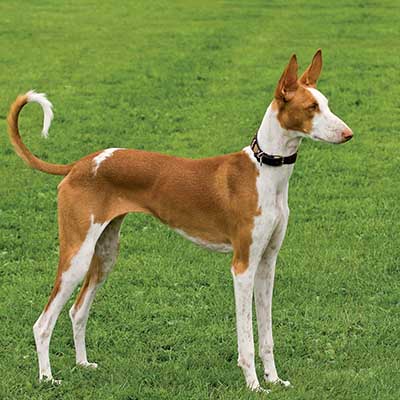
Ibizan Hound
The Ibizan Hound carries an air of elegance and dignity, yet underneath that refined facade lies a playful and slightly silly disposition. This breed is notorious for its playful mischief, frequently snatching food whenever it gets the chance and eagerly chasing after any small creature that crosses its path. As a result, households with small pets such as rabbits, hamsters, or birds may not be the best fit for an Ibizan Hound. With impressive agility, this dog can effortlessly clear a five-foot fence, highlighting its athletic prowess. To keep this breed happy, it needs significant attention and daily exercise—ideally around 20 to 30 minutes on a leash. Additionally, it thrives with plenty of time to run in a securely fenced yard. While the Ibizan Hound may be somewhat reserved with strangers, early socialization is essential for its growth. Although it enjoys being around children, it is more compatible with older kids, as its lively nature might be too much for younger ones. Enthusiasts of this breed often endearingly call it a "Beezer."
Read more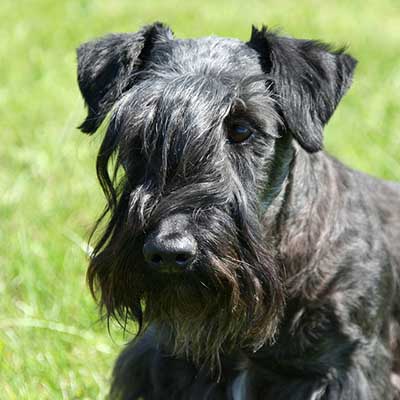
Cesky Terrier
This delightful little Terrier, known for its stylish haircut, was developed by Czech breeder Frantisek Horak in 1948. The aim was to create a compact dog that could hunt in the Bohemian forests without becoming ensnared in the burrows of its prey. The Cesky Terrier is distinguished by its sturdy, rectangular physique, short legs, drooping ears, and an untrimmed tail, with a coat that can range from various shades of gray to occasional brown. Unlike many other Terriers, Ceskies are recognized for their serene and gentle nature, displaying lower energy levels; any hint of aggression is deemed a disqualification for the breed. The Cesky's coat should be kept neatly trimmed, while the hair on its face and underbelly should be left longer and groomed daily.
Read more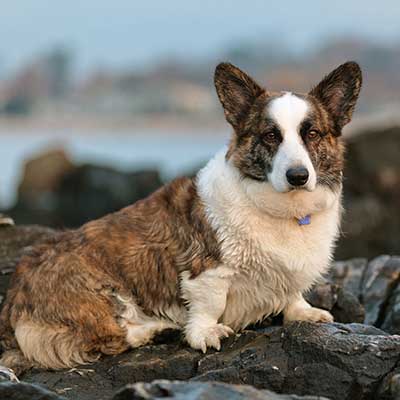
Cardigan Welsh Corgi
These delightful dogs are full of vitality and smarts, always ready to share their love. The Cardigan Welsh Corgi is related to the Dachshund, which likely explains their unique combination of long and short body features. Originally, they had floppy ears, but through selective breeding, they now typically have the upright ears that define the breed. While their initial purpose was to herd cattle, they have also become wonderful companions. With a vibrant personality packed into a compact size, the Cardigan is a playful and engaging pet. He thrives on interaction with his family and radiates happiness, making him a fantastic choice for homes with children. Originating from Wales, the Cardigan Welsh Corgi is endearingly known as the “yard-long dog” and was historically used for herding cattle, safeguarding farms, and controlling pests. Although he may occasionally exhibit herding behaviors, the Cardigan is now primarily recognized in dog shows and cherished as a family pet.
Read more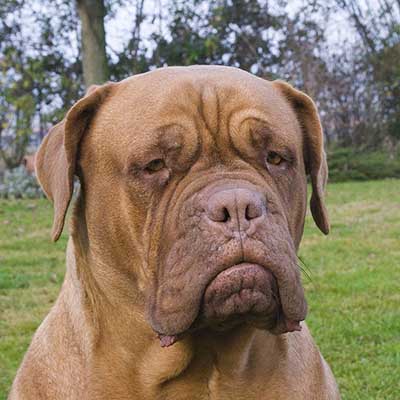
Dogue De Bordeaux
The Dogue de Bordeaux, commonly referred to as the French Mastiff, is a sizable breed with a lineage that remains somewhat ambiguous. Typically, these dogs stand around two feet tall at the shoulder and can weigh more than 99 pounds, distinguished by their prominent heads and short snouts. Unfortunately, they are susceptible to a range of health problems, including heart disease, various cancers, and hip and elbow dysplasia, which contribute to a relatively brief lifespan of five to eight years, though some may live longer. A notable case is Beasley, a nine-year-old Dogue de Bordeaux who appeared alongside Tom Hanks in the 1989 film "Turner and Hooch" and lived for three years beyond the film's release. If not properly socialized, these dogs can display stubborn and strong-willed tendencies, reminiscent of Hooch's character in the movie. However, with the right care and attention, they can develop into loyal, tolerant, and affectionate family companions.
Read more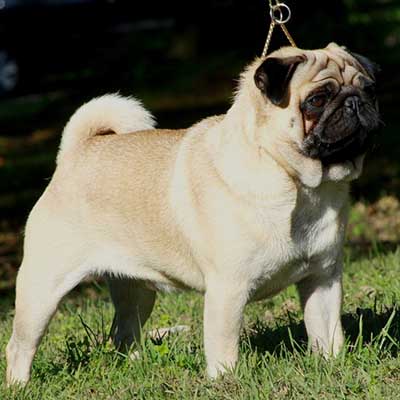
Pug
Pugs are cherished small dogs celebrated for their delightful personalities. They primarily act as loving companions, enjoying quality time with their families. These friendly pets thrive on interaction, whether it comes from family members, children, or even strangers. Despite their small stature, pugs have a robust physique and adapt easily to various living environments, including apartments. However, it’s essential to be aware that pugs are susceptible to several health concerns, and their unique features—like their prominent eyes and adorable facial wrinkles—demand extra attention to maintain their health. While they are generally easy to care for, they do shed significantly. Pugs are not hypoallergenic, but they typically drool only a little and have a moderate scent.
Read more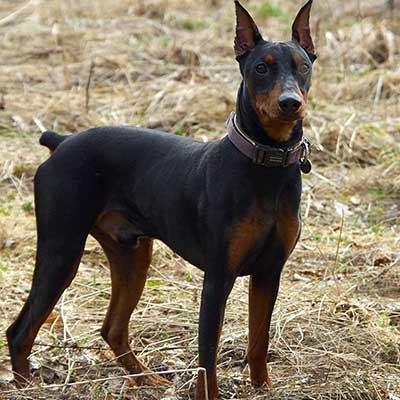
German Pinscher
The German Pinscher is a breed that exudes grace, strength, and a dignified presence. Originating in 17th-century Germany, this medium-sized dog was developed from the Black and Tan Terrier, eventually leading to the formation of the Rattenfanger. Celebrated for its effectiveness as both a watchdog and a rat-catcher, the Rattenfanger was known for its unwavering dedication to its tasks. Typically, the German Pinscher stands at a height comparable to an average adult's knee, showcasing a muscular build beneath its sleek fur. Its head is characterized by a unique wedge shape, and its dark, attentive eyes reflect a keen eagerness. As a companion, the German Pinscher is always eager to embrace new adventures. Initially bred for pest control, this breed has evolved into a recognized guard dog, loyal companion, and versatile working dog. While it tends to be cautious and may take time to warm up to strangers, the German Pinscher thrives in environments that are not overly stimulating, particularly those without boisterous children. This breed is fiercely protective of its family and territory, and with appropriate training, it can develop a well-rounded temperament around others. Caring for a German Pinscher is relatively simple; it sheds moderately and benefits from weekly grooming. This breed flourishes in spacious living conditions where it can roam freely and requires daily exercise to keep its mind active, making it an excellent choice for those with an active lifestyle.
Read more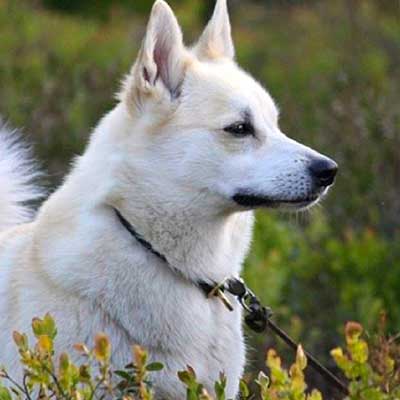
Norwegian Buhund
The Norwegian Buhund, pronounced nor-WEE-juhn BOO-hund, is a historic spitz breed with roots dating back to the Viking age. This adaptable herding dog was mainly responsible for safeguarding young livestock from birds of prey. Renowned for its keen alertness, the Buhund enjoys being the center of attention. These dogs are typically quite vocal, communicating not only through barking but also with a range of sounds including yips, chortles, yodels, and trills. As a breed full of energy, the Buhund needs plenty of exercise to remain happy. To prevent boredom, it’s essential to introduce a variety of activities during play and training sessions to keep them engaged.
Read more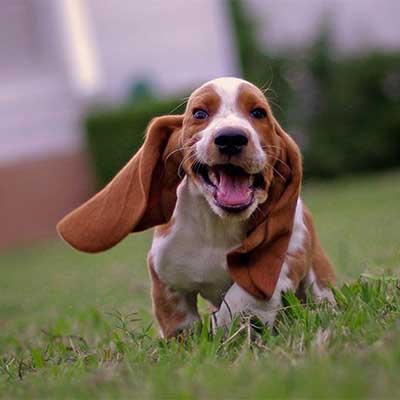
Basset Hound
The Basset Hound is easily recognized by its distinctive short legs, droopy eyes, and long ears. The name "basset" is derived from the French word "bas," meaning "low thing." Often affectionately called a Basset or even a hush puppy, this breed is treasured for its gentle and non-aggressive demeanor, making it a favorite among dog lovers. Renowned for its exceptional sense of smell and strong hunting instincts, the Basset Hound possesses a charming personality that brings immense joy. Initially bred for hunting rabbits and hares, this adaptable breed excels in various pursuits, including obedience, tracking, and conformation. Its friendly nature allows it to flourish both in groups and as an independent hunter. With a short, fine coat that suits various weather conditions, the Basset Hound is equally happy spending time with family or exploring the outdoors in search of small game.
Read more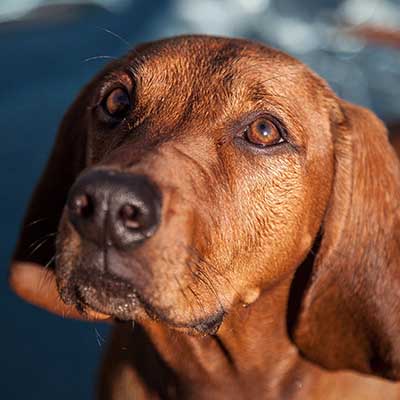
Redbone Coonhound
The Redbone Coonhound traces its roots back to 18th century America, emerging from a blend of Foxhounds and Bloodhounds brought over from Ireland and Scotland. These dogs were specifically bred for their speed and tracking abilities, enabling them to pursue raccoons as they climb trees. Known for their agility and energetic nature, Redbone Coonhounds can easily traverse a variety of landscapes. Their striking solid red coat is a defining characteristic of the breed. Valued for their loyalty and affectionate nature, they make wonderful family companions and adapt well to different hunting situations. Breed enthusiasts particularly admire their deep, resonant bark, which can carry for miles, especially when they catch an intriguing scent, often drawing attention from nearby residents.
Read more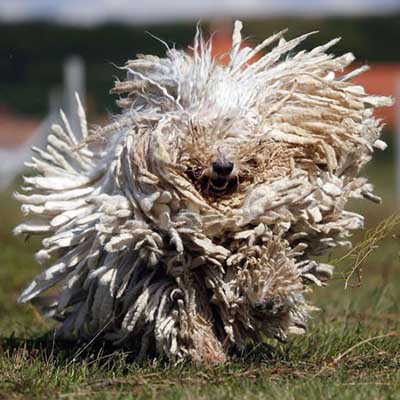
Komondor
This breed is known for its sharp awareness and steadfast loyalty to their human families. They are courageous dogs that thrive when entrusted with tasks, but without proper socialization during their puppy stage, they may display territorial and aggressive tendencies towards unfamiliar people and animals. Their unique coat, reminiscent of a mop, is perfectly designed for their original role of protecting livestock in frigid environments. Although they have a strong independent streak, they respond well to engaging and diverse training techniques, particularly when led by a confident handler. Despite their considerable size, they can adapt to living indoors as long as they receive sufficient exercise and regular outings. To deter them from asserting dominance over their territory—a typical trait of guard dogs—a tall fence is crucial around your property. However, beneath their rugged facade, they truly enjoy cozying up indoors with their loved ones.
Read more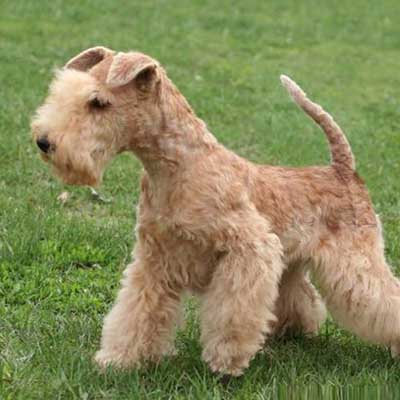
Lakeland Terrier
The Lakeland Terrier is one of the oldest breeds within the Terrier group, initially developed for hunting a range of pests such as otters, badgers, and even foxes. Since some of these animals could be larger than the dog, these Terriers were bred to be remarkably courageous. However, despite their boldness in the field, they are more prone to separation anxiety than many other breeds. Often considered hypoallergenic, Lakeland Terriers have minimal shedding and low odor. Although they don’t need regular baths, keeping their coat healthy requires weekly brushing and occasional clipping or stripping.
Read more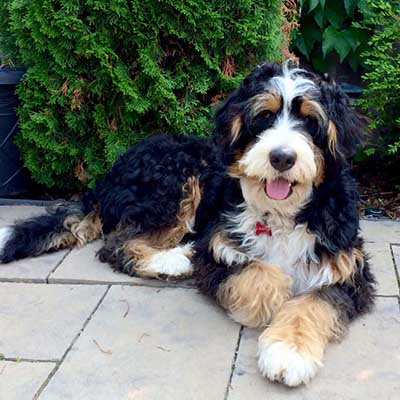
Bernedoodle
The Bernedoodle is a mixed breed resulting from the crossbreeding of Bernese Mountain Dogs and Poodles. The Bernese Mountain Dog originates from Switzerland, while the Poodle has its beginnings in Germany and France. Bernedoodles come in three different sizes, determined by whether the Poodle parent is a toy, miniature, or standard type. The height of Toy Bernedoodles ranges from 12 to 17 inches, Mini Bernedoodles from 18 to 22 inches, and Standard Bernedoodles from 23 to 29 inches, with weights varying from 10 to 90 pounds depending on their size. Although the toy and mini versions may display higher energy levels and a bit of stubbornness, Bernedoodles are generally recognized for their playful and loving demeanor. They thrive on interaction with children and cherish quality time with their families. Due to their strong need for companionship, they struggle when left alone for long periods. Furthermore, they can be wary of strangers, making early socialization essential. Their coats can be long and wavy, curly, or straight; typically, the wavy and curly varieties shed very little, while the straight coats tend to shed more.
Read more