Alaskan Klee Kai
Klee Kai, Miniature Alaskan Husky, Mini Husky, AKK
The Alaskan Klee Kai is a breed that emerged in the 1970s, created to be a smaller counterpart to the Alaskan Husky. These energetic, smart dogs are mainly bred for companionship rather than for labor. While they share a resemblance with their larger relatives, Alaskan Klee Kais can thrive in apartment settings, as long as they receive ample exercise and playtime. They might show signs of shyness or hesitation when encountering new people and communicate their emotions—be it fear, happiness, or sadness—through various vocal sounds.
Breed Origin
The Alaskan Klee Kai emerged from an unexpected blend of breeds. The journey began when an Alaskan Husky was crossed with a smaller dog in Oklahoma, resulting in a litter of puppies that resembled their Husky parent but in a more compact size. During a family visit in Oklahoma, Linda Spurlin, an Alaskan native, fell in love with one of these puppies named Curious. She brought him back to Alaska and faced the challenging task of trying to replicate the breeding, complicated by the ambiguity surrounding the smaller breed's lineage. At the same time, Spurlin’s brother-in-law, who owned the Alaskan Husky that fathered Curious, attempted to recreate the breeding as well, but with little success. While both Spurlin and her brother-in-law were able to trace the ancestry of Curious and his siblings, he eventually lost interest and sold his breeding kennel to Spurlin. She took great care in evaluating each litter, ensuring that any puppies that did not align with her desired traits were spayed or neutered and placed in loving homes. As Spurlin successfully bred litters that exhibited the ideal characteristics she envisioned, she developed a breed standard. This standard is essential for the creation of a new breed, as it helps preserve the desired appearance and temperament. The Alaskan Klee Kai's standard focuses on three main elements: composition, temperament, and health. Once the breed was refined, Spurlin began to make the Alaskan Klee Kai available to the public under strict contractual agreements. Any dog that exhibited undesirable traits, health problems, or behavioral issues was required to be spayed or neutered. Those interested in breeding the Alaskan Klee Kai had to follow stringent breeding guidelines. Ultimately, Spurlin passed her breeding program to Eileen Gregory, who played a pivotal role in founding the Alaskan Klee Kai Association of America.
Breed Appearance
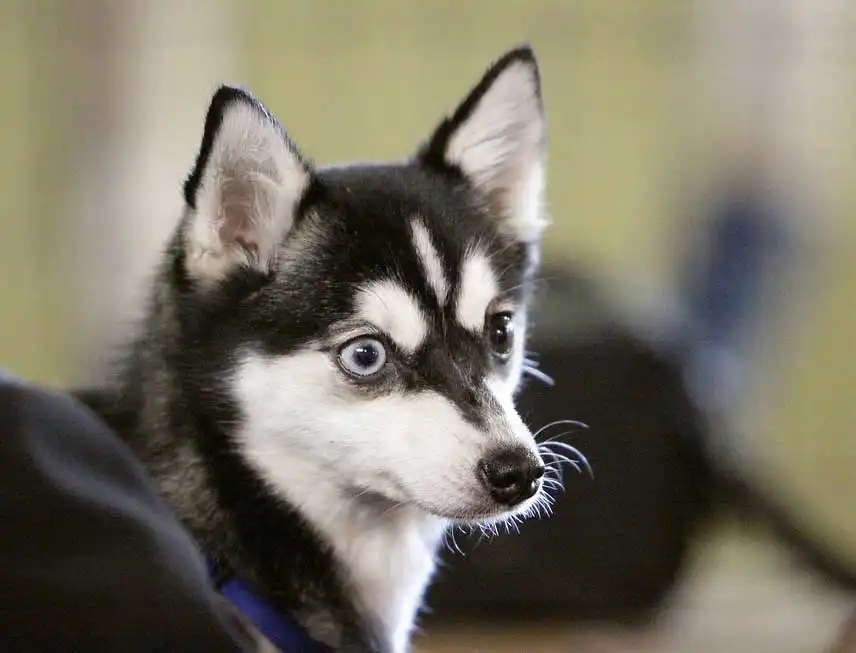
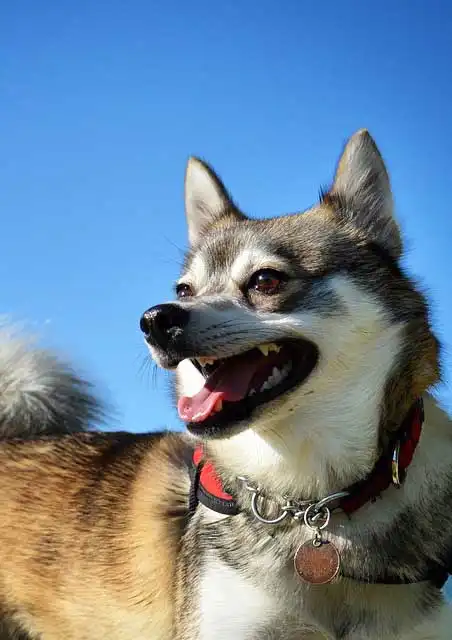
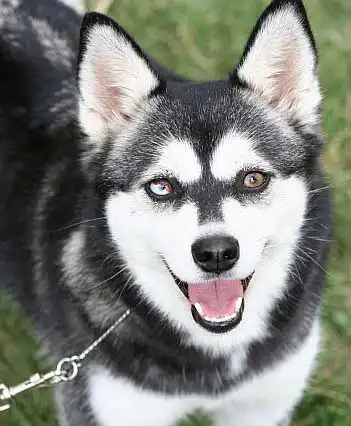
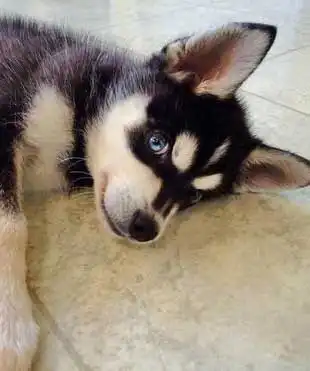
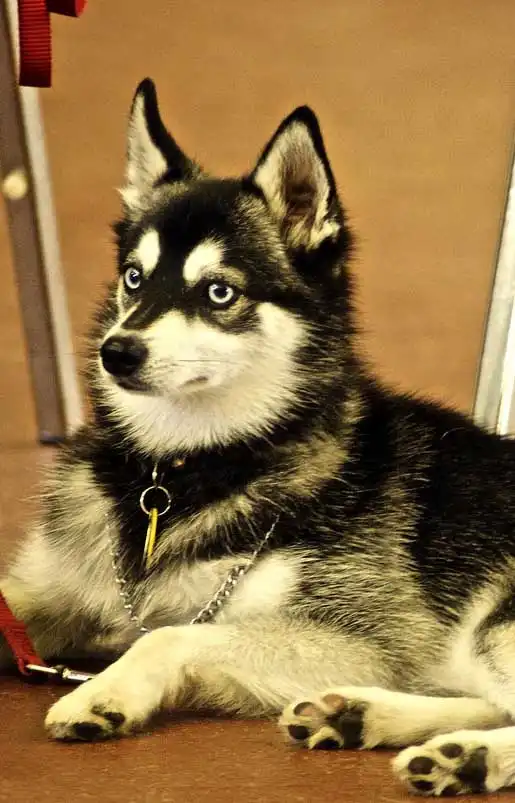
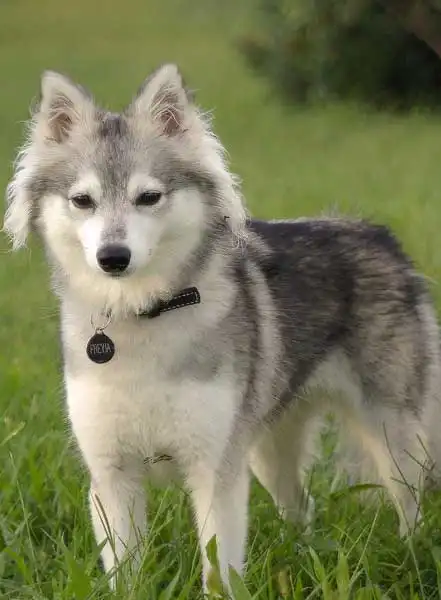
The Alaskan Klee Kai bears a striking resemblance to its larger cousin, the Alaskan Husky. This breed exhibits a range of colors, although solid white is not among them. A defining characteristic is its distinctive facial mask, which gives it a curious expression. The Klee Kai features a double coat that sheds year-round; the outer layer is straight and coarse, offering protection against the elements, while the undercoat is softer and lighter in color. Typically, its eyes are round and dark brown, although some may display amber or blue hues. The breed is also noted for its broad black nose, which has well-defined nostrils. Alaskan Klee Kais come in three different sizes: toy, miniature, and standard. The toy variety stands up to 13 inches at the shoulder and weighs less than ten pounds. The miniature version ranges from 13 to 15 inches in height and weighs between 10 and 15 pounds. Lastly, the standard Alaskan Klee Kai measures between 16 and 17 inches tall at the shoulder and weighs between 15 and 23 pounds.
Care Routine
The Alaskan Klee Kai is not classified as a hypoallergenic breed due to its thick double coat, which sheds consistently throughout the year. This breed also undergoes significant seasonal shedding, typically occurring twice a year. Although they are small dogs, the volume of hair lost during heavy shedding can be considerable. Grooming is relatively simple; a thorough brushing once a week with a comb, slicker brush, and pin brush will help remove loose fur. However, during peak shedding seasons, daily brushing is recommended, and warm baths can aid in loosening the coat to facilitate shedding. It's essential to avoid over-bathing your Alaskan Klee Kai, as they do not have a strong odor and usually only need a bath twice a year or when they become dirty from mud or other substances. Given their active lifestyle, they may naturally wear down their toenails, but it's advisable to check them every two weeks to see if trimming is needed. To maintain optimal dental health, arrange for a professional cleaning once a year.
Behavior & Temperament
Although the Alaskan Klee Kai has ancestral roots linked to the Siberian and Alaskan Husky, it was intentionally bred as a companion rather than a working dog. This breed often exhibits a natural reserve around strangers, frequently choosing to keep their distance. Many people perceive them as somewhat shy. Nevertheless, they are incredibly devoted to their families and make excellent protectors of the home. The Alaskan Klee Kai is quite expressive, using a range of vocalizations to communicate his needs and wants. While his small stature makes him ideal for apartment living, he can become a nuisance to neighbors if left alone for too long, as he may bark or whine. Regular walks and quality time with his family are vital for his happiness. Ideally, he flourishes in a securely fenced yard where he can play freely, although he also enjoys long walks. To ensure his shyness does not develop into more serious behavioral problems, early training and socialization are essential, facilitating a smooth integration into family life.
Play & Exercise
Never allow an Alaskan Klee Kai to roam off-leash, no matter how well you believe he has been trained. This breed can be quite headstrong and needs either a long leash or a securely enclosed space to play safely, as they may be tempted to chase after distractions. Despite their small size, these dogs are remarkably fast! They are full of energy and thrive on playtime, relishing the moments they spend with their families. A great way to enhance your relationship with your Alaskan Klee Kai is by participating in dog sports together. This breed particularly shines in activities such as agility, rally, and flyball.
Things to Know
Cups Per Day
1.0 Cups
Daily Activity
45 Minutes
Average Lifespan
14 Years
Origin
1970s
Type
Pure Breeds
Size
Small
Origin Country
Alaska
Brush Frequency
Weekly
Coat Texture
Straight
Register
Your kids have been begging for a pet forever, and you've recently decided that it's time for your family to get a new addition -- a dog! While everyone is excited for the new arrival, you're wondering if you need to have a dog license. How much does it cost? Is it required? Where do you get one?
Member Clubs

PETINNATE
Northern Breed

UKC
Northern Breed
Height & Weight
Weight
16 lbs (7 kg)Male: 16 lbs (7 kg) , Female: 16 lbs (7 kg)
Height
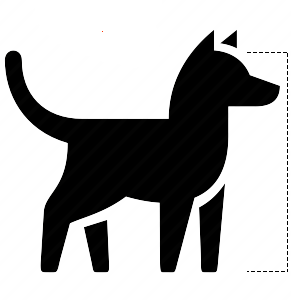
14 inches (36 sm)Male: 14 inches (36 sm) , Female: 14 inches (36 sm)
6 Months
8 lbs ( m 8 lbs, f 8 lbs )
8 inches ( m 8 inches, f 8 inches )
12 Months
13 lbs ( m 13 lbs, f 13 lbs )
11 inches ( m 11 inches, f 11 inches )
18 Months
15 lbs ( m 15 lbs, f 15 lbs )
13 inches ( m 13 inches, f 13 inches )
Eye Colors
Blue

Brown
Amber
Nose Colors
Black
Coat Colors
Sable
Silver

Red
Brown
Gray
Black