Griffonland
Brussels White Terrier
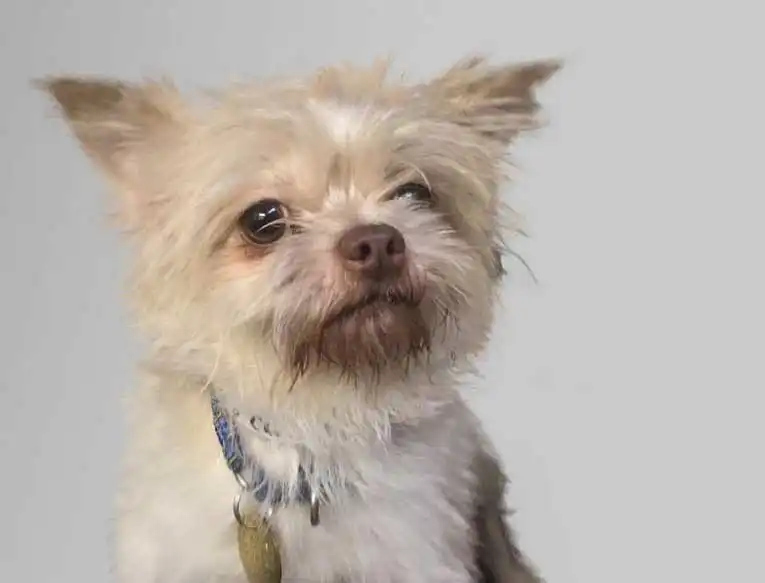
The Griffonland is a spirited and affectionate dog, making her an enjoyable companion who craves adventure. Although she loves to show affection, this hybrid also cherishes her independence and may not always seek out lap time. A mix of the Brussels Griffon and the West Highland White Terrier, her distinctive coat and expressive face contribute to her popularity. This breed is smart and excels in training and family interactions. However, to prevent her coat from becoming matted, it’s advisable to brush her gently several times a week.
Breed Origin
The Brussels Griffon traces its roots back to the 1800s, originating as a small, terrier-like breed in Brussels, Belgium. Initially, these dogs were utilized for hunting and controlling rodent populations, particularly in stables, where they served alongside cab drivers to prevent theft during their shifts. This breed is a blend of the English Toy Spaniel, which contributed its large, expressive eyes; the Affenpinscher, recognized for its wiry fur; and the Pug, known for its unique dark muzzle and playful demeanor. Furthermore, the smooth-coated variant of the Brussels Griffon is thought to have connections to the Yorkshire Terrier. The breed standard was formalized in Europe in 1883, with the dogs making their competitive debut in 1889. Queen Marie Henriette of Belgium was a prominent fan of the breed, owning several individuals herself. The American Kennel Club (AKC) officially recognized the Brussels Griffon in 1910, ranking it as the 97th most popular dog breed in the United States. In a similar vein, the West Highland White Terrier emerged in Scotland during the 1800s, evolving from breeds like the Cairn Terrier, Dandie Dinmont Terrier, Skye Terrier, and Scottish Terrier. These dogs were initially prized for their hunting skills, adept at tracking down vermin, badgers, otters, and foxes. The breed's signature white coat was inspired by Colonel Malcolm of Poltalloch, who aimed to ensure his dog would not be confused with a fox, a decision that unfortunately led to an accidental shooting. The English Kennel Club (EKC) recognized this small white terrier in 1906, and it was later accepted by the AKC in 1908, where it currently ranks as the 41st most popular dog breed.
Breed Appearance
The Griffonland showcases a variety of colors, such as gray, cream, or white, which are influenced by the traits inherited from its parent breeds. Its coat often displays a blend of shades, with subtle hints of gray or gold peeking through the primary color. Typically, the fur is medium in length, thick, and can range in texture from soft to coarse, although it usually remains straight. These dogs have a small head adorned with furry, triangular ears that hang down when relaxed but stand upright when alert. They feature a black nose and large brown eyes. Their legs are short yet robust, supporting a long and sturdy frame.


Care Routine
Caring for a Griffonland demands a significant time investment, but the benefits are undeniably rewarding. Their thick, lengthy coat requires brushing three to four times a week with a pin brush and a metal comb. Prior to combing, it's advisable to gently detangle any mats or knots with your fingers to reduce hair damage. Moreover, it's essential to clean their ears weekly using damp cotton balls, while also checking for wax buildup, ear mites, or any signs of redness and irritation. To ensure optimal dental health, make it a habit to brush your dog's teeth with toothpaste specifically designed for dogs. Additionally, remember to trim their toenails as necessary, as cracks or breaks can cause discomfort.
Behavior & Temperament
This breed is energetic and vibrant, while also being loving and friendly towards most people. They usually get along well with other pets, but it's crucial to provide social training to ensure they interact positively with unfamiliar animals and individuals. When around children, supervision is necessary, as they may become irritable if provoked. It's best to avoid holding or squeezing them too tightly, as this could cause frustration. Training tends to be easy, as the Griffonland is eager to please and enjoys acquiring new skills. Although they don't typically bark excessively, they can become bored and mischievous if left alone for long stretches.


Play & Exercise
The Griffonland is characterized by a balanced mix of moderate activity and high energy, requiring a daily commitment of 60 to 90 minutes of vigorous exercise. Ideal activities for this breed include walking, jogging with your bike, exploring dog parks, swimming, or hiking in local natural areas. A lack of adequate exercise can result in behavioral issues such as excessive scratching, aggression, and barking. This breed particularly shines in agility training and may flourish in competitive environments or enjoy playing games like Frisbee and flyball. Given their small stature, playing fetch indoors is an excellent alternative on rainy or cold days.
Things to Know
Cups Per Day
1.5 Cups
Daily Activity
90 Minutes
Average Lifespan
14 Years
Origin
1990s
Type
Crossbreeds
Size
Small
Origin Country
United States
Brush Frequency
Weekly
Coat Texture
Straight
Register
Your kids have been begging for a pet forever, and you've recently decided that it's time for your family to get a new addition -- a dog! While everyone is excited for the new arrival, you're wondering if you need to have a dog license. How much does it cost? Is it required? Where do you get one?
Member Clubs

PETINNATE
Other
Height & Weight
Weight
14 lbs (6 kg)Male: 15 lbs (7 kg) , Female: 14 lbs (6 kg)
Height
10 inches (25 sm)Male: 11 inches (28 sm) , Female: 10 inches (25 sm)
Eye Colors
Brown
Nose Colors
Black
Coat Colors
White
Cream
Gray