Griffonshire
Griffonshire Terrier
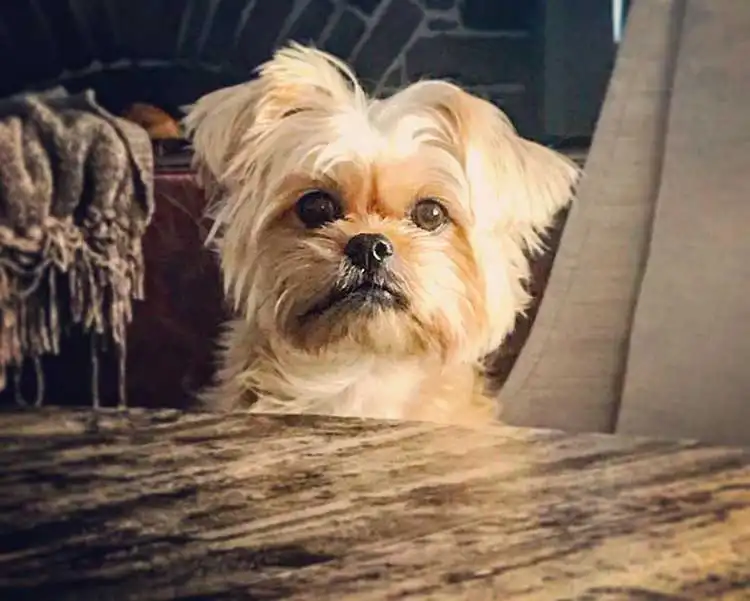
The Griffonshire is an endearing mix of the Brussels Griffon and the Yorkshire Terrier, both recognized as toy breeds. Generally, these dogs weigh between 8 and 10 pounds and reach a height of about 8 to 10 inches. Their coats can vary, featuring either a rough, wiry texture similar to that of the Brussels Griffon or long, silky strands like those of the Yorkie. To promote positive interactions with children and other pets, early socialization is essential for a Griffonshire. However, due to their small stature, it’s important not to leave them unsupervised with young children. Training may demand extra patience, and seeking help can be advantageous if difficulties arise.
Breed Origin
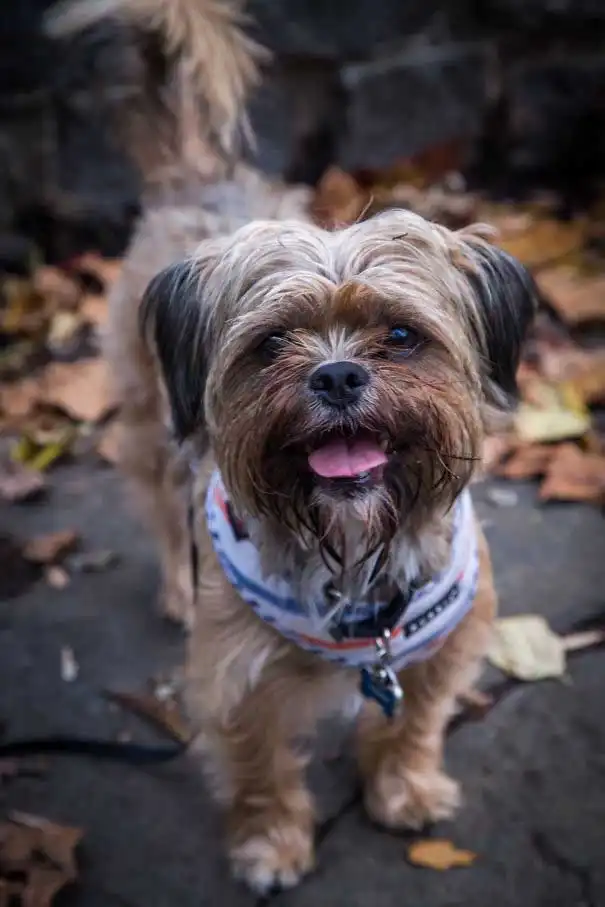
The Brussels Griffon has its origins in the 1800s in Brussels, Belgium, which is evident in its name. Initially bred to manage pests in homes and stables, this breed is believed to have lineage from the Griffon d’Ecurie, Affenpinscher, Pug, English Toy Spaniel, and possibly the Yorkshire Terrier. While they no longer fulfill the role of rat catchers, they possess a bold nature that makes them excellent hunting and guard dogs. Known for their affectionate and loyal demeanor, Brussels Griffons prefer to remain close to their human companions. They come in both rough and smooth coats, with colors ranging from beige and tan to black and red, and are divided into three varieties: the Brussels Griffon, Petit Brabancon, and Belgium Griffon. However, only the Brussels Griffon is recognized by the American Kennel Club (AKC), which officially acknowledged both coat types in 1910. Today, this breed ranks as the 97th most popular dog in the United States. In a similar vein, the Yorkshire Terrier also originated in England during the 1800s, primarily as a vermin hunter. This breed is thought to have descended from various terrier types, including the Waterside, Manchester, Paisley, Skye, and Dandie Dinmont Terriers. Initially used for hunting rats in factories and mills, the Yorkshire Terrier's charm quickly led to its rise in popularity at dog shows by the late 1800s. During this time, it became fashionable for Victorian women to carry these elegant little dogs in their handbags or under their arms. The AKC recognized the Yorkshire Terrier in 1885, and it has since become the 9th most popular dog breed in the United States.
Breed Appearance
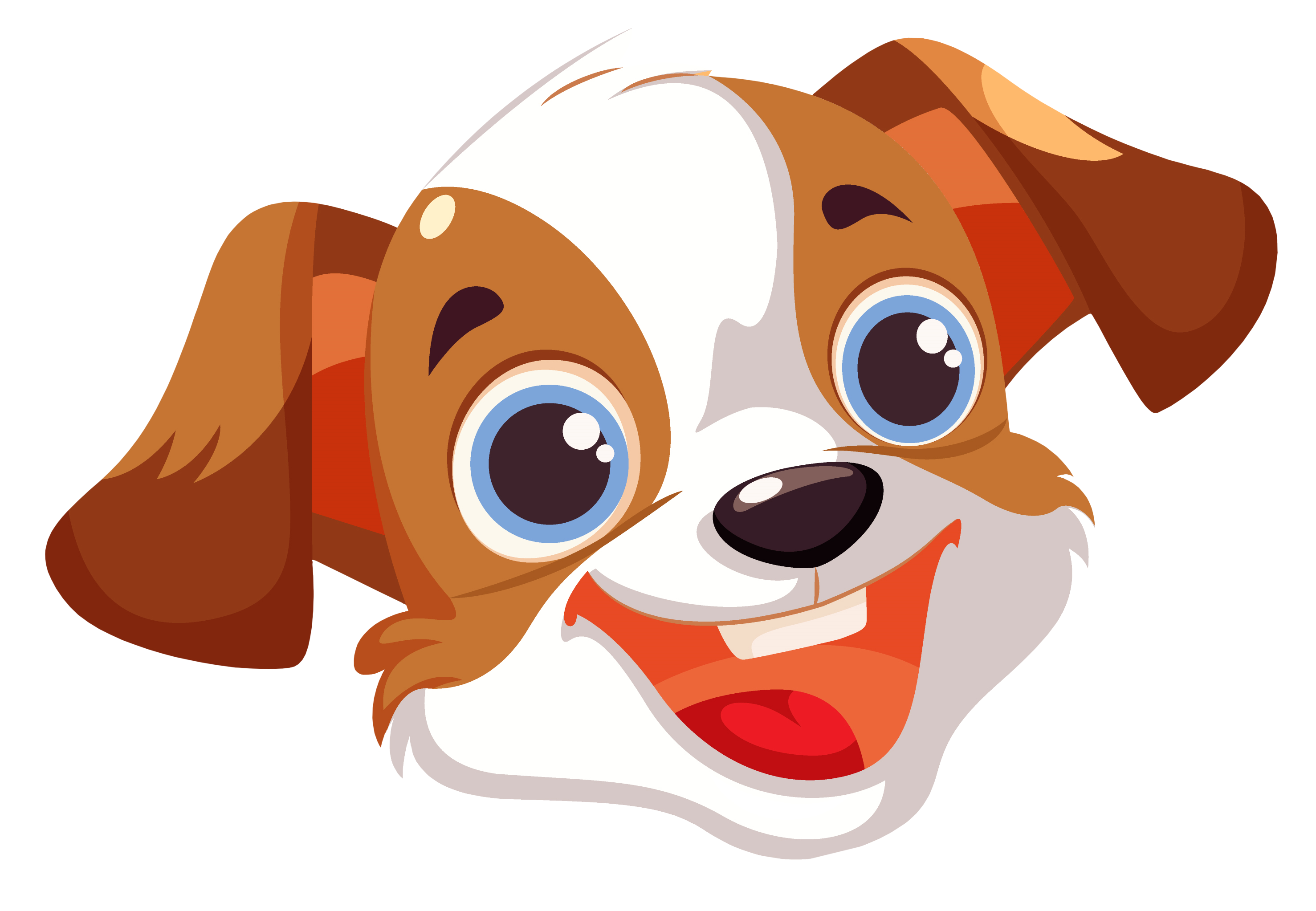
The Griffonshire is a small toy breed, typically measuring under 10 inches in height and weighing less than 10 pounds. Known for their large, expressive brown eyes, these dogs are often energetic and curious. Their petite size allows them to maintain a youthful, puppy-like look well into adulthood. With a black nose and a short muzzle, the Griffonshire has a robust, stocky physique that defies its small frame. Their coat can differ significantly; they may have long, silky fur akin to a Yorkshire Terrier or a rough, medium-length coat reminiscent of a rough-coated Bichon Griffon, depending on their parentage. Griffonshires are available in a range of colors, with black, brown, cream, and blue being the most common.

Care Routine
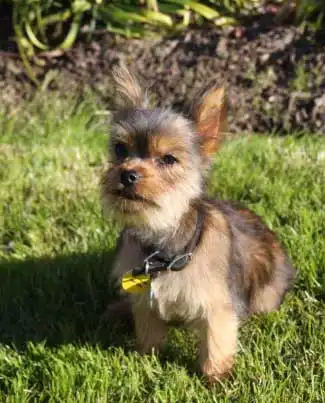
Both the Brussels Griffon and Yorkshire Terrier require considerable grooming, and your Griffonshire will be no different. The amount of care needed primarily depends on the coat type your dog inherits. If your dog has long, silky hair, you should plan to brush them daily with a pin brush and a metal comb. On the other hand, if they have a wiry coat, brushing a few times a week with a pin brush may be adequate. Depending on the coat's characteristics, you might also need tools like a dematter or deshedder, and some coats may need to be clipped every few months to keep them manageable. Additionally, it's important to clean their ears weekly and trim their nails as needed.
Behavior & Temperament
The Griffonshire is an energetic and clever breed, full of enthusiasm and happiness. Many believe their intelligence rivals that of humans, often showcasing a playful and cheeky demeanor. While they are spirited, they are also known for their deep affection and loyalty as companions. Some owners may find training to be a bit challenging, which can lead them to consider obedience classes for their Griffonshire. Nevertheless, with commitment and a focus on positive reinforcement, it is entirely feasible to train them on your own. It’s crucial to remember that these dogs do not handle being left alone for long periods well, so you might need to make some adjustments or ensure they have a companion to keep them entertained while you’re away.


Play & Exercise
The exercise needs of Griffonshires can differ from one dog to another, but typically, they require at least 45 to 60 minutes of moderate physical activity each day. Due to their energetic nature, it's essential to customize their exercise routines to align with their energy levels. For example, if your dog tends to be especially energetic in the mornings and evenings, you might opt for a brisk walk or jog in the morning, followed by a trip to the dog park or a hike later in the day. These dogs thrive on engaging activities like Frisbee, fetch, and flyball, and they can also excel in agility training, demonstrating their abilities despite their smaller size.
Things to Know
Cups Per Day
1.0 Cups
Daily Activity
60 Minutes
Average Lifespan
14 Years
Origin
1980s
Type
Crossbreeds
Size
Small
Origin Country
United States
Brush Frequency
Weekly
Coat Texture
Straight
Register
Your kids have been begging for a pet forever, and you've recently decided that it's time for your family to get a new addition -- a dog! While everyone is excited for the new arrival, you're wondering if you need to have a dog license. How much does it cost? Is it required? Where do you get one?
Member Clubs

PETINNATE
Other
Height & Weight
Weight
9 lbs (4 kg)Male: 9 lbs (4 kg) , Female: 8 lbs (4 kg)
Height
9 inches (23 sm)Male: 9 inches (23 sm) , Female: 8 inches (20 sm)
Eye Colors
Brown
Nose Colors
Black
Coat Colors
Blue
Cream
Brown
Black