Dog Breeds by General Health
General Health refers to how a dog typically behaves or responds in everyday situations. Individual dogs may vary based on training, environment, and genetics.
Due to poor breeding practices, some breeds are prone to certain genetic health problems, such as hip dysplasia. This doesn't mean that every dog of that breed will develop those diseases; it just means that they're at an increased risk. If you're buying a puppy, it's a good idea to find out which genetic illnesses are common to the breed you're interested in, so you can ask the breeder about the physical health of your potential pup's parents and other relatives.
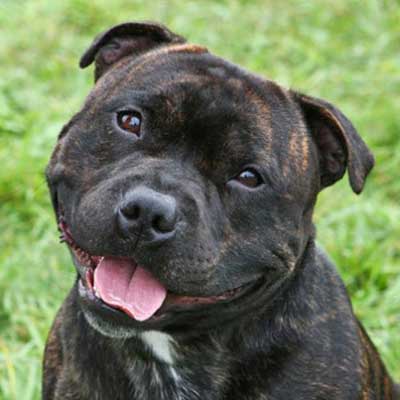
Staffordshire Bull Terrier
Often confused with its colonial counterpart, the American Staffordshire Bull Terrier, the Staffordshire Bull Terrier is somewhat shorter but equally strong and muscular. Commonly known as "Stafford," this breed is celebrated for its lively and playful demeanor. While it does not actively seek out conflict, it is steadfast when challenged. Initially bred for dog fighting and ratting, the Staffordshire Bull Terrier underwent a transformation in its role after such cruel practices were banned in England. Despite its tough image, early breeding focused on cultivating gentler characteristics, which enhanced its loyalty and protective instincts towards its family. Today, this loving breed is an excellent companion for energetic families, full of vitality and enthusiasm for play.
Read more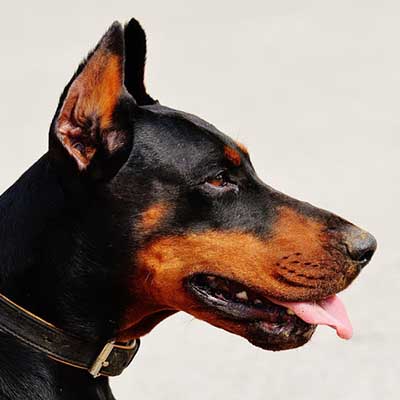
Doberman Pinscher
The Doberman Pinscher is a relatively recent breed, having been developed just over a hundred years ago. Founded by Karl Friedrich Louis Dobermann, this breed was designed to serve as a personal protection dog to aid him during tax collection. Dobermans are medium to large-sized dogs, known for their muscular physique and sleek, shiny coats, often exhibiting a watchful demeanor on their strong, wedge-shaped heads. While they require minimal grooming to keep their coats in good condition, they do need regular, vigorous exercise and mental stimulation due to their athletic nature and intelligence. These dogs are typically very trainable; however, without proper socialization, they may develop dominant or undesirable guarding behaviors that necessitate intervention. Renowned for their remarkable loyalty and alertness, Doberman Pinschers are not only excellent family companions but also excel in roles within the military, police work, and search and rescue operations.
Read more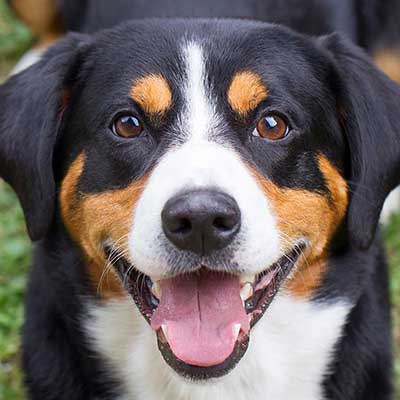
Appenzeller
The Appenzeller Mountain Dog is a sturdy and adaptable breed, although its precise origins are not entirely known. This breed excels in various roles, such as guarding farms, herding livestock, and pulling carts. Despite their strong and muscular physique, they do not fall into the giant breed category. Their dark, expressive eyes enhance the appeal of their short, double coat. Originating from Switzerland, Appenzellers usually sport a black or brown coat with unique symmetrical markings in white and rust. In general, the Appenzeller Mountain Dog is a hardy breed, typically not prone to specific health problems linked to its ancestry.
Read more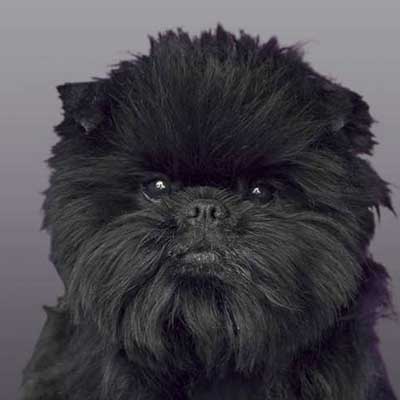
Affenpinscher
The Affenpinscher, commonly known as the "monkey dog," gets its name from a German term that reflects its playful appearance, particularly its resemblance to primates. Initially bred for hunting rats, these dogs were also referred to as ratters. The breed originated in Germany during the 17th and 18th centuries, evolving from various small terrier breeds. Their small stature and loving disposition made them popular as lapdogs among women, leading breeders to focus on creating even smaller versions. Typically, Affenpinschers reach a height of 9 to 11 inches and weigh about 9 pounds. They have medium-length, wiry fur that comes in several colors, including belge, tan, red, silver, gray, and black. Nowadays, this breed is relatively rare and not commonly found. It is recommended to keep Affenpinschers away from households with young children, as they generally dislike being squeezed or chased.
Read more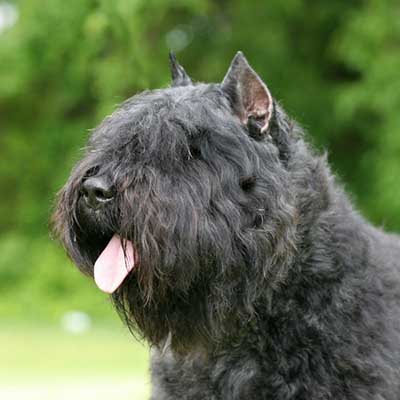
Bouvier des Flandres
The Bouvier des Flandres was initially developed as a hardworking dog, specifically designed for herding cattle and leveraging its strength on farms. Originating from Belgium and Northern France, these sturdy and intelligent dogs nearly faced extinction during World War I due to the destruction in their native regions. However, following the war, their population and popularity surged, leading them to become beloved family pets. Renowned for their loyalty, Bouviers thrive in various roles and require plenty of human interaction and physical exercise. Today, they can be found working as police, rescue, and guide dogs. Despite their energetic nature, Bouviers also appreciate relaxing with their dedicated families.
Read more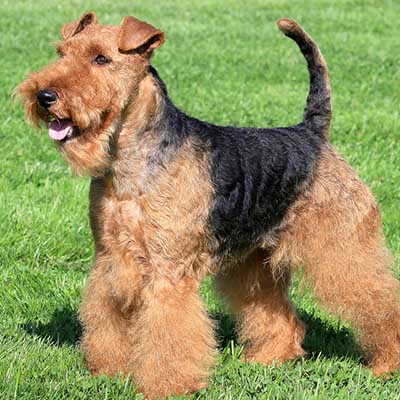
Welsh Terrier
The Welsh Terrier embodies the classic characteristics of a Terrier: courageous, energetic, playful, and spirited. Hailing from Wales in the 1700s, these bearded dogs were initially bred for hunting, adeptly navigating small burrows and caves to flush out game for hunters. While they continue to be employed for hunting and tracking, Welsh Terriers are now more commonly treasured as family pets. They make fantastic companions for children, are excellent running partners, and are always ready to partake in any fun activity you can think of. Historically known as the Black and Tan Wire Haired Terrier due to their striking black and tan coats, these dogs are easily identifiable by their curly beards. The breed was first showcased in England in 1884 and has been a staple in dog shows ever since. When Prescott Lawrence brought them to America that same year, they quickly captured attention at the Westminster Kennel Club, thanks to their distinctive appearance and charming personalities. The American Kennel Club recognized the breed in 1884, which led to the establishment of the Terrier Club of America shortly after. If you’re looking for a dog that will keep you entertained, bring joy to your life, and help manage pesky critters, the Welsh Terrier might be the perfect fit for you. However, it’s crucial to keep in mind that they require ample exercise and can become destructive if they’re not adequately stimulated. By ensuring they remain active and engaged, you can enjoy the delightful companionship of a Terrier that will undoubtedly enhance your life.
Read more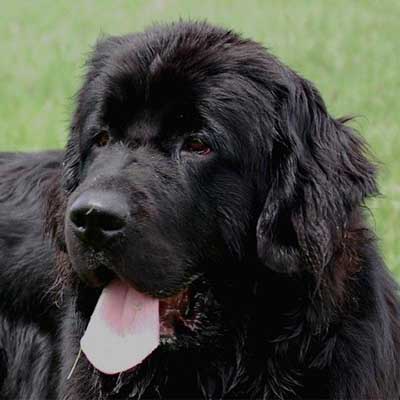
Newfoundland
The Newfoundland is a breed that originates from North America, specifically Newfoundland Island in Canada. While the exact beginnings of this breed are not entirely clear, it is thought that European fishermen introduced its ancestors to the island. Some theories propose that the Newfoundland may have descended from the white Great Pyrenees, while others suggest a connection to a French hound. Originally developed as a multi-purpose water dog and fishing aide, the Newfoundland has since become crucial in water rescue efforts. This sizable breed generally weighs between 130 and 150 pounds, with males reaching about 28 inches in height and having a body that is slightly longer than it is tall. With their sturdy build and strong bones, Newfoundlands have the power needed to rescue individuals from drowning, even in rough waters. Their webbed feet and water-resistant fur aid in swimming, while their strong, effortless gait enhances their ability to pull effectively.
Read more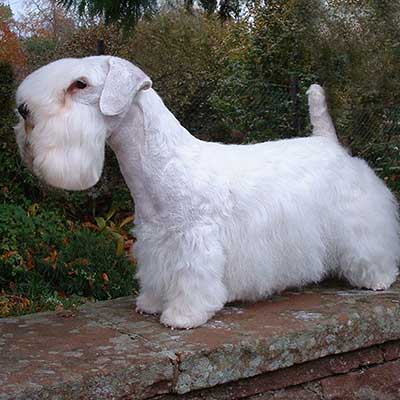
Sealyham Terrier
The Sealyham Terrier is a loyal, loving, and self-reliant breed. Originating from Wales, this small but determined dog was initially bred for hunting badgers, otters, and foxes. Although they are compact, Sealyhams can sometimes display a stubborn nature. In modern times, these dogs enjoy chasing birds, rabbits, and even other pets, such as cats and dogs. Their unique white coat was specifically developed to allow hunters to easily distinguish the dog from its prey. The American Kennel Club recognized the Sealyham Terrier in 1911. While it continues to be a popular choice in dog shows, it is regarded as a rare breed in the United States.
Read more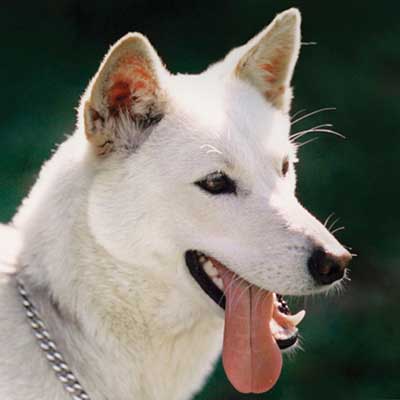
Jindo
The Jindo is a strong and muscular dog belonging to the Spitz family, originating from South Korea. This breed is characterized by its joyful personality and flourishes when engaged in activities. Initially developed as a versatile hunting dog, these instincts remain strong today. Jindos are incredibly loyal, often forming a profound bond with one person while still being friendly with other family members. Adult Jindos may find it challenging to adjust to new environments and have been known to travel great distances to return to their original homes and owners. They are inherently clean and adapt easily to house training. However, without proper socialization with other dogs during their early years, Jindos can display territorial tendencies and may react aggressively towards unfamiliar dogs that enter their space.
Read more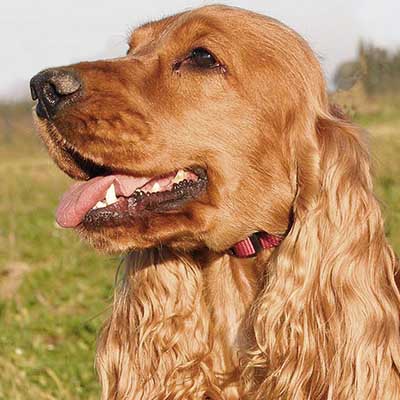
English Cocker Spaniel
English Cocker Spaniels are often described as joyful, a portrayal that truly captures their essence. Initially bred to retrieve game from thick underbrush during hunting expeditions, these dogs are energetic and devoted companions. Their coats, which are soft and silky, are prone to matting and tangling, making regular grooming essential due to their considerable shedding. The English Cocker Spaniel is the ancestor of the American Cocker Spaniel, which has been selectively bred to be somewhat smaller, with a rounder skull and a diminished prey drive. Although English Cocker Spaniels need more exercise than their American counterparts, they tend to be sturdier and less prone to anxiety or nervousness.
Read more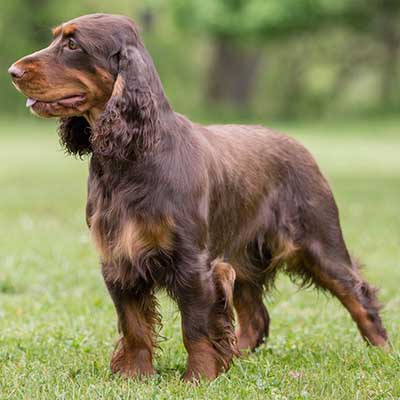
Field Spaniel
The Field Spaniel is a medium-sized dog recognized for its gentle nature and energetic spirit. Initially bred as a hunting companion, this breed gained traction in competitive dog shows during the 19th century. It descended from land Spaniels, diverging from breeds such as the Cocker Spaniel, English Water Spaniel, and Sussex Spaniel. Regrettably, early breeding efforts focused on specific traits nearly pushed the breed to the brink of extinction in the 20th century. Although Field Spaniels do not need specialized grooming, they thrive with weekly brushing to remove dead and loose fur. Additionally, like many Spaniels, they may experience issues with bad breath, which can be alleviated through regular brushing with dental products designed for dogs.
Read more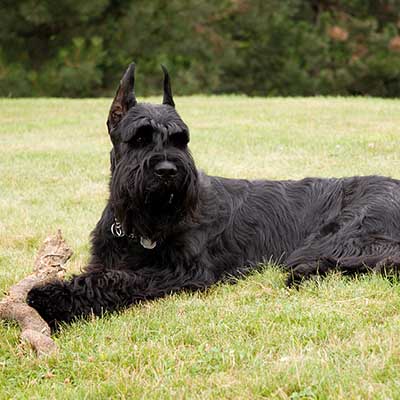
Giant Schnauzer
The Giant Schnauzer is the largest of the three recognized Schnauzer breeds. Initially bred as a working dog, its primary roles included herding cattle and protecting livestock. It is commonly thought that the Giant Schnauzer was developed by crossing the Standard Schnauzer with the Great Dane and the Bouvier des Flandres. Given its demanding temperament and the necessity for extensive training, this breed may not be the best fit for novice dog owners. Known for its intelligence and strong sense of independence, the Giant Schnauzer can be somewhat difficult to keep mentally stimulated. Furthermore, this breed requires considerable grooming, making it a high-maintenance pet.
Read more