Bluetick Coonhound
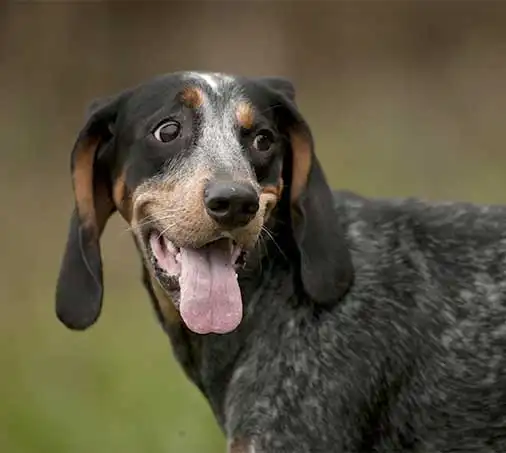
The Bluetick Coonhound is a loyal and intelligent breed, renowned for its strong attachment to family members. While they can adapt to living indoors, it is crucial for their health to engage in regular physical activity. Ideally, they should have access to a securely fenced yard, as they are prone to wandering off in search of interesting scents. These dogs typically get along well with children, but they may be better suited for families with older kids due to their energetic and sometimes boisterous play style. When socialized properly from an early age, Bluetick Coonhounds exhibit a friendly and outgoing demeanor. In terms of their physical characteristics, they are both impressive and athletic, featuring a muscular yet streamlined physique that avoids any awkwardness. As skilled nocturnal hunters, they have keen eyesight and a strong dedication to tracking. However, they can be challenging for owners who are not committed to training; a lack of exercise may result in anxiety and destructive behaviors. This breed flourishes in spacious environments, such as large yards. It’s important to remember that, despite their friendly disposition towards people, they should not be trusted around cats or other small animals due to their inherent hunting instincts. Once fully trained, Bluetick Coonhounds are obedient and attentive to their owners.
Breed Origin
The Bluetick Coonhound has its origins in Louisiana, tracing back to the Bleu de Gascogne Hound from southwestern France, with contributions from the English Foxhound, Cur dog, American Foxhound, and Black and Tan Virginia Foxhound. This breed was meticulously bred for hunting, showcasing remarkable tracking skills, especially at night. True to its name, the Bluetick Coonhound was originally intended for raccoon hunting; a proficient hound would track its quarry until it was treed, then remain at the base, howling until its handler arrived. Unlike fox hunting, where hunters would accompany their dogs, owners of Bluetick Coonhounds would stay back, listening for the distinctive sounds of baying and howling to locate their prey. With an exceptional sense of smell, these hounds were also used to hunt opossums, bobcats, and even larger game such as cougars and bears. The Coonhound was skilled at hunting both alone and in packs. During the early colonial era, this breed was predominantly found in the Southern states, serving as both a hunting partner and a devoted companion in rural areas. Initially recognized by the United Kennel Club as part of the English Foxhound and Coonhound categories, the Bluetick Coonhound gained official recognition as a separate breed in 1946. Currently, it holds the 119th position among breeds in the American Kennel Club and became a member of the Hound Group in 2009.
Breed Appearance
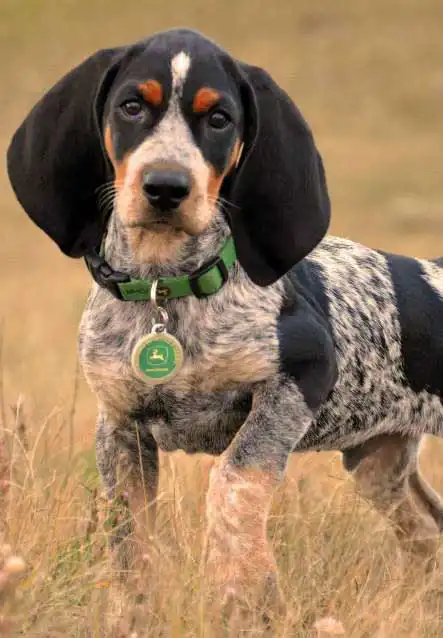
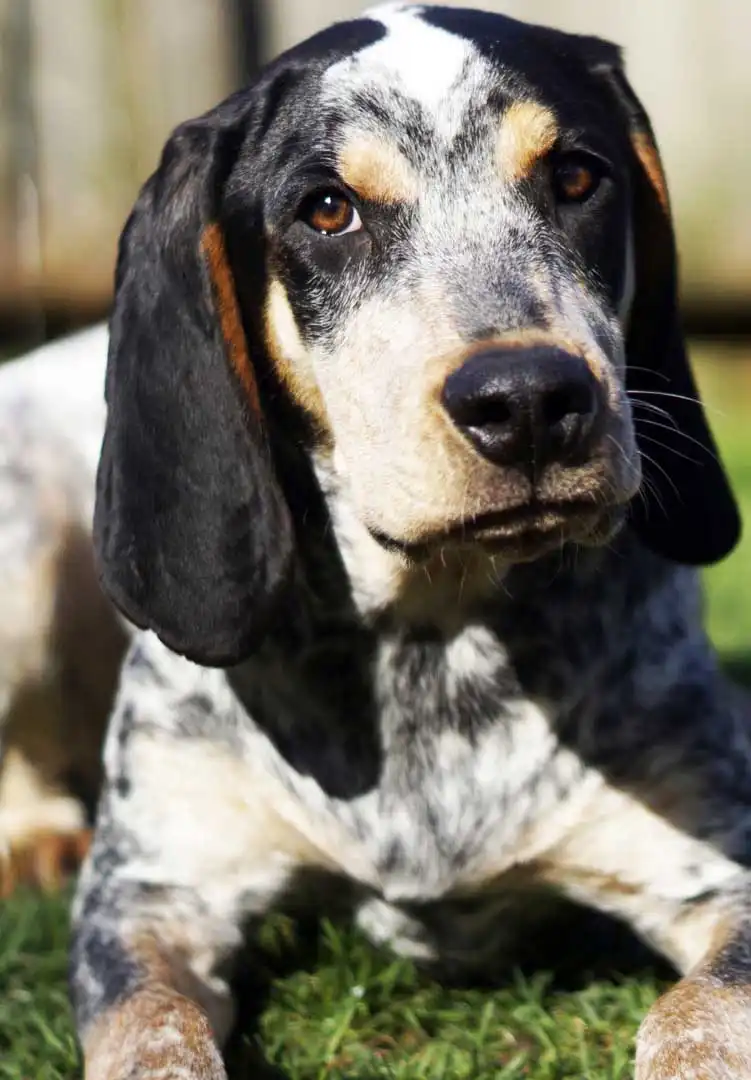
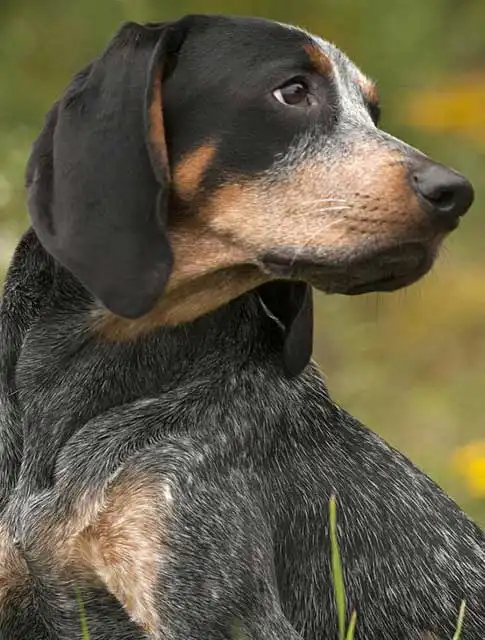
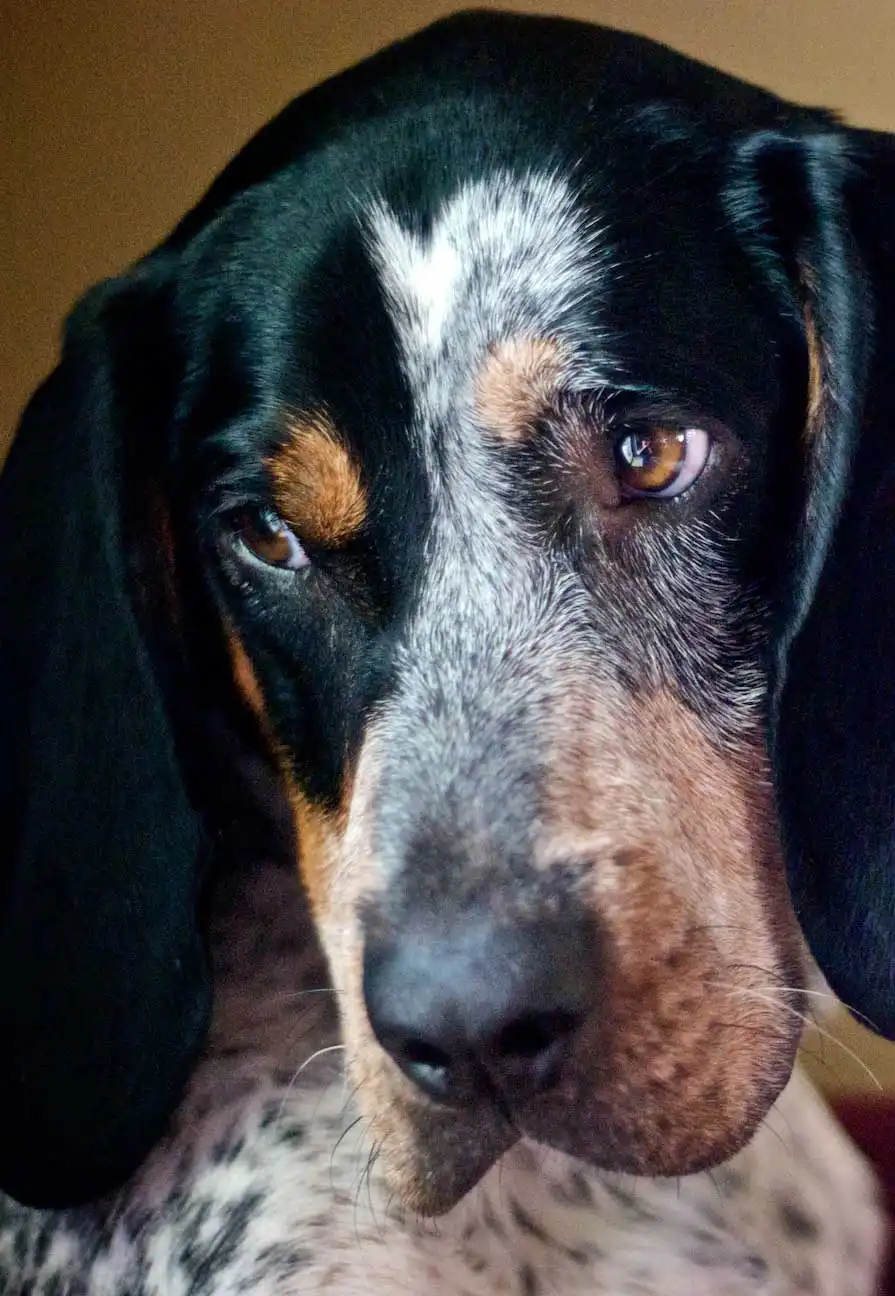
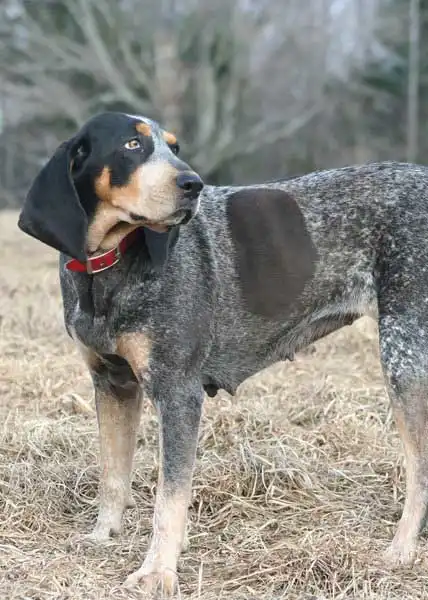
The Bluetick Hound is a visually striking breed, recognized for its eye-catching tri-colored coat and robust, athletic physique. Its fur showcases a rich blue tone, embellished with black spots that appear on the back, ears, and sides. The breed's signature ticking consists of black hairs against a white backdrop, contributing to its distinctive blue look. Bluetick Hounds possess a broad head with a rounded skull, complemented by thin, floppy, and silky ears that hang low. Typically, the ears and head are predominantly black, though some dogs may exhibit tan markings around the eyes, cheeks, chest, and under the tail, along with red ticking on their feet and lower legs. Their large, round eyes, which are a deep dark brown and set wide apart, convey a soulful expression. The tail is carried high and tapers to a fine point. With powerful, muscular hind legs and compact feet that feature well-arched toes, this breed is not only visually appealing but also celebrated for its gentle and loyal nature.
Care Routine
The Bluetick Coonhound is a breed that demands minimal upkeep, needing just occasional brushing to maintain a glossy and clean coat, along with a monthly bath or as required. While they don’t tend to drool much, a quick wipe of their face might be necessary to safeguard your furniture and clothing. These dogs are known for their friendly and loyal nature, but they do need daily exercise to burn off their energy. They are best walked on a leash to avoid distractions from tempting scents. As they walk, they love to explore with their long, slender noses. Not particularly suited for apartment living due to their space requirements, they are generally well-behaved indoors and enjoy being around their families. They respond well to training, although their attention can drift if they catch an intriguing scent. They are great companions for children, being sturdy dogs, but their size and energy can sometimes lead to rough play with younger kids, though this is never intentional.
Behavior & Temperament
The Bluetick Coonhound is a charming and somewhat eccentric breed, celebrated for its affectionate nature. These dogs exhibit unwavering loyalty to their families and act as vigilant guardians of their homes. When socialized properly during their puppy stage, they generally display a friendly demeanor and are welcoming to newcomers. However, given their hunting instincts, it's important to exercise caution around other pets that aren't dogs. Ideally, introducing a cat to a Bluetick Coonhound while both are still young can help cultivate a strong friendship between them. Training these dogs can prove to be a challenge, as they often get distracted by appealing scents; however, with consistent guidance and patience, success is within reach. A confident owner who can establish themselves as the pack leader is crucial for this breed. Bluetick Coonhounds are strong and athletic, thriving in hunting and tracking activities. To prevent them from pursuing scents and straying, it’s wise to keep them leashed. They are devoted companions that need plenty of space to exercise, ideally benefiting from a long daily walk. Additionally, their distinctive loud baying, which differs from a typical bark, may affect your relationship with neighbors.
Play & Exercise
Things to Know
Cups Per Day
2.5 Cups
Daily Activity
90 Minutes
Average Lifespan
12 Years
Origin
1940s
Type
Pure Breeds
Size
Large
Origin Country
Southern US
Brush Frequency
Weekly
Coat Texture
Straight
Register
Your kids have been begging for a pet forever, and you've recently decided that it's time for your family to get a new addition -- a dog! While everyone is excited for the new arrival, you're wondering if you need to have a dog license. How much does it cost? Is it required? Where do you get one?
Member Clubs

PETINNATE
Scenthound

AKC
Hound Group

UKC
Scenthound
Height & Weight
Weight
71 lbs (32 kg)Male: 78 lbs (35 kg) , Female: 65 lbs (29 kg)
Height
26 inches (66 sm)Male: 27 inches (69 sm) , Female: 26 inches (66 sm)
6 Months
35 lbs ( m 35 lbs, f 35 lbs )
21 inches ( m 21 inches, f 21 inches )
12 Months
42 lbs ( m 42 lbs, f 42 lbs )
23 inches ( m 23 inches, f 23 inches )
18 Months
65 lbs ( m 65 lbs, f 65 lbs )
25 inches ( m 25 inches, f 25 inches )
Eye Colors
Brown

Nose Colors
Black
Coat Colors
Blue
Brindle
Fawn