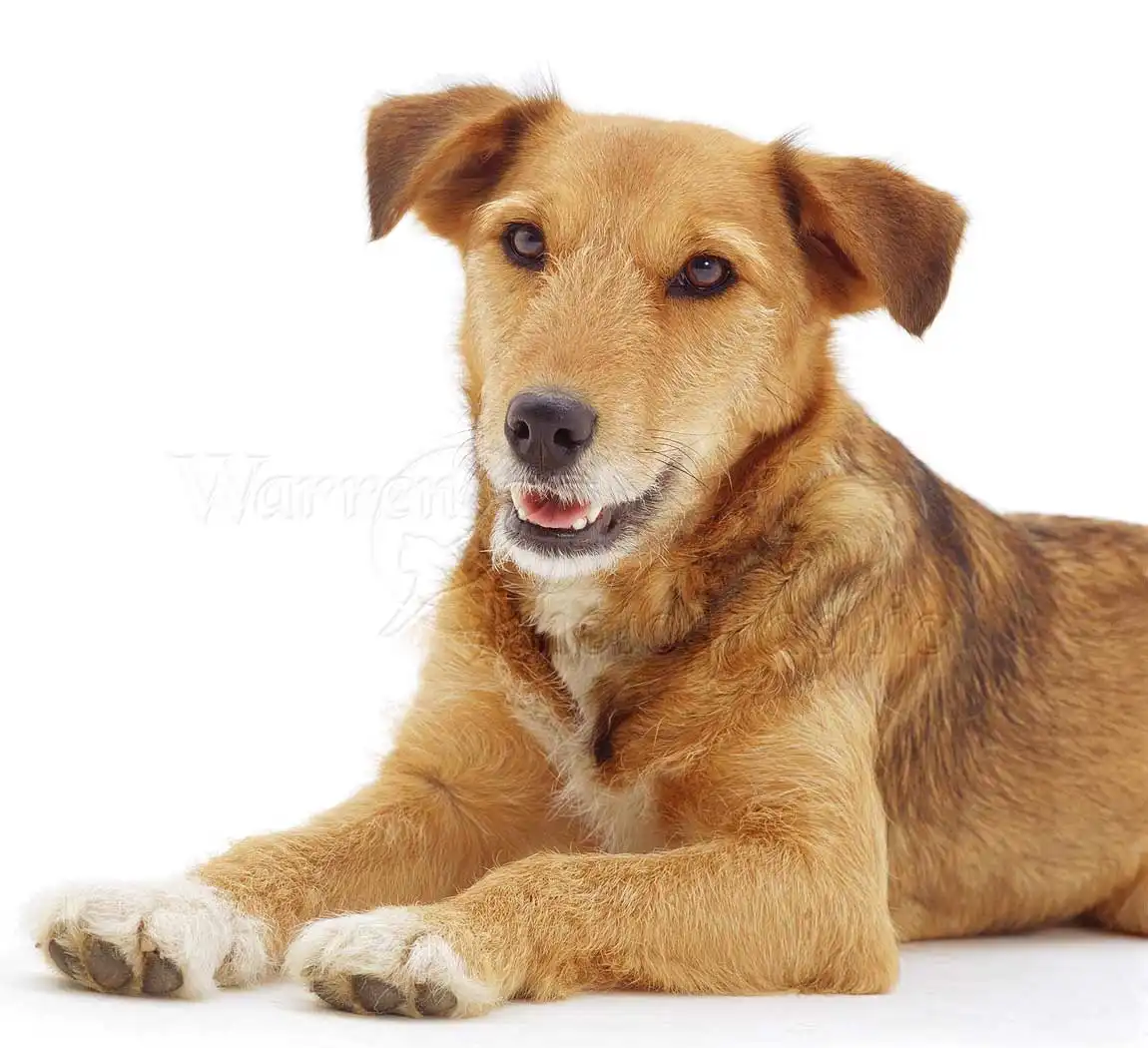
Border Collie Lakeland
Lakeland X Border Collie
The parent breeds, the Border Collie and the Lakeland Terrier, are categorized as medium and small-sized dogs, respectively. Renowned for their high energy and outstanding herding skills, the Border Collie stands out among dog breeds. Both of these breeds originated in England, particularly in the rugged border areas between England and Scotland, where they were developed from various shepherding breeds to assist local farmers as hunters and herders. They feature moderately long coats that necessitate a fair amount of grooming. Furthermore, both breeds are intelligent, though they display different energy levels; the Border Collie is known for its loyalty, alertness, protectiveness, and responsiveness, while the Lakeland Terrier contributes traits of aggression and independence to their lineage.
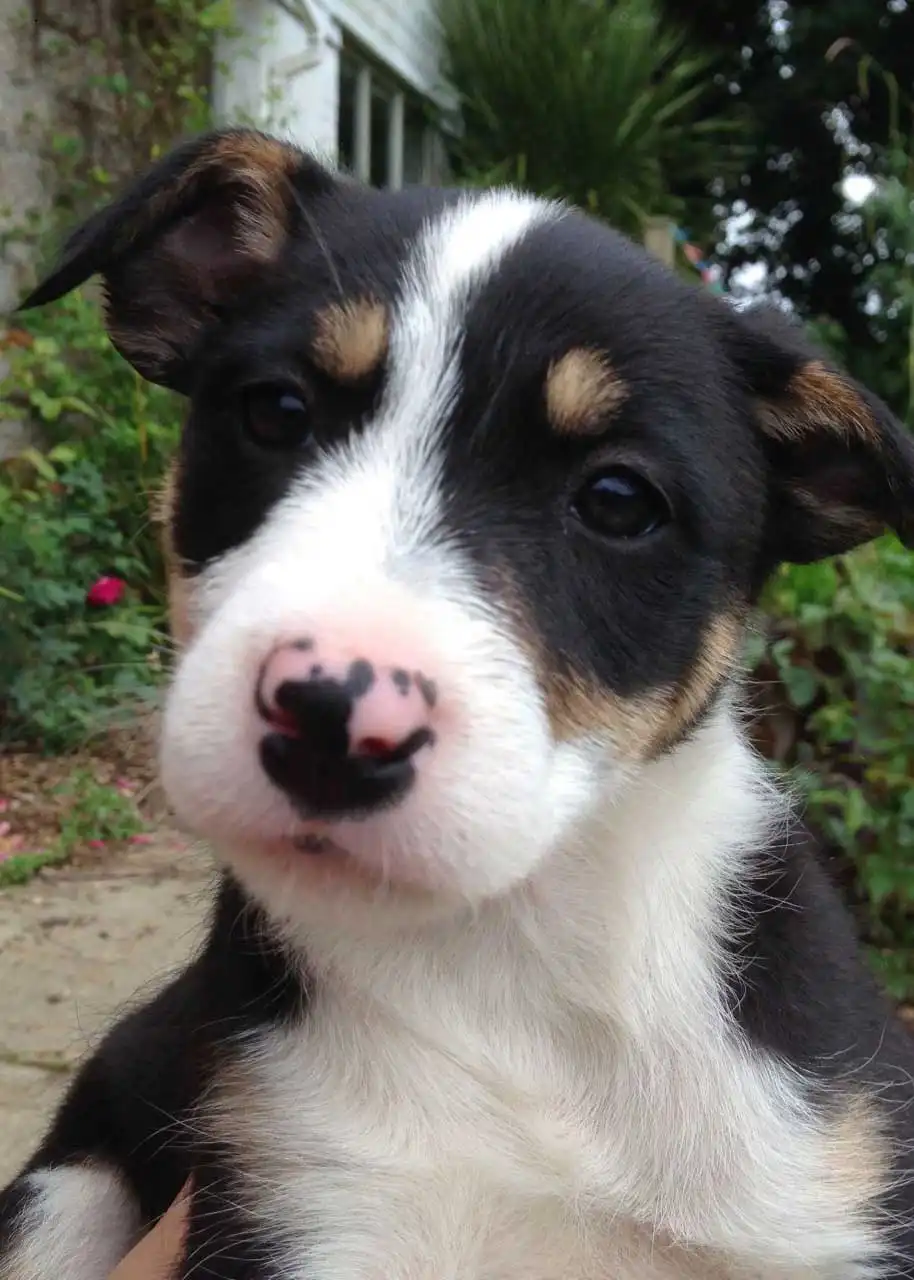
Breed Origin
The Border Collie-Lakeland hybrid is a relatively new breed, and as a result, there is not much information available about its origins. In contrast, the histories of its parent breeds—the Border Collie and the Lakeland Terrier—are well-established. Both breeds hail from the British Isles and were specifically developed for hunting and herding to support farmers in their respective areas. The Border Collie's ancestry may date back to the first century, possibly connected to the Roman invasions of Britain. The Romans brought larger dog breeds, and after the fall of their empire, it is believed that Vikings introduced smaller spitz-type dogs. These were crossbred to create a more agile and compact shepherding dog, ideally suited for the local landscape. This careful breeding resulted in a breed celebrated for its intelligence and high energy, excelling in herding tasks with exceptional skill and confidence. Conversely, the Lakeland Terrier was developed in the 1800s in the British Isles. While there is some disagreement among breeders and enthusiasts about its precise lineage, it is generally considered a mix of several breeds, including the Bedlington, Welsh Terrier, Border Terrier, Dandie Dinmont, and wire-haired Fox Terrier. This varied genetic heritage has produced a breed that resembles the Airedale Terrier. The primary purpose of the Lakeland Terrier was to control the populations of foxes, otters, badgers, and other pests that posed a threat to livestock and disrupted farming operations.
Breed Appearance
The Border Collie Lakeland is a mixed breed that results from crossing a Border Collie with a Lakeland Terrier, leading to a diverse range of characteristics inherited from both parent breeds. This dog typically has a medium to small stature, marked by a well-balanced and muscular build. Its eyes, which can be found in various colors, are generally oval and range from small to moderate in size, often conveying expressions of alertness, intelligence, curiosity, or a playful sense of mischief. The ears of this breed can vary in size from small to medium and may be held upright, semi-erect, or folded, with their inner edges close to the head. The muzzle tends to be long and sturdy, featuring a distinct stop and well-formed nostrils. The jaws are strong and well-structured, with teeth that typically align in a scissors or slightly overlapping scissors bite. The feet may be compact and oval-shaped, equipped with deep, durable pads and moderately arched toes, along with strong, medium-length nails. Alternatively, they might be round and point forward, featuring robust toes, thick pads that are either black or dark gray, and sturdy dark nails. The tail can be carried low or set high on the back. Regarding the coat, it can be straight or slightly wavy, with a coarse outer layer and a soft, dense undercoat, or it may have a double coat consisting of a hard, wiry outer layer and a short, soft undercoat. The coloration of a Border Collie Lakeland is quite varied, encompassing nearly any color or combination of colors, along with a range of markings. Common colors include black, brown, blue, red, liver, and wheaten.
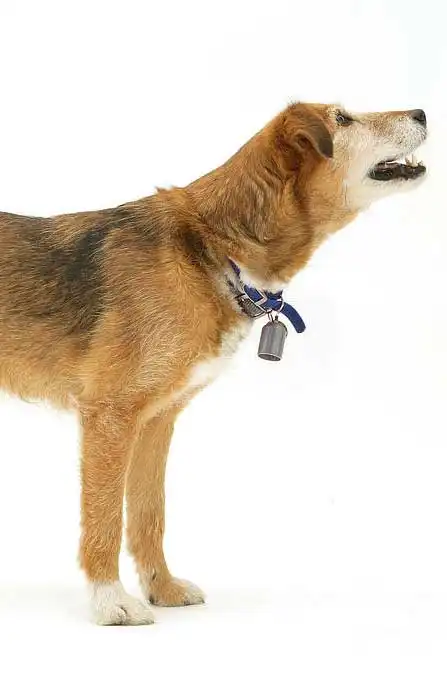

Care Routine
The mix of Border Collie and Lakeland Terrier will require a moderate level of grooming. Plan to brush them thoroughly two to three times a week, as the Border Collie heritage contributes to considerable shedding. The influence of the Lakeland Terrier also affects the coat, necessitating stripping a few times a year to control shedding, in addition to weekly brushing. Some trimming of the Border Collie’s fur is also necessary. Shampooing should be done only when needed. Regular checkups and cleaning of the eyes and ears are crucial for their overall health. Like all dogs, this hybrid will benefit from routine dental checkups and cleanings to avoid periodontal disease and tooth loss. If your dog exhibits more Lakeland characteristics, you may need to trim the facial hair, while those that take after the Border Collie will need more frequent trimming due to their longer hair.
Behavior & Temperament
Your Border Collie Lakeland may exhibit a blend of personality traits inherited from its parent breeds, showcasing characteristics like alertness, high energy, intelligence, loyalty, protectiveness, responsiveness, independence, and at times, aggression. Typically, this breed is sociable with strangers and displays considerable affection towards family members, particularly enjoying time spent with children. However, it’s wise to supervise their interactions with young kids, as their exuberance can lead to overly energetic behavior. If introduced to other animals early on, they can generally get along well with other dogs in the household, although their relationship with cats may vary. While your Border Collie Lakeland is certainly intelligent, this does not always make training straightforward. The Border Collie lineage is recognized for its trainability, thriving on both mental and physical stimulation. On the other hand, the Lakeland Terrier can present more challenges in training, often needing positive reinforcement and rewards to create an effective learning atmosphere. Both breeds are highly active and require plenty of exercise, playtime, and opportunities to run freely.


Play & Exercise
The Border Collie-Lakeland hybrid is characterized by an impressive energy level inherited from its parent breeds, which means it requires a diverse array of activities to stave off boredom, both mentally and physically. Given their high energy needs, neither breed is ideal for living in an apartment. Both the Border Collie and the Lakeland Terrier can exhibit destructive behaviors if left alone for long periods or if they lack sufficient and varied exercise. These dogs thrive in homes with large, fenced yards where families can interact with them frequently. They need dedicated owners who can provide multiple walks each day, allow them to run freely in safe environments, and engage in activities like fetch and frisbee. Although they can adapt to different climates and do well in both rural and urban areas, it is crucial that they receive the necessary mental and physical stimulation to stay happy and healthy.
Things to Know
Cups Per Day
0.0 Cups
Daily Activity
0 Minutes
Average Lifespan
13 Years
Origin
Unknown
Type
Crossbreeds
Size
Not Set
Origin Country
British Isles
Brush Frequency
Daily
Coat Texture
Straight
Register
Your kids have been begging for a pet forever, and you've recently decided that it's time for your family to get a new addition -- a dog! While everyone is excited for the new arrival, you're wondering if you need to have a dog license. How much does it cost? Is it required? Where do you get one?
Member Clubs

PETINNATE
Other
Height & Weight
Weight
28 lbs (13 kg)Male: 32 lbs (15 kg) , Female: 25 lbs (11 kg)
Height
18 inches (46 sm)Male: 18 inches (46 sm) , Female: 18 inches (46 sm)