
Patterland
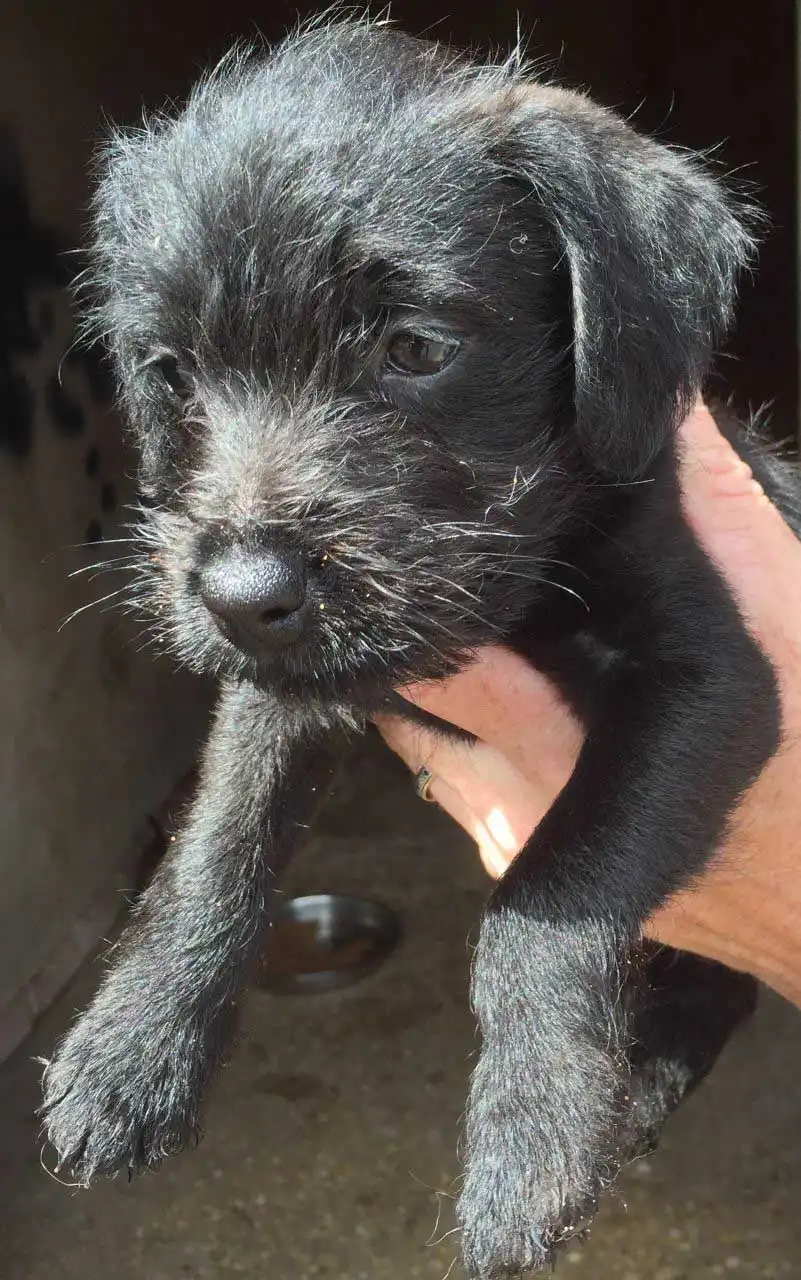
The combination of a Lakeland Terrier and a Patterdale Terrier produces a sturdy small dog celebrated for its self-assured nature and unwavering loyalty. Reflecting its Terrier heritage, the Patterland displays characteristic features such as agility, a propensity to chase moving objects, and a touch of stubbornness that requires a confident owner. This lively and courageous breed does not actively seek out fights but will stand firm when provoked. Beneath its tough exterior lies a gentle temperament; it thrives on human interaction and prefers to stay close to its owner. Leaving it alone for extended periods can lead to boredom and mischievous behavior, making it less suitable for those who are frequently away from home. The Patterland is an excellent choice for families, providing companionship for children. When raised with other pets, it can develop strong relationships, though supervision during their interactions is recommended to manage any instinctual behaviors. Ensuring proper socialization is essential for this dog to exhibit its best qualities. In essence, the Patterland Terrier is a charming blend of resilience and affection, with a loving spirit at its core.
Breed Origin
The Patterdale Terrier has a relatively short history, with limited documentation available. Nevertheless, by analyzing its parent breeds, we can deduce certain traits and genetic characteristics. This breed was developed in the 1960s by Brian Nuttall, who created it from dogs that his grandfather had given him. The Patterdale Terrier has since earned a reputation as one of the premier breeds in the country. It originated in the Lake District, where farmers faced significant challenges from foxes and needed a robust dog capable of pursuing and, if necessary, capturing its prey. Known for their speed, endurance, and dependability, these dogs possess a unique chest structure that enables them to maneuver through narrow burrows and flatten their bodies to reach prey hiding underground. Often described as "tough as nails," Patterdale Terriers have established themselves as outstanding hunting partners. In recent years, they have also become popular family pets, with their temperament having been softened through selective breeding. Their striking looks, affectionate nature, and energetic personality have made them beloved companions. In contrast, the Lakeland Terrier has a much longer lineage, tracing back to the 1800s, which makes it one of the oldest Terrier breeds still in existence. Like the Patterdale, it was developed by crossing the Bedlington Terrier with the Old English Wirehaired Terrier. This breed also originates from the Lake District in England and was initially used for hunting foxes, badgers, and otters, as well as for controlling pests that threatened crops. Lakeland Terriers are celebrated for their agility, allowing them to adeptly navigate uneven landscapes, forests, fields, and even water. While the precise timeline of their introduction to the United States is uncertain, the American Kennel Club officially recognized the breed in 1934. Today, Lakeland Terriers continue to excel as hunting dogs, tracking companions, and loyal pets.
Breed Appearance
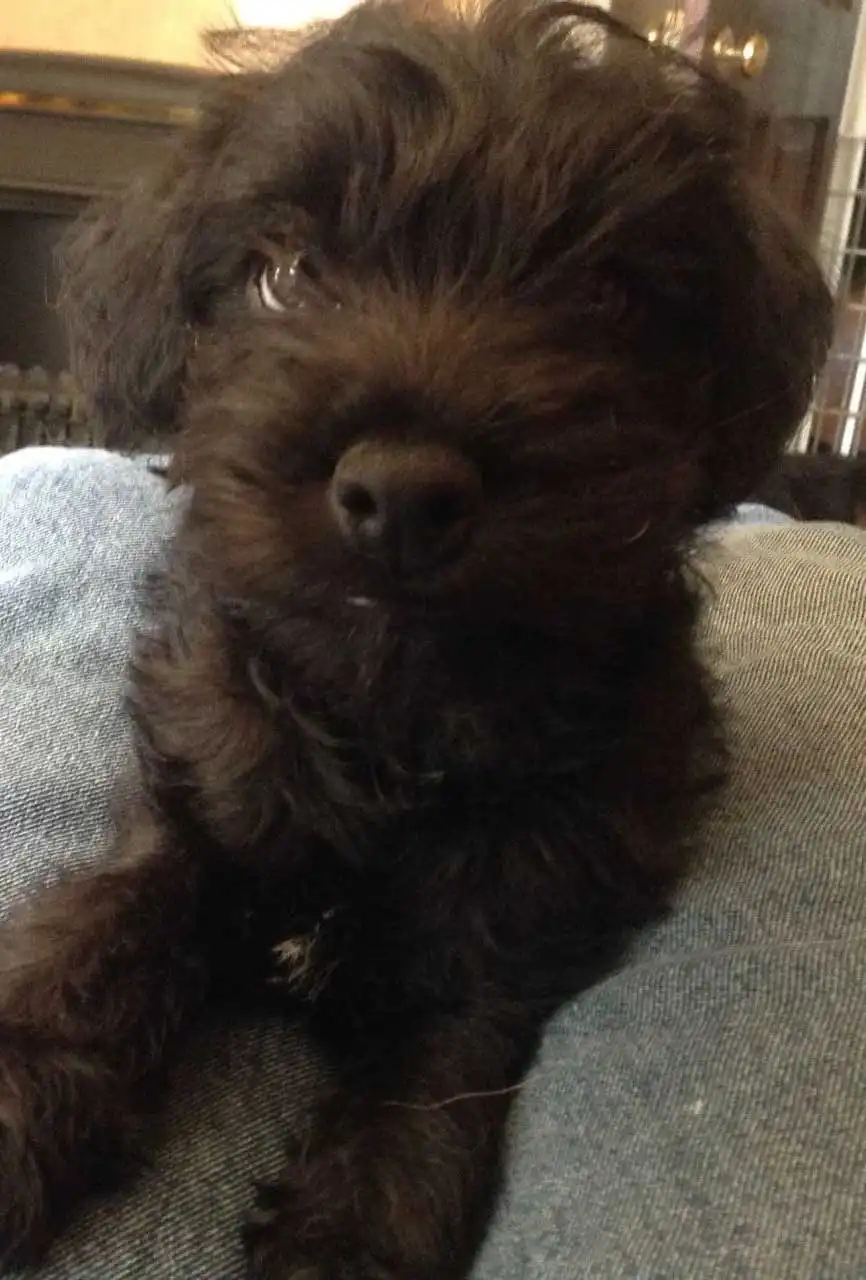
The Patterland dog is characterized by a well-balanced physique that highlights its strong muscular build. Its broad chest and neck create a solid base for a nearly wedge-shaped head, which is adorned with wide-set triangular ears that elegantly fold at the tips. The muzzle is robust and wide, showcasing a precise scissors bite. The Patterland's eyes are keen and expressive, typically appearing in shades of black, brown, or hazel, allowing them to stay vigilant in their environment. With powerful legs, this breed can swiftly transition from a standstill to a full sprint in just seconds. The coat may vary in texture, ranging from smooth to rough or wiry, depending on the genetics inherited from its parent breeds. Available in a stunning variety of colors and requiring minimal grooming, this compact yet attractive dog is an ideal choice for experienced and capable owners.

Care Routine
The Patterland breed is low-maintenance when it comes to grooming, thanks to its short hair, which can be either smooth or coarse, paired with a dense undercoat. If your dog has the coat characteristics of a Lakeland Terrier, you’ll need to pluck its fur biannually to remove any old hairs. In most cases, a weekly brushing with a sturdy brush or comb will be adequate. During grooming sessions, take the chance to check your dog’s ears for any dirt accumulation that might cause inflammation. This is also a perfect time to clean their teeth and trim their nails. Only bathe your Patterland when absolutely necessary, using a mild dog shampoo that is gentle on their skin and helps maintain their natural oils. After a grooming session, your Patterland will likely be filled with excitement, darting around to show off its fresh appearance and lively spirit!
Behavior & Temperament
The Patterland dog is characterized by its lively, alert, confident, and courageous demeanor. This hybrid breed features a compact and muscular build, presenting a well-proportioned physique that radiates a friendly toughness. They flourish in the care of experienced owners or active families, thanks to their high energy levels. Like all terriers, they have a strong instinct to pursue small, quick-moving animals. While Patterlands can exhibit a stubborn streak that may be taken advantage of by lenient owners, they respond best to a leader who is both firm and fair. With appropriate guidance, they can display their most commendable qualities. These dogs are particularly affectionate towards children, making them loyal companions and playful friends. Training them is relatively simple, as long as it remains engaging and fun; otherwise, they may lose interest and revert to their own inclinations, which can lead to frustration for their owners. Due to their energetic nature, Patterlands need regular daily exercise and mental stimulation to thrive. When their needs are adequately met, they become incredibly devoted companions. They are an ideal choice for individuals with active lifestyles and require minimal grooming to keep their coats looking good. Their outgoing personality and terrier instincts make them well-suited for various dog sports. Interestingly, beneath their tough exterior lies a gentle disposition, and they do not enjoy being left alone for long periods. With a strong and respectful leader, Patterlands can be delightful companions and easily adapt to family life. However, they are not ideal for apartment living due to their vocal nature and high energy, which can be difficult to manage in confined spaces.


Play & Exercise
The Patterland Terrier is known for its medium to high energy, necessitating regular exercise and plenty of activity to stay healthy and happy. These dogs make enthusiastic companions for walks or runs, eagerly joining you for as long as you wish. However, it’s important to keep them leashed, as they have strong hunting instincts that can lead them to bolt after something that catches their eye, often ignoring calls to return. They thrive in homes with secure yards where they can roam and explore freely. Playtime is a favorite for them, and they can happily engage in games for hours. The Patterland is especially suited for agility and competitive dog sports, where their energy and determination shine as they navigate courses with excitement.
Things to Know
Cups Per Day
1.5 Cups
Daily Activity
120 Minutes
Average Lifespan
13 Years
Origin
1990s
Type
Crossbreeds
Size
Small
Origin Country
United States
Brush Frequency
Weekly
Coat Texture
Straight
Register
Your kids have been begging for a pet forever, and you've recently decided that it's time for your family to get a new addition -- a dog! While everyone is excited for the new arrival, you're wondering if you need to have a dog license. How much does it cost? Is it required? Where do you get one?
Member Clubs

PETINNATE
Other
Height & Weight
Weight
12 lbs (5 kg)Male: 13 lbs (6 kg) , Female: 11 lbs (5 kg)
Height
13 inches (33 sm)Male: 14 inches (36 sm) , Female: 13 inches (33 sm)
6 Months
3 lbs ( m 3 lbs, f 3 lbs )
6 inches ( m 6 inches, f 6 inches )
12 Months
7 lbs ( m 7 lbs, f 7 lbs )
9 inches ( m 9 inches, f 9 inches )
18 Months
11 lbs ( m 11 lbs, f 11 lbs )
13 inches ( m 13 inches, f 13 inches )
Eye Colors
Hazel

Brown
Amber
Nose Colors
Black
Brown
Isabella
Coat Colors
Brown
Fawn
Red
Blue
Black