Pure Breeds
Browse a collection of Pure Breeds, including breed names, key traits, and origins. Whether you're interested in officially recognized purebreds or hybrid crossbreeds, this page helps you explore them all in one place.
A breed with a pure lineage, recognized by official breed standards.
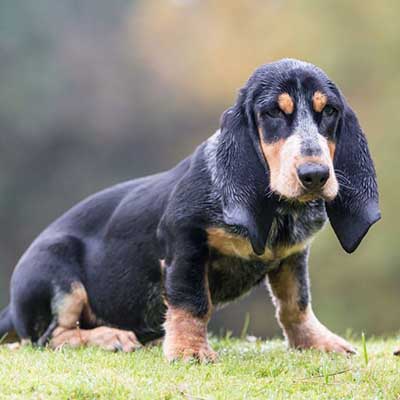
Basset Bleu De Gascogne
The Basset Bleu de Gascogne is one of six unique breeds of Basset Hounds originating from France. This lively hound excels in hunting, relying on his remarkable sense of smell as he often keeps his nose close to the ground. Renowned for his desire to please, he is typically easy to train. He flourishes best in an active home where he can partake in outdoor pursuits such as playing and hiking with his family. When raised with children, the Basset Bleu de Gascogne can make a delightful family companion, though he may initially be cautious around unfamiliar kids. To help him become a happy and well-adjusted family member, proper socialization is crucial.
Read more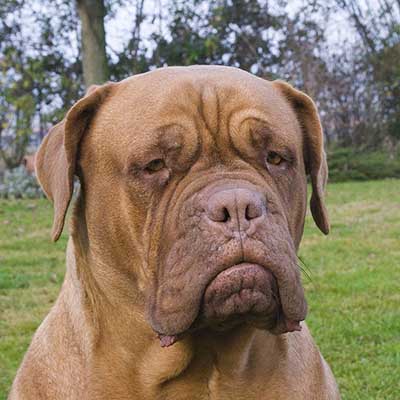
Dogue De Bordeaux
The Dogue de Bordeaux, commonly referred to as the French Mastiff, is a sizable breed with a lineage that remains somewhat ambiguous. Typically, these dogs stand around two feet tall at the shoulder and can weigh more than 99 pounds, distinguished by their prominent heads and short snouts. Unfortunately, they are susceptible to a range of health problems, including heart disease, various cancers, and hip and elbow dysplasia, which contribute to a relatively brief lifespan of five to eight years, though some may live longer. A notable case is Beasley, a nine-year-old Dogue de Bordeaux who appeared alongside Tom Hanks in the 1989 film "Turner and Hooch" and lived for three years beyond the film's release. If not properly socialized, these dogs can display stubborn and strong-willed tendencies, reminiscent of Hooch's character in the movie. However, with the right care and attention, they can develop into loyal, tolerant, and affectionate family companions.
Read more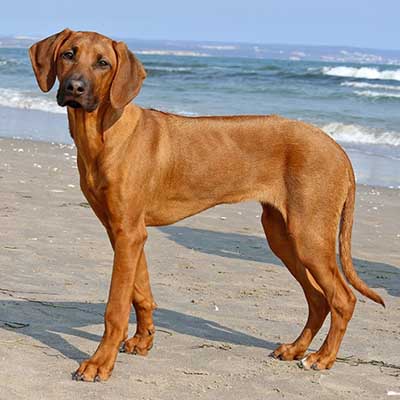
Rhodesian Ridgeback
In their quest for a hunting dog better suited to Africa's challenging climates, Dutch settlers crossbred their imported European breeds with a native tribal dog. This breeding produced a reddish-brown dog characterized by a unique ridge of fur along its back, adept at hunting large game and protecting families and homes. Originally employed for lion hunting, the Rhodesian Ridgeback's loyal and affectionate disposition soon endeared it to families, contributing to its rising popularity in other countries. Today, while it is still appreciated for its keen eyesight and scent-tracking skills, the Rhodesian Ridgeback is also celebrated as a low-maintenance, well-mannered, and energetic companion, thriving in dog shows, protection roles, and playful interactions with its human family.
Read more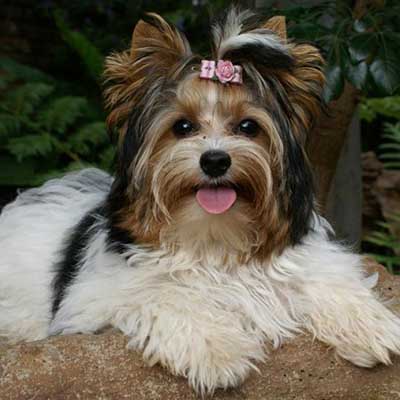
Biewer Terrier
The Biewer Terrier, pronounced BEE-VARE, is a toy breed that shares a close lineage with the Yorkshire Terrier. Renowned for its cheerful disposition, lively spirit, and sharp intelligence, this breed can present challenges in housetraining due to its petite size, necessitating dedication and patience from its owner. The Biewer Terrier is quite vocal and brimming with energy. Although generally friendly, it tends to be cautious around unfamiliar faces, often displaying signs of anxiety when meeting new people or dogs. To keep this spirited pup safe during play, a securely fenced yard is crucial; however, it’s important never to leave the dog outside unsupervised, as it could be vulnerable to predatory birds.
Read more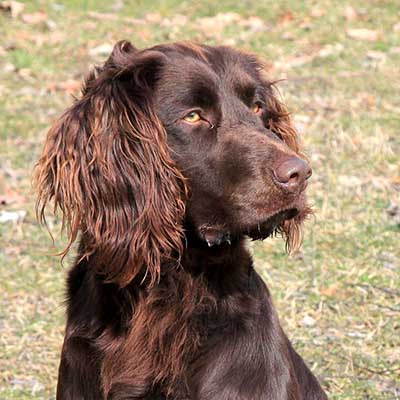
German Spaniel
The German Spaniel is a sturdy, medium-sized breed recognized for its dual roles as a hunting companion and a family pet. Although it is relatively rare outside of Germany, it is quite popular among German hunters and gamekeepers. Typically, the German Spaniel is a friendly dog that generally gets along well with most individuals, although his high energy levels might be overwhelming for very young children. This breed can show some stubbornness, which means that a confident and assertive owner is important. To keep him engaged and curious, training should be dynamic and varied. Furthermore, having a securely fenced yard is crucial to prevent him from wandering off and hunting in the neighborhood.
Read more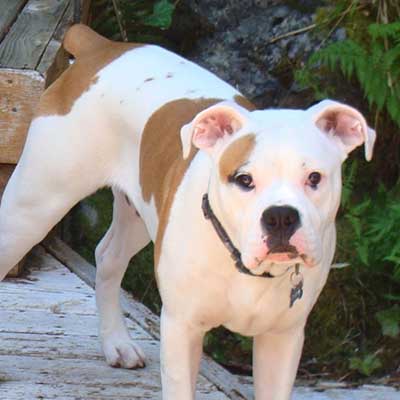
Valley Bulldog
Tucked away in the picturesque Annapolis Valley of Nova Scotia is the delightful Valley Bulldog, a compact and charming breed. This dog originated from the crossbreeding of a Boxer and an English Bulldog, resulting in a sturdy, small canine that is typically healthy with few significant health issues. Although they shed moderately and don’t need frequent grooming, there are specific care practices that are important for their well-being. Valley Bulldogs are friendly and tend to get along well with both people and other dogs, regardless of age. However, because they have a propensity to gain weight, it’s crucial to ensure they engage in regular exercise and physical activity to keep them healthy.
Read more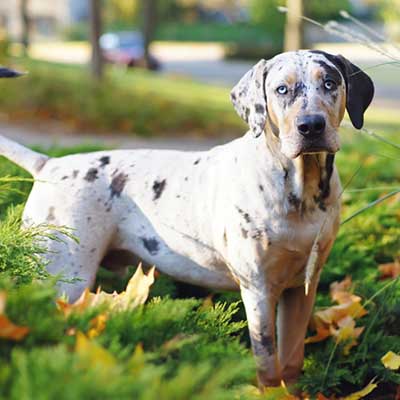
American Leopard Hound
Despite its intimidating name, the American Leopard Hound is a gentle and affectionate companion within the family setting. However, in the field, it becomes a tenacious and brave hunter. This breed has been utilized to track feral hogs, large livestock, and even bears. It has the capability to pursue various types of game and can effectively keep it in place through eye contact and body language until the hunter arrives. Likewise, at home, it expresses its needs and wants to its family using these same nonverbal signals. Furthermore, the American Leopard Hound is recognized for its ease of training.
Read more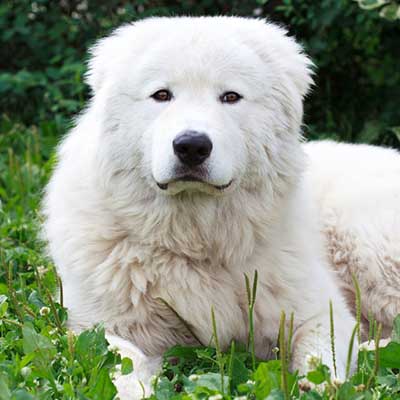
Maremma Sheepdog
The Maremma, akin to the Great Pyrenees from France and Spain and the Tatra from Poland, is part of a renowned lineage of sheepdogs recognized for their impressive stature and distinctive long white fur. Its name is derived from the Maremma and Abruzzo regions in Italy's Lazio and Tuscany, where this breed first emerged. For centuries, Maremmas have primarily served as guardians of sheep, and many of their characteristics stem from this enduring role. In a household environment, Maremmas are known for their affectionate and loyal nature, yet they possess a level of independence that distinguishes them from numerous other breeds. Having spent their lives alongside the flocks they protect, they require significant training and flourish under the leadership of a firm and consistent owner. However, their intelligence and independent tendencies can sometimes lead them to make their own decisions. These dogs are inherently watchful and often patrol their environment, thriving best in homes with large yards or open spaces, as long as the weather isn’t excessively hot. Regular physical activity and mentally engaging tasks are crucial for their overall health. Typically, Maremmas exhibit a calm temperament, barking only when necessary to alert their owners to potential threats or nearby predators. Their deep, resonant bark acts as a powerful deterrent. If not properly managed, they may become overly protective, but they generally avoid physical altercations unless absolutely required. Instead, they prefer to maintain a watchful presence and use their bark as a form of intimidation. With appropriate training and socialization, Maremmas can learn to be more at ease around unfamiliar people.
Read more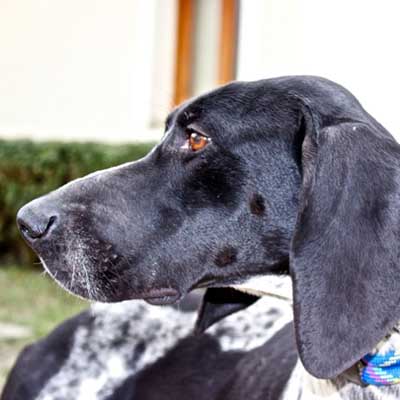
Chien Francais Blanc et Noir
The Chien Français Blanc et Noir is one of three breeds classified as French scent hounds, alongside the Chien Français Tricolore and the Chien Français Blanc et Orange. Although these breeds share certain physical characteristics, they differ significantly in their temperaments. True to its name, the Blanc et Noir originates from France and was developed in the early 19th century by a breeder focused on creating a dog with an outstanding sense of smell, remarkable endurance, and a well-rounded temperament. Originally intended for hunting small game, these dogs later evolved to work effectively in larger packs, allowing them to pursue bigger prey such as deer. Their instinctive pack mentality has fostered a sociable nature, resulting in a friendly and easy-going disposition that enables them to get along well with people, including strangers and children, as well as with other dogs. This blend of characteristics, combined with their moderate trainability and adaptability, makes them excellent family pets, even as they retain their hunting instincts. While they can thrive in various family settings, they do have a considerable amount of energy and a propensity to bark, making them particularly well-suited for active families—ideally those with a yard—who are prepared to dedicate time to their training and socialization.
Read more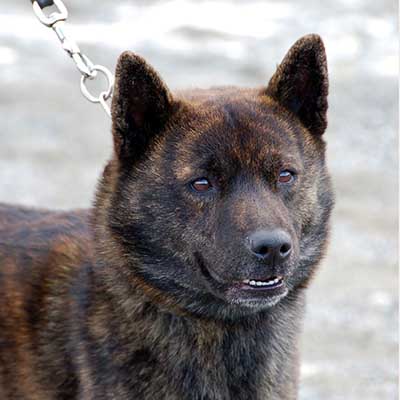
Kai
The Kai Ken was largely isolated from the outside world for a significant time, mainly due to the geographical features of its homeland—an island surrounded by mountains. Its reputation began to grow with the introduction of firearms and the rise in popularity of big game hunting. Known for its remarkable hunting skills, this breed is adept at climbing trees to pursue its prey. Although it was not initially bred as a companion animal, the Kai Ken became a beloved pet in many American homes following its introduction to the United States. The breed did not gain official recognition in Japan until 1934 and is still regarded as rare today. While the United Kennel Club recognized the Kai Ken in 1997, it has not yet been acknowledged by the American Kennel Club.
Read more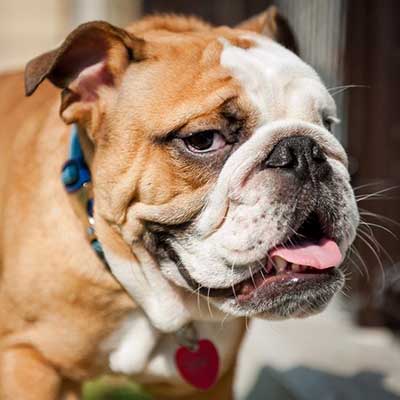
English Bulldog
The Bulldog often reveals a surprising contrast between its fierce, intimidating look and its true character. Beneath that tough facade lies a gentle and loving nature; these dogs are remarkably friendly and deeply value their human companions, all while exhibiting a playful streak of stubbornness. Above all, their loyalty to their families is steadfast. As puppies, Bulldogs are brimming with energy, but they gradually evolve into more laid-back adults. They have a special affinity for children, showcasing impressive patience; when they’ve had enough excitement, they simply relocate to a quieter area. Bulldogs also get along well with other pets, making them one of the most versatile breeds for households with multiple animals. As they age, Bulldogs tend to become a bit more sedentary, preferring to relax by your side and observe their surroundings. While they enjoy playtime with kids, it won’t be long before they seek out their favorite sunny spot for a nap. It’s essential to keep in mind that Bulldogs can easily overheat, so they need a cool retreat during the hot summer months. Additionally, they are known for their drooling and snoring, and their short snouts can lead to specific health concerns. Nonetheless, they are charming and devoted companions that bring joy and laughter to any household.
Read more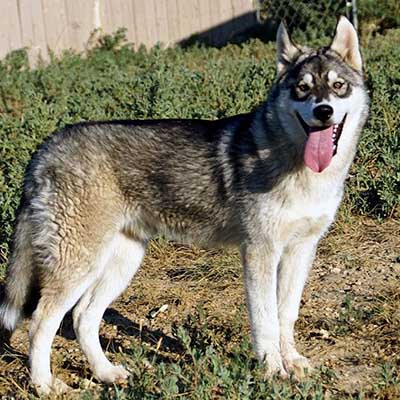
Kugsha
The Kugsha, also known as the Amerindian Malamute, suffers from a lack of acknowledgment by both national and international Kennel Clubs, resulting in limited information about the breed. This Spitz-type dog bears a striking resemblance to wolves, evident in its unique head shape, size, coloration, and coat texture. Historically, Kugshas were bred primarily for their strength and energy, making them excellent weight-pullers. They are also sometimes employed as guard dogs, thanks to their imposing presence and fierce appearance. These dogs are recognized for their intelligence, which requires an experienced owner for proper training and socialization. Early intervention in training is essential to unlock their full behavioral potential. While Kugshas are moderately social and typically get along with other dogs, they develop strong bonds with their families. This deep attachment can lead to separation anxiety, potentially resulting in destructive behaviors if not managed. They display a gentle affection and playfulness but require substantial exercise, relishing the opportunity to run and explore in open areas like dog parks or backyards. Due to their size, training difficulties, and occasionally sensitive nature, Kugshas remain primarily working dogs and have not yet made a significant shift towards being companion animals.
Read more