Kugsha
Amerindian Malamute, American Husky
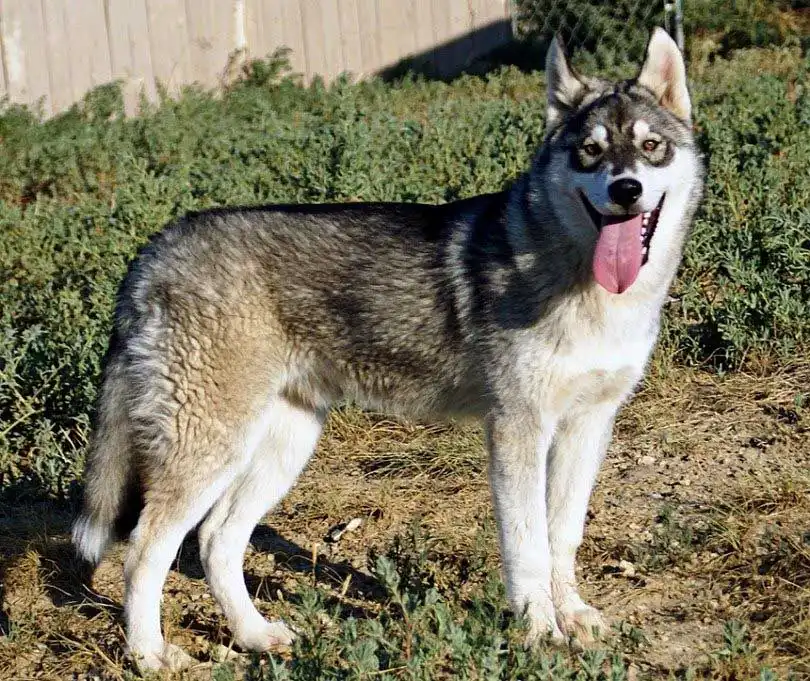
The Kugsha, also known as the Amerindian Malamute, suffers from a lack of acknowledgment by both national and international Kennel Clubs, resulting in limited information about the breed. This Spitz-type dog bears a striking resemblance to wolves, evident in its unique head shape, size, coloration, and coat texture. Historically, Kugshas were bred primarily for their strength and energy, making them excellent weight-pullers. They are also sometimes employed as guard dogs, thanks to their imposing presence and fierce appearance. These dogs are recognized for their intelligence, which requires an experienced owner for proper training and socialization. Early intervention in training is essential to unlock their full behavioral potential. While Kugshas are moderately social and typically get along with other dogs, they develop strong bonds with their families. This deep attachment can lead to separation anxiety, potentially resulting in destructive behaviors if not managed. They display a gentle affection and playfulness but require substantial exercise, relishing the opportunity to run and explore in open areas like dog parks or backyards. Due to their size, training difficulties, and occasionally sensitive nature, Kugshas remain primarily working dogs and have not yet made a significant shift towards being companion animals.
Breed Origin
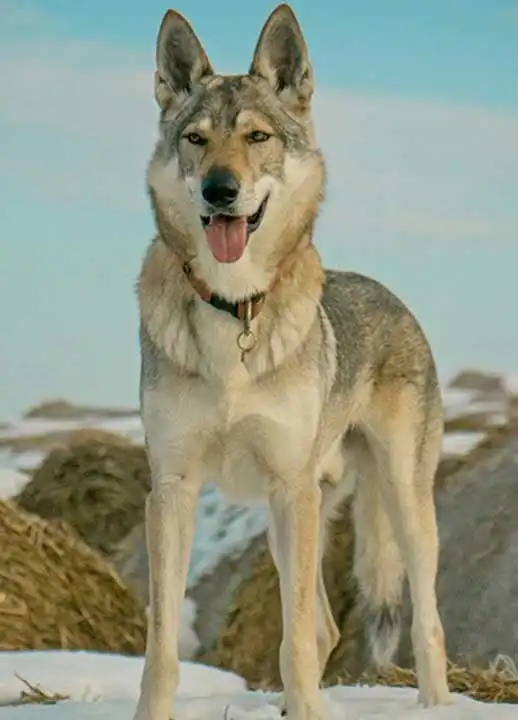
The Kugsha breed's exact timeline remains elusive due to its obscure origins and scant documentation. Existing records indicate that Kugshas were developed at Wolfen Kennels in Pennsylvania by Kuhlwind, Gordon Smith, and Habben. The name "Kugsha" is derived from the initials of their names, as the term "American Husky" did not generate sufficient interest. This breed is primarily a blend of wolf and malamute, resulting in a strong yet somewhat sensitive dog that requires an experienced handler. The main objective behind creating this breed was to develop a resilient working dog with an energetic personality, capable of thriving in challenging environments and performing demanding tasks. While they have successfully met this goal, their sensitive temperament may contribute to their limited appeal as working dogs or companions. As a result, their breeding and adoption have been restricted, making them a rare breed typically owned by passionate enthusiasts or utilized solely for work purposes. The dedication of these enthusiasts is crucial for the breed's survival, ensuring a sufficient population for ongoing breeding. As Kugshas become more recognized, they may have the potential to attain a status akin to other recently popular wolf-like breeds.
Breed Appearance
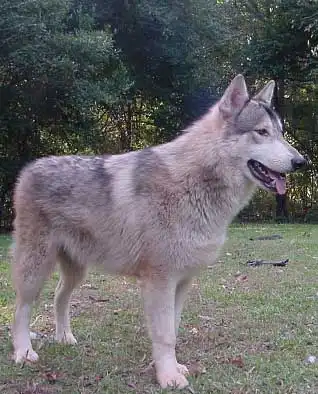
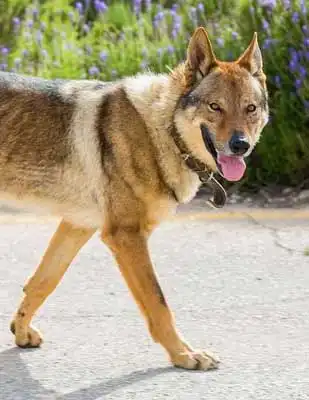
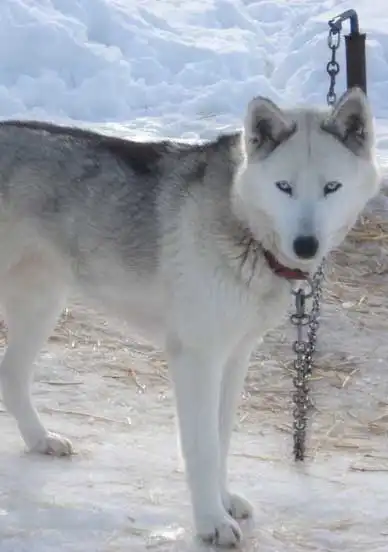
Kugshas display distinct wolf-like traits, which are evident in their distinctive head shape, size, coat, and coloration. These large dogs generally reach a height of 20 to 27 inches at the shoulder and can weigh more than 100 pounds. Their heads are sizable yet well-proportioned to their bodies, characterized by a broad, moderately rounded skull and a muzzle that tapers slightly, nearly matching the length of the skull, with a prominent stop in between. Their almond-shaped eyes are positioned at a slight angle, further enhancing their wolf-like appearance, and are complemented by a pair of fuzzy, upright, triangular ears. The necks of Kugshas are medium in length and muscular, featuring longer fur that seamlessly transitions into a smooth topline. Their front legs are straight and sturdy, supported by thick bones and a deep, well-defined chest. Although their shoulders are strong, they are often concealed by the abundant fur around the neck. The hindquarters are well-angled and muscular, particularly in the thigh region. Their tails are long and bushy, typically hanging down. Kugshas have a double-layered coat that is long and dense, available in a variety of colors including brown, black, gray, fawn, and white, all of which contribute to their striking resemblance to wolves.
Care Routine
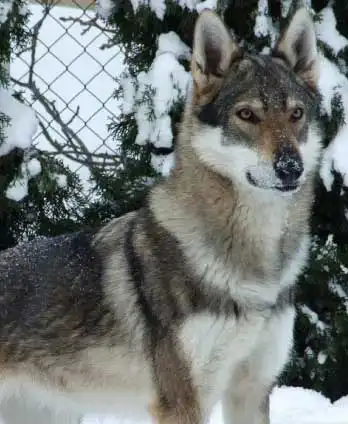
Kugshas require a moderate amount of care. Although they typically shed lightly, particularly outside of peak shedding periods, regular brushing is essential to keep their coats clean and free from loose hair and dirt, as well as to prevent matting. Using a firm bristle or slicker brush a few times a week should be sufficient, though a dematter can be useful for any stubborn tangles. Bathing is usually not necessary unless they become particularly dirty or smelly; generally, a bath every few months is enough, as they are quite capable of maintaining their coats independently. Furthermore, it’s crucial to regularly check and trim their nails to prevent painful cracks or breaks. Due to their significant food consumption, brushing their teeth at least once a week is important for maintaining good oral hygiene.
Behavior & Temperament
Kugshas are known for their impressive resilience and hardworking disposition, yet they also exhibit an unexpected sensitivity. These dogs thrive on regular exercise and companionship; if they are left alone for too long, they may experience separation anxiety. If this concern is not addressed, they might engage in destructive behaviors stemming from boredom or frustration, regardless of their training background. Their intelligence can sometimes manifest as stubbornness, which underscores the importance of early training by a patient, firm, and consistent handler. Socialization is vital for their growth; while they generally interact well with other dogs, they may not be the best choice for families with small children due to their prey drive, unless they are raised alongside them from an early age. On a positive note, Kugshas make excellent watchdogs, showing caution around strangers and a willingness to defend their home, often alerting their owners with a robust bark when they perceive a threat. In spite of their protective instincts, Kugshas can also be delightful companions if they receive proper training and socialization from the outset. They are loyal, affectionate, and eager to please their families, making them well-suited for older, active households. However, their high energy levels render them unsuitable for apartment living or families with a more sedentary lifestyle. Furthermore, their thick double coats are not ideal for hot and humid climates.
Play & Exercise
Kugshas are rightly celebrated for their high energy levels. Bred and trained for work during their formative years, they exhibit impressive endurance and muscular development. Their vibrant nature demands ample daily exercise to maintain their happiness and health. These dogs flourish in spacious settings, making them ideal for families with large homes and expansive yards where they can roam and explore freely. Given their tendency towards aggressive behavior, effective socialization is essential, particularly if they frequent dog parks. It's also vital to supervise them closely during walks, especially when approached by unfamiliar individuals who may not know the best way to interact with dogs. With appropriate training, Kugshas can become wonderful companions for activities like running, jogging, or leashed walks, which help channel their energy. Furthermore, their keen intelligence necessitates mental engagement; involving them in games or teaching them new tricks can greatly enhance their behavior and ensure they remain well-mannered.
Things to Know
Cups Per Day
4.0 Cups
Daily Activity
70 Minutes
Average Lifespan
13 Years
Origin
Unknown
Type
Pure Breeds
Size
Large
Origin Country
United States
Brush Frequency
Weekly
Coat Texture
Straight
Register
Your kids have been begging for a pet forever, and you've recently decided that it's time for your family to get a new addition -- a dog! While everyone is excited for the new arrival, you're wondering if you need to have a dog license. How much does it cost? Is it required? Where do you get one?
Member Clubs
PETINNATE
Other
Height & Weight
Weight
85 lbs (39 kg)Male: 85 lbs (39 kg) , Female: 85 lbs (39 kg)
Height
24 inches (61 sm)Male: 24 inches (61 sm) , Female: 24 inches (61 sm)
6 Months
61 lbs ( m 61 lbs, f 61 lbs )
16 inches ( m 16 inches, f 16 inches )
12 Months
73 lbs ( m 73 lbs, f 73 lbs )
20 inches ( m 20 inches, f 20 inches )
18 Months
85 lbs ( m 85 lbs, f 85 lbs )
23 inches ( m 23 inches, f 23 inches )
Eye Colors
Hazel
Brown
Amber
Nose Colors
Black
Coat Colors
White
Fawn
Cream
Brown
Gray
Black