Pure Breeds
Browse a collection of Pure Breeds, including breed names, key traits, and origins. Whether you're interested in officially recognized purebreds or hybrid crossbreeds, this page helps you explore them all in one place.
A breed with a pure lineage, recognized by official breed standards.
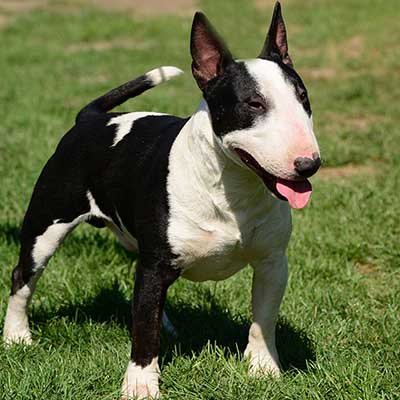
Miniature Bull Terrier
The Miniature Bull Terrier is a smaller version of the modern Bull Terrier, with its origins linked to a mix of the Bull-and-Terrier and Spanish Pointers. This breed actually predates its larger relative, having been developed from the Old English Bulldog and the now-extinct White English Terrier to create the Bull-and-Terrier. Originally bred for rat-catching and pit-fighting, the Miniature Bull Terrier has evolved into a cherished companion, excelling as a family pet and a skilled earth dog. Renowned for its lively and friendly disposition, this breed is often likened to a playful clown. One of its charming yet sometimes troublesome habits is its tendency to chase its own tail, a behavior that can be challenging to manage.
Read more
Slovac Cuvac
The Slovensky Cuvac (pronounced Slov-en-SKI Chew-votch) is an impressive breed that closely resembles the Great Pyrenees. This dog is not ideal for first-time owners, as it demands significant training to integrate smoothly into family life. Known for its affectionate nature, the Slovensky Cuvac is particularly fond of children and gets along well with other pets, often relishing playtime with youngsters. However, it’s crucial for the dog to understand that children are neither his peers nor subordinates within the household. This breed flourishes in expansive settings such as farms and ranches, where they have ample space to roam and engage in activities; keeping one in an apartment is not recommended due to its size. Furthermore, you can anticipate that this dog will be protective of your home and may exhibit a reserved demeanor around strangers.
Read more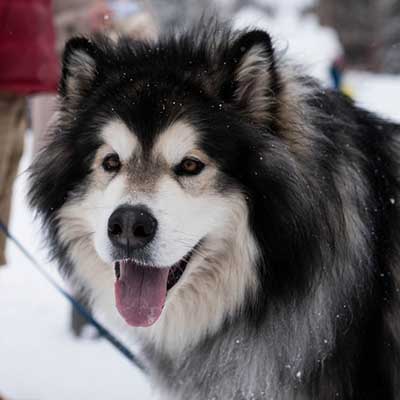
Alaskan Malamute
The Alaskan Malamute, known as the largest sled dog in the Arctic, gets its name from both its geographical roots and the Mahlemut tribe it is linked to. This ancient breed has a history that dates back around 4,000 years, originating with the Inuit people of Alaska. Originally bred to hunt large game such as polar bears and seals, Malamutes are now mainly used for sled pulling and as cherished pets. They generally maintain good health, with an average lifespan of about 12 years, although they may be susceptible to certain genetic conditions like hip dysplasia and cataracts. Their unique double coat allows them to thrive in cold and wet conditions, and they actually prefer cooler climates. Alaskan Malamutes are typically striking in appearance, often showcasing a white base adorned with shades of gray, red, or black. While they bear a resemblance to wolves, their expressions are characteristically softer.
Read more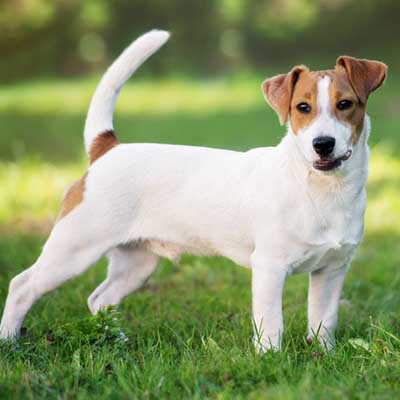
Jack Russell Terrier
The Jack Russell Terrier is a breed that has gained fame through popular television series like Frasier and Wishbone. Many fans have fallen in love with the quirky and endearing personalities of characters like Eddie from Frasier and Wishbone. However, the reality of owning a Jack Russell Terrier is quite different from what is depicted on screen. The dogs featured in these shows are supported by professional trainers and are given specific tasks to perform. In contrast, a real Jack Russell Terrier thrives on interaction and will actively seek out ways to entertain itself if its owner is busy. This breed is known for its high energy levels, relishing activities such as running, digging, and engaging in playful mischief. With the right training and an appropriate outlet for their considerable energy, they can make wonderful and loving companions.
Read more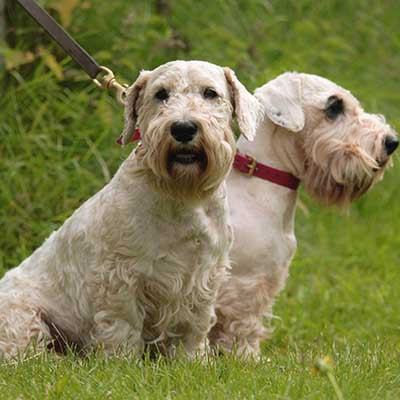
Sporting Lucas Terrier
The Sporting Lucas Terrier was initially developed to hunt small pests, but it has evolved into a charming and loving pet. This breed is characterized by its vibrant energy, lively personality, and sharp awareness—qualities commonly found in terriers. Although he is active, he is not overly excitable and tends to be relatively easy to train. He enjoys running, playing, and interacting with his family, but he also knows how to relax and appreciate peaceful moments at home. To help him become a well-adjusted member of the family, early socialization is crucial for the Sporting Lucas Terrier.
Read more