Pure Breeds
Browse a collection of Pure Breeds, including breed names, key traits, and origins. Whether you're interested in officially recognized purebreds or hybrid crossbreeds, this page helps you explore them all in one place.
A breed with a pure lineage, recognized by official breed standards.
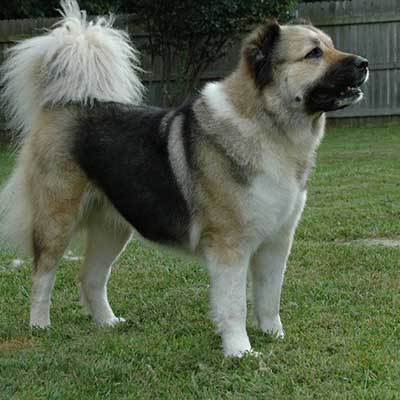
Caucasian Ovcharka
This ancient breed exudes a sense of strength and authority. Hailing from the rugged Caucasus Mountains, which lie between Europe and Asia, it is known by several names, the most common being the Caucasian Ovcharka or Caucasian Shepherd. These large dogs were originally bred to protect sheep from various threats, both human and animal. As a result, the temperament of the Caucasian Mountain Dog can vary widely. They can be affectionate and gentle with their families or, conversely, display aggressive and unruly behavior. The key to their demeanor often lies in the owner's approach to training, which should strike a balance between firmness and compassion. While their protective nature can be appealing, this breed may not be the best choice for inexperienced dog owners. Although these large, fluffy dogs were initially intended for guarding flocks, they are increasingly being kept as family pets. Nonetheless, their aggressive and protective instincts have historically hindered their popularity. As interest in the Caucasian Mountain Dog continues to rise, it is likely that selective breeding efforts will focus on moderating their overly protective traits.
Read more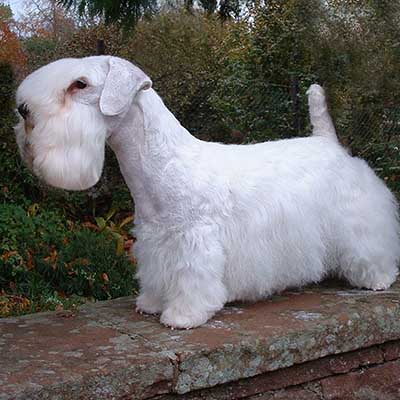
Sealyham Terrier
The Sealyham Terrier is a loyal, loving, and self-reliant breed. Originating from Wales, this small but determined dog was initially bred for hunting badgers, otters, and foxes. Although they are compact, Sealyhams can sometimes display a stubborn nature. In modern times, these dogs enjoy chasing birds, rabbits, and even other pets, such as cats and dogs. Their unique white coat was specifically developed to allow hunters to easily distinguish the dog from its prey. The American Kennel Club recognized the Sealyham Terrier in 1911. While it continues to be a popular choice in dog shows, it is regarded as a rare breed in the United States.
Read more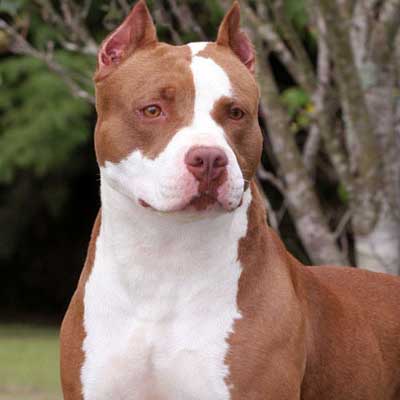
American Pit Bull Terrier
The term "Pit Bull" or "Pit Bull Terrier" refers to a group of sturdy, short-haired dogs that generally have a mixed heritage of Bulldogs and Terriers. Among them, the American Pit Bull Terrier is officially recognized as a separate breed by the United Kennel Club in England, although it does not have the same status with the American Kennel Club or the Fédération Cynologique Internationale. While Pit Bulls can sometimes display unpredictable behaviors due to their varied genetic backgrounds, this is less frequent in well-bred American Pit Bull Terriers, as responsible breeders focus on fostering a more stable temperament. To address potential issues like fearfulness, overly excited greetings, and aggression towards other dogs, it is essential to prioritize obedience training and socialization for this powerful breed.
Read more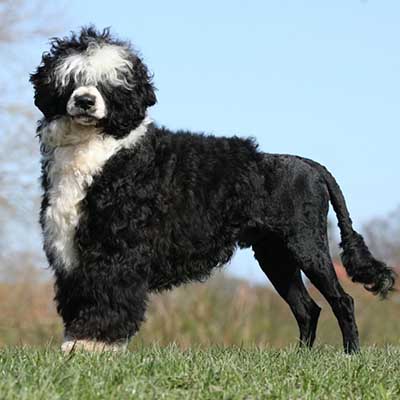
Portuguese Water Dog
The Portuguese Water Dog traces its lineage back to approximately 700 B.C., originally bred to aid fishermen in various tasks related to water. This historical background accounts for their strong affinity for swimming and aquatic activities. Known for their affectionate nature and family-oriented temperament, these dogs are friendly companions for both children and other pets. They are easily recognizable by their unique curly or wavy coats and webbed feet, which make them ideally suited for aquatic life. With their high energy levels and intelligence, Portuguese Water Dogs shine in numerous canine sports, such as tracking, agility, obedience, and trick performance. However, their keen intellect can sometimes lead them to try to outsmart their owners. With proper training and socialization, these dogs can develop good manners and adapt well to various environments.
Read more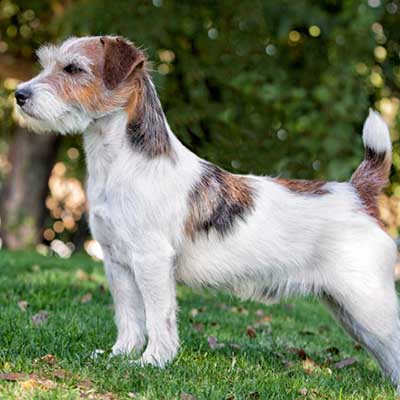
Russell Terrier
The Russell Terrier is a lively and spirited small breed, full of character. These dogs are not just active; they also possess a commanding presence. Often characterized as intelligent, strong-willed, determined, impulsive, and spirited, they have a quick bark and an even quicker chase. Bred initially for hunting small game, they maintain a strong instinct to pursue, so it's wise to be cautious around cats and other small animals. Without proper socialization during their early development, they may show aggression towards other dogs, including those of their own kind. With their abundant energy, Russell Terriers excel in activities like fetching, digging, and participating in engaging games such as agility training, flyball, or advanced obedience tasks. To ensure their happiness and well-being, they need plenty of physical exercise and mental challenges, along with a strong leader—usually their owner—who can gain their respect and emphasize the importance of obedience. When nurtured and trained with a firm yet affectionate approach, these dogs can become wonderful companions, displaying loyalty and friendliness. However, their high energy levels make them unsuitable for a calm or solitary lifestyle, although they can adapt to apartment living if they receive adequate exercise throughout the day.
Read more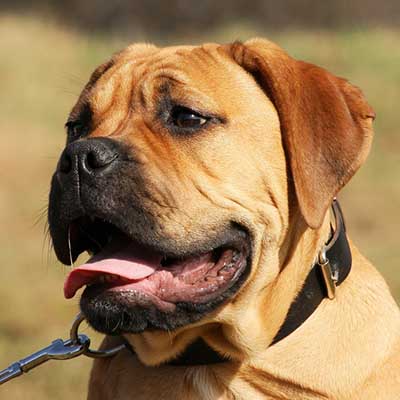
Bullmastiff
In 1795, historical accounts reveal that the Bullmastiff was created by crossing the Mastiff with the Bulldog, resulting in a genetic makeup of approximately 60% Mastiff and 40% Bulldog. To achieve purebred status, these dogs underwent three generations of selective breeding. Originally, their primary function was to track and capture poachers, but their roles later evolved to include service in military and law enforcement, as well as acting as guardians for the Diamond Society of South Africa. Today, the Bullmastiff is celebrated for its loyalty and gentle nature. While they may seem formidable and can show aggression if provoked, their usual temperament is calm and affectionate. They are known for their gentle disposition, patience with children, and a strong desire for human leadership. This breed thrives under the guidance of a strong, fair, and consistent owner who can earn their respect and provide clear direction. Bullmastiffs are receptive to training, but they are also sensitive to the tone of voice, which means that assertive yet gentle communication is essential. They make excellent family pets, offering protection without unnecessary aggression unless they perceive a threat. With appropriate socialization during their early years and consistent guidance, they can develop into devoted and loyal companions.
Read more
Slovac Cuvac
The Slovensky Cuvac (pronounced Slov-en-SKI Chew-votch) is an impressive breed that closely resembles the Great Pyrenees. This dog is not ideal for first-time owners, as it demands significant training to integrate smoothly into family life. Known for its affectionate nature, the Slovensky Cuvac is particularly fond of children and gets along well with other pets, often relishing playtime with youngsters. However, it’s crucial for the dog to understand that children are neither his peers nor subordinates within the household. This breed flourishes in expansive settings such as farms and ranches, where they have ample space to roam and engage in activities; keeping one in an apartment is not recommended due to its size. Furthermore, you can anticipate that this dog will be protective of your home and may exhibit a reserved demeanor around strangers.
Read more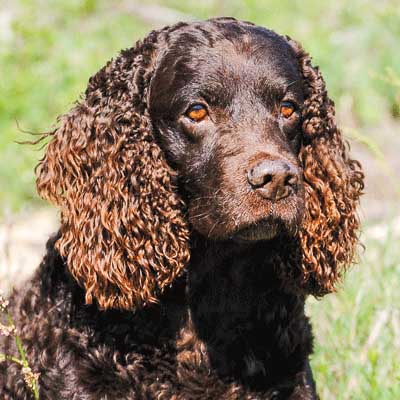
American Water Spaniel
The American Water Spaniel is a compact breed with a rich brown coat, tracing its roots back to the Midwestern United States in the 18th century. Originally developed as a hunting companion for waterfowl, pheasants, and rabbits, this breed is known for its lively and confident presence in the field, although it may show some timidity around unfamiliar people. Equipped with a double coat that effectively repels water and webbed feet, the American Water Spaniel thrives in aquatic settings, but it does need consistent grooming to keep its fur healthy and clean. Beneath its dense, curly exterior lies a strong, agile body, enabling the American Water Spaniel to gracefully jump in and out of small boats or canoes without creating a disturbance.
Read more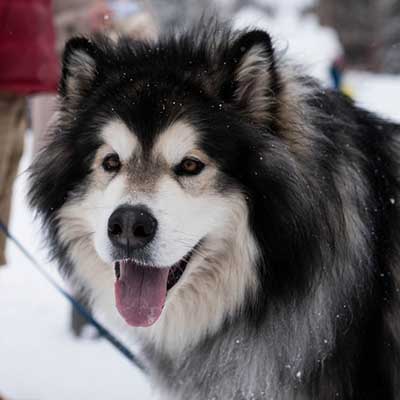
Alaskan Malamute
The Alaskan Malamute, known as the largest sled dog in the Arctic, gets its name from both its geographical roots and the Mahlemut tribe it is linked to. This ancient breed has a history that dates back around 4,000 years, originating with the Inuit people of Alaska. Originally bred to hunt large game such as polar bears and seals, Malamutes are now mainly used for sled pulling and as cherished pets. They generally maintain good health, with an average lifespan of about 12 years, although they may be susceptible to certain genetic conditions like hip dysplasia and cataracts. Their unique double coat allows them to thrive in cold and wet conditions, and they actually prefer cooler climates. Alaskan Malamutes are typically striking in appearance, often showcasing a white base adorned with shades of gray, red, or black. While they bear a resemblance to wolves, their expressions are characteristically softer.
Read more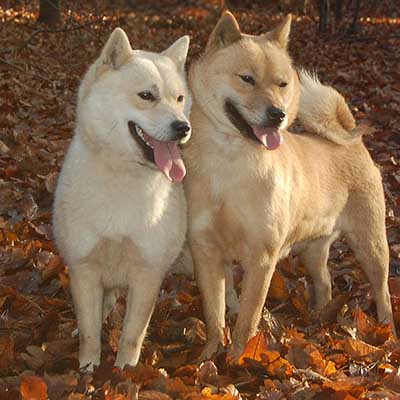
Hokkaido
The Hokkaido is a medium-sized spitz breed recognized for its sturdy physique and remarkable stamina. This dog forms a deep connection with its owner, showcasing unwavering loyalty throughout its life. Bringing an older Hokkaido into your home can be difficult, as they often have strong attachments to their families. They excel in very cold conditions but may struggle in warmer climates unless they have air conditioning. This breed may not be suitable for novice dog owners or families with young kids. Nevertheless, a Hokkaido can make a fantastic companion for children if it is raised with them, properly socialized, and taught to respect their space.
Read more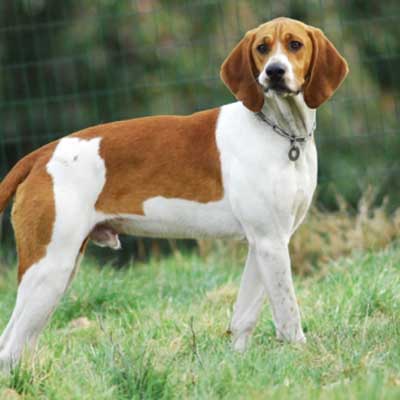
Anglo-Francais de Petite Venerie
The Anglo-Français de Petite Vénerie, much like various other French scent hounds, has a storied past that stretches back several centuries. This breed originated from the interbreeding of older Anglo-French hounds with the Poitevin, Beagle, Petite Gascon-Saintongeois, and Petite blue de Gascogne. The result is a dog that resembles English foxhounds in build while showcasing the unique head characteristics typical of French scent hounds. For centuries, these dogs have been primarily employed in hunting, often working in packs to flush out small game, and many of their behavioral traits are rooted in this historical function. Although they have long been recognized as hunting dogs in France, their appeal is now on the rise as show and companion animals in countries such as the United Kingdom, the United States, and Italy. Even when kept as individual pets, they maintain their pack-oriented instincts, displaying sociable, friendly, and non-aggressive behavior towards people, including strangers, and are particularly gentle with children. These dogs are known for their loyalty and affection, forming deep bonds with their families, especially with the owner who trains and socializes them. Like other scent hounds, they possess intelligence and a strong-willed nature, which can sometimes lead to stubbornness. This makes early training more effective when conducted by an experienced handler. They also have a tendency to bay, a behavior developed to alert their owners, which can create challenges in smaller living spaces like apartments. Furthermore, their hunting instincts may complicate living with small non-canine pets, as their prey drive can emerge unexpectedly. Despite these minor hurdles, the Anglo-Français de Petite Vénerie is a well-mannered breed that is gradually evolving from a traditional hunting dog into a beloved family companion.
Read more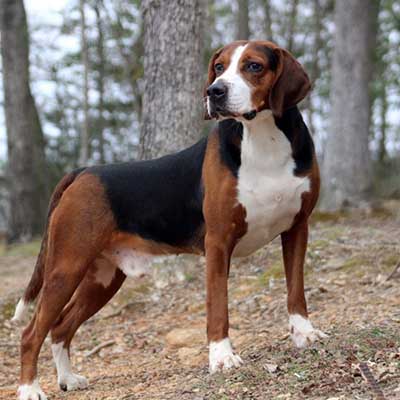
Hamiltonstovare
The Hamiltonstovare, a breed that hails from Sweden, is particularly noted for its distinct stubbornness. Originally bred for hunting foxes and hares, this breed is energetic and thrives on running and playing. Typically, the Hamiltonstovare exhibits a relaxed personality and develops strong attachments to its family, adapting well to different living environments. However, it is vital for this dog to have a strong and consistent leader to clarify its role within the home. While the Hamiltonstovare can be great with children, it is important for the dog to understand that it does not have a dominant role over them. Therefore, certain games, such as tug-of-war, should be avoided to ensure appropriate boundaries are maintained.
Read more