Hokkaido
Ainu-ken, Seta, Ainu dog, Ainu Inu, Do-Ken, Hokkaidoken
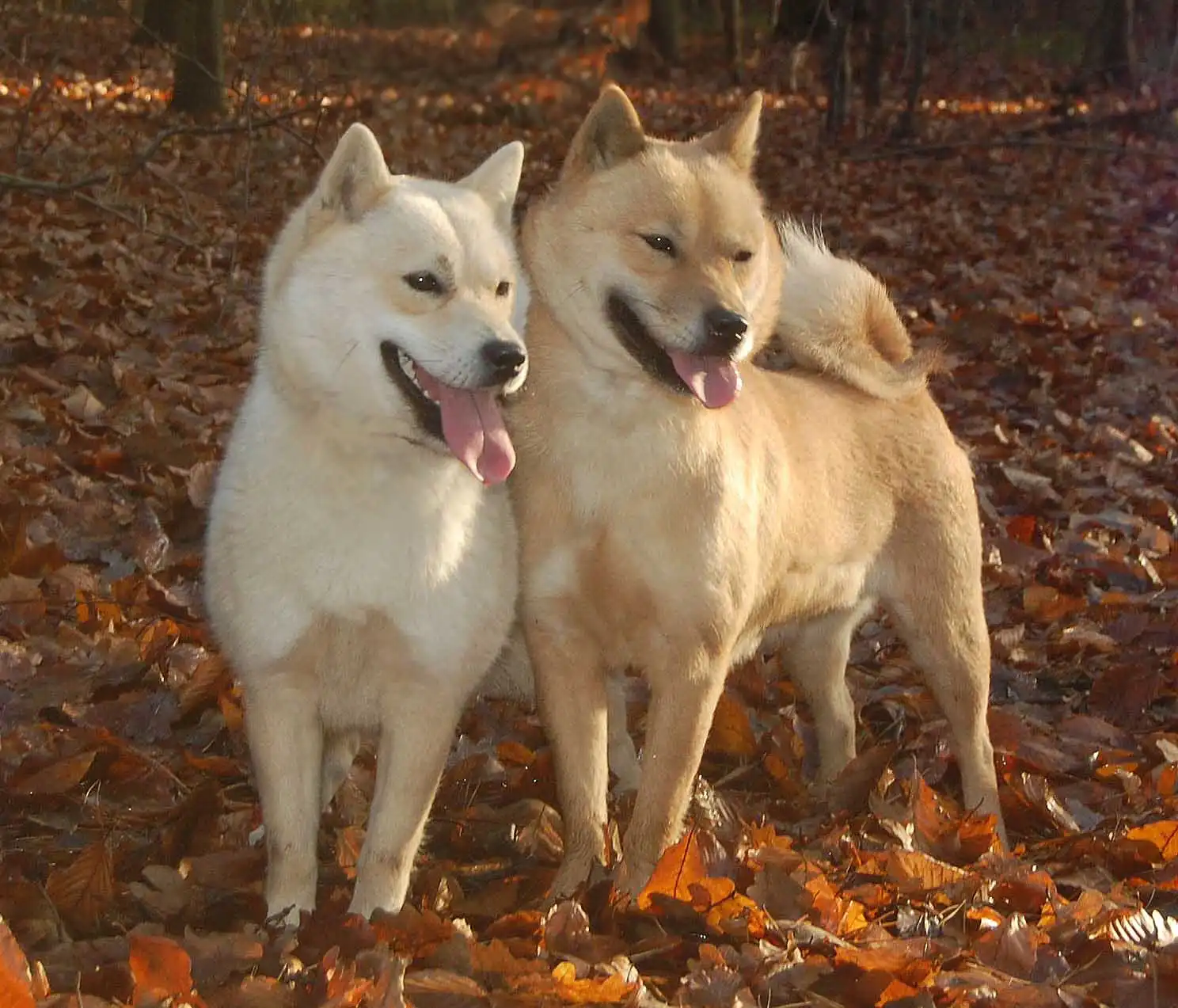
The Hokkaido is a medium-sized spitz breed recognized for its sturdy physique and remarkable stamina. This dog forms a deep connection with its owner, showcasing unwavering loyalty throughout its life. Bringing an older Hokkaido into your home can be difficult, as they often have strong attachments to their families. They excel in very cold conditions but may struggle in warmer climates unless they have air conditioning. This breed may not be suitable for novice dog owners or families with young kids. Nevertheless, a Hokkaido can make a fantastic companion for children if it is raised with them, properly socialized, and taught to respect their space.
Breed Origin
The Hokkaido breed has a lineage that dates back to ancient times, although its exact origins are still unclear. It is thought to have evolved from a Japanese breed called the Matagi-ken, which was introduced to the region by the Ainu people during the Jomon period. The Tohoku region, where these dogs first emerged, is quite isolated, which contributed to the breed's development remaining largely unrecognized until 1869, when English zoologist Thomas W. Blankiston identified and named it Hokkaido. The breed gained notable attention in 1902 for its vital role in a search and rescue operation during a severe snowstorm that affected an army expedition in the Hakkoda Mountains of Aomori Prefecture. The Hokkaido's exceptional ability to withstand harsh cold conditions was crucial in finding survivors trapped under heavy snow. In 1937, the Ministry of Education officially recognized the Hokkaido as a protected rare species, changing its name from Ainu dog to Hokkaido-Inu. In Japan, it is often referred to as Hokkaido-Ken. The breed experienced a revival in popularity in 2007 when it appeared in a SoftBank commercial, produced by an American director, which won the ACC Grand Prix Minister of Internal Affairs and Communications Award. This exposure significantly increased awareness of the breed in the United States. Despite this newfound recognition from the SoftBank ads, the Hokkaido remains relatively rare outside Japan. Its physical characteristics have changed little over the years; it has a striking appearance and closely resembles its cousin, the Akita. Additionally, there is speculation that the Hokkaido shares genetic ties with the Chow Chow and Shar Pei, as many individuals of this breed display blue-black tongues.
Breed Appearance
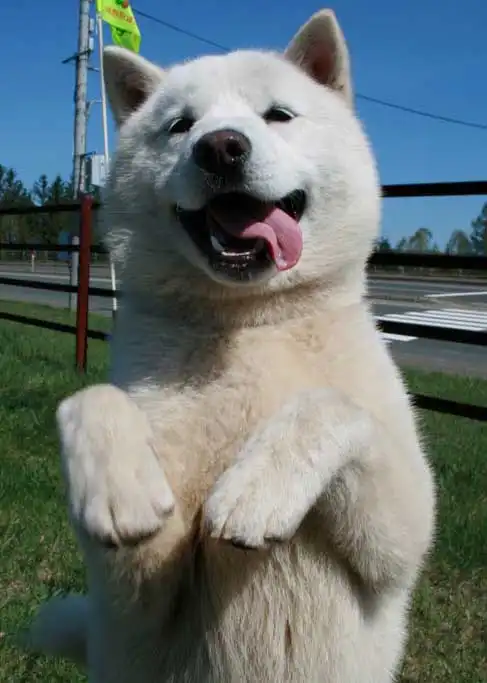
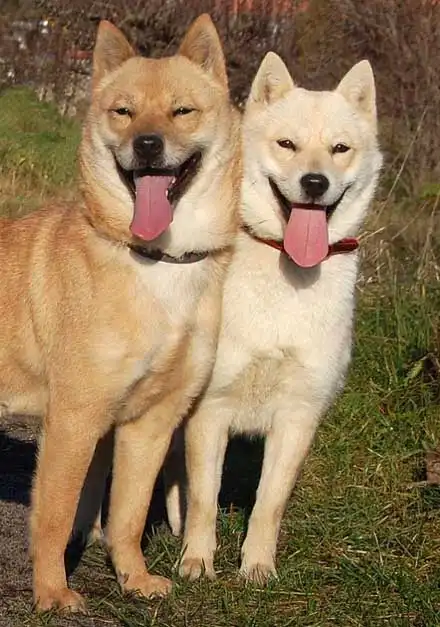
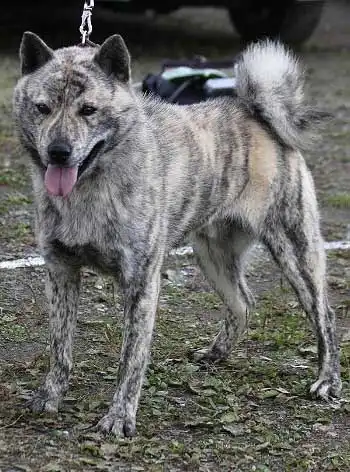
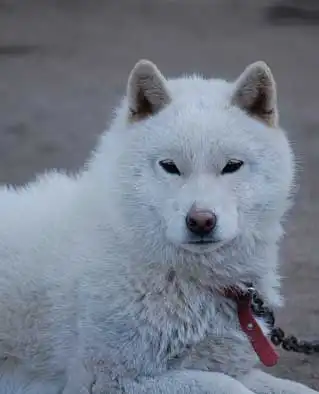
The Hokkaido is a strong and muscular breed that can seem quite intimidating to those who are not familiar with it. This medium-sized dog has a solid bone structure while still being agile and quick on its feet. Its ears are small and stand erect at a right angle to the forehead, complemented by small, triangular dark brown eyes. Many Hokkaido dogs also have blue-black tongues with distinctive black spots. The nose, lips, and eye rims are all black, adding to its striking appearance. This breed is known for its harsh, straight double coat, which features a dense, soft undercoat that provides excellent insulation against cold temperatures, enabling it to spend long periods outdoors comfortably. The coat is of medium length, and the thick, bushy tail curls over the back in the traditional spitz style.
Care Routine
The Hokkaido is characterized by a dense double coat that requires brushing on a weekly basis. This breed undergoes substantial shedding twice a year, specifically in the spring and fall. For effective grooming, it’s best to use a pin brush along with a metal comb to thoroughly manage the undercoat. During shedding seasons, employing a deshedder can make the grooming process easier, and daily grooming is recommended. Typically, the Hokkaido does not need frequent baths; bathing three to four times annually is adequate to remove dirt and loosen any loose hair. When bathing, choose a mild shampoo. Given the thickness of the coat, drying can be quite time-consuming. Additionally, it’s important to trim his nails every two to three weeks or as necessary to keep them in good condition. Regular ear checks should be performed weekly, cleaning them as needed. Establishing a routine for dental care is also crucial for maintaining his oral hygiene.
Behavior & Temperament
The Hokkaido breed was created as a formidable hunter, adept at taking down large game. This dog is not only determined but also exhibits a strong sense of loyalty. With the right training, he can make an excellent companion for families with older children; however, he may not be the best fit for households with young kids or for first-time dog owners. Due to his deep bond with his owner, rehoming an older Hokkaido can prove to be quite difficult. He needs consistent training to understand his role within the family structure. Although he learns quickly, he can also display a stubborn streak. Incorporating training into his daily exercise routine is a great way to establish your leadership. A sturdy fence is essential for him, but he should not be left outside alone for long periods, as his greatest desire is to be with his family. When left unattended, he may engage in destructive behaviors. The Hokkaido typically gets along well with other medium to large dogs he has been raised with, but caution should be exercised around smaller animals such as cats, rabbits, ferrets, and toy breeds.

Play & Exercise
Things to Know
Cups Per Day
0.0 Cups
Daily Activity
0 Minutes
Average Lifespan
12 Years
Origin
Ancient
Type
Pure Breeds
Size
Medium
Origin Country
Japan
Brush Frequency
Weekly
Coat Texture
Straight
Register
Your kids have been begging for a pet forever, and you've recently decided that it's time for your family to get a new addition -- a dog! While everyone is excited for the new arrival, you're wondering if you need to have a dog license. How much does it cost? Is it required? Where do you get one?
Member Clubs

PETINNATE
Northern Breed

AKC
Foundation Stock Service

UKC
Northern Breed
Height & Weight
Weight
55 lbs (25 kg)Male: 55 lbs (25 kg) , Female: 55 lbs (25 kg)
Height
19 inches (48 sm)Male: 20 inches (51 sm) , Female: 19 inches (48 sm)
Eye Colors
Brown

Nose Colors
Black
Coat Colors
Black

White
Brindle
Red
Gray