Pure Breeds
Browse a collection of Pure Breeds, including breed names, key traits, and origins. Whether you're interested in officially recognized purebreds or hybrid crossbreeds, this page helps you explore them all in one place.
A breed with a pure lineage, recognized by official breed standards.
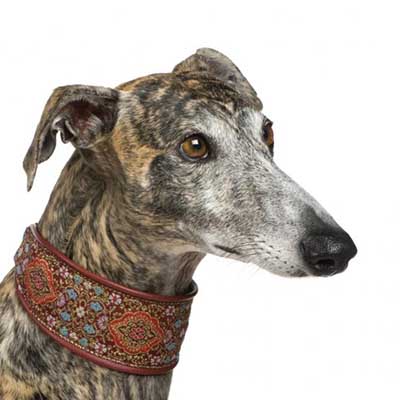
Spanish Greyhound
The Spanish Greyhound is an exceptionally athletic and dignified breed, known for its somewhat reserved disposition. These dogs may display shyness in the presence of strangers, often preferring to maintain a safe distance from those they do not know. Nevertheless, they are incredibly loving towards their families and can also develop strong connections with familiar individuals outside their immediate home. Renowned for their gentle nature, Spanish Greyhounds are especially good with children, including younger ones. To ensure they adapt to new situations with ease, early socialization is crucial. Training is generally uncomplicated, especially when positive reinforcement methods are used, as they do not respond well to harsh commands.
Read more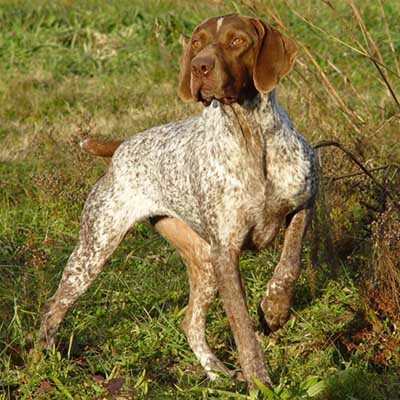
Braque Francais, de Petite Taille
The Braque Francais Pyrenean was originally developed exclusively for hunting purposes, but it has gradually transformed into a loyal companion for families. This breed is characterized by its eagerness to please rather than a dominant nature. With appropriate training, the Braque Francais Pyrenean can be an outstanding pet for households with children. However, it is not the ideal choice for a guard dog, as it is generally friendly and sociable, lacking a pronounced territorial instinct. As an active sporting dog, it needs plenty of exercise and becomes distressed if left alone in the yard without family interaction.
Read more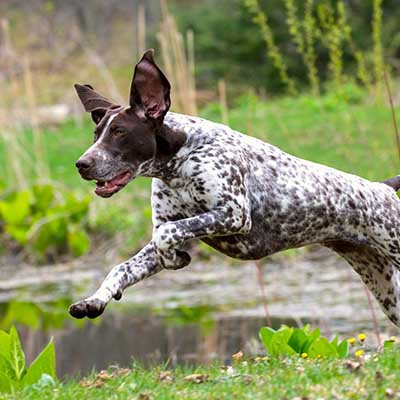
German Shorthaired Pointer
If you've ever seen a cartoon dog abruptly stop and dramatically point at something, you've caught a glimpse of what a Pointer embodies—albeit in a comically exaggerated way! The German Shorthaired Pointer, or GSP for short, is a dynamic hunting breed that hails from Germany and has been a reliable hunting partner for many years. The current version of this breed was developed in the early 1800s and is easily identifiable by its short, spotted coat, distinct head, and elongated body that narrows from the snout to the tail. Its ancestry dates back to the 1600s, with early breeds playing a significant role in the development of the dog we recognize today. This energetic and lively breed is not only exceptionally intelligent but also makes a fantastic family pet, thriving as both a hunter and a sporting dog. With roots that include pointers and bloodhounds, the German Shorthaired Pointer is both vocal and full of energy, necessitating plenty of exercise to keep its high energy in check. While it may bark at strangers, it does so in a friendly way, showcasing the breed's sociable disposition. Although it was initially bred for hunting, the German Shorthaired Pointer is now increasingly appreciated as a family companion and show dog in modern times.
Read more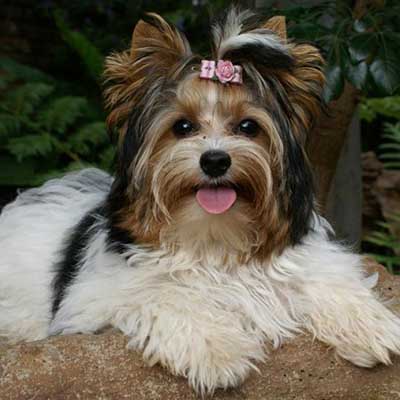
Biewer Terrier
The Biewer Terrier, pronounced BEE-VARE, is a toy breed that shares a close lineage with the Yorkshire Terrier. Renowned for its cheerful disposition, lively spirit, and sharp intelligence, this breed can present challenges in housetraining due to its petite size, necessitating dedication and patience from its owner. The Biewer Terrier is quite vocal and brimming with energy. Although generally friendly, it tends to be cautious around unfamiliar faces, often displaying signs of anxiety when meeting new people or dogs. To keep this spirited pup safe during play, a securely fenced yard is crucial; however, it’s important never to leave the dog outside unsupervised, as it could be vulnerable to predatory birds.
Read more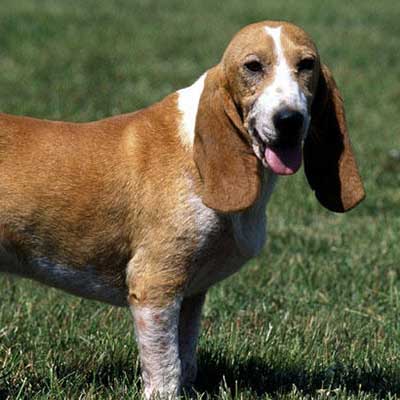
Small Swiss Hound
The Small Swiss Hound captures the essence of a larger breed within a smaller frame. They have a self-perception that exceeds their physical size, and their lively character more than makes up for their petite build. With regular exercise and dedicated attention, their high energy levels can be well-regulated. Although they make excellent family companions, their true enthusiasm shines when they are hunting across diverse landscapes, eagerly pursuing both small and large game. However, without adequate stimulation, the Small Swiss Hound may become problematic, displaying destructive tendencies at home. Ultimately, these dogs are sociable and clever, marked by a strong will that can occasionally come off as stubbornness.
Read more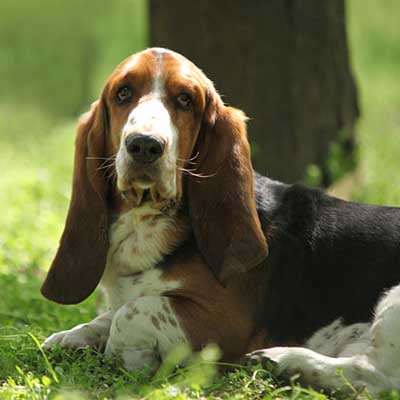
Basset Artesien Normand
The Basset Artésien Normand is a smaller and lighter version of the more familiar Basset Hound, sharing some ancestry and a similar look. The Basset Hound itself was later mixed with the Bloodhound, resulting in a larger breed. Originating as a hunting dog that thrived in groups, these canines are known for their sociable and affectionate demeanor, making them great companions for children and generally friendly with other dogs. Their amiable nature makes them ideal family pets, as they are easygoing, loyal, and warm towards almost everyone. With their short legs, they don’t need extensive exercise, which allows them to adapt well to both apartments and larger homes. However, they can be quite stubborn, often influenced by their strong sense of smell or independent spirit, so training them requires a consistent and patient approach. Overall, they are considered highly adaptable dogs with excellent temperaments, fitting seamlessly into various family settings.
Read more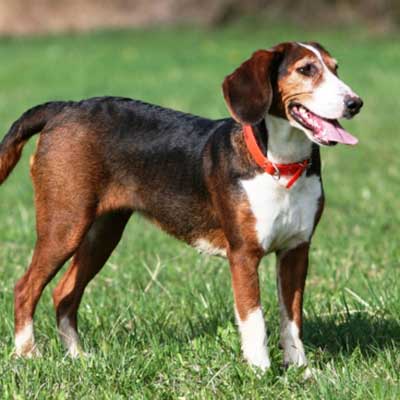
Deutsche Bracke
The Deutsche Bracke is an eye-catching and endearing breed, generally falling within the small to medium size range. While they enjoy popularity in Germany, they are still relatively unknown in many other regions. Bred initially for hunting purposes, these dogs need plenty of exercise, ideally engaging in physical activities twice daily. They thrive on companionship and can experience anxiety if left alone for long stretches, which may result in unwanted behaviors. Their gentle nature makes them excellent companions for families, especially around children. Sociable with other dogs, the Deutsche Bracke has been trained to hunt both in packs and individually. However, their strong hunting instincts can pose a threat to smaller pets like cats or rabbits, so supervision is crucial. Despite their calm demeanor, their independent streak can make training a bit challenging. This breed does not respond well to harsh training methods; instead, positive reinforcement is essential. Training sessions should be fun, varied, and brief to keep their attention. When taking the Deutsche Bracke for walks, it’s important to keep them on a leash, as they can quickly take off in pursuit of an intriguing scent. Once they catch a whiff of something interesting, redirecting their focus can be quite difficult. Overall, this breed is eager to please, affectionate, intelligent, and a devoted companion.
Read more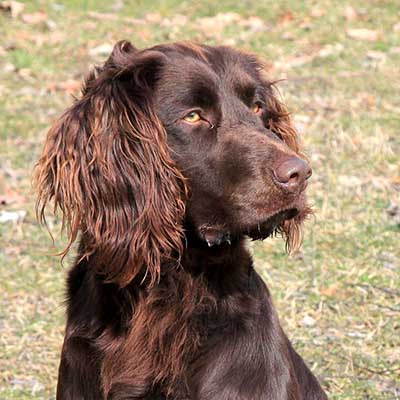
German Spaniel
The German Spaniel is a sturdy, medium-sized breed recognized for its dual roles as a hunting companion and a family pet. Although it is relatively rare outside of Germany, it is quite popular among German hunters and gamekeepers. Typically, the German Spaniel is a friendly dog that generally gets along well with most individuals, although his high energy levels might be overwhelming for very young children. This breed can show some stubbornness, which means that a confident and assertive owner is important. To keep him engaged and curious, training should be dynamic and varied. Furthermore, having a securely fenced yard is crucial to prevent him from wandering off and hunting in the neighborhood.
Read more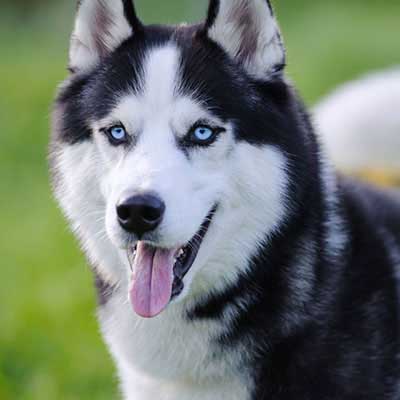
Siberian Husky
The Siberian Husky is a venerable breed that has likely developed alongside humans for thousands of years. Hailing from Russia, these dogs were cultivated by the Chukchi people, who depended on them for hauling supplies, which enabled their community to thrive in challenging environments. In addition to their transportation duties, Huskies were also bred to live harmoniously with Chukchi families. This selective breeding has resulted in a friendly and energetic breed renowned for its impressive stamina. Their dense double coat, which provides insulation against severe cold, requires regular grooming, although they do not need frequent baths. Despite their wolf-like appearance, which may intimidate some, Siberian Huskies are generally too friendly to be effective as guard dogs.
Read more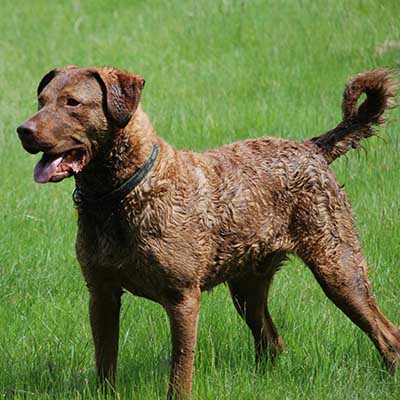
Chesapeake Bay Retriever
The Chesapeake Bay Retriever is a distinctive breed that sets itself apart from other Retrievers. This breed traces its roots back to two Lesser Newfoundland puppies, also referred to as St. John’s Water Dogs, which were saved by an American ship following a shipwreck near Maryland in 1807. These dogs were subsequently crossbred with local breeds, including Water Spaniels, Setters, and Hounds, in a somewhat haphazard manner. Although they share similar roles with other Retrievers, their genetic background is quite unique. Chesapeake Bay Retrievers are known for their striking looks, featuring a slightly oily, musky, waterproof wavy brown coat, captivating amber eyes, and a sturdy, muscular physique. While they are now mainly cherished as family pets and hunting companions, their initial role was to retrieve waterfowl. Renowned for their cheerful disposition, intelligence, and eagerness to please, these dogs excel in work, especially in water-related tasks. Their grooming requirements are relatively low, needing only a weekly brushing and a bath every three to four months. Due to their energetic and robust nature, they benefit from regular, vigorous exercise, whether through walking, running, or hunting geese. To ensure their proper development, consistent training combined with firm yet affectionate discipline is crucial.
Read more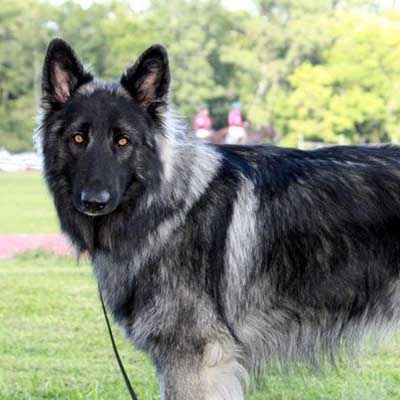
Shiloh Shepherd
The Shiloh Shepherd surpasses the German Shepherd in size and has been intentionally bred to enhance hip health. This breed is still in development, with roots tracing back to both the German Shepherd and the Alaskan Malamute. Renowned for their composed nature and self-assurance, Shiloh Shepherds are wonderful companions, marked by their amiable personalities and deep loyalty to their families. They possess a serious demeanor and high intelligence, showcasing notable bravery and fidelity. As a larger breed, they thrive on family engagement and take pleasure in being part of everyday activities. These dogs are quick to learn and respond positively to training, making early socialization and consistent, fair direction crucial for unlocking their full potential as companions. Their impressive stature and somewhat 'wolf-like' look enable them to serve as effective guard dogs, capable of deterring potential intruders. Shiloh Shepherds have coats that can range from smooth to plush, and they do shed regularly. This active breed needs plenty of exercise and enjoys a good workout. They relish challenges, making them ideal candidates for training and agility courses. Children will find this affectionate, teddy bear-like dog irresistible, and in return, they will receive steadfast love and loyalty from their Shiloh Shepherd.
Read more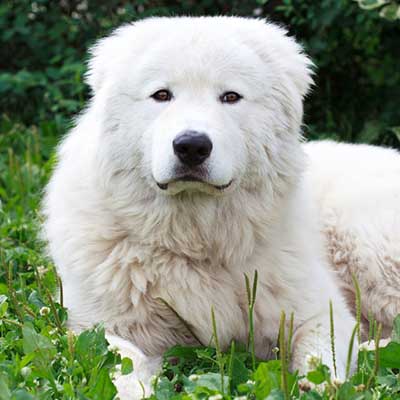
Maremma Sheepdog
The Maremma, akin to the Great Pyrenees from France and Spain and the Tatra from Poland, is part of a renowned lineage of sheepdogs recognized for their impressive stature and distinctive long white fur. Its name is derived from the Maremma and Abruzzo regions in Italy's Lazio and Tuscany, where this breed first emerged. For centuries, Maremmas have primarily served as guardians of sheep, and many of their characteristics stem from this enduring role. In a household environment, Maremmas are known for their affectionate and loyal nature, yet they possess a level of independence that distinguishes them from numerous other breeds. Having spent their lives alongside the flocks they protect, they require significant training and flourish under the leadership of a firm and consistent owner. However, their intelligence and independent tendencies can sometimes lead them to make their own decisions. These dogs are inherently watchful and often patrol their environment, thriving best in homes with large yards or open spaces, as long as the weather isn’t excessively hot. Regular physical activity and mentally engaging tasks are crucial for their overall health. Typically, Maremmas exhibit a calm temperament, barking only when necessary to alert their owners to potential threats or nearby predators. Their deep, resonant bark acts as a powerful deterrent. If not properly managed, they may become overly protective, but they generally avoid physical altercations unless absolutely required. Instead, they prefer to maintain a watchful presence and use their bark as a form of intimidation. With appropriate training and socialization, Maremmas can learn to be more at ease around unfamiliar people.
Read more