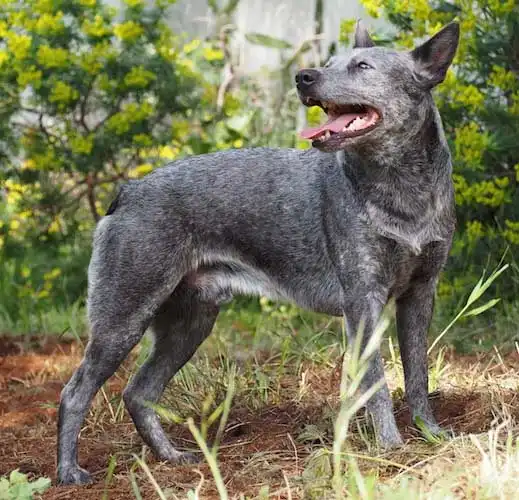
Stumpy Tail Cattle Dog
Stumpy Tail Cattle Dog, Stumpy, Stumpy Tail, Heeler
The Australian Stumpy Tail Cattle Dog is distinctive for its naturally short tail, which is never altered through docking. This breed exhibits remarkable herding instincts, adeptly guiding cattle as they are relocated. Renowned for their loyalty and courage, these dogs are also quite protective, often displaying caution around strangers approaching their home or livestock. Although closely related to the Australian Cattle Dog, the Stumpy Tail variety is noted for its lighter build and longer legs. To develop a reliable and hardworking companion for cattle herding, it is crucial to prioritize early socialization and training.
Breed Origin
The Dingo is thought to have arrived in Australia on Chinese ships. These dogs are believed to be domesticated descendants of wolves, eager to join their human partners on sea voyages. Indigenous Australians recognized the valuable role these wolf-like canines played in hunting. Over time, they became known as Dingoes. In 1788, British settlers landed in Australia to create a penal colony near Botany Bay, which would later be called Sydney. They brought with them sheep, cattle, and various herding dog breeds, including the Smithfield—a sturdy English herding dog characterized by its unique bobtail. The Smithfield was eventually crossbred with the Dingo, resulting in a dog well-suited for the vast and rugged Australian outback. These mixed-breed dogs were later bred with blue merle Collies, leading to the development of the Australian Stumpy Tail Cattle Dog. Despite its creation, the Australian Stumpy Tail Cattle Dog did not become widely favored among sheep herders, as its temperament was more aligned with managing larger livestock. The breed saw a notable decline in numbers during the mid-1980s. A dedicated group of enthusiasts came together to launch a new breeding initiative, which helped the population of Australian Stumpy Tail Cattle Dogs to recover somewhat, though it remains relatively rare. Outside of Australia, this breed is largely unfamiliar. The Australian Stumpy Tail Cattle Dog was officially recognized by the Australian National Kennel Club in 1988 and received acknowledgment from the United Kennel Club in 1996, despite its scarcity.
Breed Appearance
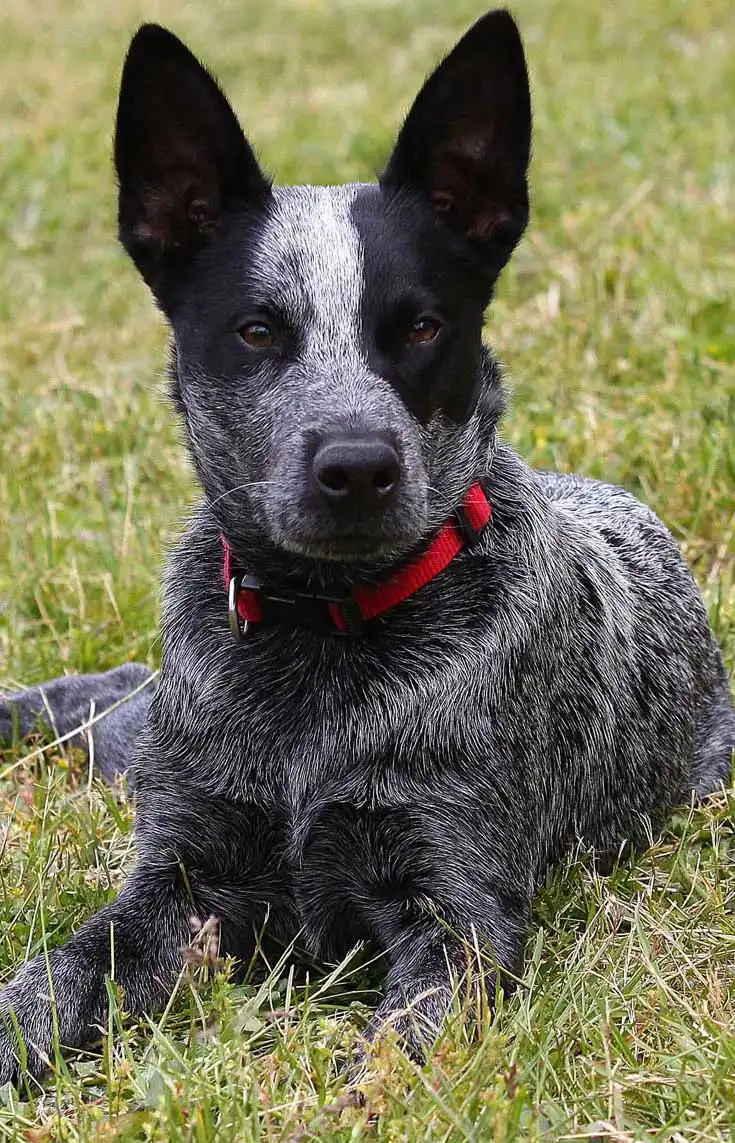
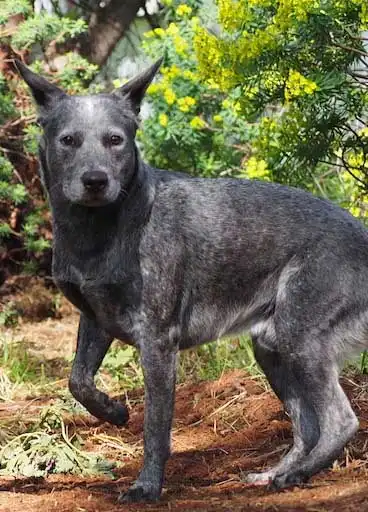
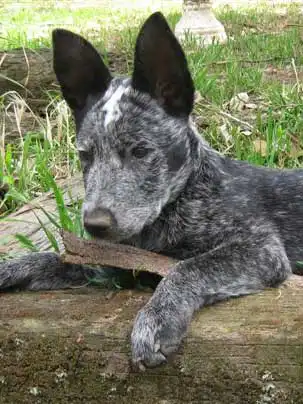
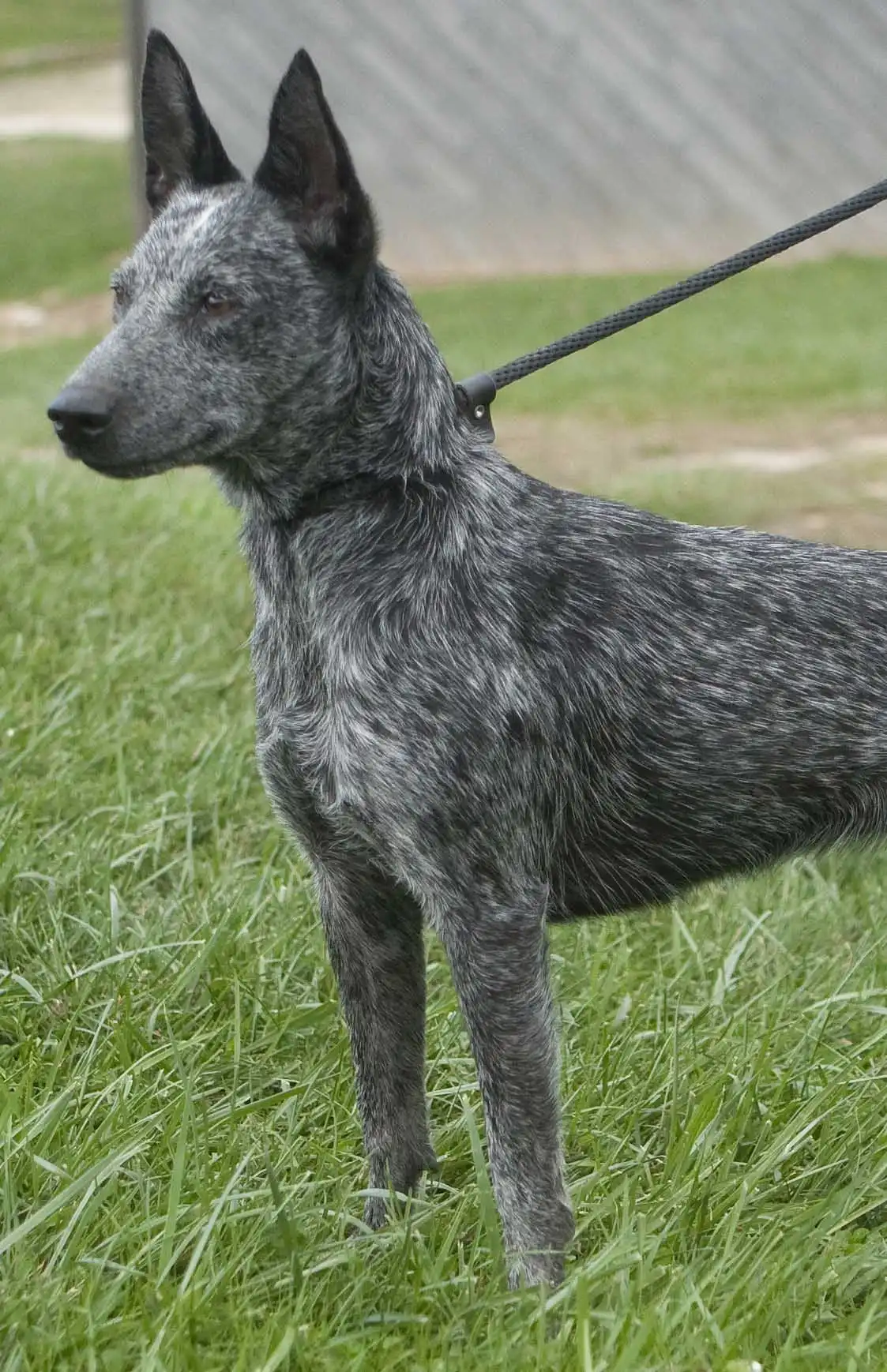
The Australian Stumpy Tail Cattle Dog has a somewhat slender build, featuring longer legs in comparison to its cousin, the Australian Cattle Dog. This breed's lightweight structure allows for agile movements and helps keep a herd closely organized when needed. It boasts a well-defined chest with strong muscles and a sturdy neck. The dog's medium-sized, oval-shaped eyes are dark brown, exuding an expression of keen intelligence and vigilance. Its ears are set wide apart, of medium size, and have a broad base that tapers to a point. While a self-colored nose is permissible, a black nose is preferred. A distinctive trait of this breed is its naturally short tail, or bobtail, which should never be docked. The coat of the Australian Stumpy Tail Cattle Dog is straight, dense, and has a harsh texture. The topcoat is medium-short and thick, while the undercoat is shorter, dense, and soft. This breed is primarily found in two colors: red and blue. The red coat should not display any blue hues and can be either red speckled or red mottled, often featuring red markings on the head. In contrast, the blue coat must not show any red and can appear as blue speckled or blue mottled, with the potential for black markings on the body or head.
Care Routine
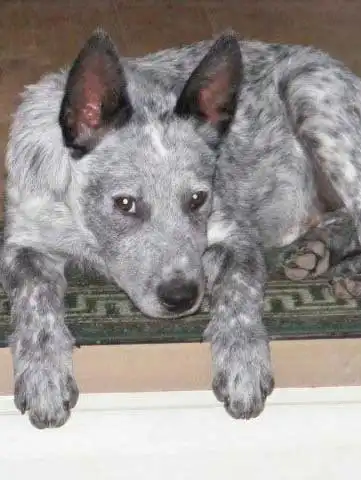
The Australian Stumpy Tail Cattle Dog features a coat that withstands various weather conditions and requires minimal maintenance to stay in optimal shape. To care for his coat, a weekly grooming session using a metal comb along with a bristle or slicker brush will effectively remove dead or loose hairs. During shedding seasons, which typically occur twice a year depending on the climate, you may need to increase grooming to once a day until the undercoat is completely shed, as he tends to shed in clumps similar to a Collie. Generally, he will only need a bath twice a year during these shedding periods, as bathing can help loosen the undercoat and speed up the shedding process. However, frequent bathing may cause skin irritation or change the texture of his coat. It’s also essential to clean his ears weekly, looking for any signs of irritation or redness that might suggest an infection. Additionally, his nails should be trimmed every few weeks to keep them neat and short.
Behavior & Temperament
The Australian Stumpy Tail Cattle Dog is an exceptionally active and alert herding breed. When given the right training, he transforms into a devoted companion and an outstanding herder. This breed thrives on having a job; without sufficient stimulation, he may develop destructive habits, which can make him difficult to handle. It is vital for his owner to exhibit strong leadership qualities to ensure effective training. Consistent direction will help him understand his role within the family dynamic. Given his high energy, the Australian Stumpy Tail Cattle Dog is not ideal for living in apartments or condos, as he needs plenty of space to roam. He can be cautious around unfamiliar people, so early socialization is essential. Regular walks and playtime in a yard are crucial for his well-being. Participating in dog sports can also be a fantastic way to enhance your relationship while providing the necessary exercise he craves.
Play & Exercise
The Australian Stumpy Tail Cattle Dog is a lively breed that needs plenty of room to run and play. It is not ideal for apartment living or small outdoor spaces, as it flourishes in areas where it can move about freely. A secure, fenced yard is crucial, particularly if the dog isn’t engaged in herding livestock, as it might stray into the neighborhood. With a pronounced herding instinct, this breed can become discontented and even destructive if it lacks a purpose. Engaging in herding trials can offer the essential physical exercise while also enhancing the connection between the dog and its owner.
Things to Know
Cups Per Day
2.5 Cups
Daily Activity
60 Minutes
Average Lifespan
12 Years
Origin
1900s
Type
Pure Breeds
Size
Medium
Origin Country
Australia
Brush Frequency
Weekly
Coat Texture
Straight
Register
Your kids have been begging for a pet forever, and you've recently decided that it's time for your family to get a new addition -- a dog! While everyone is excited for the new arrival, you're wondering if you need to have a dog license. How much does it cost? Is it required? Where do you get one?
Member Clubs

PETINNATE
Herding Dog

AKC
Foundation Stock Service

UKC
Herding Dog
Height & Weight
Weight
43 lbs (20 kg)Male: 43 lbs (20 kg) , Female: 43 lbs (20 kg)
Height
19 inches (48 sm)Male: 19 inches (48 sm) , Female: 18 inches (46 sm)
6 Months
21 lbs ( m 21 lbs, f 21 lbs )
14 inches ( m 14 inches, f 14 inches )
12 Months
35 lbs ( m 35 lbs, f 35 lbs )
17 inches ( m 17 inches, f 17 inches )
18 Months
43 lbs ( m 43 lbs, f 43 lbs )
18 inches ( m 18 inches, f 18 inches )
Eye Colors
Brown

Nose Colors
Blue
Black
Coat Colors
Blue
Red
Mixes
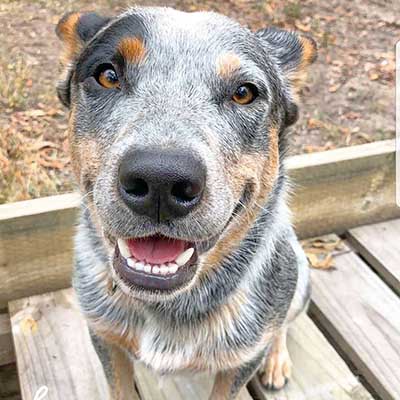
Stump Double Cattle Dog
The Stump Double Cattle Dog is a distinctive designer breed that emerges from the crossbreeding of two separate varieties of cattle dogs native to the Australian outback. While the well-known Australian Cattle Dog and the lesser-known Australian Stumpy Tail Cattle Dog exhibit similar physical traits and behaviors, they have developed independently and have different genetic lineages. Some Australian Cattle Dogs are born without tails due to a genetic mutation, which can be lethal for developing embryos if both parents carry this trait. In a similar vein, the gene that causes taillessness in the Australian Stumpy Tail Cattle Dog results in smaller litter sizes compared to other breeds, and this characteristic can be passed down to their offspring.
Read more