Pure Breeds
Browse a collection of Pure Breeds, including breed names, key traits, and origins. Whether you're interested in officially recognized purebreds or hybrid crossbreeds, this page helps you explore them all in one place.
A breed with a pure lineage, recognized by official breed standards.
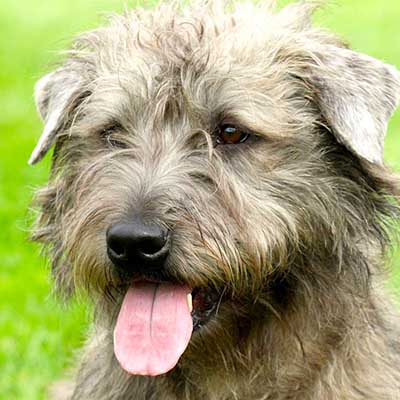
Glen of Imaal Terrier
The Glen of Imaal Terrier is frequently seen as a distinctively shaped small dog. With a sturdy physique and short legs, this breed usually reaches about 14 inches in height at the shoulder. Known for its lively personality, the Glen of Imaal Terrier is incredibly loving towards its family. Originally developed for hunting pests like vermin, badgers, and foxes, this breed has a natural tendency to dig and flourishes when given tasks to accomplish. While he makes a reliable watchdog, his bark can be surprisingly powerful for such a small dog. To manage his Terrier instincts and ensure a peaceful home environment, effective training is crucial.
Read more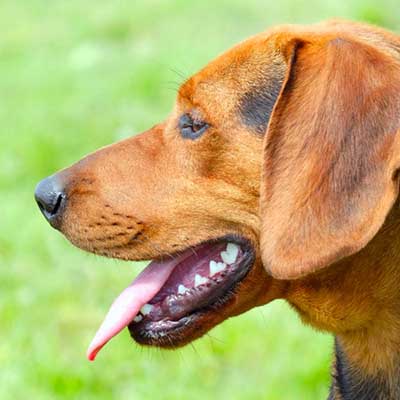
Serbian Hound
Vibrant in the field and affectionate at home, the Serbian Hound is renowned for its remarkable abilities as both a loyal companion and a skilled hunter. With a history that spans nearly a millennium, this breed has long been a favored choice among hunters in the Balkans, prized for its sharp sense of smell, endurance during hunts, and intelligence. While they are often employed in packs to track and capture larger game like deer and boar, they also thrive as solitary hunters, adept at pursuing smaller prey such as hares and foxes. Despite their strong hunting instincts, which ignite an almost limitless enthusiasm for the chase, Serbian Hounds exhibit a calm and loving demeanor in domestic settings. Their fierce loyalty, especially towards their trainers and families, can sometimes lead to challenges due to their high intelligence. Naturally sociable, they generally get along well with other dogs and are typically good with children; however, their strong prey drive may create difficulties in homes with non-canine pets. In summary, Serbian Hounds are exceptional companions, skillfully balancing their roles as hunters, protectors, and affectionate family members.
Read more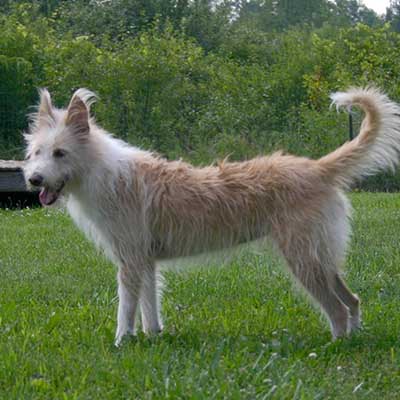
Podengo Portugueso
The Portuguese Podengo is a rare breed that closely resembles its relatives, such as the Pharaoh Hound, Cirneco dell'Etna, and Ibizan Hound. This energetic and joyful dog flourishes in social settings, ideally in a group or with at least one other dog. Renowned for its friendly nature, the Portuguese Podengo is also great with children. However, it's essential to have a high fence, as this breed is known for its remarkable jumping ability. The breed comes in three distinct sizes, with the Grande and Medio being quite similar; many registries do not differentiate between the two. In contrast, most organizations clearly distinguish the Portuguese Podengo from the smaller Portuguese Podengo Pequeno.
Read more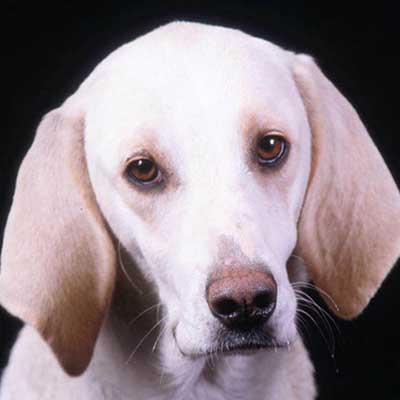
Billy
The Billy, known as the Chien de France-Comte, is a remarkable mix of several now-extinct French dog breeds. This elegant and sizable breed has a strong passion for hunting and tracking. Typically, they possess a well-behaved disposition, getting along fairly well with other dogs and showing a particular fondness for children. However, their amiable nature makes them less effective as guard or watchdogs. In the hunting field, they exhibit a lively spirit, marked by enthusiasm, endurance, and dedication. Unfortunately, their instinct to follow scents remains strong even at home; if allowed to roam off-leash, they may easily wander off in search of enticing smells. Billys often develop deep bonds with their owners, especially when trained by the same individual, leading to a lifelong loyalty. Although they are intelligent, training them can be quite challenging, necessitating an experienced handler to ensure a smooth process. While they are still used as hunting dogs in their native areas, this breed is considered rare and is more often employed for hunting rather than as typical family pets.
Read more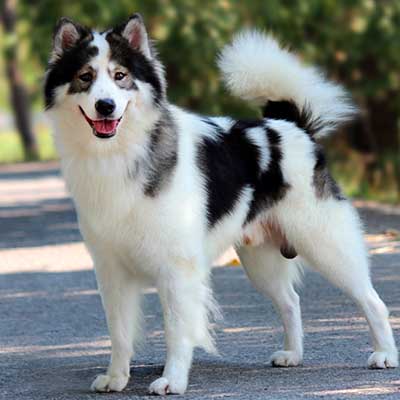
Thai Bangkaew
The Thai Bangkaew is a breed known for its cleverness and strong-willed nature, which can pose challenges for inexperienced dog owners who may find it difficult to manage. This breed has a history that spans over a hundred years, originating from a mix of the indigenous Thai domestic dog and the now-extinct Asiatic wild jackal. Although there is limited documentation about its development, it is generally accepted that the Thai Bangkaew emerged in the village of Bangkaew, located near the Bang Rakam District in central Thailand. It is also believed that the breed was initially cultivated at a monastery called Wat Bangkaew. In terms of appearance, the Thai Bangkaew shares similarities with the Spitz family, showcasing a double coat and a unique plume tail. While it tends to be cautious around unfamiliar people, this breed is incredibly devoted to its family and will protect them from any perceived dangers. Renowned for its intelligence and keen hunting abilities, the Thai Bangkaew requires relatively simple grooming, with regular brushing and daily exercise being crucial for its well-being.
Read more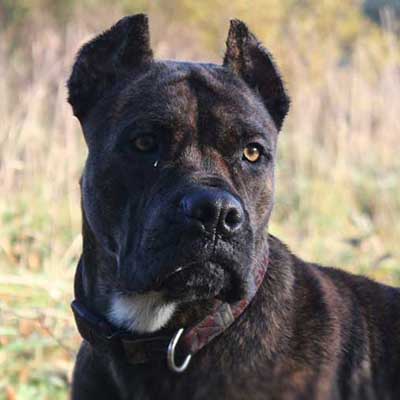
Alano Espanol
The Alano Espanol is a robust dog breed originating from Spain, initially bred for tasks like hunting, guarding, and herding. This breed is not ideal for inexperienced owners due to its size and strong-willed nature. Without proper training knowledge, managing them can be quite challenging. They thrive under the guidance of a confident leader in the home. However, with appropriate training, Alano Espanols can become deeply affectionate and loyal friends. It's important to be ready to invest considerable time each day in their care, as they are energetic dogs that need plenty of exercise.
Read more
Greater Swiss Mountain Dog
The Greater Swiss Mountain Dog, commonly known as the Swissy, is a gentle and affectionate breed that delights in making its owners happy. Although they are intelligent and can sometimes be a bit headstrong, their steadfast loyalty more than makes up for these tendencies. Generally, they are calm around children, other animals, and friendly guests, but they also make excellent watchdogs thanks to their sharp awareness. Originating from Switzerland, this breed has a rich history that dates back nearly 2,000 years, making it one of the oldest dog breeds in the country. Originally developed for herding, guarding, and draft work, the Greater Swiss Mountain Dog has transformed into a versatile companion, thriving in various activities such as competitive obedience, carting, tracking, and protection.
Read more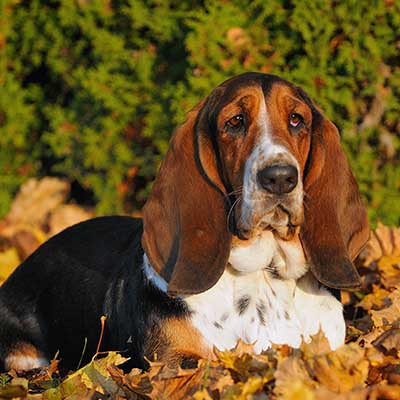
Chien d'Artois
Originating in the 15th century, the Chien d'Artois, or Artois Hound, is a breed rich in history, though it exists today in limited numbers. This breed holds a unique position in the canine world, being a descendant of the famous Bloodhound and likely an ancestor of the well-loved Beagle. However, unlike these two breeds, the Artois Hound has not achieved widespread recognition on an international scale. While it shares many physical and behavioral characteristics with both the Bloodhound and Beagle, the Artois Hound remains relatively rare outside of France. Nevertheless, its scarcity does not lessen its worth. Historically, this breed has been valued by royalty and respected by hunters for its remarkable abilities and temperament. Over the years, the Artois Hound has evolved from a hunting and tracking dog to a beloved companion, known for its friendly and affectionate nature. This shift seems to be ongoing, as the breed's popularity has been gradually rising in recent times.
Read more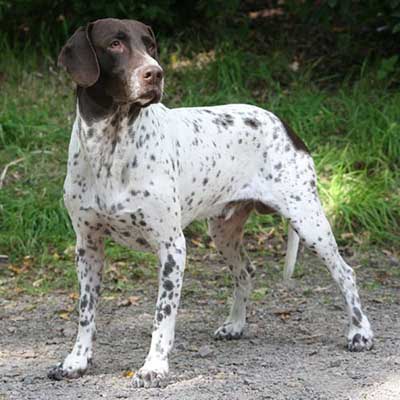
Old Danish Pointing Dog
The Old Danish Pointer is a medium-sized dog recognized for its unique white coat featuring brown patches. Although this breed is quite popular in Denmark, it is relatively unknown in many other regions. Known for its gentle temperament, the Old Danish Pointer displays impressive resolve and bravery. When out hunting, it maintains close contact with its owner, moving purposefully as it seeks out game. At home, this breed is a loyal friend, often seen unwinding after enjoying lengthy walks or playful sessions in the garden.
Read more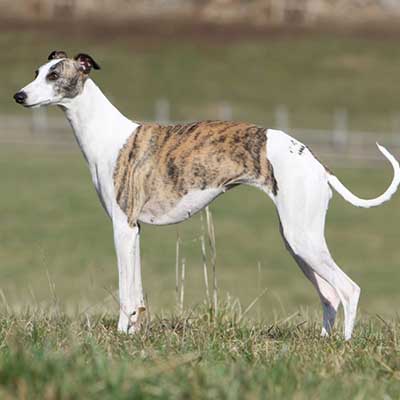
Whippet
The Whippet is a graceful breed that shares a close lineage with the Greyhound and hails from England. Originally developed for rabbit-luring competitions, these dogs later took part in rag races. With their slender build, Whippets are incredibly athletic and excel in a variety of canine sports, including agility, flyball, and lure coursing. They are known for their gentle nature, generally displaying good behavior around children and other dogs. However, it's important to exercise caution when they are around smaller pets, such as cats, as their instincts may lead them to see these animals as potential prey. Although they are vigilant and make good watchdogs, they do not possess the aggression needed to function as reliable guard dogs for your home.
Read more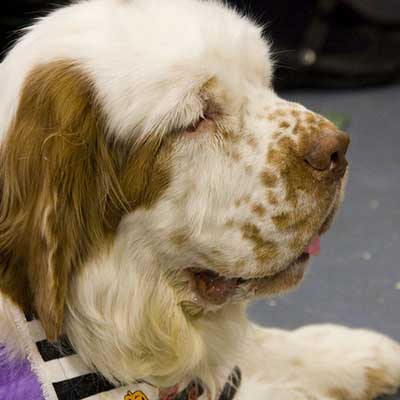
Clumber Spaniel
The Clumber Spaniel, which emerged in the 1700s, is celebrated as one of the oldest and sturdiest breeds within the Spaniel family. Its ancestry is believed to include the Alpine Spaniel, Basset Hound, and Saint Bernard. These dogs typically have a medium height but are characterized by their solid build. Renowned for their gentle and affectionate temperament, Clumber Spaniels often exhibit a playful and somewhat goofy personality. Although they may drool and shed, their intelligence and eagerness to learn make them delightful companions. Commonly known as the "retired gentleman’s Spaniel," they also excel as hunters. While they are generally easy to house train, it’s important not to leave them alone for long periods, as they can become bored and might chew on household items. With their short legs, large heads, and unique stature, Clumber Spaniels have a striking appearance.
Read more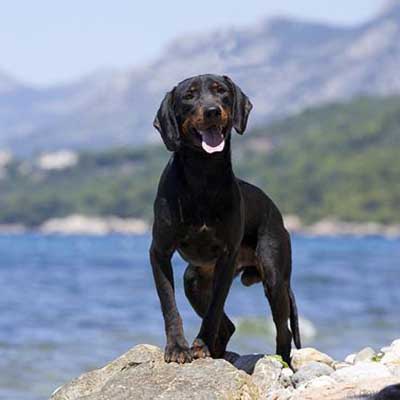
Montenegrin Mountain Hound
Similar to other scent hounds from the area, the Montenegrin Mountain Hound, previously known as the Black or Yugoslavian Mountain Hound, is recognized for its amiable nature and exceptional tracking abilities. These dogs are admired not only for their acute sense of smell but also for their sturdy build, remarkable endurance, steadfast determination, and generally well-rounded temperament. As their name suggests, they were specifically bred to traverse challenging mountainous terrains and have a rich history as dedicated hunters, pursuing small game like hares and foxes, as well as occasionally larger animals such as deer and wild boar, often in groups. Their characteristics are deeply intertwined with their historical functions, which enhance their friendly interactions with other dogs and their laid-back demeanor towards most people. Montenegrin Mountain Hounds develop strong attachments to their owners and families, showing considerable affection, especially towards those who train them. While they may not be the simplest dogs to train, they can be managed by experienced owners who provide consistent yet gentle instruction. In recent times, these hounds have shifted from being hunting partners to cherished family pets, largely due to their easygoing temperament that makes them relatively low-maintenance. However, they do present some challenges, including a high energy level that requires significant exercise and a strong prey drive, which can make them less suitable for homes with non-canine pets. Furthermore, their instinct to alert their owners to potential prey or excitement often results in barking, which may not be ideal for apartment living unless they are properly trained. An intriguing fact: the most famous representative of this breed is a rubber hand puppet named Triumph, the Insult Comic Dog, who appeared on Late Night with Conan O'Brien.
Read more