German Spaniel
Deutscher Wachtelhund
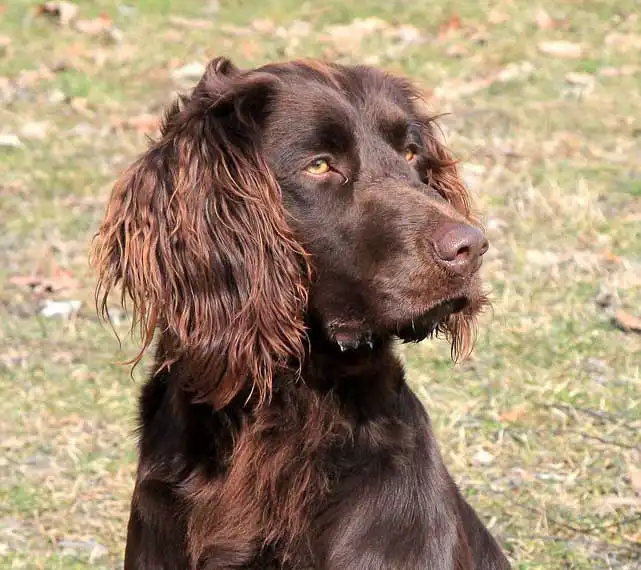
The German Spaniel is a sturdy, medium-sized breed recognized for its dual roles as a hunting companion and a family pet. Although it is relatively rare outside of Germany, it is quite popular among German hunters and gamekeepers. Typically, the German Spaniel is a friendly dog that generally gets along well with most individuals, although his high energy levels might be overwhelming for very young children. This breed can show some stubbornness, which means that a confident and assertive owner is important. To keep him engaged and curious, training should be dynamic and varied. Furthermore, having a securely fenced yard is crucial to prevent him from wandering off and hunting in the neighborhood.
Breed Origin
The German Spaniel is thought to have originated from the Stober Dog, a breed that traces its roots back to the 1600s, before the German Revolution. Initially bred by the aristocracy as a pointer, the Stober Dog also demonstrated remarkable skill in flushing out game. After the revolution, the general populace gained the right to own Stober Dogs, but they soon recognized the need for a more versatile hunting companion, as it was impractical to maintain several hunting breeds. This realization led to the creation of the German Spaniel. This breed is particularly distinguished for its adaptability as a gundog, excelling in flushing game from thick underbrush. It also serves as an exceptional bird dog, capable of being trained to retrieve small game gently. In 1900, the German Kennel Club assigned specialized breed clubs the responsibility of developing performance tests and standards for the German Spaniel. These clubs were also tasked with establishing and maintaining breed-specific pedigrees and performance records. The official breed club, Verein für Deutscher Wachtelhund, was established in 1903, and by 1908, performance tests were approved, with the breed standard being ratified by the club in 1910. Originally, there were eleven officially recognized German Spaniels, all of which can trace their lineage back to these foundational dogs—seven females and four males. Today, the majority of German Spaniels are owned by professional hunters and foresters, while the general public remains largely unaware of the breed, which is not typically kept as a family pet in Germany. The registration process for a German Spaniel with the German Spaniel Association’s breeding book is quite extensive. Only dogs that achieve this registration are eligible for breeding, and their offspring may also be registered. To qualify, owners must have their dogs undergo performance testing to verify their capability to fulfill their designated roles. All German Spaniels in Germany are required to complete juvenile hunt tests before they turn 18 months old. After passing these initial assessments, they must successfully complete three additional levels of performance evaluations before undertaking the final German versatile hunt test. Once a dog meets all the performance criteria established by the breed club, it can be officially registered in the German Spaniel Association’s breeding book.
Breed Appearance
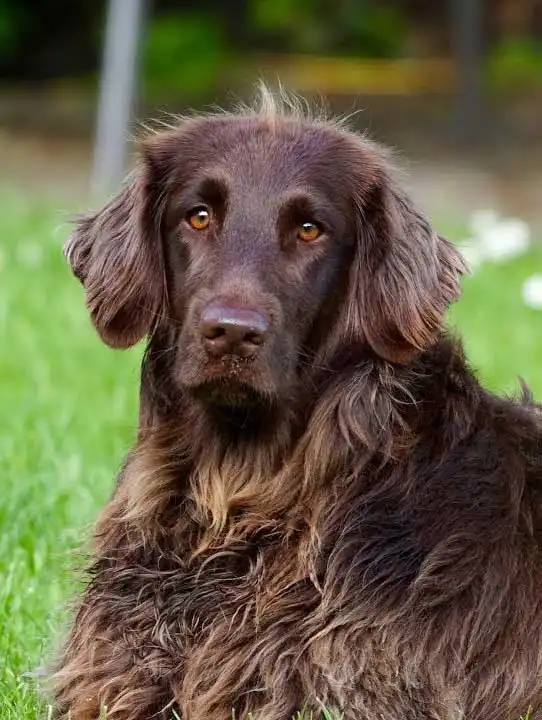
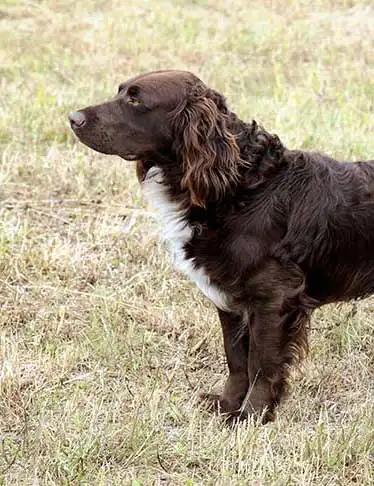
The German Spaniel is a sturdy, medium-sized breed known for its thick, wavy fur. With a robust skeletal structure and a solid physique, this dog excels at retrieving larger game, such as adult foxes and hares. Its ears are of moderate length, reaching about halfway to the nose. The breed's body is proportionately longer than it is tall, giving it a larger appearance compared to many other spaniels. The nose can be either black or brown, depending on the coat color, while its deep brown eyes reflect a sharp alertness. The head features a short, fine coat that transitions to longer hair on the rest of the body, with a somewhat coarse texture and a moderate undercoat that offers protection in thick brush. The ears, legs, and underbelly are well-feathered. German Spaniels are available in a range of colors, including fawn, liver, white, red, brown, and grey.

Care Routine
The German Spaniel is not classified as a hypoallergenic breed and requires consistent grooming to keep its coat in good condition. It is vital to brush the dog weekly, using a pin brush and a metal comb to carefully untangle any knots. A de-tangling spray can also be helpful in this process. Regularly trimming the hair between the toes is necessary to avoid the buildup of dirt and debris, which could result in lameness. Additionally, the ears should be checked weekly and cleaned as needed to prevent infections. Nail trimming should be performed every two to three weeks, based on the dog's individual requirements. Bathing should occur roughly every three months with a mild shampoo, although the dog may develop an odor that can be managed with dry shampoo in the interim. Due to the breed's tendency toward skin problems, it is advisable to consult your veterinarian for recommendations on the best shampoo for your German Spaniel. Furthermore, establishing a consistent dental care routine is essential for ensuring optimal oral health.
Behavior & Temperament
The German Spaniel is not only an exceptional hunting companion but is also gaining popularity as a beloved family pet. This breed thrives on play and enjoys spending time outdoors with its family. Generally, he gets along well with children he has grown up with, though he may initially be wary of unfamiliar kids. Once he feels at ease, he can be quite lively, which might be overwhelming for younger children. Known for his strong-willed nature, this dog needs a confident and assertive owner. Training should be a continuous and engaging experience, incorporating fun activities and exercises that promote positive behavior. When you cannot supervise him outdoors, it’s vital to keep him securely fenced, as he is a scent hound and may pursue enticing smells if given the opportunity. Without adequate training or if left alone for long periods, the German Spaniel may develop undesirable behaviors.


Play & Exercise
Things to Know
Cups Per Day
2.3 Cups
Daily Activity
60 Minutes
Average Lifespan
13 Years
Origin
1890
Type
Pure Breeds
Size
Medium
Origin Country
Germany
Brush Frequency
Weekly
Coat Texture
Wavy
Register
Your kids have been begging for a pet forever, and you've recently decided that it's time for your family to get a new addition -- a dog! While everyone is excited for the new arrival, you're wondering if you need to have a dog license. How much does it cost? Is it required? Where do you get one?
Member Clubs

PETINNATE
Other
Height & Weight
Weight
48 lbs (22 kg)Male: 48 lbs (22 kg) , Female: 48 lbs (22 kg)
Height
20 inches (51 sm)Male: 20 inches (51 sm) , Female: 19 inches (48 sm)
6 Months
21 lbs ( m 21 lbs, f 21 lbs )
16 inches ( m 16 inches, f 16 inches )
12 Months
37 lbs ( m 37 lbs, f 37 lbs )
17 inches ( m 17 inches, f 17 inches )
18 Months
47 lbs ( m 47 lbs, f 47 lbs )
19 inches ( m 19 inches, f 19 inches )
Eye Colors
Brown

Nose Colors
Black
Brown
Coat Colors
Brown
Red
Gray
White
Fawn