Basset Artesien Normand
Artesien Norman Basset, Basset Artesieno de Normandia, Basset Artésien Normand, Basset Norman, BAN
The Basset Artésien Normand is a smaller and lighter version of the more familiar Basset Hound, sharing some ancestry and a similar look. The Basset Hound itself was later mixed with the Bloodhound, resulting in a larger breed. Originating as a hunting dog that thrived in groups, these canines are known for their sociable and affectionate demeanor, making them great companions for children and generally friendly with other dogs. Their amiable nature makes them ideal family pets, as they are easygoing, loyal, and warm towards almost everyone. With their short legs, they don’t need extensive exercise, which allows them to adapt well to both apartments and larger homes. However, they can be quite stubborn, often influenced by their strong sense of smell or independent spirit, so training them requires a consistent and patient approach. Overall, they are considered highly adaptable dogs with excellent temperaments, fitting seamlessly into various family settings.
Breed Origin
The Basset Artésien Normands gained official recognition as a unique purebred breed in 1870. Their ancestry can be traced back to various short-legged dogs native to northern France, which evolved from a type of scent hound similar to the bloodhound. These dogs displayed achondroplasia dwarfism, giving them their characteristic short legs—a feature that hunters appreciated for keeping the dogs close and enabling them to maneuver through narrow spaces. From this original stock, two distinct lines developed: one with crooked front legs, known as the Normand, and another with straight front legs, referred to as the Chien d'Artois. Over time, interbreeding between these lines occurred to blend their traits, culminating in the breed's formal classification in 1924. While the Basset Artésien Normands were mainly bred for companionship, their relatives, the Basset Hounds, were crossbred with Bloodhounds, resulting in a larger stature and a more pronounced appearance. Historically, both breeds were employed in hunting rabbits and other small game, but in contemporary times, they are primarily raised as beloved pets.
Breed Appearance
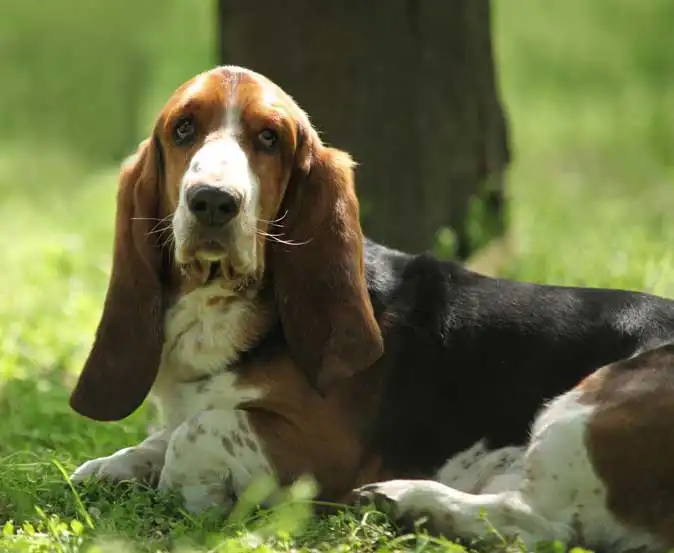
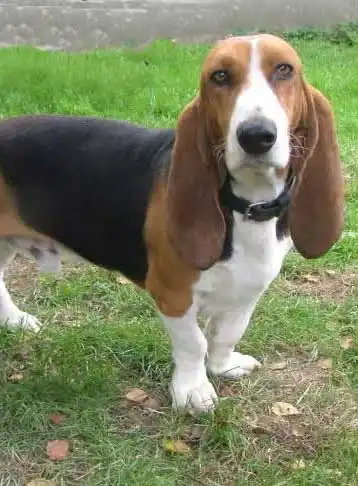
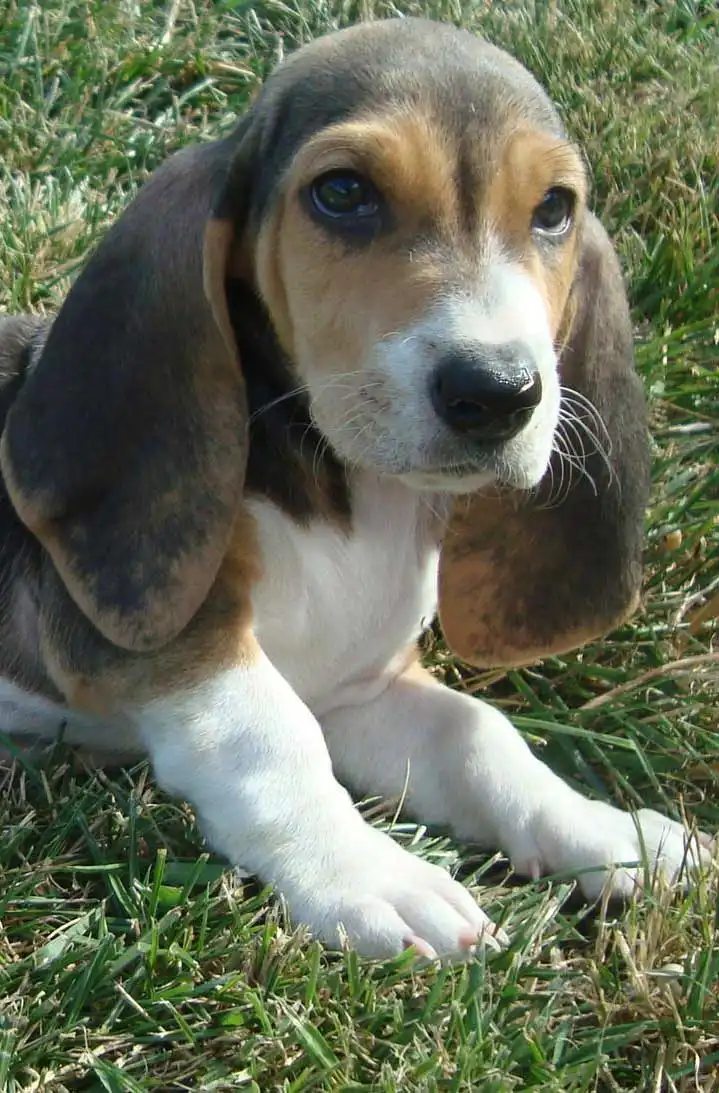
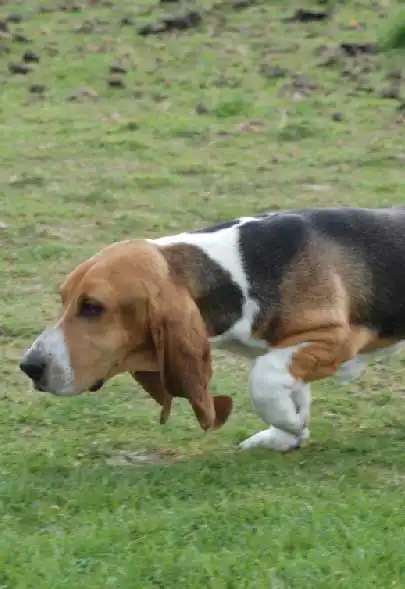
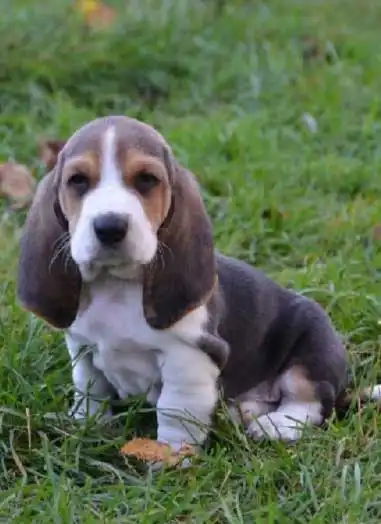
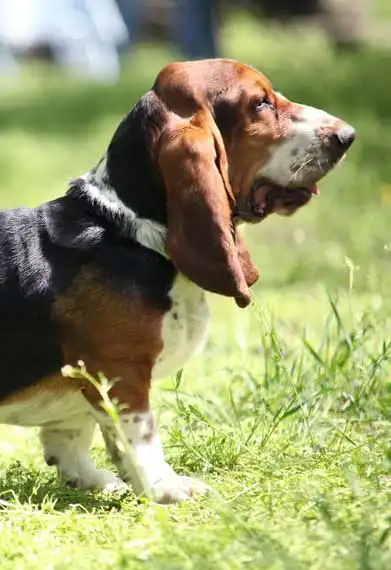
The Basset Artésien Normand is distinguished by its elongated physique, which is nearly twice its height of just over a foot and typically weighs around 40 pounds. Although it shares similarities with the more widely recognized Basset Hound, this breed is generally lighter and slightly smaller. Its head is particularly long, measuring twice its width, and features a rounded dome shape. The breed is characterized by prominent upper lips, smaller, tighter lower lips, a black nose, oval eyes, and large, drooping ears that extend beyond the head. They have longer necks, well-defined yet slightly bowed front legs, and relatively deep chests. Their tails are thick, tapering to a point with a gentle upward curve, and are held in a saber-like position when the dog is in motion. The coat is short and smooth, typically appearing in a tricolor pattern of black, white, and tan, or in fawn and white.
Care Routine
Basset Artésien Normands are quite low-maintenance when it comes to grooming, needing just a couple of weekly brushings with a slicker brush to keep their coats in good condition. They do shed moderately, so if you allow them on your furniture, you might find some fur left behind; therefore, regular vacuuming is recommended to keep your living space clean. Baths should only be given when they get into something dirty, as their coats naturally hold oils and usually have a mild scent. Because these dogs have lower energy levels, their nails don’t wear down as quickly as those of more active breeds, making it essential to regularly check and trim them to prevent cracking or breaking. Furthermore, to ensure their dental health, it’s important to brush their teeth at least once a week.
Behavior & Temperament
The Basset Artésien Normands are known for their easygoing and amiable nature. Their instinct to form packs fosters a sociable, affectionate, and adaptable personality, enabling them to coexist harmoniously with other dogs, children, and even unfamiliar people. Nevertheless, their strong hunting instincts can sometimes divert their attention, as they are easily tempted by interesting scents, which may impact their obedience. Although they can exhibit a degree of stubbornness, building a trusting bond with a consistent and assertive owner can greatly improve their training outcomes. Once they have been properly trained, these dogs typically display loyalty and obedience. Furthermore, they have low exercise needs and are generally not easily frustrated, making them a low-maintenance option for a variety of families and living situations.
Play & Exercise
Basset Artésien Normands generally possess a low to moderate energy level. They relish playtime, enjoy daily walks, and appreciate some extra activity at home, but they don’t require an excessive amount of exercise to remain happy. This relatively modest exercise need can sometimes cause owners to misjudge their requirements, as these dogs are quite easygoing and will contentedly lounge with the family, which can lead to weight gain. Typically, a daily walk of around a mile or 30 to 45 minutes of exercise is enough to keep them satisfied, and they will usually indicate when they are ready to rest. In addition to physical activity, they also need mental stimulation. Their inherent hunting instincts may prompt them to wander, so it’s crucial to provide mental challenges through games or other engaging activities to ensure they maintain good behavior.
Things to Know
Cups Per Day
2.0 Cups
Daily Activity
30 Minutes
Average Lifespan
14 Years
Origin
1870
Type
Pure Breeds
Size
Medium
Origin Country
France
Brush Frequency
Weekly
Coat Texture
Straight
Register
Your kids have been begging for a pet forever, and you've recently decided that it's time for your family to get a new addition -- a dog! While everyone is excited for the new arrival, you're wondering if you need to have a dog license. How much does it cost? Is it required? Where do you get one?
Member Clubs

PETINNATE
Scenthound

UKC
Scenthound
Height & Weight
Weight
39 lbs (18 kg)Male: 39 lbs (18 kg) , Female: 39 lbs (18 kg)
Height
13 inches (33 sm)Male: 13 inches (33 sm) , Female: 13 inches (33 sm)
6 Months
27 lbs ( m 27 lbs, f 27 lbs )
9 inches ( m 9 inches, f 9 inches )
12 Months
33 lbs ( m 33 lbs, f 33 lbs )
11 inches ( m 11 inches, f 11 inches )
18 Months
38 lbs ( m 38 lbs, f 38 lbs )
13 inches ( m 13 inches, f 13 inches )
Eye Colors
Brown

Nose Colors
Black
Coat Colors
Fawn
White
Black