German Spitz
Victorian Pomeranian, Spitz Klein, Mittel Spitz, Toy Deutscher, Standard Deutscher, Giant Deutscher Gross Spitz, Deutscher Spitz, German Wolfspitz
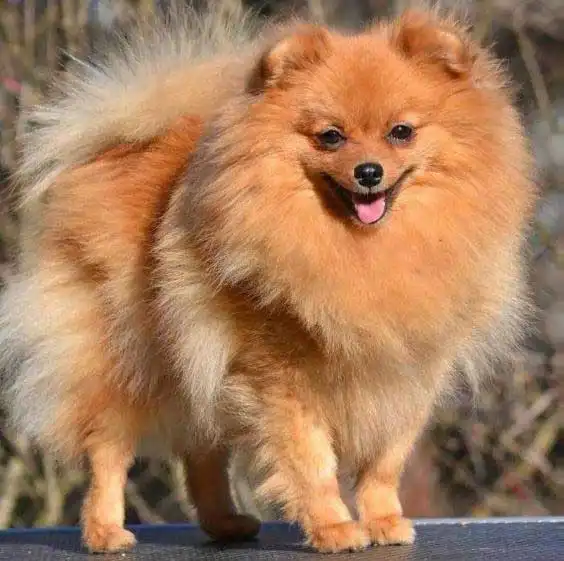
The German Spitz, while reminiscent of a larger Pomeranian, is a distinct breed with its own identity. It is available in two sizes: klein (small) and mittel (medium). These dogs are characterized by their playful, loyal, and sometimes mischievous demeanor, and they can become quite vocal if they do not receive enough mental and physical stimulation. To keep them entertained, it is important to provide a variety of toys and engage them in activities. Furthermore, due to their strong instinct to chase, they may not be suitable companions for smaller dogs or pets like cats, birds, ferrets, and hamsters. The breed's history is thought to date back to the early Stone Age, where they were valued as both hunters and companions.
Breed Origin
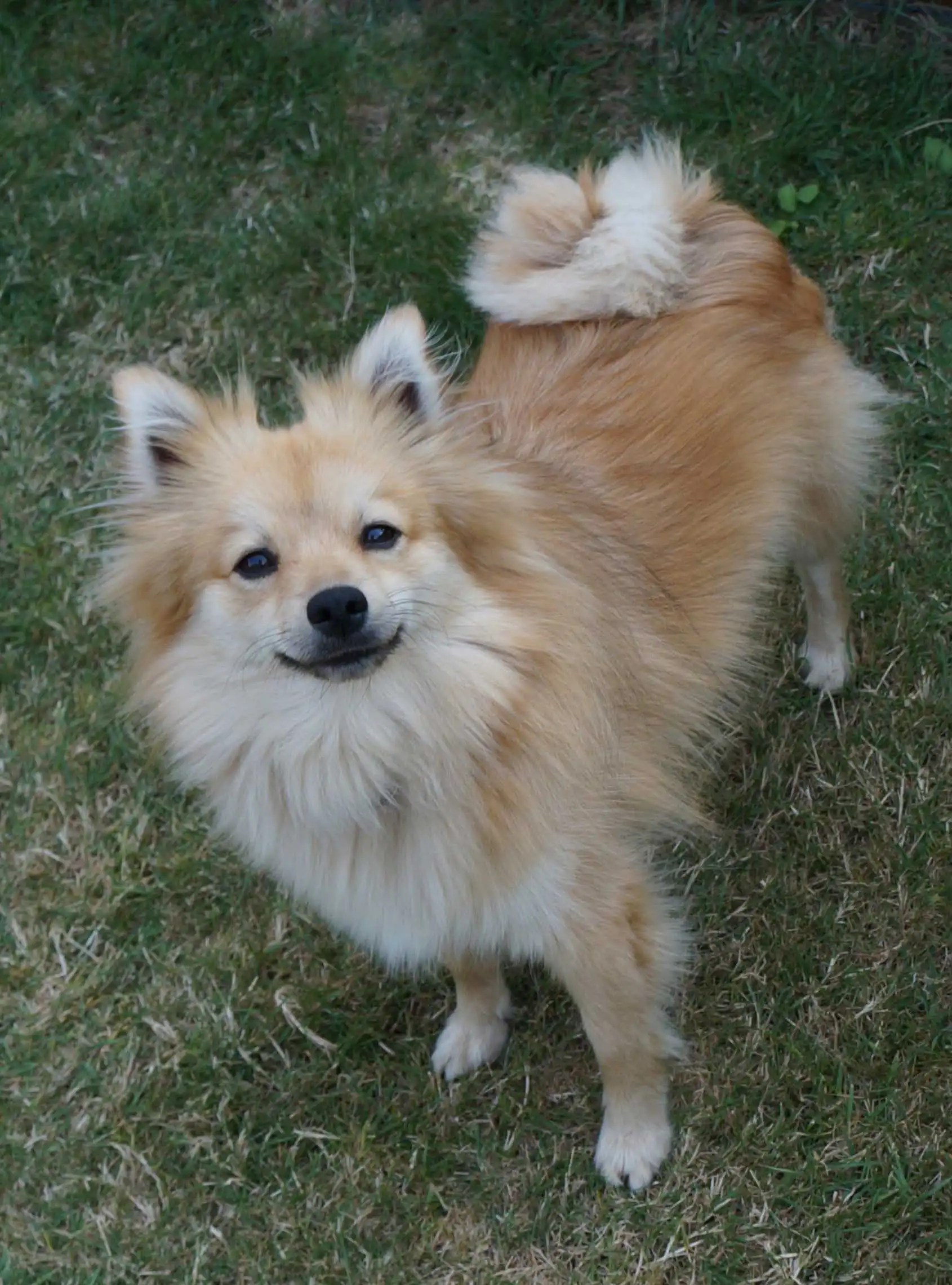
The German Spitz is thought to have emerged in Pomerania during the early Stone Age, an area that now includes parts of present-day Germany and Poland. Historical records dating back to around 1450 mention this breed, emphasizing their roles as brave guardians of homes and farmland. Beyond their protective functions, German Spitz dogs were also employed for hunting and valued as loyal companions. By the 18th century, the breed had gained favor among royalty. When George I, who married a German woman, hosted guests from Germany at the English court, they frequently brought their German Spitz dogs along. However, there is no evidence that either George I or his wife owned any of these dogs. In contrast, Queen Charlotte, the spouse of George III, is said to have had several German Spitz, each weighing between 20 and 30 pounds. After experiencing a notable decline in popularity following World War I, the breed saw a revival in the 1970s. Today, the German Spitz is quite popular in Germany, Australia, and Great Britain, although it remains relatively rare in the United States. While the American Kennel Club (AKC) has not yet granted official recognition to the breed, it has included the German Spitz in its Foundation Stock Service registry, which is a preliminary step toward formal acknowledgment. On the other hand, the United Kennel Club (UKC) has recognized the German Spitz as a distinct breed since 2006, categorizing it into two varieties: the klein (small) and the mittel (medium).
Breed Appearance
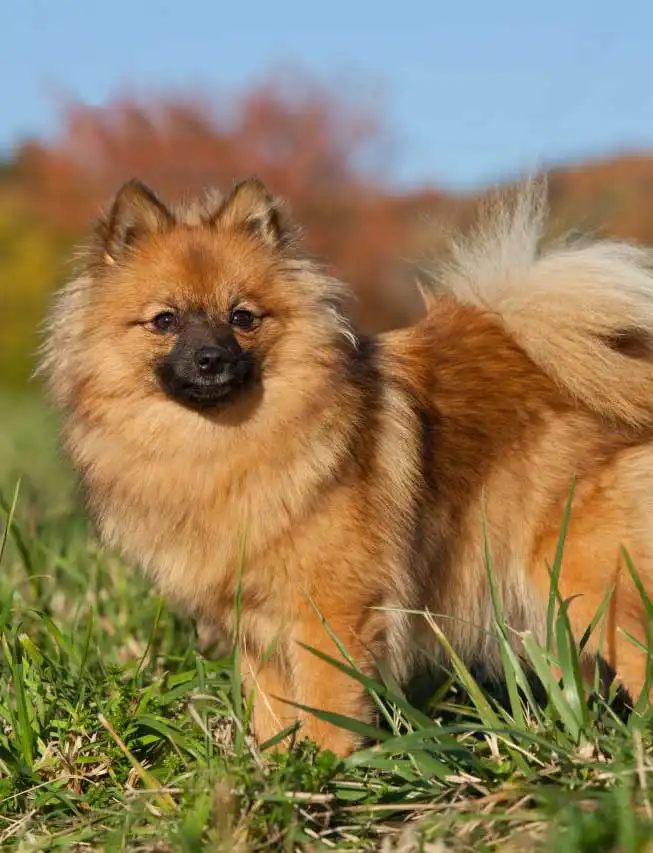
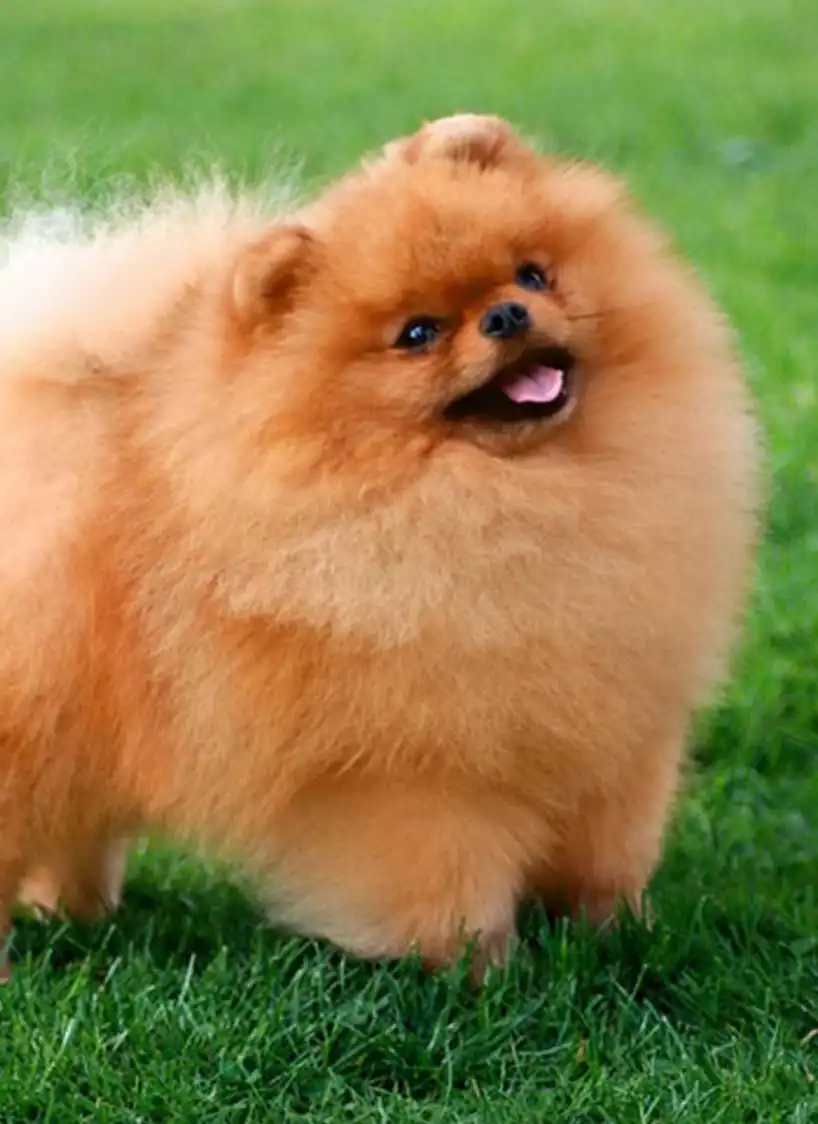
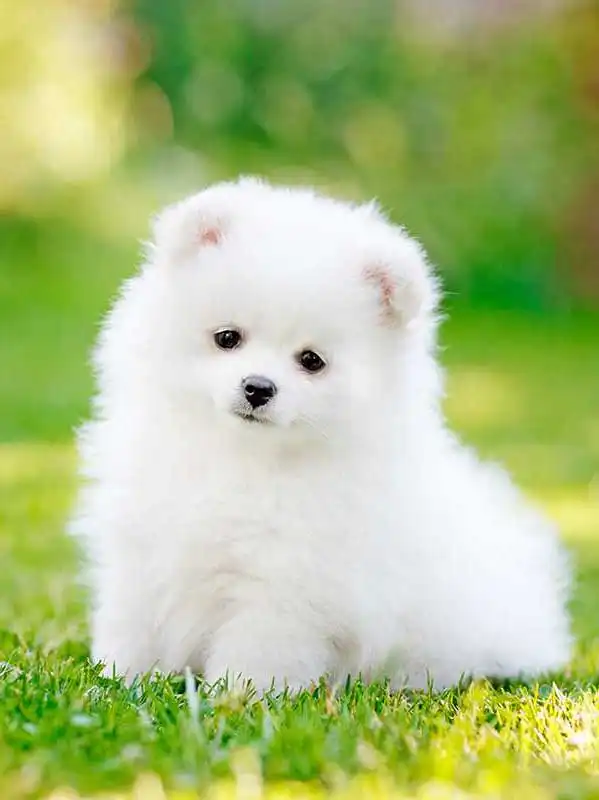
The German Spitz is known for its medium-length coat, which comes in a diverse array of colors such as black, white, cream, orange, sable, gold, blue, and brown. These colors can manifest on a white background, creating a parti-colored effect, or they may be presented in a bi-colored format, like black and tan. This breed is divided into two categories: the klein (small) and the mittel (medium). With a sturdy build, the German Spitz showcases a unique spitz or fox-like head and a tail that gracefully arches over its back. Its coat is dense and of medium length, featuring shorter, plush fur on the head. The ears are small, triangular, and stand upright, while the dark, expressive eyes reflect a keen sense of curiosity. Despite its small stature, the German Spitz possesses a solid physique and should never appear fragile or delicate.
Care Routine
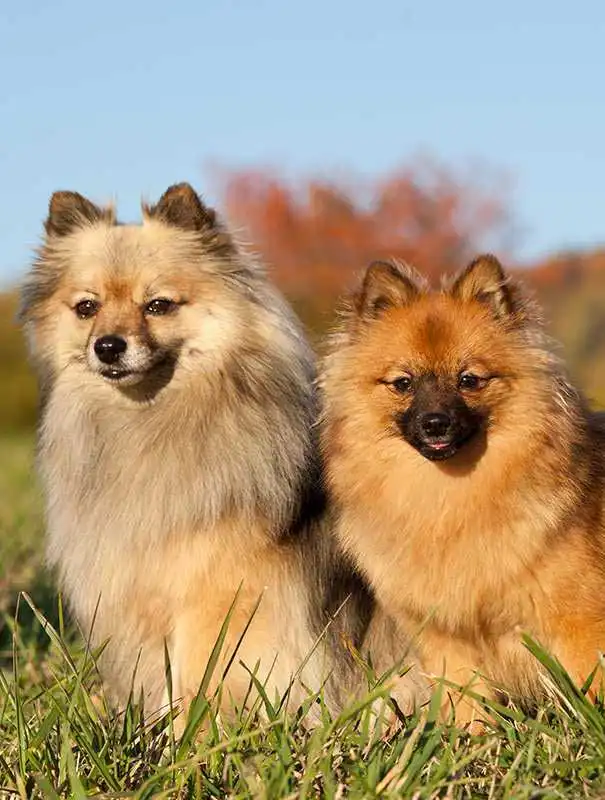
The German Spitz is characterized by its double-layered coat, which results in the shedding of its undercoat twice a year. The undercoat is soft and woolly, while the outer layer is long and somewhat coarse. This breed boasts particularly thick fur around the chest and neck, and its tail is notably bushy. In contrast, the hair on the face and head is shorter and plush. To maintain their coat, regular grooming is crucial—ideally several times a week—to remove dirt, debris, and loose fur. Fine hairs can easily adhere to furniture and clothing, making the use of a shedding glove daily advantageous, while a lint roller is essential for keeping your items tidy. For effective grooming, a pin brush combined with a sturdy steel comb is recommended. Pay close attention to any tangles that may form where the legs connect to the body, and carefully work them out with the comb. Additionally, nails should be trimmed every few weeks, ears should be cleaned weekly, and regular tooth brushing is important to prevent dental problems.
Behavior & Temperament
The German Spitz is a lively and spirited breed recognized for its independent disposition. Known for their sharp intelligence, many owners appreciate the breed's charming sense of humor. However, those who are not familiar with this breed might find it somewhat difficult to handle. To train a German Spitz successfully, it’s vital to keep training sessions dynamic and fun; otherwise, his stubborn nature may cause him to ignore commands in favor of his own preferences. Moreover, if he becomes bored, he may develop a habit of excessive barking, making it essential to provide a range of toys and assign him various tasks throughout the day. This breed has a strong instinct to chase, which can lead to pursuing smaller animals like birds, hamsters, ferrets, guinea pigs, and even cats. While a German Spitz can coexist peacefully with cats if they are raised together, introducing an adult Spitz to a cat may trigger aggressive tendencies. To ensure that a German Spitz matures into a well-rounded adult, early socialization is key. Although he may initially be cautious around strangers, he usually becomes friendly once guests spend some time in his environment.
Play & Exercise
Things to Know
Cups Per Day
2.2 Cups
Daily Activity
45 Minutes
Average Lifespan
15 Years
Origin
1400s
Type
Pure Breeds
Size
Small
Origin Country
Germany
Brush Frequency
Daily
Coat Texture
Straight
Register
Your kids have been begging for a pet forever, and you've recently decided that it's time for your family to get a new addition -- a dog! While everyone is excited for the new arrival, you're wondering if you need to have a dog license. How much does it cost? Is it required? Where do you get one?
Member Clubs

PETINNATE
Northern Breed

AKC
Foundation Stock Service

UKC
Northern Breed
Height & Weight
Weight
15 lbs (7 kg)Male: 15 lbs (7 kg) , Female: 15 lbs (7 kg)
Height
11 inches (28 sm)Male: 11 inches (28 sm) , Female: 11 inches (28 sm)
6 Months
8 lbs ( m 8 lbs, f 8 lbs )
8 inches ( m 8 inches, f 8 inches )
12 Months
12 lbs ( m 12 lbs, f 12 lbs )
10 inches ( m 10 inches, f 10 inches )
18 Months
15 lbs ( m 15 lbs, f 15 lbs )
10 inches ( m 10 inches, f 10 inches )
Eye Colors
Brown

Nose Colors
Black
Coat Colors
Black

White
Cream
Brown
Red