Koolie
Australian Koolie, German Koolie
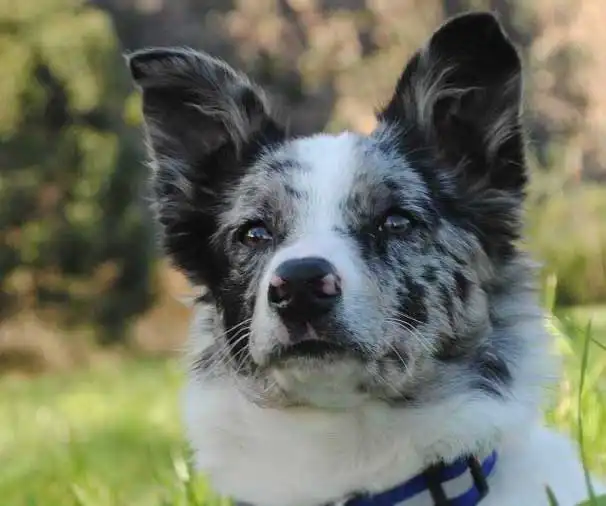
The Koolie is an energetic, medium-sized herding breed that originated in Australia in the 19th century. It has significantly influenced the development of both the Australian Cattle Dog and the Australian Kelpie. Renowned for their exceptional drive and strong work ethic, Koolies excel at herding a diverse range of animals, from ducks to cattle, and are also adept at managing other pets and even people. While many Koolies traditionally exhibit merle coat patterns, concerns about the link between this coloration and congenital blindness or deafness have led to a rising preference for solid-colored dogs. Although their inherent friendliness may reduce their effectiveness as guard dogs, their sharp intelligence and vigilance make them excellent watchdogs.
Breed Origin
The comprehensive history of the Koolie has largely diminished over the years, mainly due to a lack of thorough documentation. The most widely accepted theory posits that their ancestors were German or European herding dogs that came to Australia with their owners, eventually mating with local wild dingoes. Several breeds have been suggested as part of the Koolie's ancestry, including blue merle Smooth Coated Collies, Black and Tan Collies, Welsh Collies, and possibly a herding breed known as the German Tiger, though these claims lack definitive proof. Regardless of the exact breeds involved, the mingling with dingoes resulted in a new lineage featuring a shorter, single-layer coat better suited to Australia’s warmer environment. This breed became well-known in its homeland for its remarkable herding skills, excelling in various tasks such as casting, driving, blocking, and even backing—where the dog jumps onto the backs of the livestock it is managing. This unique technique contributed to the evolution of other Australian working breeds, including the Australian Cattle Dog and the Australian Kelpie. There is some contention surrounding the origin of the name "Koolie"; some believe it is derived from a German pronunciation of "Collie," while others argue it refers to "Coolie," a derogatory term for immigrants in Australia. Although the Koolie is highly regarded throughout Australia, it remains primarily a working dog, and until recently, breeding records have been quite sparse. As a result, the breed's diversity has prevented the establishment of a formal breed standard.
Breed Appearance
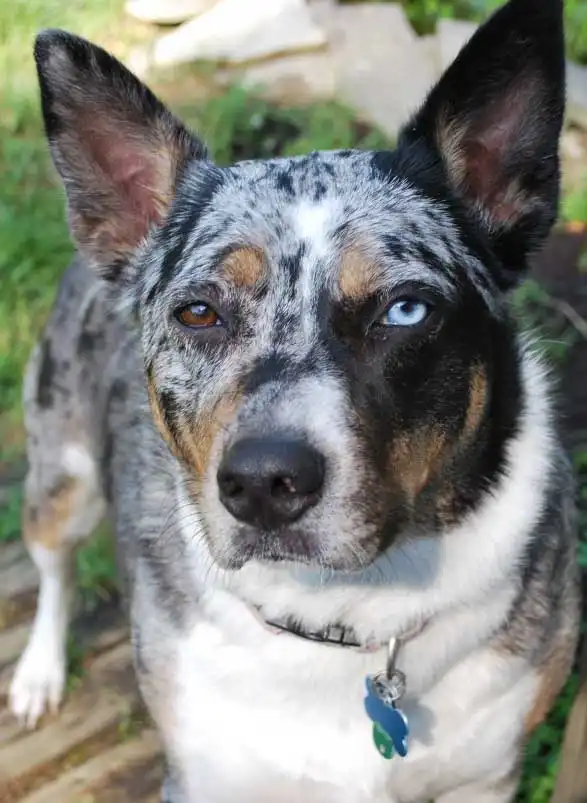
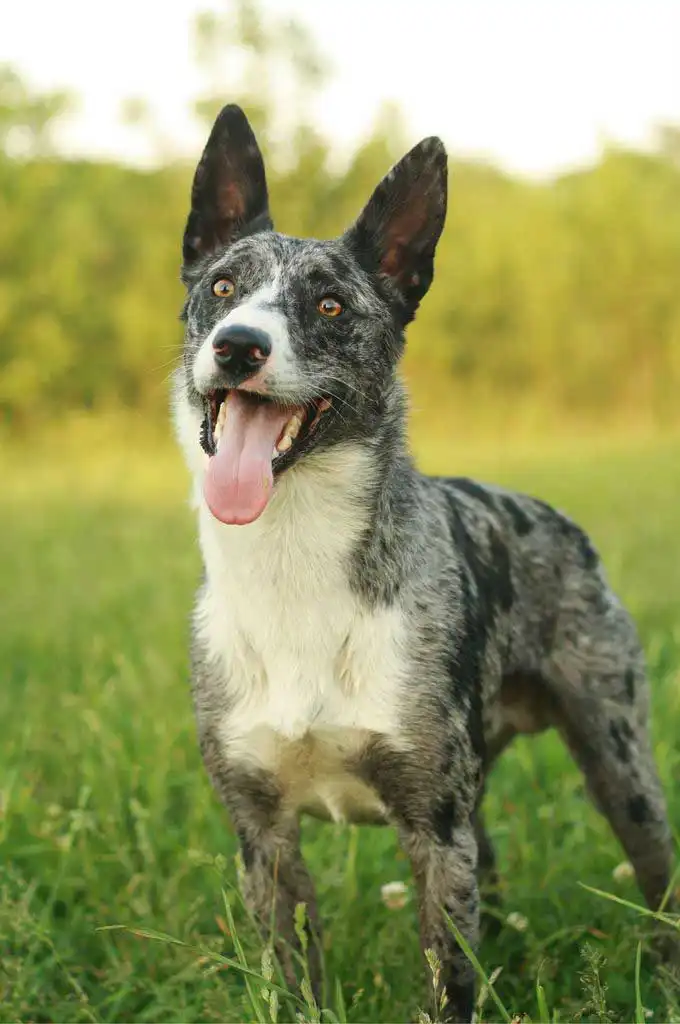
The Koolie breed was primarily developed for their outstanding herding skills and ability to be trained, rather than for their appearance, which has led to a wider variety within the breed compared to many others. Typically, these dogs are athletic and nimble, with a body that is slightly longer than it is tall. However, Koolies from New South Wales are often shorter and more robust, as they were specifically bred to navigate through gullies and dense brush while driving cattle, whereas those from northern areas were more frequently utilized for long-distance herding. Koolies have well-proportioned heads with almond-shaped eyes and muzzles that are balanced and slightly tapered. Their eye colors can range from blue to brown, and some may even display a mix of both. The medium-length triangular ears are generally held erect, though some individuals may have ears that fold forward or lie flat against their heads. Traditionally, many Koolies showcased merle patterns, color dilution, and blue eyes; however, breeders are now more cautious about these characteristics due to their links to increased risks of blindness and deafness.

Care Routine
The Koolie breed is characterized by two distinct coat types: a short, single-layer coat and a longer, double-layer coat. Despite the differences in length, their grooming requirements remain largely the same. Bathing should be infrequent, as over-washing can strip away the natural oils that help maintain their resistance to water and weather. Both coat types shed moderately and should be brushed one to three times a week using a slicker brush, a stiff bristle brush, or a rubber curry comb. For those with longer coats, a comb may also be necessary. During seasonal transitions, double-coated Koolies may experience increased shedding and will benefit from additional brushing sessions. Furthermore, it is essential to brush their teeth three times a week and trim their nails on a monthly basis.
Behavior & Temperament
This breed is remarkably dedicated and hardworking, yet they also have a playful side that shines during family time. They are known for their strong loyalty and commitment to their loved ones. While it's important to monitor their interactions with children, they typically display a great deal of patience with both kids and adults. Although they are vigilant and will bark to alert you to nearby visitors, their friendly nature means they are not usually effective as guard dogs. They generally get along well with people and other pets, although their lively demeanor and strong herding instincts may not suit everyone. Like many herding breeds, they are high-energy and intelligent, requiring plenty of exercise and mental stimulation, and they flourish when given responsibilities. Beyond herding, their cheerful and sociable temperament makes them ideal for therapy work, and their ability to learn and remember a variety of commands positions them as excellent candidates for various performance activities.


Play & Exercise
It’s important to highlight that this breed is known for its abundant energy, sharp intelligence, and inquisitive nature. If they don’t receive enough physical exercise and mental stimulation, they may resort to finding their own ways to expend energy, leading to behaviors that could be somewhat bothersome or even quite damaging. To ensure their happiness and well-being, they need a consistent daily regimen of intense activity lasting one to two hours. For individuals without livestock to care for, regular walks and runs can be enhanced with engaging activities such as advanced obedience training, agility courses, or even freestyle dog dancing.
Things to Know
Cups Per Day
2.5 Cups
Daily Activity
90 Minutes
Average Lifespan
16 Years
Origin
1800s
Type
Pure Breeds
Size
Medium
Origin Country
Australia
Brush Frequency
Weekly
Coat Texture
Straight
Register
Your kids have been begging for a pet forever, and you've recently decided that it's time for your family to get a new addition -- a dog! While everyone is excited for the new arrival, you're wondering if you need to have a dog license. How much does it cost? Is it required? Where do you get one?
Member Clubs

PETINNATE
Other
Height & Weight
Weight
43 lbs (20 kg)Male: 43 lbs (20 kg) , Female: 43 lbs (20 kg)
Height
18 inches (46 sm)Male: 18 inches (46 sm) , Female: 18 inches (46 sm)
6 Months
30 lbs ( m 30 lbs, f 30 lbs )
15 inches ( m 15 inches, f 15 inches )
12 Months
39 lbs ( m 39 lbs, f 39 lbs )
17 inches ( m 17 inches, f 17 inches )
18 Months
43 lbs ( m 43 lbs, f 43 lbs )
18 inches ( m 18 inches, f 18 inches )
Eye Colors
Blue

Hazel
Brown
Amber
Nose Colors
Blue
Black
Brown
Isabella
Coat Colors
Blue
Red
Brown
Black