Pure Breeds
Browse a collection of Pure Breeds, including breed names, key traits, and origins. Whether you're interested in officially recognized purebreds or hybrid crossbreeds, this page helps you explore them all in one place.
A breed with a pure lineage, recognized by official breed standards.
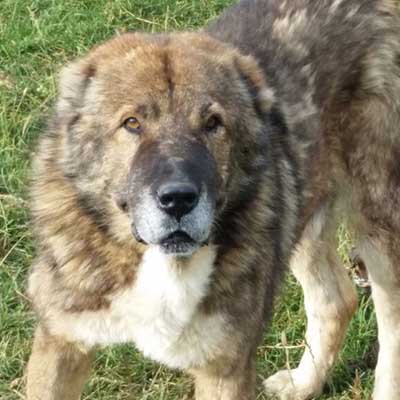
Armenian Gampr
The Armenian Gampr is a large to giant landrace breed that hails from the Armenian Highlands, where it has historically acted as a protector of livestock for millennia. Renowned for their innate guarding instincts, these dogs are gentle with both livestock and family members, regardless of age. However, they are typically more serious and reserved than many other breeds, displaying minimal interest in playtime. Although they possess intelligence, courage, and a generally calm demeanor, they often find it challenging to coexist with other animals unless they receive thorough socialization. Importantly, the Armenian Gampr is a notably sturdy breed, with a lifespan that tends to exceed that of most dogs of comparable size.
Read more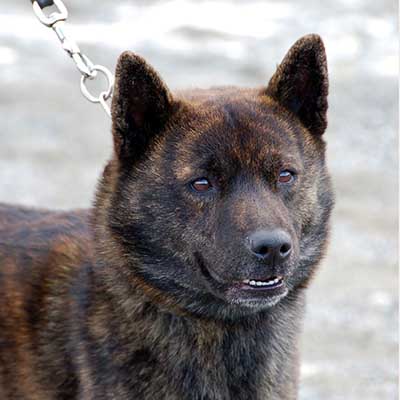
Kai
The Kai Ken was largely isolated from the outside world for a significant time, mainly due to the geographical features of its homeland—an island surrounded by mountains. Its reputation began to grow with the introduction of firearms and the rise in popularity of big game hunting. Known for its remarkable hunting skills, this breed is adept at climbing trees to pursue its prey. Although it was not initially bred as a companion animal, the Kai Ken became a beloved pet in many American homes following its introduction to the United States. The breed did not gain official recognition in Japan until 1934 and is still regarded as rare today. While the United Kennel Club recognized the Kai Ken in 1997, it has not yet been acknowledged by the American Kennel Club.
Read more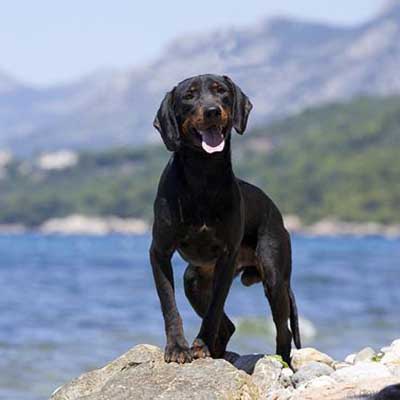
Montenegrin Mountain Hound
Similar to other scent hounds from the area, the Montenegrin Mountain Hound, previously known as the Black or Yugoslavian Mountain Hound, is recognized for its amiable nature and exceptional tracking abilities. These dogs are admired not only for their acute sense of smell but also for their sturdy build, remarkable endurance, steadfast determination, and generally well-rounded temperament. As their name suggests, they were specifically bred to traverse challenging mountainous terrains and have a rich history as dedicated hunters, pursuing small game like hares and foxes, as well as occasionally larger animals such as deer and wild boar, often in groups. Their characteristics are deeply intertwined with their historical functions, which enhance their friendly interactions with other dogs and their laid-back demeanor towards most people. Montenegrin Mountain Hounds develop strong attachments to their owners and families, showing considerable affection, especially towards those who train them. While they may not be the simplest dogs to train, they can be managed by experienced owners who provide consistent yet gentle instruction. In recent times, these hounds have shifted from being hunting partners to cherished family pets, largely due to their easygoing temperament that makes them relatively low-maintenance. However, they do present some challenges, including a high energy level that requires significant exercise and a strong prey drive, which can make them less suitable for homes with non-canine pets. Furthermore, their instinct to alert their owners to potential prey or excitement often results in barking, which may not be ideal for apartment living unless they are properly trained. An intriguing fact: the most famous representative of this breed is a rubber hand puppet named Triumph, the Insult Comic Dog, who appeared on Late Night with Conan O'Brien.
Read more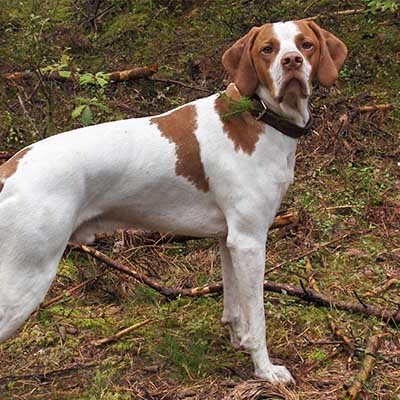
Braque Saint Germain
The Braque Saint Germain, originally developed as a sporting dog from a blend of English and French pointers, has become increasingly popular in the show ring thanks to its graceful appearance and well-rounded personality. Beyond its show dog status, this breed excels as a hunting partner, showcasing exceptional awareness, strong tracking skills, and a gentle mouth for retrieving game, which contributes to their ease of training. In a home environment, Braque Saint Germains are characterized by their relaxed, friendly, and affectionate demeanor, often expressing their affection through enthusiastic face-licking. Bred to hunt in groups, they are naturally sociable and typically get along well with strangers, other dogs, and children. However, without proper training and socialization, their instinct to chase may be triggered by non-canine animals. Moreover, they can function as decent watchdogs, promptly notifying their owners of new arrivals. However, they are not considered effective protectors, as they tend to bark without displaying aggression. Their energetic puppies can be quite a handful, particularly in homes with infants or toddlers due to their lively antics. Overall, the Braque Saint Germain's balanced temperament and impressive abilities make it an excellent choice for hunting, companionship, or competition in the show ring.
Read more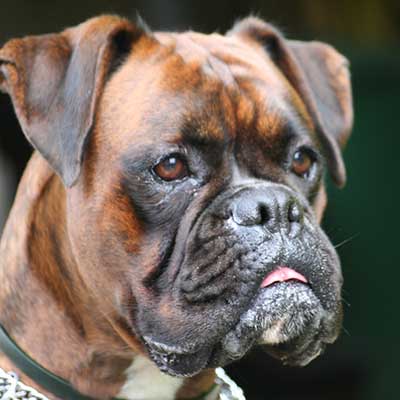
Boxer
The Boxer breed traces its roots back to Germany in the early 19th century, where it was originally developed for use as a bait and fighting dog, as well as a loyal guardian. Its strong, muscular, and agile build made it ideal for these roles until the prohibition of bull baiting and dog fighting. Since then, the Boxer has gained immense popularity around the globe, renowned for its loyalty, playful nature, and high energy, which make it an excellent family pet. Furthermore, Boxers are recognized for their self-grooming tendencies, resulting in relatively low grooming needs. However, it is crucial to provide them with sufficient mental and physical stimulation; without it, they may exhibit undesirable behaviors.
Read more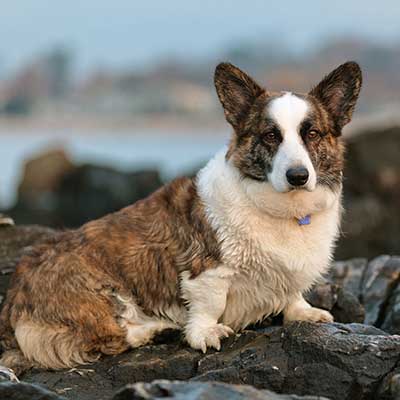
Cardigan Welsh Corgi
These delightful dogs are full of vitality and smarts, always ready to share their love. The Cardigan Welsh Corgi is related to the Dachshund, which likely explains their unique combination of long and short body features. Originally, they had floppy ears, but through selective breeding, they now typically have the upright ears that define the breed. While their initial purpose was to herd cattle, they have also become wonderful companions. With a vibrant personality packed into a compact size, the Cardigan is a playful and engaging pet. He thrives on interaction with his family and radiates happiness, making him a fantastic choice for homes with children. Originating from Wales, the Cardigan Welsh Corgi is endearingly known as the “yard-long dog” and was historically used for herding cattle, safeguarding farms, and controlling pests. Although he may occasionally exhibit herding behaviors, the Cardigan is now primarily recognized in dog shows and cherished as a family pet.
Read more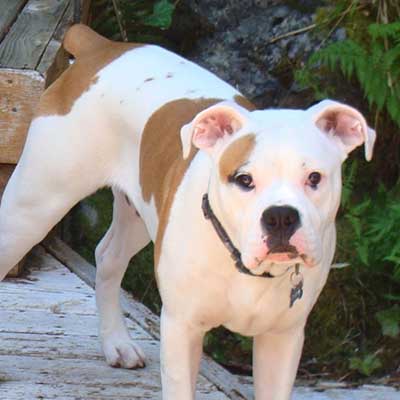
Valley Bulldog
Tucked away in the picturesque Annapolis Valley of Nova Scotia is the delightful Valley Bulldog, a compact and charming breed. This dog originated from the crossbreeding of a Boxer and an English Bulldog, resulting in a sturdy, small canine that is typically healthy with few significant health issues. Although they shed moderately and don’t need frequent grooming, there are specific care practices that are important for their well-being. Valley Bulldogs are friendly and tend to get along well with both people and other dogs, regardless of age. However, because they have a propensity to gain weight, it’s crucial to ensure they engage in regular exercise and physical activity to keep them healthy.
Read more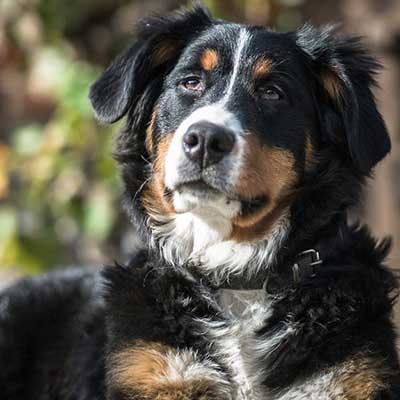
Bernese Mountain Dog
The Bernese Mountain Dog, commonly known as the Berner, is one of the four ancient breeds classified as Swiss Sennenhunds. What sets the Berner apart is its luxurious, flowing coat and exceptional temperament. Its ancestry likely stems from a combination of the farming dogs indigenous to the Swiss Alps and the Molosser, a type of Mastiff brought to the region by the Romans around the first century B.C. This rich heritage is reflected in the Berner's large head, gentle nature, remarkable strength, and strong work ethic. Traditionally, Bernese Mountain Dogs were invaluable farm assistants, responsible for herding livestock, pulling carts, and protecting homesteads. In contemporary times, they are primarily valued as beloved family pets. Known for their friendliness towards children and their ability to be trained, they do have a strong need for family interaction, which can pose challenges if they are left alone for extended periods. In terms of appearance, the Bernese Mountain Dog is a large breed characterized by its striking tri-colored coat. They possess prominent heads and substantial paws, which require regular grooming to control shedding. Bringing a Berner puppy into your home demands a considerable commitment and effort. However, with consistent training, patience, and dedication, you can nurture a loyal and hardworking companion that will greatly enhance your life.
Read more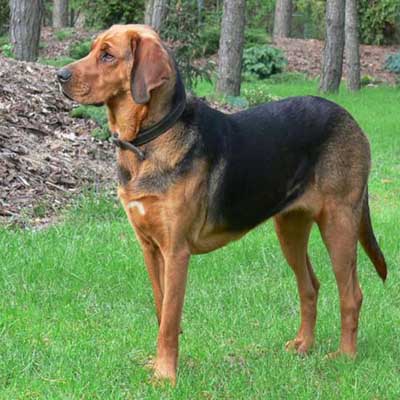
Ogar Polski
Initially developed as a hunting breed, the Ogar Polski is known for its gentle and intelligent nature. These dogs are wonderful companions, thriving in the company of children and other pets. Their loyalty often translates into a protective instinct, making them reliable guardians. With an outstanding sense of smell, they are adept at noticing anything unusual. Although they are not aggressive, they do carry a serious demeanor. To maintain their health and happiness, regular walks are crucial due to their strong hunting instincts. While they thrive in rural settings, they can adapt to urban life if provided with a secure yard for exploration. However, living in an apartment may pose challenges, as they need ample space to stay stimulated and can become quite vocal when feeling anxious. The Ogar Polski is also very trainable, showing a keen desire to please and quickly learning new commands with minimal repetition. With their striking looks, affectionate disposition, playful nature, and excellent temperament, the Ogar Polski makes a fantastic choice for both companionship and work.
Read more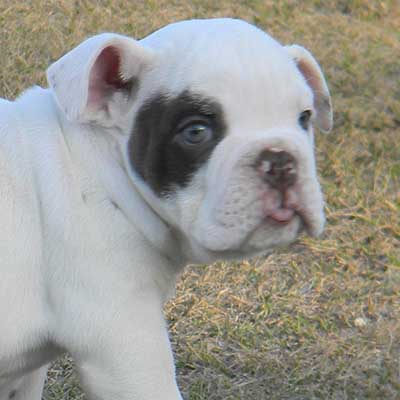
Altman White English Bulldog
The Altman White English Bulldog is a recently developed breed, named after its creator, Ray Altman. This breed seeks to bring back the Old English White Bulldog, which was prevalent in the southern United States in the 1800s. By crossing the traditional English Bulldog with White English Bulldogs, Altman and his team of breeders have crafted a sociable and loyal breed that features improved athleticism, increased stamina, better health, and an enhanced capacity to adapt to different environmental conditions.
Read more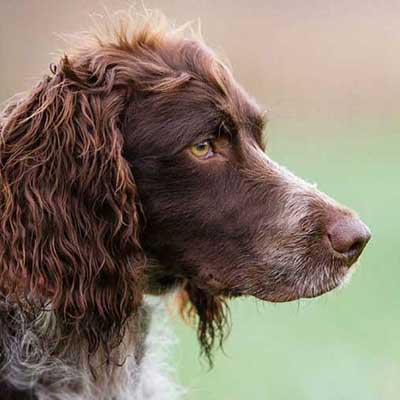
Pont-Audemer Spaniel
The Pont-Audemer Spaniel is a breed on the brink of extinction, facing significant threats to its survival. Affectionately known as "Le petit clown des marais," or "the little clown of the marshes," this breed is cherished for its lively personality and joyful nature. They are particularly noted for their outstanding hunting skills in wetland areas, where they surpass other Spaniels in effectiveness. While they are gentle and loving companions, making them excellent family pets, they are also sturdy and resilient, able to withstand challenging weather conditions. These dogs flourish in active settings, eagerly embracing opportunities to explore the outdoors. Although they ideally need a spacious living environment, they can adjust to apartment life as long as they receive sufficient outdoor exercise—at least two outings daily for play and running to keep them happy. Known for their gentle demeanor with children, they bring a sense of calm to the home. Despite their graceful appearance, this noble breed is unfortunately seeing a decline in population, primarily because hunters tend to prefer more versatile breeds over specialized ones like the Pont-Audemer, which excels in hunting ducks and waterfowl.
Read more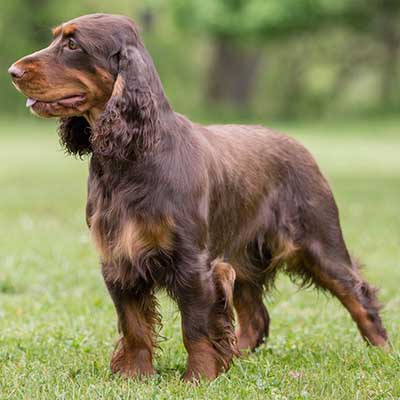
Field Spaniel
The Field Spaniel is a medium-sized dog recognized for its gentle nature and energetic spirit. Initially bred as a hunting companion, this breed gained traction in competitive dog shows during the 19th century. It descended from land Spaniels, diverging from breeds such as the Cocker Spaniel, English Water Spaniel, and Sussex Spaniel. Regrettably, early breeding efforts focused on specific traits nearly pushed the breed to the brink of extinction in the 20th century. Although Field Spaniels do not need specialized grooming, they thrive with weekly brushing to remove dead and loose fur. Additionally, like many Spaniels, they may experience issues with bad breath, which can be alleviated through regular brushing with dental products designed for dogs.
Read more