Arubian Cunucu
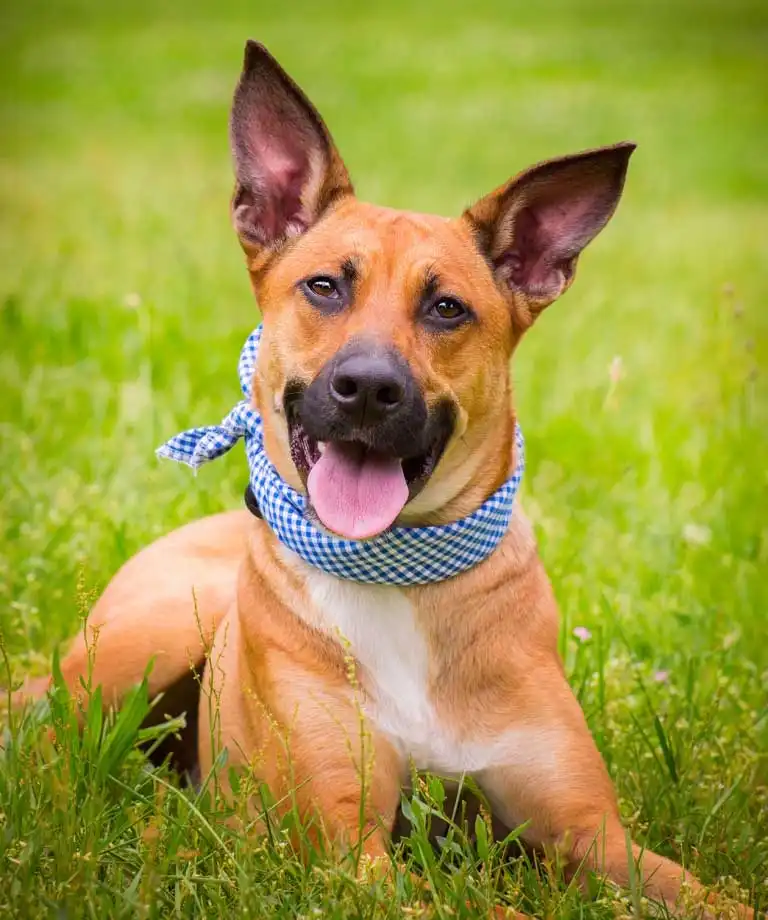
The Arubian Cunucu is a breed of pariah dog indigenous to Aruba, a Caribbean island. While it is not officially recognized as a separate breed by any kennel club or organization, it is cherished by the local community. These dogs are lively and nimble sighthounds, thought to have historically hunted alongside the Arawak people. Individuals who choose to bring a Cunucu into their homes often discover that they are loyal, trainable, and tolerant companions, although they may exhibit some neediness. This trait is evident in both puppies adopted from shelters and adult dogs rescued from the streets.
Breed Origin
The Arubian Cunucu is categorized as a pariah dog, which means that although they are not completely wild—having originated from domesticated breeds—they often wander freely around the outskirts of towns and villages. These dogs are primarily feral, lacking controlled breeding practices; however, certain groups have developed enough shared characteristics to be identified as a distinct breed. The name "Cunucu," which translates to countryside, signifies their natural habitat. It is believed that these dogs are descendants of Iberian Hounds or Portuguese Podengos brought to the islands by the Portuguese in the sixteenth century, who later interbred with local dog populations. Historically, the Arawak people employed Cunucu dogs for hunting in the challenging terrain, particularly for capturing large iguanas, and may have selectively bred them for their hunting skills. While the Arubian Cunucu has not yet received official recognition as a separate breed from any kennel club or organization, they are well-known among both locals and tourists in Aruba, showcasing a distinctive appearance and temperament. Interestingly, Laika, the first dog to journey into space, was a stray discovered in Russia, and although her exact ancestry is unclear, many enthusiasts speculate that she might have a connection to the Arubian Cunucu.
Breed Appearance
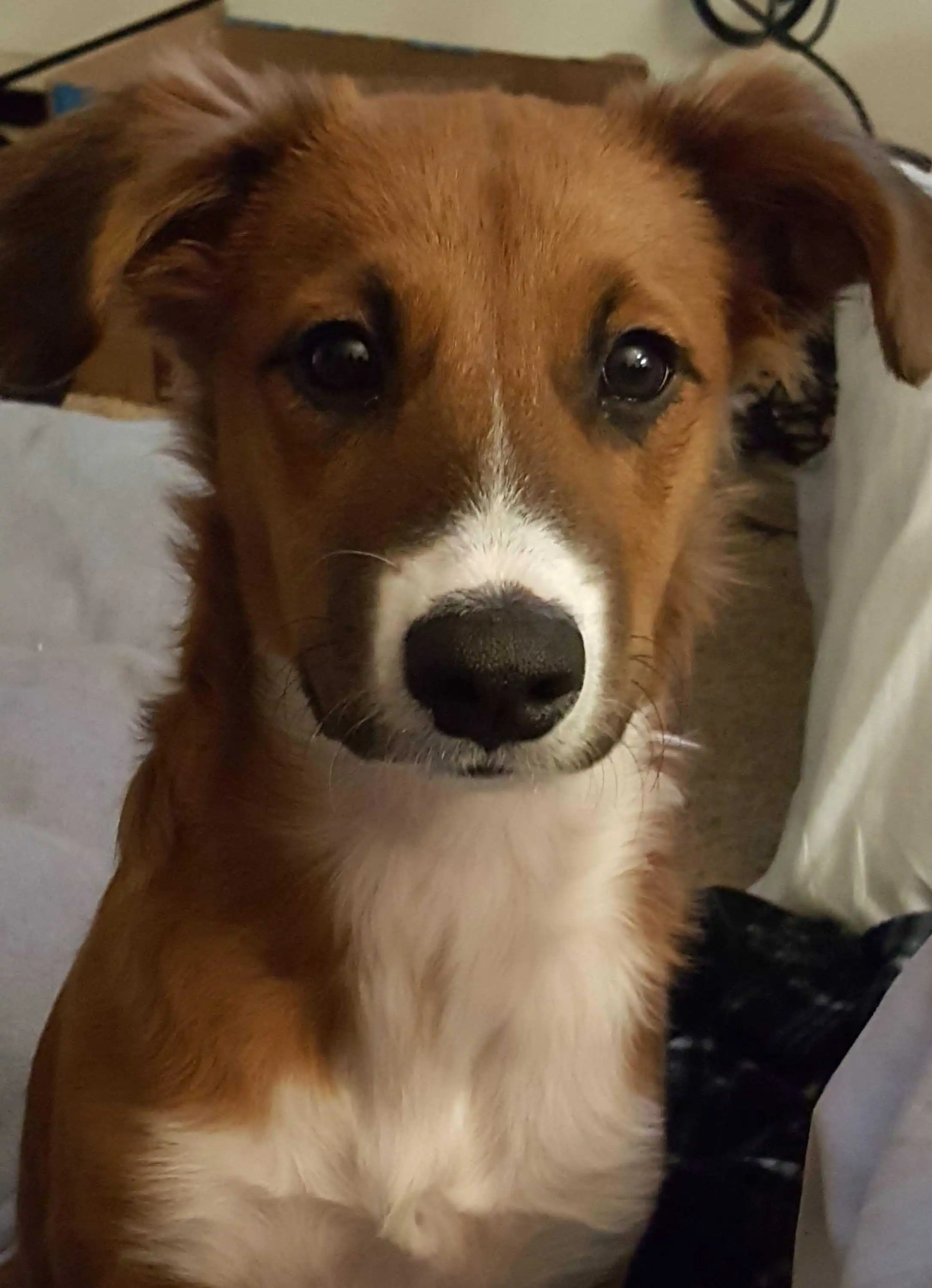
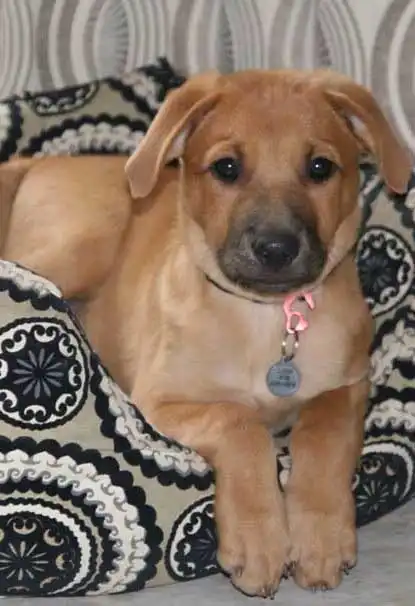
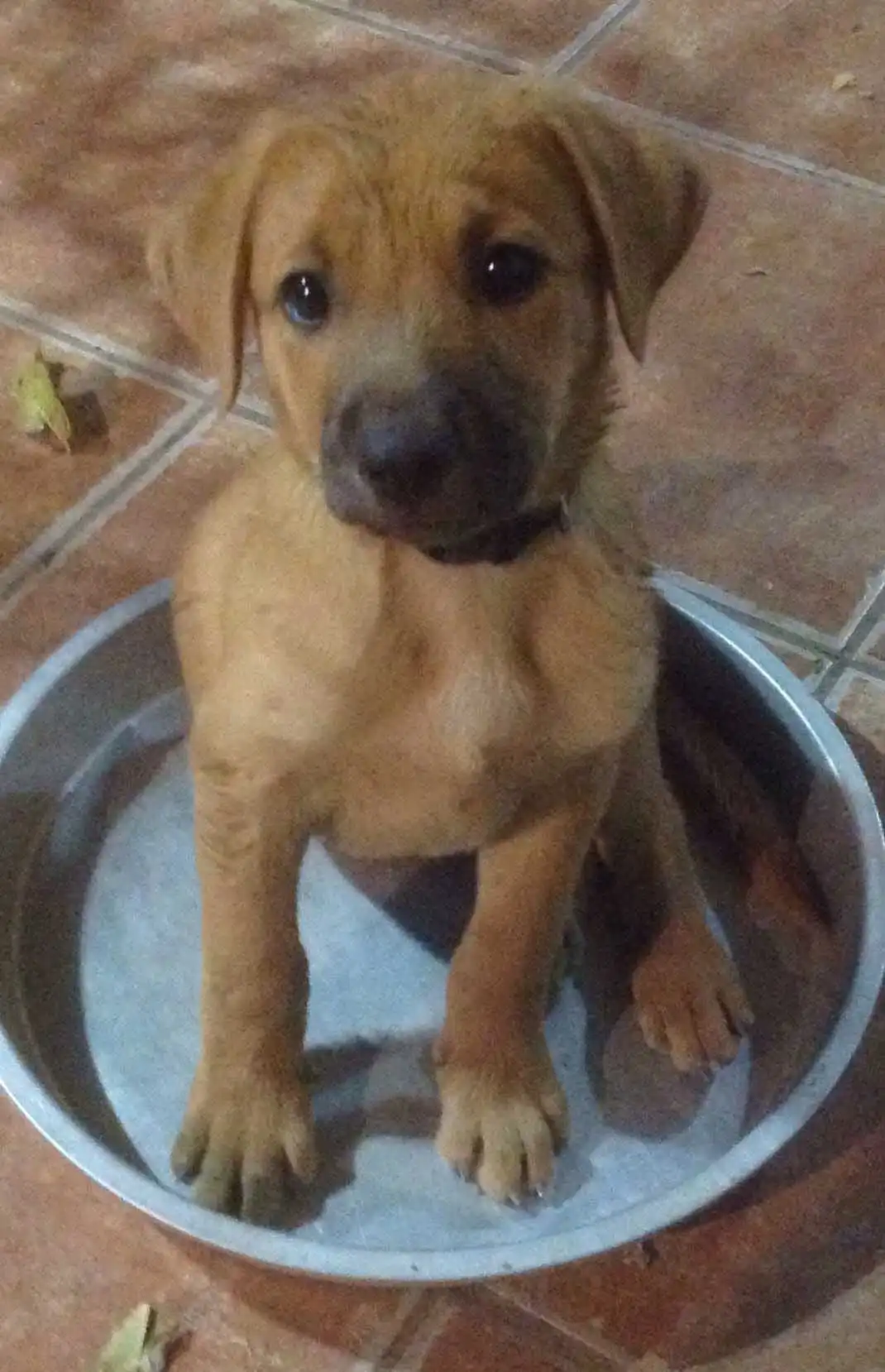
The Arubian Cunucu showcases a remarkable diversity, largely attributed to its open breeding practices. Typically, these dogs are medium-sized, weighing between 25 and 40 pounds and standing around 18 inches tall, all sharing a unique look. They are characterized by their slender bodies, refined heads, and elongated muzzles, which reflect their lineage from the Iberian Hound and Portuguese Podengo. Their ears are of medium length, triangular, and usually hang down at the sides. The dogs feature almond-shaped eyes that come in various colors and combinations. With their long legs and strong builds, they are adept at jumping and display impressive agility, especially when hunting lizards in rocky environments. Their coats are short and straight, perfectly adapted to the warm climate of the region, and they are available in a wide variety of colors and shades.
Care Routine
The Arubian Cunucu features a short, smooth coat that typically demands little maintenance. Nonetheless, weekly brushing with a slicker brush or grooming glove can help control shedding and dirt, ensuring the coat remains shiny and healthy. Dogs with floppy ears are especially susceptible to dirt and moisture buildup, increasing their risk of ear infections. Therefore, routinely checking and cleaning your dog’s ears can greatly lower the chances of these infections. Furthermore, this breed is adapted to flourish in the warm climate of Aruba, which may make it less resilient in colder weather compared to other breeds.
Behavior & Temperament
The Arubian Cunucu is often celebrated for its sociable nature, showing affection towards both children and unfamiliar faces. Stray Cunucus in Aruba frequently approach friendly tourists, enjoying their company. While these dogs typically get along well with other dogs, their instinctual prey drive can make them a threat to cats and small creatures, particularly lizards. Many owners who have welcomed a Cunucu into their homes find them to be highly trainable, regardless of whether they are puppies or adults. In contrast to some other pariah breeds, Cunucus tend to be more emotionally reliant on their humans and may feel bored or depressed if left alone for long stretches. Nevertheless, they are incredibly adaptable and can flourish in smaller living environments, as long as they receive sufficient exercise and attention throughout the day.


Play & Exercise
These dogs are both energetic and intelligent, requiring regular physical activity and mental stimulation to prevent boredom, which can lead to anxiety and destructive habits. Fortunately, their vibrant personalities, along with their natural agility, speed, and impressive jumping abilities, make them excellent candidates for a range of dog sports, including agility training, lure coursing, and flyball. For the best outcomes, training sessions should be short and enjoyable to keep their attention. While Arubian Cunucu dogs can adapt well to apartment living if they receive plenty of affection and daily exercise, their sociable nature often makes them less suitable as guard or watchdogs.
Things to Know
Cups Per Day
2.5 Cups
Daily Activity
60 Minutes
Average Lifespan
14 Years
Origin
Unknown
Type
Pure Breeds
Size
Medium
Origin Country
Aruba
Brush Frequency
Weekly
Coat Texture
Straight
Register
Your kids have been begging for a pet forever, and you've recently decided that it's time for your family to get a new addition -- a dog! While everyone is excited for the new arrival, you're wondering if you need to have a dog license. How much does it cost? Is it required? Where do you get one?
Member Clubs
PETINNATE
Other
Height & Weight
Weight
33 lbs (15 kg)Male: 33 lbs (15 kg) , Female: 33 lbs (15 kg)
Height
18 inches (46 sm)Male: 18 inches (46 sm) , Female: 18 inches (46 sm)
6 Months
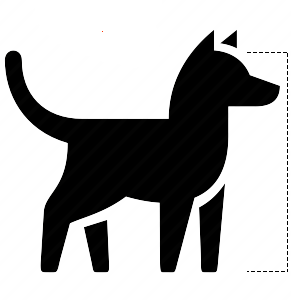
24 lbs ( m 24 lbs, f 24 lbs )
12 inches ( m 12 inches, f 12 inches )
12 Months
32 lbs ( m 32 lbs, f 32 lbs )
18 inches ( m 18 inches, f 18 inches )
18 Months
32 lbs ( m 32 lbs, f 32 lbs )
18 inches ( m 18 inches, f 18 inches )
Eye Colors
Blue

Hazel
Brown
Amber
Nose Colors
Black
Brown
Coat Colors
Fawn
Pied
Blue
Red
Brown
Black