Bucovina Shepherd
Ciobanesc Romanesc de Bucovina, Ciobanesc de Bucovina, Romanian Bukovina Shepherd, Bukovina Wolfdog, Buconvina Sheepdog, Southeastern European Shepherd
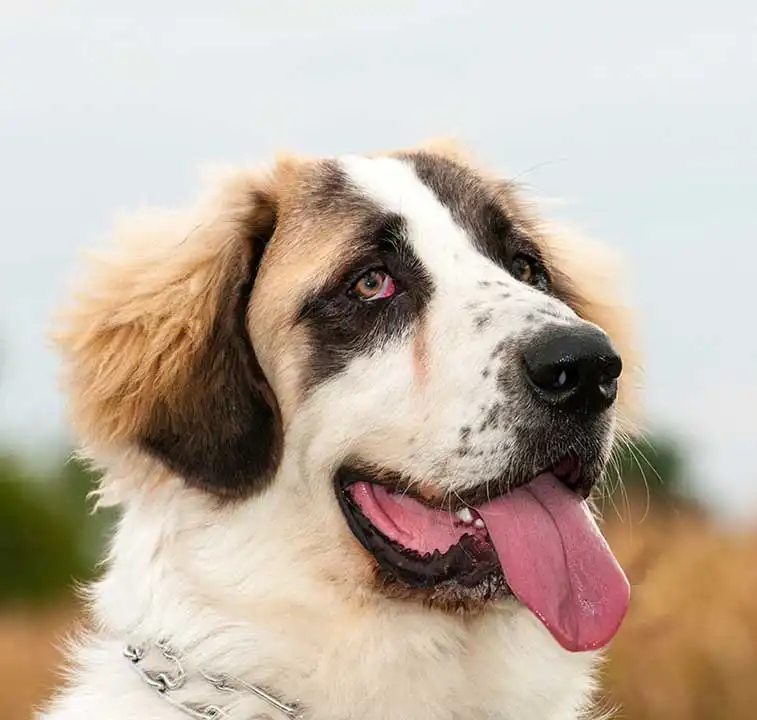
The Bucovina Shepherd is an impressive breed, notable for its large to giant stature. Hailing from the Carpathian Mountains in Romania, this breed has evolved over centuries as a livestock guardian, resulting in a robust and courageous dog that also serves as a loving companion, exhibiting remarkable gentleness and loyalty to its owners. Among the three Romanian shepherd breeds—alongside the Mioritic and the Carpathian—the Bucovina Shepherd holds the distinction of being the oldest. This breed has a strong protective instinct; while it is not naturally aggressive, it displays courage and boldness when faced with threats, making it an effective guardian. Its deep, resonant bark acts as a warning signal, audible from great distances—an important consideration for those living near neighbors, particularly in rural areas. Bucovina Shepherds are independent thinkers, which can pose challenges during training; however, they respond positively to consistent commands and direction. They are particularly adept at protecting the home and family, often taking on the role of nighttime sentinels. Known as gentle giants, they are affectionate and kind with children, though they may exhibit caution around strangers. These dogs are energetic and playful, requiring plenty of physical exercise and mental stimulation, along with proper socialization. Their thick coat, while not overly long, necessitates regular grooming, and they are prone to drooling. In return for the care you provide, the Bucovina Shepherd will be a devoted companion, offering both friendship and protection to you and your family.
Breed Origin
The Bucovina Shepherd dog was originally developed to protect sheep and goats from a variety of threats, including bears, lynxes, wolves, and even thieves looking for an easy target. Today, this breed has evolved into a beloved family pet, often taking on the role of a guardian for homes and loved ones. Renowned for their gentle nature, these large dogs are affectionate companions that typically get along well with young children, reflecting their calm and kind temperament. Although they are popular in Romania, Bucovina Shepherds are still quite uncommon outside their home country. The origins of this ancient breed are somewhat unclear due to a lack of historical documentation, but they were well-established by the 1700s, particularly after the Austro-Hungarian Empire annexed Romania's mountainous regions. Most experts believe that the Bucovina Shepherd descends from the Mastiff, though some theories suggest it may have roots in Dogues and Alaunts. The Mastiff's influence spread across Europe during the Roman Empire, where these dogs were commonly utilized for livestock protection and in warfare. Consequently, the Bucovina Shepherd carries a rich history, having experienced significant changes in its homeland over the centuries. Well-suited to Romania's rugged terrain, the Bucovina Shepherd features a thick, dense coat that offers both warmth and protection. As many Romanians transitioned from rural living to urban environments, they brought their dogs with them, discovering that the Bucovina Shepherd was particularly adept at safeguarding families and homes. This breed gained special recognition during the social upheaval of the 1990s and early 2000s, following the collapse of Nicolae Ceaușescu's Communist regime. The Bucovina Shepherd emerged as a devoted family protector and a gentle giant, trusted around children. While they are treasured in their native land, they remain largely unfamiliar to people in other parts of the world.
Breed Appearance
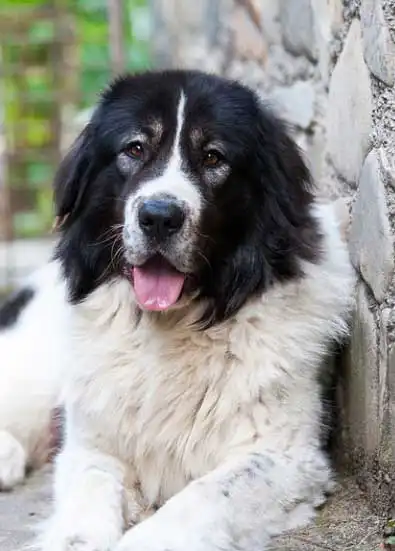
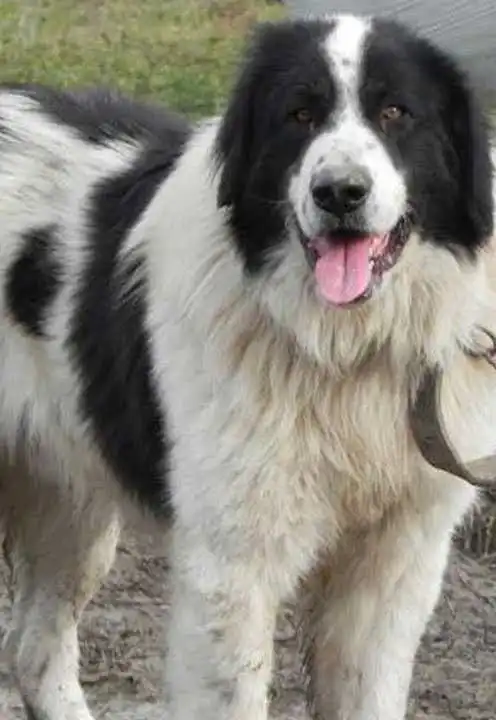
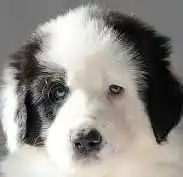
The Bucovina Shepherd is typically more slender than many other large or giant mountain breeds, yet it features a wider range of coat colors. Its fur is long, thick, and somewhat coarse, which is crucial for withstanding the severe cold of its mountainous homeland. Generally, Bucovinas are mostly white, accented with patches of black, brown, brindle, or sandy shades. These dogs possess large, sturdy heads that are well-proportioned to their robust bodies. Although they are longer than they are tall, they still convey a striking presence. Their facial characteristics include a tapering muzzle, a black nose, and a strong scissors bite, along with droopy lips that may occasionally drool. Their small, round eyes, typically brown or hazel, give off a gentle demeanor. The ears are triangular, folding down and resting at the sides of the head. The top of the head is relatively flat, and a thick ruff of longer hair encircles their strong neck. Their legs are solid and muscular, ending in large, padded paws that are well-adapted to their rugged environment. The tail is usually straight but may have a slight curl and is feathered, resembling the fur on their legs.
Care Routine
The Bucovina Shepherd's thick, long coat can pose some grooming difficulties, especially when it comes to avoiding tangles. To manage this, it's advisable to brush them thoroughly every day or at least every other day. This breed tends to shed a considerable amount of fur throughout the year, so if you prefer a home without dog hair on your furniture and carpets, this might not be the ideal choice for you. During the hot summer months, scheduling a professional grooming session may be necessary to ensure your dog remains comfortable, although the Bucovina Shepherd is generally quite adaptable to different temperatures. Bathing should be reserved for when it's truly needed, as these dogs are typically adept at keeping themselves clean. When you do need to give them a bath, it's crucial to use a specialized dog shampoo to maintain the natural oils that protect and waterproof their coat. Bathing a large dog can be quite a task, particularly when it comes to drying them off, but consider it an opportunity to bond with your pet, who will surely enjoy the extra attention. As with any dog, it's important to regularly check their eyes and ears for signs of infection, and nails should be trimmed monthly or as necessary to ensure your dog's well-being. Additionally, maintaining your dog's dental health is vital to prevent tooth decay. If you start cleaning your dog's teeth at a young age, it will become a seamless part of their routine care.
Behavior & Temperament
The Bucovina Shepherd is celebrated for its serene nature, balanced temperament, and remarkable capability to protect both livestock and homes. This breed holds a special place in Romania, admired for its steadfast loyalty and commitment. With a strong-willed character, the Bucovina often takes charge in its protective duties, which can result in a dominant and highly vigilant disposition, presenting challenges during training. Consequently, they need a skilled handler to effectively channel their instincts. These dogs are intensely loyal to their families and homes, often coming across as reserved and detached around unfamiliar faces. With appropriate training, they can learn to distinguish between real threats and harmless visitors, although they are likely to remain somewhat wary and distant. The Bucovina Shepherd has a commanding bark that acts as a reliable alert system for both owners and neighbors, signaling potential intruders. While they generally refrain from aggression unless provoked, this breed has a history of standing up to bears and armed intruders, showcasing their readiness to protect their loved ones at all costs. Regarding interactions with other animals, Bucovina Shepherds can accept pets raised with them as part of their family unit. However, they may show aggression towards unfamiliar animals and are known to hunt smaller creatures, often bringing their catches to their owners as trophies. Although training and socialization can help temper some of these behaviors, they cannot completely eliminate the breed's natural protective instincts. Ideally, the Bucovina Shepherd flourishes as the only dog in a household or with one opposite-sex companion. These gentle giants are full of energy and can walk long distances without tiring. They need plenty of exercise and mental engagement to stay happy and balanced, making them excellent companions for active families who love outdoor activities.


Play & Exercise
The Bucovina Shepherd is an energetic and sturdy breed, originally bred to navigate rugged mountainous landscapes alongside their herds for long durations. Ideally, these dogs need about an hour of vigorous exercise each day, although more activity is preferable. They flourish in rural environments, whether on large properties or in spacious homes, but it is essential for them to have a sizable, securely fenced yard. Their instinctual drive to patrol and monitor their territory necessitates plenty of room to explore. Given their size and high energy, they are not well-suited for apartment living, and their deep, booming bark may not be welcomed by neighbors. These dogs are fantastic companions for individuals who enjoy jogging, biking, or hiking, as they are eager to walk for miles and will be loyal and protective allies. Bucovina Shepherds are surprisingly playful and love to participate in family activities. As puppies, their high energy can be a bit much, often causing them to unintentionally knock over younger family members. However, as they mature, they tend to become more balanced and protective.
Things to Know
Cups Per Day
4.0 Cups
Daily Activity
60 Minutes
Average Lifespan
13 Years
Origin
1700s
Type
Pure Breeds
Size
Large
Origin Country
Romania
Brush Frequency
Daily
Coat Texture
Straight
Register
Your kids have been begging for a pet forever, and you've recently decided that it's time for your family to get a new addition -- a dog! While everyone is excited for the new arrival, you're wondering if you need to have a dog license. How much does it cost? Is it required? Where do you get one?
Member Clubs

PETINNATE
Other
Height & Weight
Weight
90 lbs (41 kg)Male: 95 lbs (43 kg) , Female: 85 lbs (39 kg)
Height
28 inches (71 sm)Male: 29 inches (74 sm) , Female: 27 inches (69 sm)
6 Months
20 lbs ( m 20 lbs, f 20 lbs )
15 inches ( m 15 inches, f 15 inches )
12 Months
37 lbs ( m 37 lbs, f 37 lbs )
20 inches ( m 20 inches, f 20 inches )
18 Months
85 lbs ( m 85 lbs, f 85 lbs )
26 inches ( m 26 inches, f 26 inches )
Eye Colors
Hazel

Brown
Nose Colors
Black
Coat Colors
Brindle
Black
Brown
Pied
White