Pure Breeds
Browse a collection of Pure Breeds, including breed names, key traits, and origins. Whether you're interested in officially recognized purebreds or hybrid crossbreeds, this page helps you explore them all in one place.
A breed with a pure lineage, recognized by official breed standards.

Slovac Cuvac
The Slovensky Cuvac (pronounced Slov-en-SKI Chew-votch) is an impressive breed that closely resembles the Great Pyrenees. This dog is not ideal for first-time owners, as it demands significant training to integrate smoothly into family life. Known for its affectionate nature, the Slovensky Cuvac is particularly fond of children and gets along well with other pets, often relishing playtime with youngsters. However, it’s crucial for the dog to understand that children are neither his peers nor subordinates within the household. This breed flourishes in expansive settings such as farms and ranches, where they have ample space to roam and engage in activities; keeping one in an apartment is not recommended due to its size. Furthermore, you can anticipate that this dog will be protective of your home and may exhibit a reserved demeanor around strangers.
Read more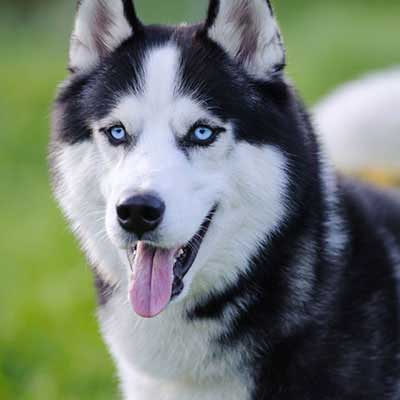
Siberian Husky
The Siberian Husky is a venerable breed that has likely developed alongside humans for thousands of years. Hailing from Russia, these dogs were cultivated by the Chukchi people, who depended on them for hauling supplies, which enabled their community to thrive in challenging environments. In addition to their transportation duties, Huskies were also bred to live harmoniously with Chukchi families. This selective breeding has resulted in a friendly and energetic breed renowned for its impressive stamina. Their dense double coat, which provides insulation against severe cold, requires regular grooming, although they do not need frequent baths. Despite their wolf-like appearance, which may intimidate some, Siberian Huskies are generally too friendly to be effective as guard dogs.
Read more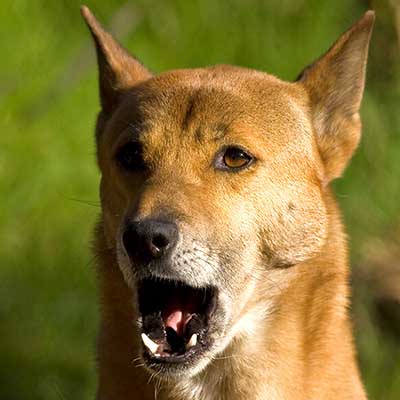
New Guinea Singing Dog
The New Guinea Singing Dog is a medium-sized canine that hails from the rugged terrains of Papua New Guinea. Experts often debate its classification, with some viewing it as a distinct breed, while others consider it a separate species akin to the Australian Dingo. These dogs are rarely encountered in their natural environment; however, the New Guinea Singing Dog Conservation Society has made notable progress in increasing the population of those raised in captivity, all while working to preserve genetic diversity. Consequently, a small number of these dogs are now available for adoption. Although the conservation society discourages breeding outside of their regulated program, such practices do occur, resulting in both mixed and purebred New Guinea Singing Dogs, which are primarily available for adoption through the conservation organization.
Read more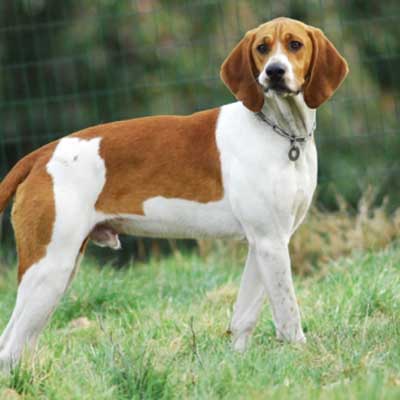
Anglo-Francais de Petite Venerie
The Anglo-Français de Petite Vénerie, much like various other French scent hounds, has a storied past that stretches back several centuries. This breed originated from the interbreeding of older Anglo-French hounds with the Poitevin, Beagle, Petite Gascon-Saintongeois, and Petite blue de Gascogne. The result is a dog that resembles English foxhounds in build while showcasing the unique head characteristics typical of French scent hounds. For centuries, these dogs have been primarily employed in hunting, often working in packs to flush out small game, and many of their behavioral traits are rooted in this historical function. Although they have long been recognized as hunting dogs in France, their appeal is now on the rise as show and companion animals in countries such as the United Kingdom, the United States, and Italy. Even when kept as individual pets, they maintain their pack-oriented instincts, displaying sociable, friendly, and non-aggressive behavior towards people, including strangers, and are particularly gentle with children. These dogs are known for their loyalty and affection, forming deep bonds with their families, especially with the owner who trains and socializes them. Like other scent hounds, they possess intelligence and a strong-willed nature, which can sometimes lead to stubbornness. This makes early training more effective when conducted by an experienced handler. They also have a tendency to bay, a behavior developed to alert their owners, which can create challenges in smaller living spaces like apartments. Furthermore, their hunting instincts may complicate living with small non-canine pets, as their prey drive can emerge unexpectedly. Despite these minor hurdles, the Anglo-Français de Petite Vénerie is a well-mannered breed that is gradually evolving from a traditional hunting dog into a beloved family companion.
Read more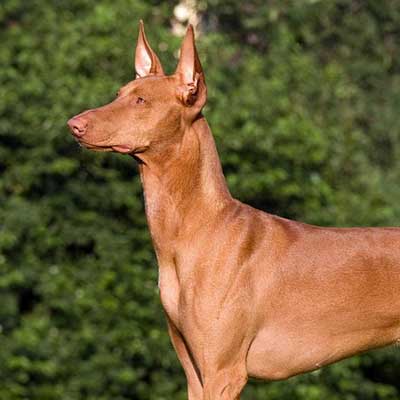
Pharaoh Hound
The Pharaoh Hound, recognized for its reserved yet spirited personality, has origins dating back to around 3000 B.C. While it has traditionally been thought to originate from Ancient Egypt, recent genetic research suggests that its true beginnings are in Malta. Ancient Egyptian hieroglyphics provide evidence of the Pharaoh Hound's long-standing presence, indicating that this breed has existed for millennia. With a strong and athletic physique, the Pharaoh Hound exhibits a graceful and elegant movement. Initially bred for hunting small game, it utilizes its sharp senses of sight, sound, and smell. This breed boasts an exotic and noble appearance, brimming with energy and a love for playful pursuits. The Pharaoh Hound shines in agility and lure coursing, demonstrating its remarkable athletic abilities. Grooming is simple due to its short, glossy coat, which only requires weekly brushing to manage shedding. For optimal well-being, the Pharaoh Hound thrives in an environment that meets its exercise needs.
Read more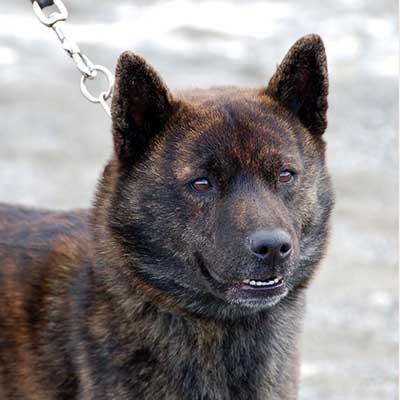
Kai
The Kai Ken was largely isolated from the outside world for a significant time, mainly due to the geographical features of its homeland—an island surrounded by mountains. Its reputation began to grow with the introduction of firearms and the rise in popularity of big game hunting. Known for its remarkable hunting skills, this breed is adept at climbing trees to pursue its prey. Although it was not initially bred as a companion animal, the Kai Ken became a beloved pet in many American homes following its introduction to the United States. The breed did not gain official recognition in Japan until 1934 and is still regarded as rare today. While the United Kennel Club recognized the Kai Ken in 1997, it has not yet been acknowledged by the American Kennel Club.
Read more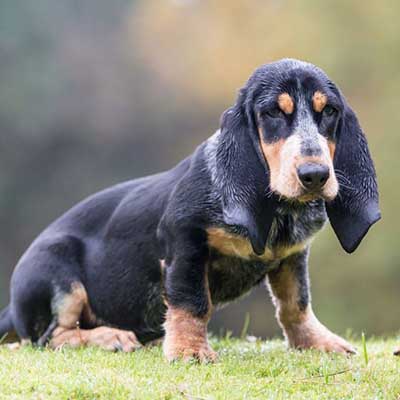
Basset Bleu De Gascogne
The Basset Bleu de Gascogne is one of six unique breeds of Basset Hounds originating from France. This lively hound excels in hunting, relying on his remarkable sense of smell as he often keeps his nose close to the ground. Renowned for his desire to please, he is typically easy to train. He flourishes best in an active home where he can partake in outdoor pursuits such as playing and hiking with his family. When raised with children, the Basset Bleu de Gascogne can make a delightful family companion, though he may initially be cautious around unfamiliar kids. To help him become a happy and well-adjusted family member, proper socialization is crucial.
Read more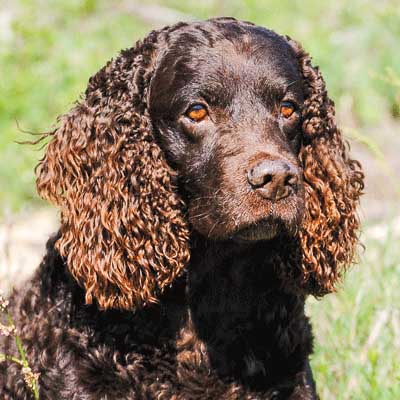
American Water Spaniel
The American Water Spaniel is a compact breed with a rich brown coat, tracing its roots back to the Midwestern United States in the 18th century. Originally developed as a hunting companion for waterfowl, pheasants, and rabbits, this breed is known for its lively and confident presence in the field, although it may show some timidity around unfamiliar people. Equipped with a double coat that effectively repels water and webbed feet, the American Water Spaniel thrives in aquatic settings, but it does need consistent grooming to keep its fur healthy and clean. Beneath its dense, curly exterior lies a strong, agile body, enabling the American Water Spaniel to gracefully jump in and out of small boats or canoes without creating a disturbance.
Read more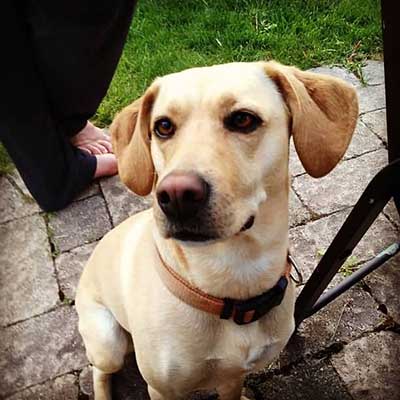
Mountain View Cur
The Mountain View Cur is a rare breed celebrated for its excellent health and low incidence of genetic disorders. Known for their friendly nature, these dogs have a special affinity for children, demonstrating both patience and loyalty. They engage in playful activities while also showing a protective instinct towards their young friends. Initially bred for hunting, these dogs are highly intelligent and were developed to track and tree small game such as raccoons and squirrels, as well as larger prey like bears, wild boar, and big cats. Their keen sense of smell and remarkable self-discipline make them prized companions. This has attracted the attention of law enforcement agencies for potential roles in search and rescue missions or drug detection. The Mountain View Cur is eager to please its owner, exhibiting a loving and devoted demeanor that simplifies the training process. However, they are not suited for apartment living; they thrive in a secure yard or, ideally, a rural setting. With their striking appearance and delightful temperament, the Mountain View Cur is a breed treasured by those lucky enough to own one.
Read more
Chinese Imperial Dog
The Chinese Imperial dog is a small breed, generally weighing between four and seven pounds. This delightful little dog has ignited significant discussion, with two groups debating its classification and name. The American Kennel Club and the American Shih Tzu Club maintain that this tiny dog is simply a smaller variant of the Shih Tzu. Conversely, supporters of the Chinese Imperial breed argue that it carries a unique Imperial gene, distinguishing it as a separate breed. They claim that this dog has been recognized as a distinct breed in China for centuries. Regardless of the differing viewpoints, the Chinese Imperial dog is known for its affectionate and friendly nature, making it an excellent pet. They adapt well to various living situations, which is particularly beneficial for those living in apartments. Despite their small size, they have a lively personality. Their charming and lovable demeanor can sometimes lead to pampering, but like all dogs, they need a firm hand and strong leadership to avoid Small Dog Syndrome. They generally get along well with children, although their petite size makes them susceptible to injury, so it’s crucial to teach kids to interact with them gently. With a moderate level of energy, these dogs are playful and extremely devoted to their owners. It’s important to note that acquiring a smaller breed like this may come with a higher price tag, as they are less commonly found.
Read more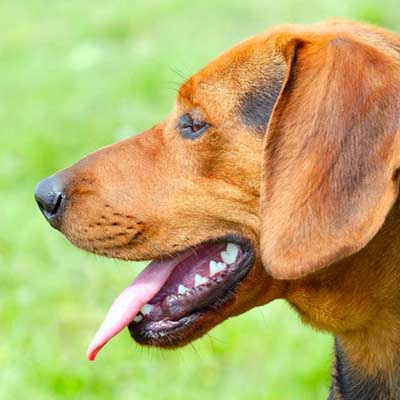
Serbian Hound
Vibrant in the field and affectionate at home, the Serbian Hound is renowned for its remarkable abilities as both a loyal companion and a skilled hunter. With a history that spans nearly a millennium, this breed has long been a favored choice among hunters in the Balkans, prized for its sharp sense of smell, endurance during hunts, and intelligence. While they are often employed in packs to track and capture larger game like deer and boar, they also thrive as solitary hunters, adept at pursuing smaller prey such as hares and foxes. Despite their strong hunting instincts, which ignite an almost limitless enthusiasm for the chase, Serbian Hounds exhibit a calm and loving demeanor in domestic settings. Their fierce loyalty, especially towards their trainers and families, can sometimes lead to challenges due to their high intelligence. Naturally sociable, they generally get along well with other dogs and are typically good with children; however, their strong prey drive may create difficulties in homes with non-canine pets. In summary, Serbian Hounds are exceptional companions, skillfully balancing their roles as hunters, protectors, and affectionate family members.
Read more