New Guinea Singing Dog
Singing Dog, NGSD
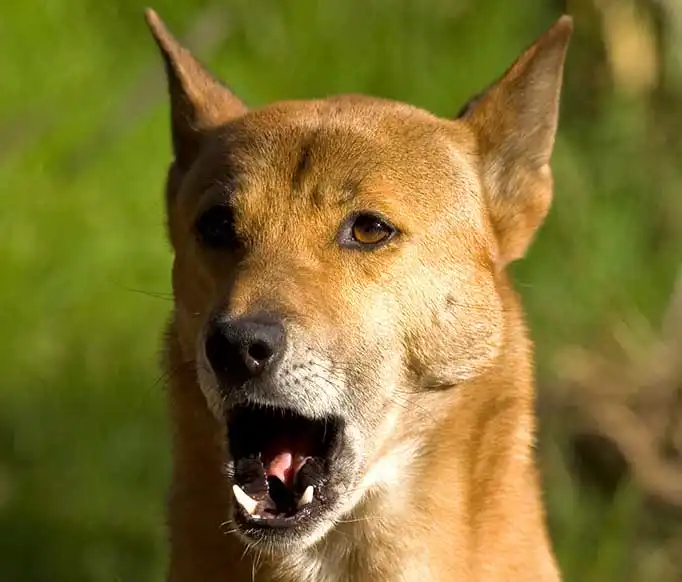
The New Guinea Singing Dog is a medium-sized canine that hails from the rugged terrains of Papua New Guinea. Experts often debate its classification, with some viewing it as a distinct breed, while others consider it a separate species akin to the Australian Dingo. These dogs are rarely encountered in their natural environment; however, the New Guinea Singing Dog Conservation Society has made notable progress in increasing the population of those raised in captivity, all while working to preserve genetic diversity. Consequently, a small number of these dogs are now available for adoption. Although the conservation society discourages breeding outside of their regulated program, such practices do occur, resulting in both mixed and purebred New Guinea Singing Dogs, which are primarily available for adoption through the conservation organization.
Breed Origin
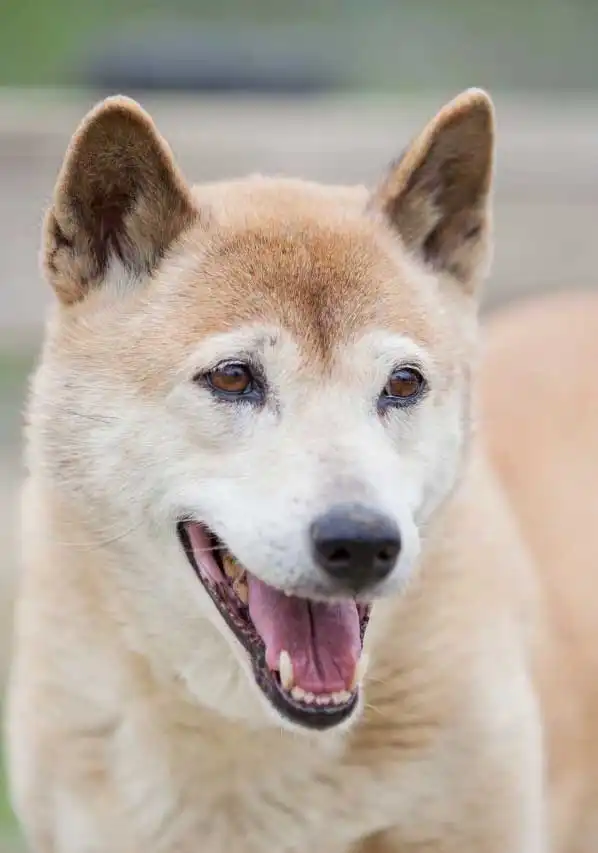
The New Guinea Singing Dog, as its name suggests, originates from New Guinea and boasts a lineage that stretches back to ancient eras. However, there is considerable debate among experts regarding the exact origins of this breed. Much like the Dingo, the New Guinea Singing Dog is often categorized as a true wild canine. While encounters with these dogs in their natural habitat have become increasingly uncommon, conservationists are dedicated to breeding them in captivity to safeguard the species. In 1997, the New Guinea Singing Dog Conservation Society was established in New Guinea with the aim of overseeing the careful breeding of these dogs in controlled environments. Their mission is to ensure that the existing population remains strong, healthy, and disease-free. They implement strategies designed to boost genetic diversity within the small captive population while preserving the breed's integrity. Most of these dogs are bred in zoos, and those that are adopted as pets are generally spayed or neutered prior to being placed in homes. This approach helps maintain the health of the breeding population and reduces the likelihood of behavioral problems. Although this rare canine is difficult to find in the United States, the Conservation Society's website indicates that breeders of the New Guinea Singing Dog should set prices comparable to those of more common purebred dogs, rather than the $2,500 to $5,000 often seen with rare breeds. This pricing strategy is intended to discourage inbreeding and combat practices linked to puppy mills and irresponsible backyard breeding.
Breed Appearance
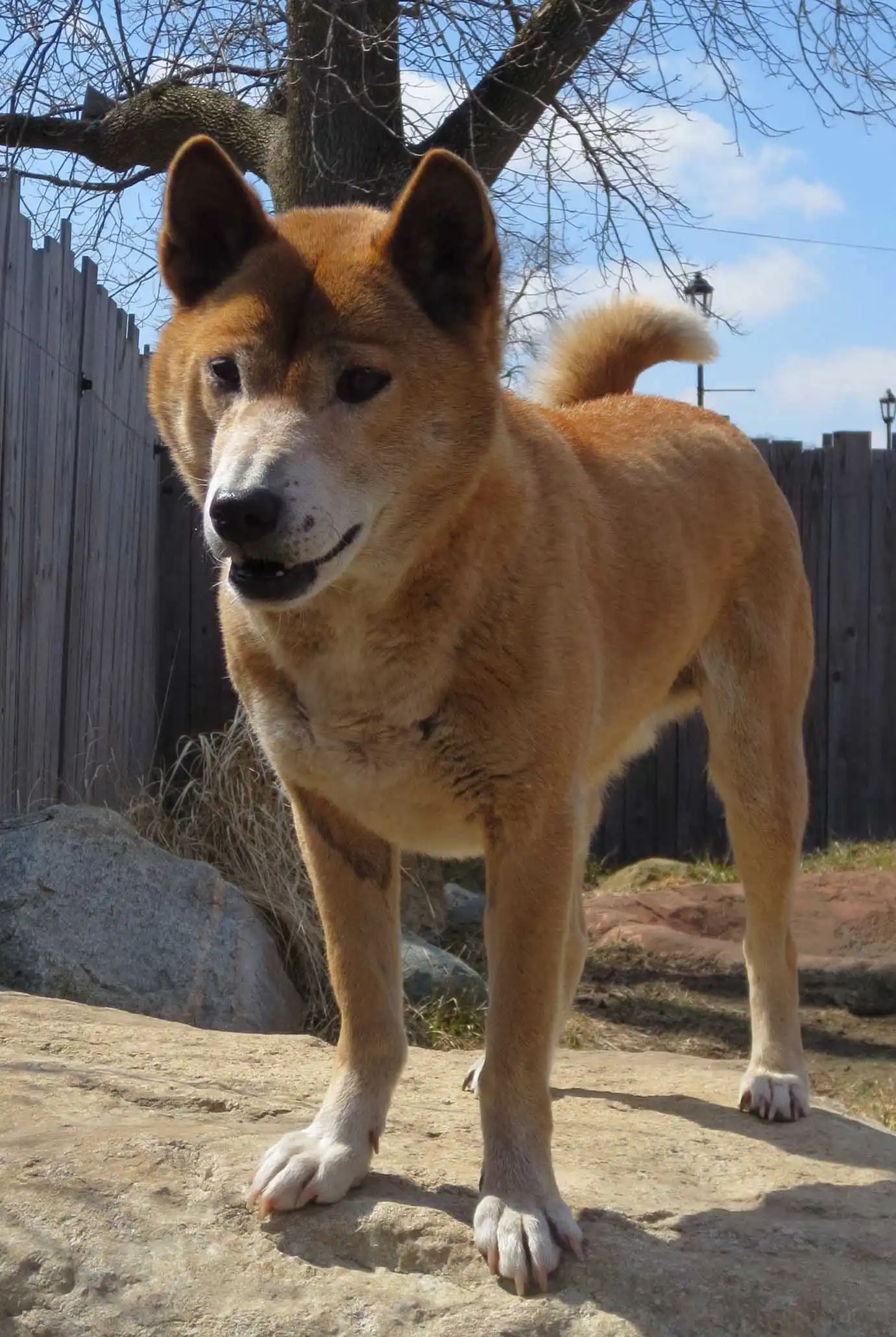
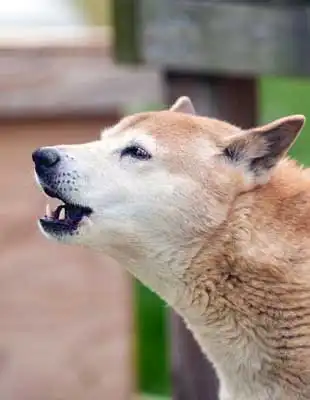
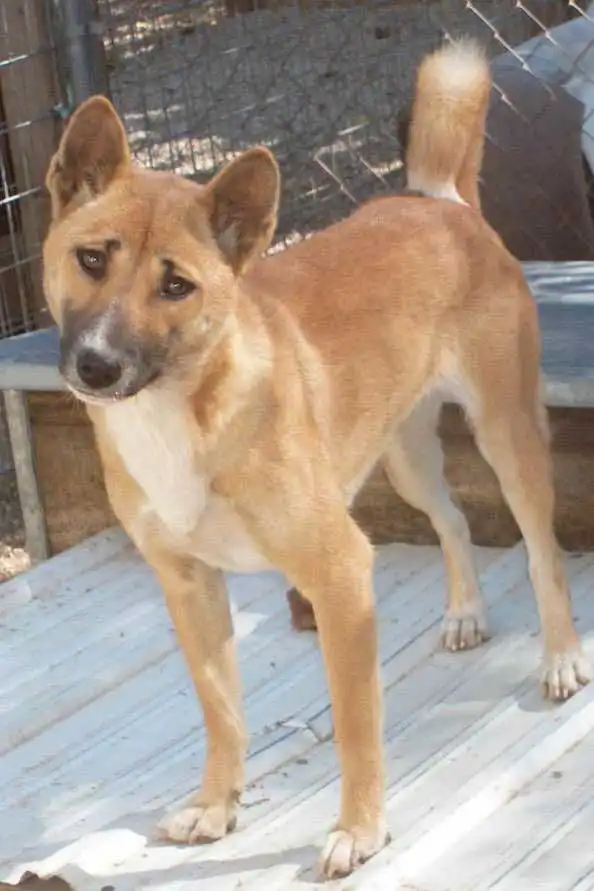
This medium-sized canid typically reaches a height of just under 18 inches at the shoulder and weighs between 20 to 25 pounds, with a body length approximately 20% longer than its height. It has a solid, wedge-shaped head with pronounced cheekbones and a tapering muzzle that is slightly shorter than the skull. The eyes are small and triangular, available in a range of brown hues from light amber to deep brown. Its ears are also small and triangular, set wide apart and held upright, featuring a distinctive cupped, tulip-like base. The corners of its mouth often curve upward, lending it a generally cheerful expression. Notably, its teeth are larger than those found in many other dog breeds, and its long, bushy tail, often tipped in white, closely resembles that of a fox. The thick, double-layered coat can exhibit a variety of colors, including shades of red, fawn, sable, and rust.
Care Routine
Caring for this breed's grooming needs is quite simple. Baths should be infrequent, as regular washing can remove the natural oils that safeguard their fur. It's important to brush their double-layered coat multiple times a week to remove dirt and debris, control shedding, and avoid tangles and mats. This is particularly vital for the thick undercoat, where severe tangles can become trapped against the skin, risking infections. During seasonal changes, they tend to shed more, so daily brushing may be required during those times.
Behavior & Temperament
The New Guinea Singing Dog is a breed known for its reserved and independent nature, having developed with little interaction with humans. This characteristic often persists when they are kept as pets. Typically, these dogs are shy or selective around strangers, but they show great affection and warmth towards familiar individuals, often expressing their fondness through cheek rubs and kisses. They have a strong prey drive that can be challenging to curb, although they may learn to coexist peacefully with other pets if raised together. While they are generally protective of children and not aggressive, it is crucial to supervise their interactions to prevent any potential misunderstandings. Having evolved in isolation from other dog breeds, the New Guinea Singing Dog displays distinct behavioral traits that differentiate them from more domesticated dogs. Like many canines, they can dig under fences, but they also possess the ability to climb over them if not properly contained. Their communication style is unique; for example, they may hold their ears sideways instead of pulling them back and may crouch to signal a desire to play, rather than using the typical play bow. This breed is highly intelligent and skilled at problem-solving, yet their strong prey drive, independent spirit, and tendency to escape enclosures can make them particularly difficult to train and manage as pets.
Play & Exercise
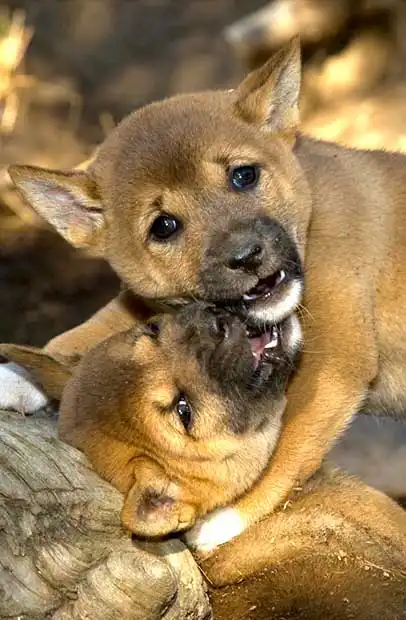
This breed is recognized for its vibrant energy in the first year, but they typically become more settled as they age. Owners of New Guinea Singing Dogs often remark that, despite their youthful enthusiasm, these dogs have remarkable endurance and are always ready to join you on your adventures. As they grow older, they display a more tranquil temperament than many other breeds. Furthermore, they are incredibly agile, capable of fitting through any space that accommodates their heads.
Things to Know
Cups Per Day
1.5 Cups
Daily Activity
60 Minutes
Average Lifespan
18 Years
Origin
Unknown
Type
Pure Breeds
Size
Small
Origin Country
New Guinea
Brush Frequency
Daily
Coat Texture
Straight
Register
Your kids have been begging for a pet forever, and you've recently decided that it's time for your family to get a new addition -- a dog! While everyone is excited for the new arrival, you're wondering if you need to have a dog license. How much does it cost? Is it required? Where do you get one?
Member Clubs
PETINNATE
Other
Height & Weight
Weight
24 lbs (11 kg)Male: 27 lbs (12 kg) , Female: 21 lbs (10 kg)
Height
15 inches (38 sm)Male: 16 inches (41 sm) , Female: 14 inches (36 sm)
6 Months
16 lbs ( m 16 lbs, f 16 lbs )
13 inches ( m 13 inches, f 13 inches )
12 Months
21 lbs ( m 21 lbs, f 21 lbs )
14 inches ( m 14 inches, f 14 inches )
18 Months
21 lbs ( m 21 lbs, f 21 lbs )
14 inches ( m 14 inches, f 14 inches )
Eye Colors
Brown

Nose Colors
Black
Coat Colors
Sable
Fawn
Red