Chinese Imperial Dog
Lion Dog, Tiny Toy, Micro Shih Tzu, Teacup Shih Tzu
The Chinese Imperial dog is a small breed, generally weighing between four and seven pounds. This delightful little dog has ignited significant discussion, with two groups debating its classification and name. The American Kennel Club and the American Shih Tzu Club maintain that this tiny dog is simply a smaller variant of the Shih Tzu. Conversely, supporters of the Chinese Imperial breed argue that it carries a unique Imperial gene, distinguishing it as a separate breed. They claim that this dog has been recognized as a distinct breed in China for centuries. Regardless of the differing viewpoints, the Chinese Imperial dog is known for its affectionate and friendly nature, making it an excellent pet. They adapt well to various living situations, which is particularly beneficial for those living in apartments. Despite their small size, they have a lively personality. Their charming and lovable demeanor can sometimes lead to pampering, but like all dogs, they need a firm hand and strong leadership to avoid Small Dog Syndrome. They generally get along well with children, although their petite size makes them susceptible to injury, so it’s crucial to teach kids to interact with them gently. With a moderate level of energy, these dogs are playful and extremely devoted to their owners. It’s important to note that acquiring a smaller breed like this may come with a higher price tag, as they are less commonly found.

Breed Origin
In ancient China, small companion dogs were highly valued by the nobility for their unwavering loyalty and companionship. The Chinese Imperial Dog Club of America claims that the lineage of the Chinese Imperial dog stretches back over 2,000 years, whereas the American Kennel Club posits that its roots may only date to the 1960s. Historical accounts reveal that Dowager Empress Cixi, one of China's last monarchs, was a passionate dog enthusiast who owned a variety of small breeds. These petite dogs, which included the Chinese Imperial and the larger Shih Tzu, were frequently gifted to foreign dignitaries. In the 1960s, as the Shih Tzu's popularity surged, some breeders began a controversial practice known as "dwarfing down," selectively breeding for smaller sizes. Over time, this trait became embedded in the breed's genetics. By the late 1980s and early 1990s, terms such as "teacup," "mini," and "tiny toy" began to surface to categorize these smaller Shih Tzus. In response, the American Kennel Club stepped in to uphold the breed's standard height and weight specifications, labeling the practice of dwarfing down as unethical and harmful to the dogs' well-being. While the conversation surrounding the Chinese Imperial dog persists, the National Canine Association has previously acknowledged the breed, with other organizations following suit. In 2008, the Chinese Imperial Dog Registry of America was founded to maintain an official studbook. Despite ongoing discussions about their origins, the Imperial breed has firmly established its presence, continuing to be cherished companions for many years ahead.
Breed Appearance
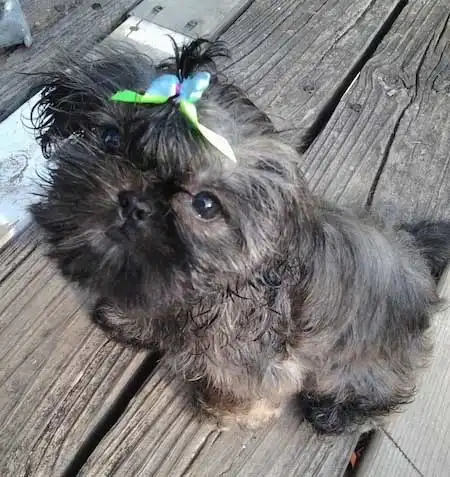
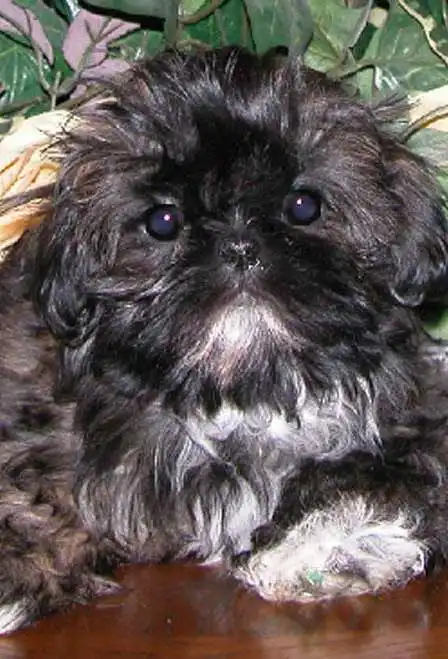
Chinese Imperial dogs are small but sturdy canines, easily recognized by their delightful facial expressions. Although their luxurious, fluffy coats may obscure their body shape, these dogs have a well-balanced physique supported by a strong bone structure. Their short legs and large paws add to their charming appearance. While their thick, plush fur enhances their 'teddy bear' appeal, it can also cause discomfort in warmer climates. To help with this, their coats can be trimmed while still preserving their fluffy aesthetic. With a petite muzzle, a small nose, and bright, round eyes, their features are irresistibly cute. Their tails are fluffy and curled, and they typically stand between 7 to 8 inches tall and weigh around 9 pounds. Due to their delicate size, they need to be handled with care. In addition to their striking looks, Chinese Imperials are celebrated for their delightful personalities.

Care Routine
The Chinese Imperial is undeniably delightful and captivating, but it demands considerable grooming to keep its attractive look. This breed boasts a double coat, featuring a thick outer layer and a soft undercoat, which gives it a fluffy, teddy bear-like appearance. However, this coat also makes them vulnerable to heat exhaustion, leading owners in hotter climates to regularly trim their fur for comfort and easier upkeep. Generally, a trim is recommended every six to eight weeks. While the Chinese Imperial flourishes in cooler temperatures, it can adapt to warmer settings, particularly in homes with air conditioning. Daily brushing is crucial to prevent tangles and remove dust and debris. Misting the coat before brushing not only cools the dog but also helps reduce hair breakage. Bathing every three to four weeks with a specialized dog shampoo will help preserve the delicate oils in their skin and coat. Lastly, a quick teeth brushing, an ear inspection, and some loving cuddles will prepare your Chinese Imperial for playtime.
Behavior & Temperament
The Chinese Imperial is a charming little dog known for its joyful, intelligent, and friendly disposition. This breed revels in play and affection, displaying a spirited and cooperative nature. However, it’s essential to acknowledge their independent tendencies. Given their small size, it’s easy to overlook their playful mischief, but this can lead to a clever tug-of-war between you and your furry friend. Regardless of their diminutive stature, they need a balanced approach—firm yet gentle—where you assume the role of the pack leader, essentially taking charge. As companions, Chinese Imperials are remarkably loyal and devoted, often in tune with your feelings. When you’re feeling low, you can count on this little bundle of joy to shower you with love. On the flip side, if you’re in a good mood, your dog will reflect that enthusiasm. They are quick to sense your emotional state. Despite their small size and lively nature at home, these dogs require regular outdoor activities, such as walks or adventures, to truly thrive. Daily walks are essential for their social development, helping them gain confidence and alleviate stress by exposing them to various environments outside your home. Both physical exercise and mental engagement are crucial for dogs of any size. The Chinese Imperial is not only resilient and cheerful but also one of the most lovable breeds you can encounter.


Play & Exercise
The Chinese Imperial is often seen as a lap dog, delighting in the chance to curl up on their owner's lap. Yet, they are also quite spirited, often zipping around the house and eagerly following you wherever you go! These lively little companions are particularly energetic in their younger years, showcasing a curious and enthusiastic demeanor that can be quite amusing. While they enjoy their daily walks, it's crucial to avoid the hottest times of the day to prevent overheating. During your outings, expect frequent pauses as strangers stop to admire your charming fluffball. To keep them safe and under control, it’s best to keep your pup on a leash, especially around larger dogs that may intimidate them. The Chinese Imperial loves to play with children, happily keeping them company during homework or following them from room to room. Offering a variety of toys will help maintain their energy and stimulate their minds, leading to a very happy dog.
Things to Know
Cups Per Day
1.0 Cups
Daily Activity
45 Minutes
Average Lifespan
13 Years
Origin
1960
Type
Pure Breeds
Size
Small
Origin Country
China
Brush Frequency
Daily
Coat Texture
Wavy
Register
Your kids have been begging for a pet forever, and you've recently decided that it's time for your family to get a new addition -- a dog! While everyone is excited for the new arrival, you're wondering if you need to have a dog license. How much does it cost? Is it required? Where do you get one?
Member Clubs

PETINNATE
Other
Height & Weight
Weight
6 lbs (3 kg)Male: 6 lbs (3 kg) , Female: 6 lbs (3 kg)
Height
8 inches (20 sm)Male: 8 inches (20 sm) , Female: 8 inches (20 sm)
6 Months
3 lbs ( m 3 lbs, f 3 lbs )
3 inches ( m 3 inches, f 3 inches )
12 Months
5 lbs ( m 5 lbs, f 5 lbs )
5 inches ( m 5 inches, f 5 inches )
18 Months
7 lbs ( m 7 lbs, f 7 lbs )
7 inches ( m 7 inches, f 7 inches )
Eye Colors
Brown

Amber
Nose Colors
Black
Coat Colors
Fawn
Pied
Silver
Red
Brown
White
Black