Pure Breeds
Browse a collection of Pure Breeds, including breed names, key traits, and origins. Whether you're interested in officially recognized purebreds or hybrid crossbreeds, this page helps you explore them all in one place.
A breed with a pure lineage, recognized by official breed standards.
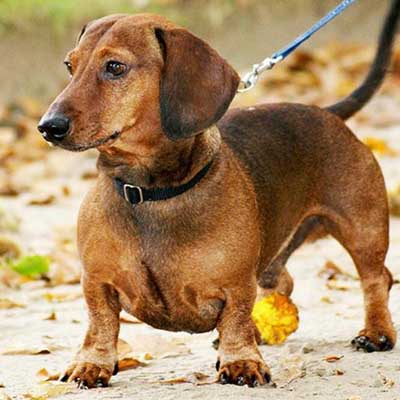
Dachshund
Since the 1950s, Dachshunds have consistently been among the most beloved dog breeds. With their distinctive long bodies and short legs, these dogs are not only charming but also exhibit a spirited and courageous personality. Although they possess intelligence, training can be challenging, especially if the techniques used become repetitive. Their inherent stubbornness often leads them to prefer their own methods. Originally developed in Germany for hunting small game, these characteristics are still apparent in their behavior today, which may manifest as a tendency to chase smaller animals or dig in the yard. Dachshunds are lively both indoors and outdoors, allowing them to adapt well to a variety of living environments.
Read more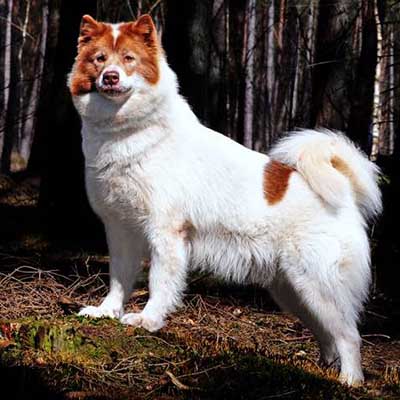
Canadian Eskimo Dog
The Canadian Eskimo Dog is a time-honored purebred that originates from Canada, as its name indicates. These dogs were integral to the Eskimo and Inuit communities, who depended on their strength and abilities as sled dogs. Historically, the responsibility of caring for Canadian Eskimo Dogs rested with women, which contributed to their gentle demeanor around children—a trait that continues today with proper socialization and care. While they typically behave well within their pack, they can display aggression towards unfamiliar dogs. Bred for the rigorous demands of pulling heavy sleds across extensive distances, this breed is very active and needs plenty of exercise. It’s essential to recognize that they are suited to the harsh Arctic environment and tend to struggle in warmer climates.
Read more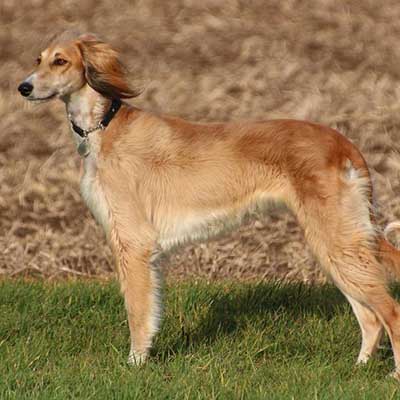
Taigan
For centuries, the Taigan has been a vital part of Kyrgyz culture, closely linked to their nomadic way of life. Celebrated for their exceptional hunting skills, these dogs have been essential in providing food for their owners, with the furs from their catches often bartered for other essential goods. The Taigan possesses a noble and dignified look, showcasing impressive concentration while hunting. At home, they become serene and devoted companions, forging deep connections with their families and exhibiting steadfast loyalty. Although they relish playful moments with children and enjoy family activities, they do not tolerate mistreatment or harsh training methods. The Taigan flourishes in open spaces, making them ideally suited for rural settings where they can channel their high energy levels. Affectionate and gentle with their loved ones, they may be wary of strangers but are not aggressive. They typically coexist well with other dogs, though smaller pets might be seen as potential prey. This charming breed is perfect for individuals with an active lifestyle and plenty of room; they are not ideal for apartment living, as urban environments may not accommodate their energetic nature.
Read more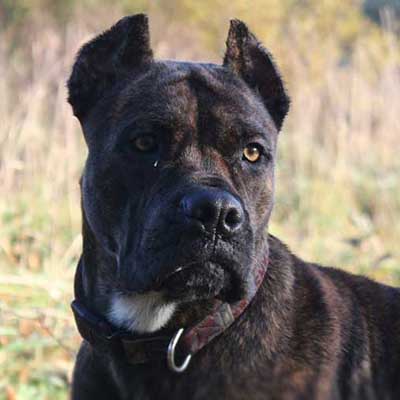
Alano Espanol
The Alano Espanol is a robust dog breed originating from Spain, initially bred for tasks like hunting, guarding, and herding. This breed is not ideal for inexperienced owners due to its size and strong-willed nature. Without proper training knowledge, managing them can be quite challenging. They thrive under the guidance of a confident leader in the home. However, with appropriate training, Alano Espanols can become deeply affectionate and loyal friends. It's important to be ready to invest considerable time each day in their care, as they are energetic dogs that need plenty of exercise.
Read more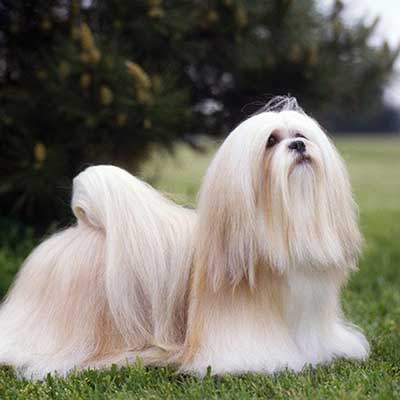
Lhasa Apso
These small but impressive dogs were initially bred to act as guardians in the temples and monasteries located in the Tibetan mountains thousands of years ago. Their popularity in the United States, however, only began in 1933 when the Dalai Lama presented several of these dogs to Mr. and Mrs. Suydam Cutting from New Jersey. Renowned for their joyful nature, these dogs are often playful and even a bit goofy at home, although they tend to be more reserved with unfamiliar faces and may display protective behaviors over their food and toys. Their beautiful, flowing coats require considerable maintenance, necessitating daily brushing and combing, even if kept relatively short.
Read more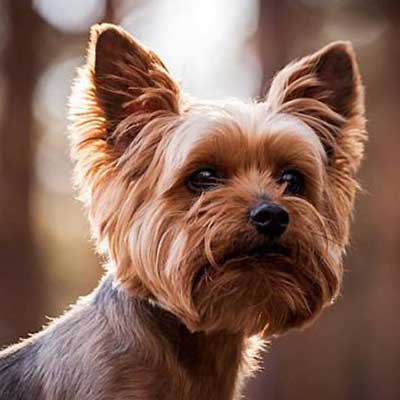
Yorkshire Terrier
The contemporary Yorkshire Terrier is a small breed primarily valued for companionship. In stark contrast, its forebears were much larger and were utilized for hunting small rodents and other vermin. It is thought that the Yorkshire Terrier emerged from a mix of several terrier breeds, with some contributions from the Maltese. Among these breeds are the Skye Terrier, Dandie Dinmont, Manchester Terrier, and the now-extinct Paisley or Clydesdale Terrier. Over the years, this brave little hunting dog evolved into a trendy pet, so petite that many women now carry them in handbags or under their arms. The American Kennel Club officially recognized the Yorkshire Terrier in 1885.
Read more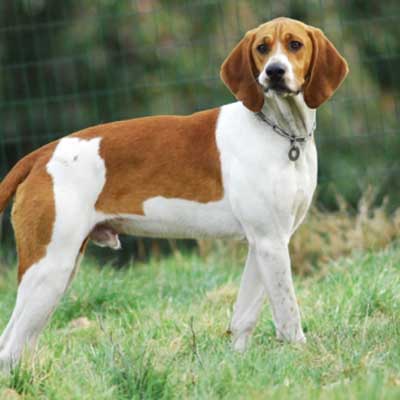
Anglo-Francais de Petite Venerie
The Anglo-Français de Petite Vénerie, much like various other French scent hounds, has a storied past that stretches back several centuries. This breed originated from the interbreeding of older Anglo-French hounds with the Poitevin, Beagle, Petite Gascon-Saintongeois, and Petite blue de Gascogne. The result is a dog that resembles English foxhounds in build while showcasing the unique head characteristics typical of French scent hounds. For centuries, these dogs have been primarily employed in hunting, often working in packs to flush out small game, and many of their behavioral traits are rooted in this historical function. Although they have long been recognized as hunting dogs in France, their appeal is now on the rise as show and companion animals in countries such as the United Kingdom, the United States, and Italy. Even when kept as individual pets, they maintain their pack-oriented instincts, displaying sociable, friendly, and non-aggressive behavior towards people, including strangers, and are particularly gentle with children. These dogs are known for their loyalty and affection, forming deep bonds with their families, especially with the owner who trains and socializes them. Like other scent hounds, they possess intelligence and a strong-willed nature, which can sometimes lead to stubbornness. This makes early training more effective when conducted by an experienced handler. They also have a tendency to bay, a behavior developed to alert their owners, which can create challenges in smaller living spaces like apartments. Furthermore, their hunting instincts may complicate living with small non-canine pets, as their prey drive can emerge unexpectedly. Despite these minor hurdles, the Anglo-Français de Petite Vénerie is a well-mannered breed that is gradually evolving from a traditional hunting dog into a beloved family companion.
Read more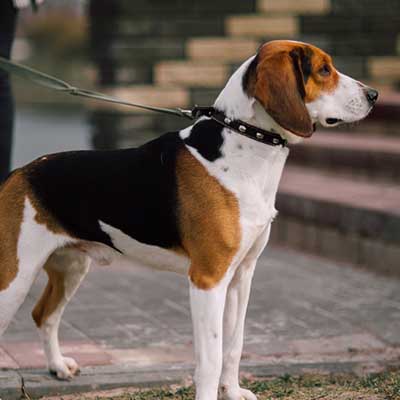
Estonian Hound
The Estonian Hound is celebrated for its impressive endurance and lively spirit, along with a keen sense of smell and a strong instinct to chase prey. This breed is sturdy and well-equipped to handle frigid temperatures. With a joyful and playful nature, the Estonian Hound usually demonstrates a gentle personality and a calm presence when properly socialized. Although they may seem somewhat aloof around unfamiliar faces, they convey their emotions in a polite way. This breed is quite vocal, often engaging in barking, howling, and baying, which can be moderated through training, though it may not be completely eradicated. An expansive rural property or a spacious home with a yard is ideal for this dog, along with considerate neighbors. The Estonian Hound tends to form strong bonds with children, particularly if they are socialized early on. They are surprisingly tolerant of rough play and exhibit a loving and gentle demeanor. Furthermore, they generally coexist well with other dogs, as they have been bred to hunt in groups. However, caution is warranted when introducing them to other pets, as their instinct to hunt may be triggered by smaller animals like rabbits.
Read more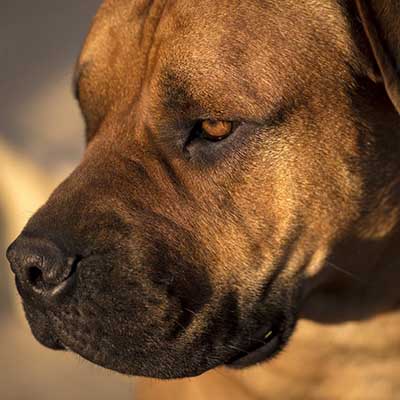
South African Boerboel
The Boerboel is a reliable breed recognized for its robust protective nature. This dog is fiercely loyal, ready to defend its family and home when its owners are away, and will not allow strangers to enter. Energetic and playful, Boerboels enjoy spending time with children, engaging in games of chase and running around for long stretches. They show impressive patience with kids, welcoming their playful antics and relishing the attention they receive. While they are devoted and affectionate towards their owners, it is crucial for them to have a strong, authoritative figure to set boundaries and ensure they obey commands. Due to their strength and powerful jaws, having a capable leader during their developmental stages is vital to prevent any potential risks to others. When it comes to guests, Boerboels require a proper introduction before they will accept them.
Read more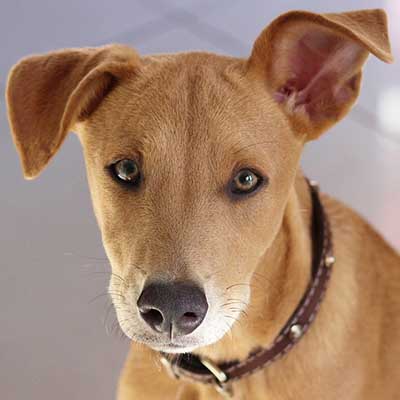
Africanis
The Africanis dog is a recently acknowledged landrace that has developed naturally in South Africa. This breed is celebrated for its versatility, showcasing a strong yet elegant build, paired with a temperament that balances friendliness with caution. Unlike many standardized dog breeds, the Africanis displays a remarkable diversity within its population due to its organic evolution. There are still thriving feral groups of these dogs found near various traditional towns across South Africa. Until the late 1990s, they were often regarded as mere mongrels and faced considerable bias. However, the Africanis Society, founded by John Gallant and Dr. Udo Küsel, has played a crucial role in improving their standing and recognition.
Read more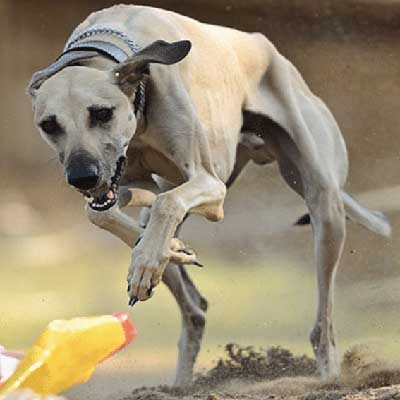
Rampur Greyhound
The Rampur Greyhound is a medium to large sighthound breed that traces its origins back to the 18th or 19th century, developed by Ahmad Ali Khan, the Nawab of Rampur. This breed was intentionally bred for the pursuit of challenging game such as boars, jackals, and even lions. While the population of Rampur Greyhounds has been slowly rising, they are still considered critically endangered and are quite uncommon outside of India. Most of the remaining dogs of this breed are utilized for hunting and guarding purposes within the country, and currently, none of the major kennel clubs have granted them official recognition.
Read more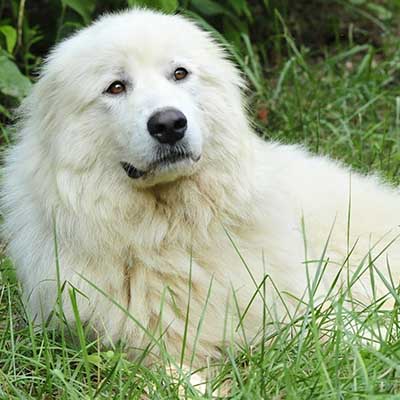
Akbash
The Akbash is a large breed recognized primarily for its role as a guardian of livestock. Historically, its main purpose has been to protect property and herds from various threats. In recent times, however, this breed is increasingly being seen as a family protector and guard dog. While the Akbash is generally affectionate and gentle with its family members, it can be cautious and may show aggression towards unfamiliar people and other dogs. Consistent training is crucial for this breed, making it less ideal for those who struggle to establish themselves as strong leaders. The Akbash has a natural respect for authority and may try to take on a dominant role if allowed. Furthermore, it tends to have difficulty interacting with children and may display food aggression.
Read more