Alano Espanol
Spanish Bulldog, Alano, Spanish Alano
The Alano Espanol is a robust dog breed originating from Spain, initially bred for tasks like hunting, guarding, and herding. This breed is not ideal for inexperienced owners due to its size and strong-willed nature. Without proper training knowledge, managing them can be quite challenging. They thrive under the guidance of a confident leader in the home. However, with appropriate training, Alano Espanols can become deeply affectionate and loyal friends. It's important to be ready to invest considerable time each day in their care, as they are energetic dogs that need plenty of exercise.
Breed Origin
The Alano Espanol is an ancient dog breed whose origins remain largely enigmatic. The absence of comprehensive historical records has led to various theories about its inception. One widely accepted hypothesis posits that these dogs were brought to the Iberian Peninsula during the Alan invasion in 406 A.D. Similar breeds have been identified in several European regions that the Alans conquered, with the largest concentration found in Spain. With its ancient lineage, the Alano Espanol does not belong to any documented ancestry. Many specialists believe it is derived from ancient molosser breeds and may share common ancestors with the Dogue de Bordeaux, Mastiff, or Great Dane. For centuries, this breed has been employed as a herding dog for wild cattle across different Spanish regions. The Alano Espanol was utilized for five main purposes: herding wild cattle, engaging in bullfights and dog fights, hunting large game, serving as guard dogs, and even participating in warfare. Their exceptional hunting skills, particularly in tracking wild boar, drew the attention of dog fighters who recognized their potential in the arena. The breed also played a significant role in bullfighting until the practice was banned in 1883. In an effort to find any remaining purebred Alano Espanol, Carlos Contera and his team searched throughout Spain, fearing the breed might be on the brink of extinction. They successfully located a small group in the Extremadura region of southwest Spain and a larger population in the Encartaciones Valley in the north. To verify the breed's authenticity, DNA samples from these dogs were sent to the University of Cordoba’s School of Veterinary Medicine. In the early 1980s, researchers began to chart the demographic distribution of the Alano Espanol. Today, this breed still functions as a guard dog and occasionally assists in cattle herding, although they are also found in illegal dog fighting rings due to their powerful jaws.
Breed Appearance
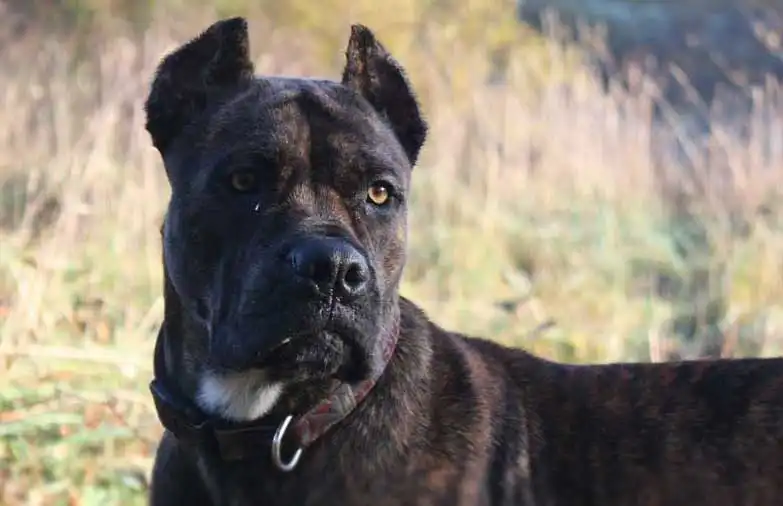
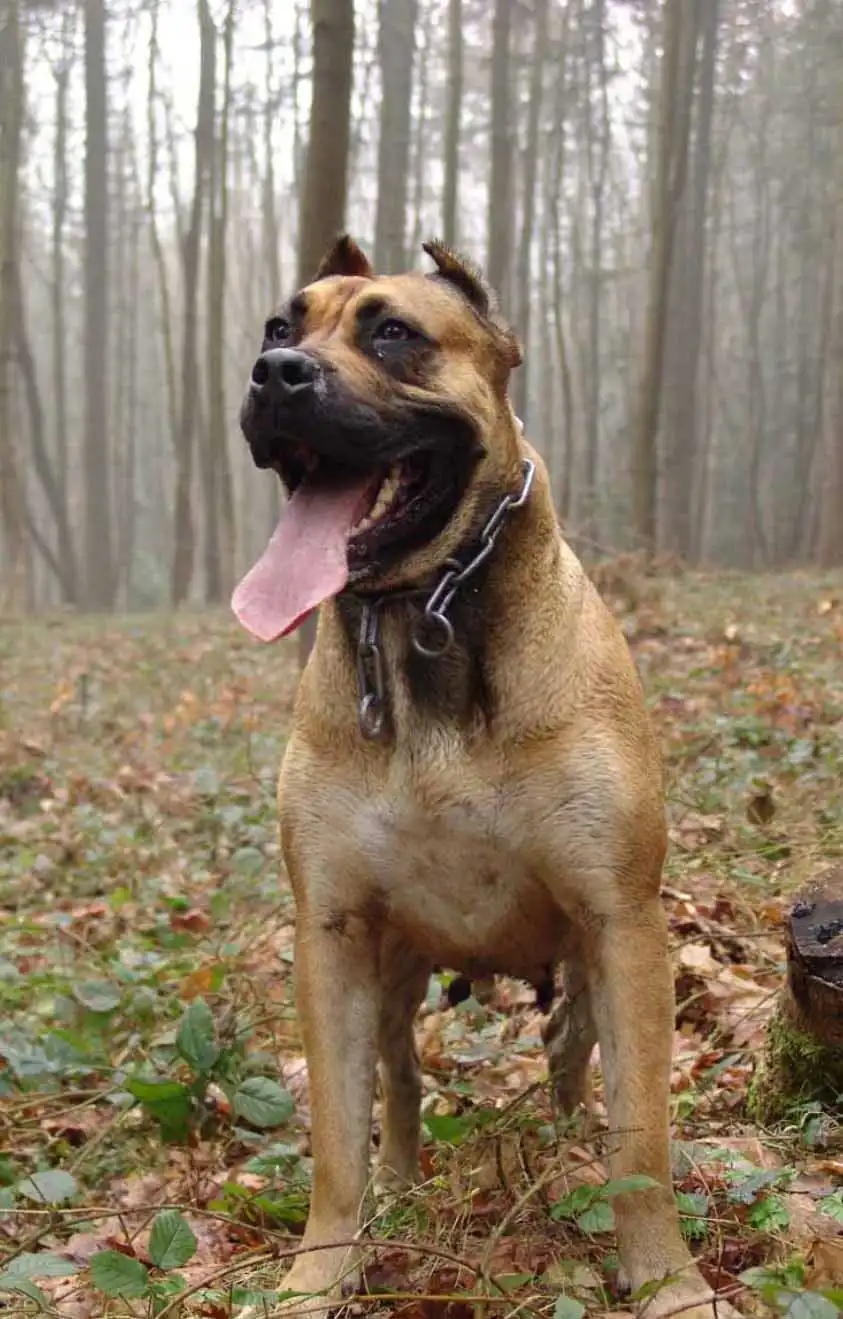
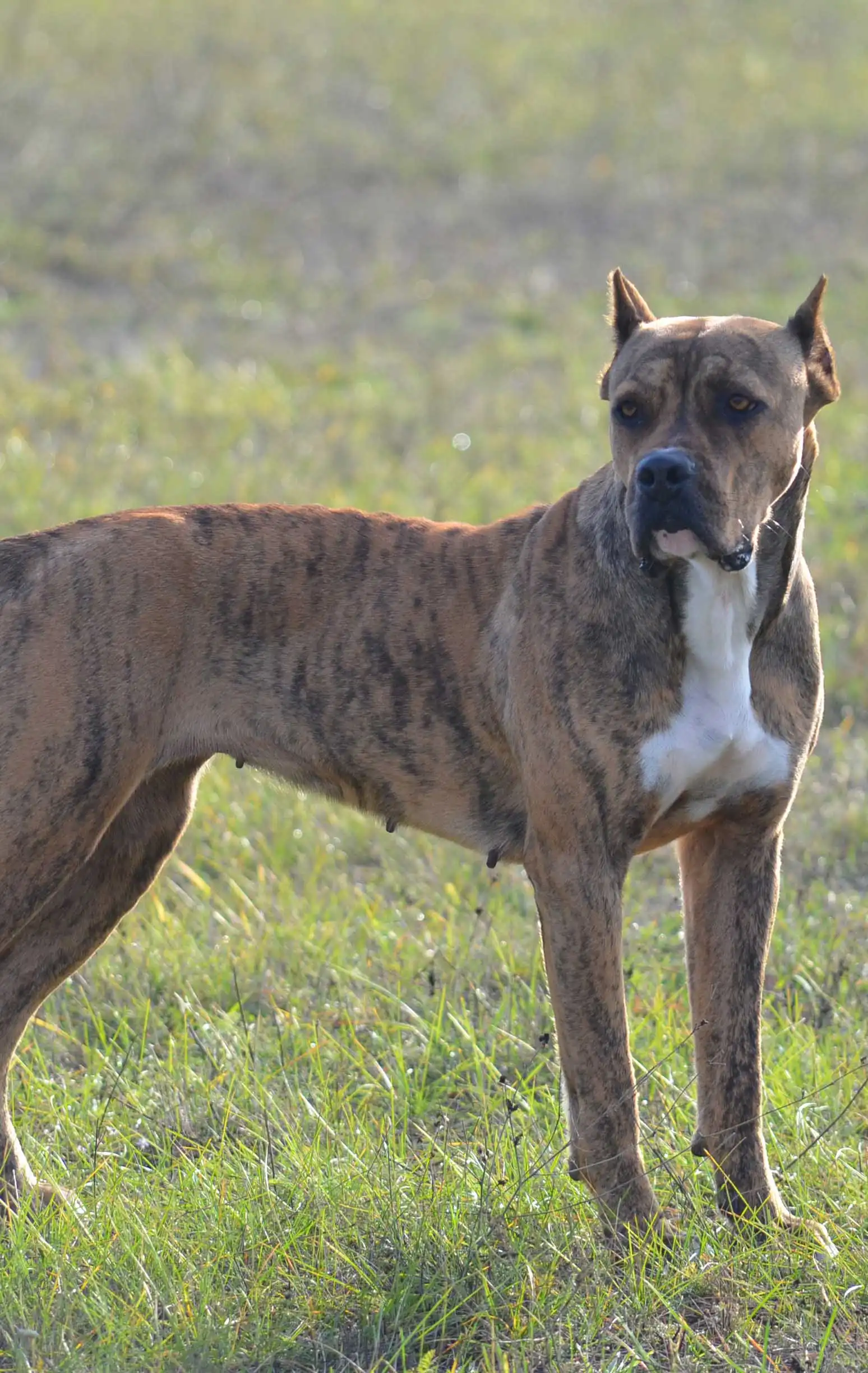
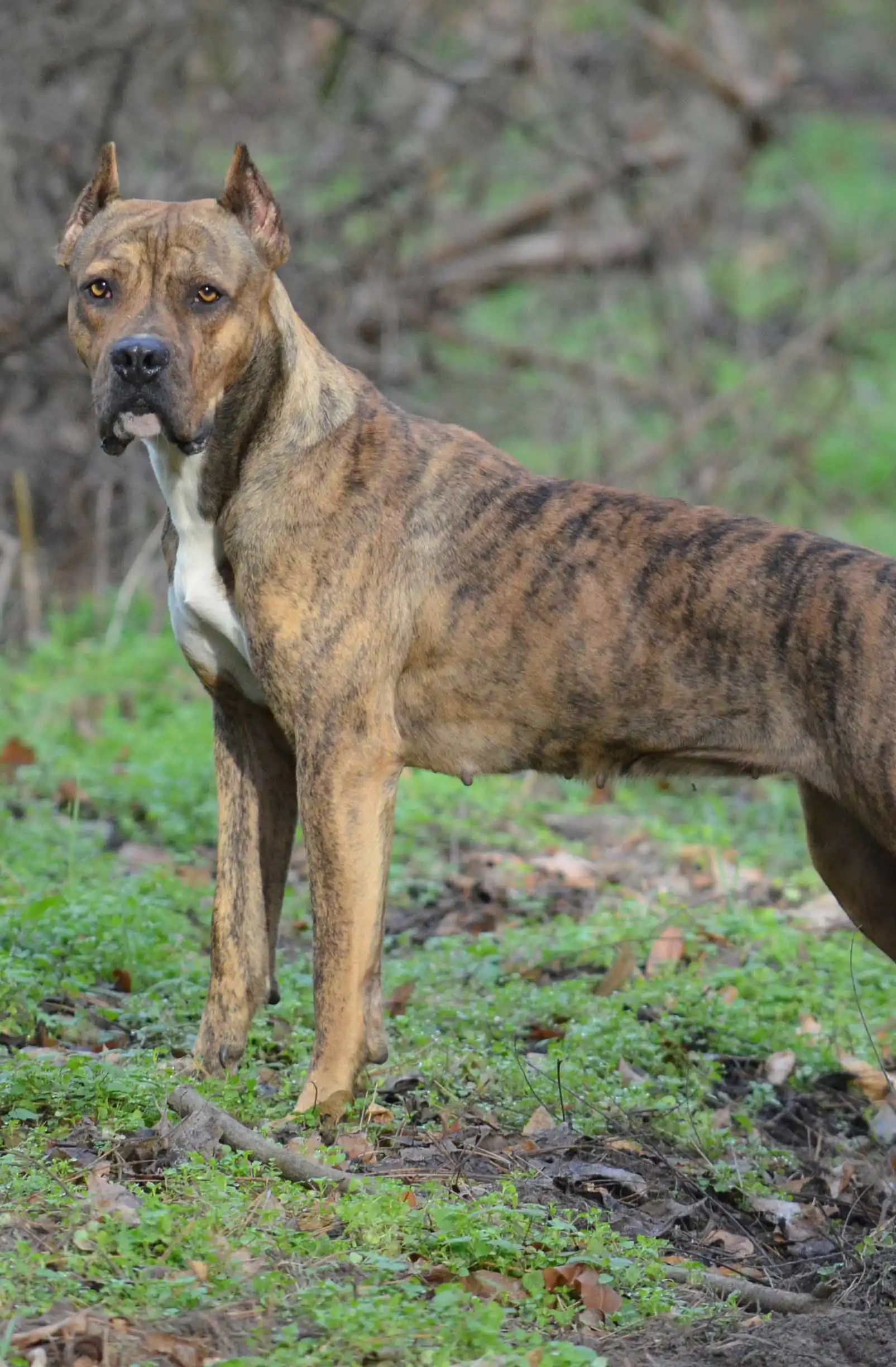
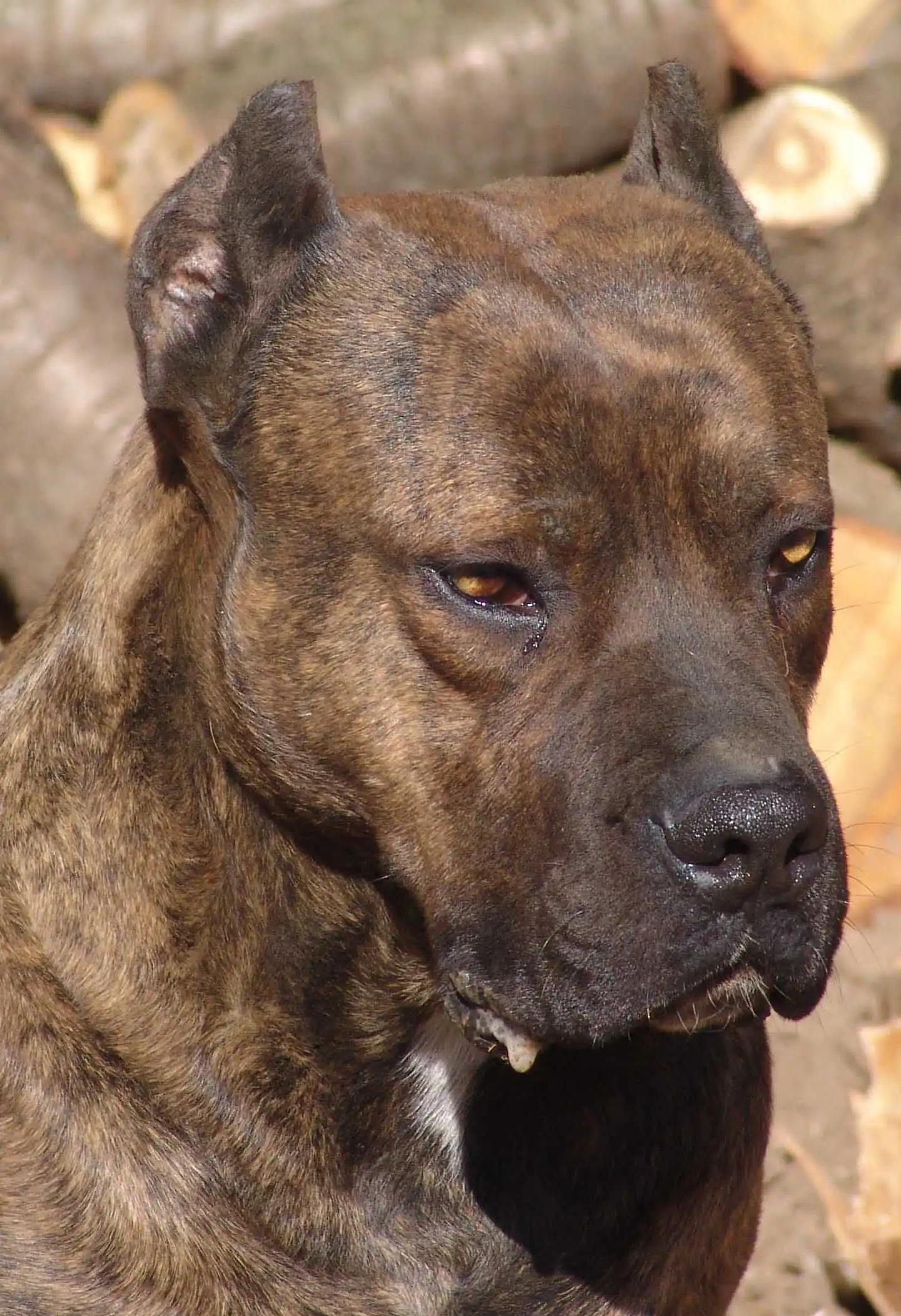
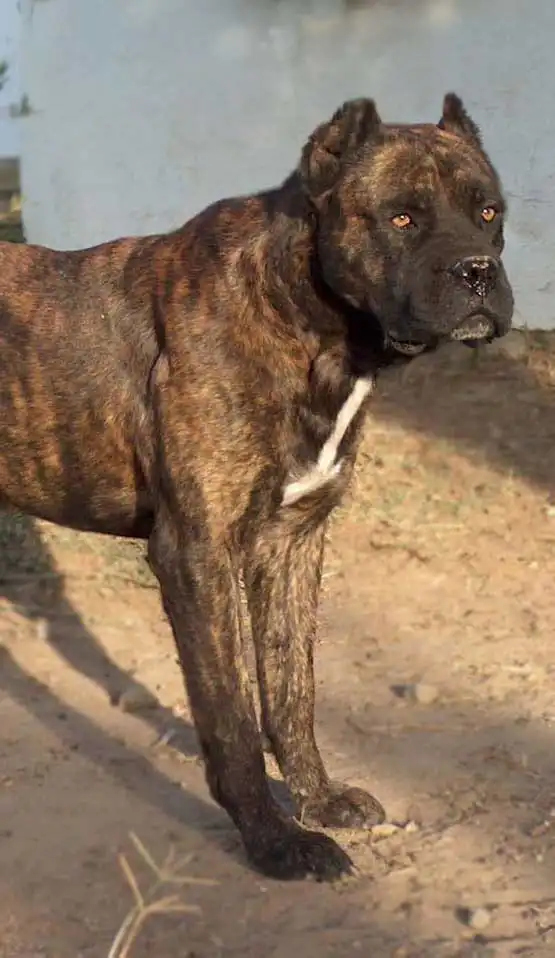
The Alano Espanol is a sturdy and substantial breed that showcases a somewhat primitive appearance, which has remained consistent over the centuries. This dog boasts a well-proportioned body, marked by an arched ribcage and long, powerful legs. Its chest is deep and muscular, and it has large feet with tightly packed toes. The tail is long and thick at the base, carried low but not resting against the dog's hindquarters. As a brachycephalic breed, the Alano Espanol features a short, flat, square-shaped face, equipped with strong jaws that can lock when biting. Its eyes are slightly rounded and dark, lending a serious expression to its demeanor. The breed has a broad, large nose with open nostrils, which are always black. Typically, the ears are cropped to a slightly rounded shape; if left uncropped, they are of medium size and fold forward. The coat is short, coarse, and straight, with a softer undercoat. Acceptable coat colors include wolf gray, fawn, red, and yellow, with variations such as brindling, a black mask, or black and tan markings.
Care Routine
The Alano Espanol requires minimal grooming, typically needing just a monthly brushing unless they are shedding, which happens seasonally. For indoor pets, it's recommended to brush them weekly to eliminate dirt and loose fur, which also helps prevent unpleasant odors. When grooming, choose a soft slicker brush or a natural bristle brush. Limit baths to two or three times a year to prevent skin dryness, and use only a mild shampoo. Interestingly, the Alano Espanol, like the Cane Corso, is among the few molosser breeds that do not snore, slobber, or drool. Regular nail care is crucial, so check their nails every few weeks and use clippers or a nail grinder as necessary. Additionally, establish a weekly dental care routine to keep their gums and teeth healthy.
Behavior & Temperament
This breed takes its duties very seriously and is not ideal for owners who do not have a strong, assertive presence. The Alano Espanol is naturally confident but can show submission to a well-trained handler. When raised from a young age, given early socialization, and properly trained, they can develop a gentle and loving nature. Although they are not known for excessive barking, they may engage in destructive behaviors if they feel neglected. This breed typically does not provide warning signs before an attack, which makes it essential to supervise them closely around strangers. In a working environment, the Alano Espanol is highly obedient, often ignoring pain or fear, and demonstrates remarkable loyalty, sometimes to the extent of fighting fiercely if necessary. This steadfast commitment has historically made them well-suited for roles in bullfighting and wild boar hunting. However, if they choose to attack and cannot be controlled by their owner, they can pose a significant danger to other dogs and even people. Thus, comprehensive training is vital. Unlike many larger breeds, the Alano Espanol can be particularly difficult to housebreak.
Play & Exercise
This breed needs ample daily exercise and consistent human engagement to avoid developing destructive habits. A suitable living space for them should feature a large yard enclosed by a tall, robust fence. Their nature suggests they flourish when given specific tasks, which enhances their overall well-being. Aim to take them on at least three walks each day, incorporating obedience training to strengthen the bond between you and your dog. During walks, it's advisable to steer clear of unfamiliar people until you feel assured in your Alano Espanol's training. While they are typically not aggressive with other dogs, close supervision is essential in a dog park environment.
Things to Know
Cups Per Day
2.8 Cups
Daily Activity
60 Minutes
Average Lifespan
13 Years
Origin
Ancient Times
Type
Pure Breeds
Size
Large
Origin Country
Spain
Brush Frequency
Monthly
Coat Texture
Straight
Register
Your kids have been begging for a pet forever, and you've recently decided that it's time for your family to get a new addition -- a dog! While everyone is excited for the new arrival, you're wondering if you need to have a dog license. How much does it cost? Is it required? Where do you get one?
Member Clubs

PETINNATE
Other
Height & Weight
Weight
72 lbs (33 kg)Male: 77 lbs (35 kg) , Female: 66 lbs (30 kg)
Height
24 inches (61 sm)Male: 24 inches (61 sm) , Female: 23 inches (58 sm)
6 Months
30 lbs ( m 30 lbs, f 30 lbs )
18 inches ( m 18 inches, f 18 inches )
12 Months
47 lbs ( m 47 lbs, f 47 lbs )
20 inches ( m 20 inches, f 20 inches )
18 Months
66 lbs ( m 66 lbs, f 66 lbs )
23 inches ( m 23 inches, f 23 inches )
Eye Colors
Brown

Nose Colors
Black
Coat Colors
Brindle
Black

Fawn

Red
Gray