Canadian Eskimo Dog
Qimmiq, Canadian Inuit Dog, Esquimaux Dog, Esquimaux Husky
The Canadian Eskimo Dog is a time-honored purebred that originates from Canada, as its name indicates. These dogs were integral to the Eskimo and Inuit communities, who depended on their strength and abilities as sled dogs. Historically, the responsibility of caring for Canadian Eskimo Dogs rested with women, which contributed to their gentle demeanor around children—a trait that continues today with proper socialization and care. While they typically behave well within their pack, they can display aggression towards unfamiliar dogs. Bred for the rigorous demands of pulling heavy sleds across extensive distances, this breed is very active and needs plenty of exercise. It’s essential to recognize that they are suited to the harsh Arctic environment and tend to struggle in warmer climates.
Breed Origin
The Canadian Eskimo Dog is a breed with uncertain origins, thought to be a descendant of spitz-type dogs and possibly linked to the Greenland Dog. This breed has been connected to the Arctic for around 4,000 years, primarily among the Eskimo communities in Greenland and Alaska. Historically, they have been favored by Arctic explorers at both the North and South Poles and are referred to as Qimmiq by the Inuit people. Inuit communities once used the frozen urine of these dogs for medicinal purposes, and their fur was highly valued. During periods of food scarcity, they sometimes turned to these dogs as a source of sustenance. Known for their remarkable strength, Canadian Eskimo Dogs were exceptional sled dogs, capable of pulling heavy loads over vast distances, and they also played a role in hunting. However, the breed's numbers began to dwindle with the introduction of snowmobiles, and between 1950 and 1970, the Royal Canadian Mounted Police culled many sled dogs. The reasons for this action are debated; some reports pointed to health issues, while Inuit communities perceived it as a tactic of intimidation. Fortunately, a breeding initiative launched in the late 1980s by the Canadian Eskimo Dog Research Foundation, the Canadian Kennel Club, and the Canadian Government helped to save the breed from extinction. In the 2000s, as the Inuit in Greenland renewed their interest in their cultural heritage, the Canadian Eskimo Dog began to receive greater recognition, although it still remains a rare breed today.
Breed Appearance
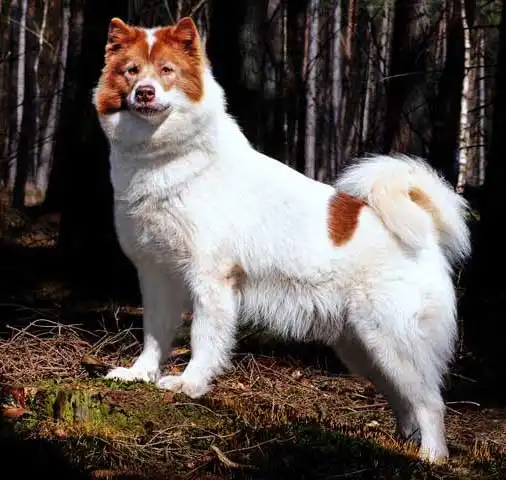
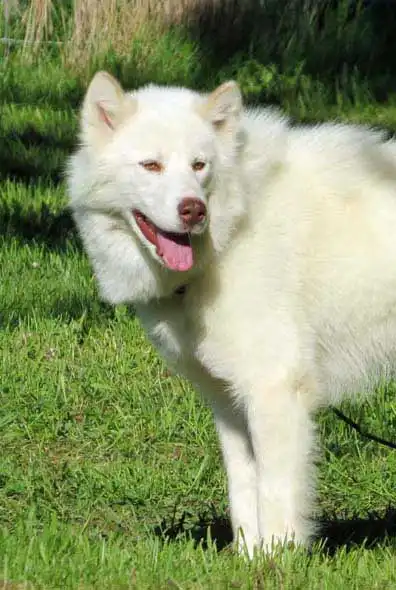
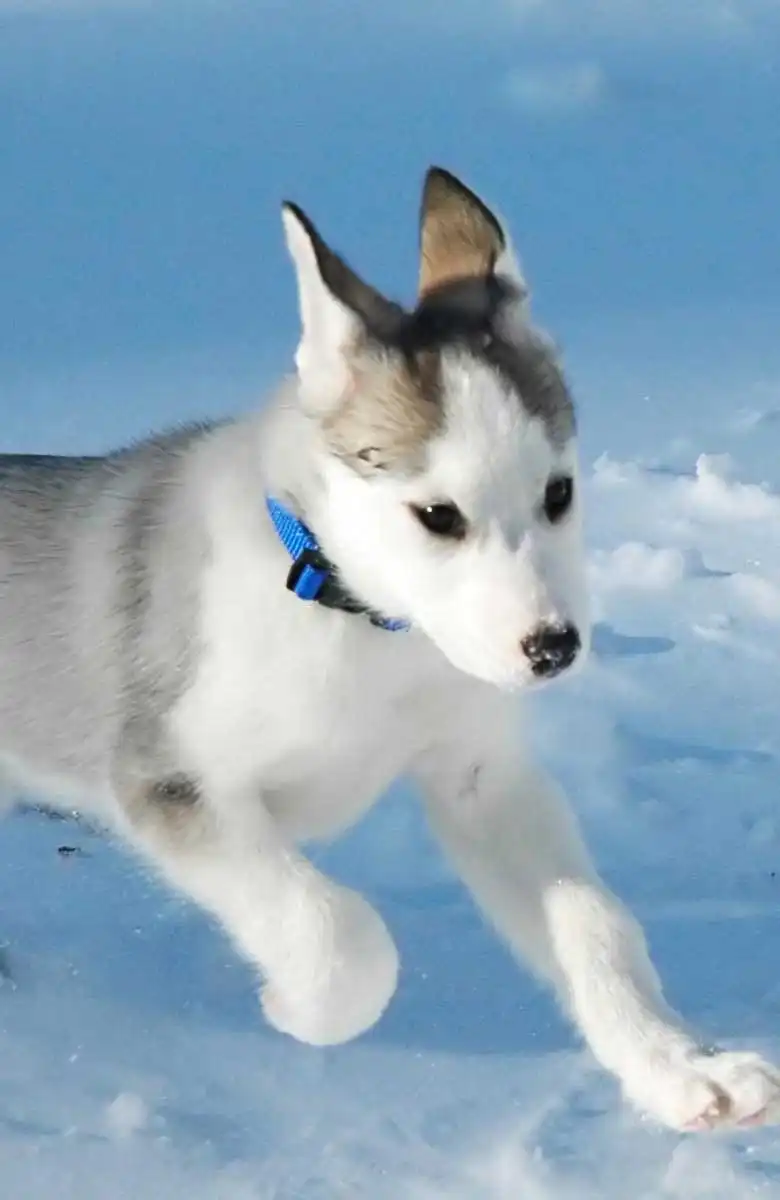
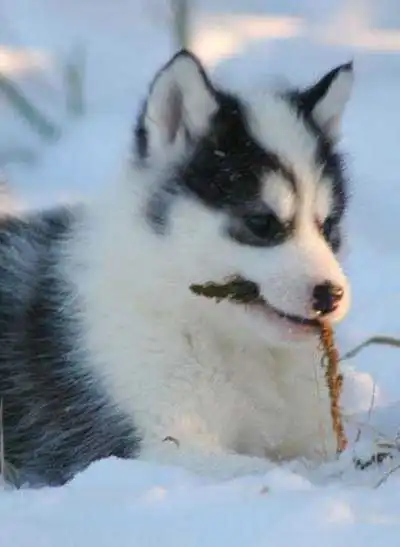
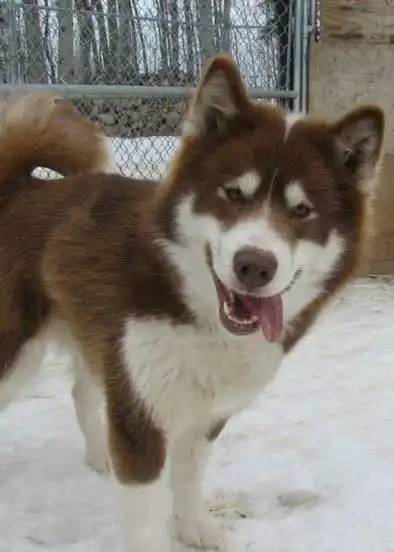
The Canadian Eskimo Dog shares similarities with both the Malamute and the Husky. Males are particularly strong and muscular, whereas females generally exhibit a more refined physique and shorter fur. This purebred breed is naturally equipped with a thick, dense coat and stiff hairs that help them endure extremely cold environments. A notable characteristic of the Canadian Eskimo Dog is the prominent mane of fur around its neck, especially evident in males. These dogs have a robust build, featuring thick necks, deep chests, wedge-shaped heads, and small, erect ears. Their eyes are almond-shaped, usually in dark brown or amber hues. With medium-length legs and tails that curl over their backs, they bear a resemblance to Huskies. Canadian Eskimo Dogs are available in various colors, including white, red, grey, sable, silver, black, and liver.
Care Routine
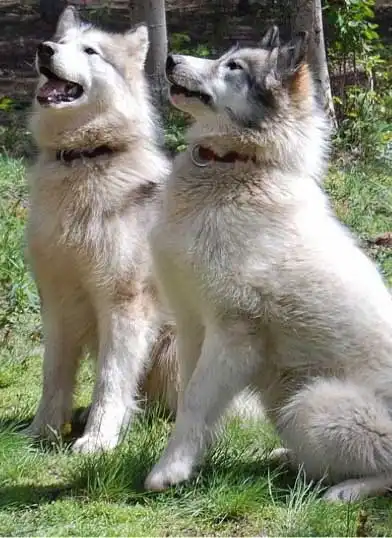
Canadian Eskimo Dogs generally need regular grooming, but you may want to increase the frequency during warmer months when they begin to shed. Regular brushing is crucial for removing mats and tangles. It's also important to brush their teeth daily, or at least two to three times a week, to ensure their teeth and gums remain healthy and their breath stays fresh. Nail trimming is necessary as well, typically once or twice a month, although this can depend on how active your dog is. If you hear their nails clicking on the floor while they walk, it’s a clear indication that they need a trim. Additionally, gently cleaning their ears on a weekly basis is vital to prevent ear infections and to catch any potential issues early.
Behavior & Temperament
These dogs share a deep-rooted connection with humans, making them loving and gentle companions. They have a strong desire to please their owners and are quite attentive, although they can be somewhat vocal at times. This breed is alert and makes an excellent watchdog, demonstrating both courage and loyalty. Their intelligence allows for straightforward training. They are lively and playful, especially around children, which makes them an ideal choice for families. Additionally, they are social animals that typically get along well with other dogs that recognize their social structure. However, they may show aggression towards unfamiliar dogs outside their group, which can lead to confrontations. It’s wise to keep other pets at a distance, as these dogs might see smaller animals as potential prey. Moreover, if not properly supervised, they can develop destructive behaviors, such as chewing. Therefore, it is essential to provide these large dogs with plenty of exercise each day.
Play & Exercise
The Canadian Eskimo Dog is a breed uniquely suited to thrive in the harsh and icy environments of the Arctic. Consequently, these dogs excel in extremely low temperatures but find it difficult to adjust to warmer weather. Their thick fur can lead to overheating in hotter conditions, making it crucial to restrict their physical activity during the summer. Initially bred for the demanding task of pulling heavy sleds, these dogs are highly energetic. Given their size and activity needs, they generally do not adapt well to apartment living unless they receive sufficient exercise. Ideally, they should live in a home with a large, securely fenced yard. Daily walks are vital, and they need at least 40 minutes of exercise each day to maintain their health and happiness.
Things to Know
Cups Per Day
3.0 Cups
Daily Activity
45 Minutes
Average Lifespan
13 Years
Origin
Ancient Times
Type
Pure Breeds
Size
Large
Origin Country
Canada
Brush Frequency
Weekly
Coat Texture
Straight
Register
Your kids have been begging for a pet forever, and you've recently decided that it's time for your family to get a new addition -- a dog! While everyone is excited for the new arrival, you're wondering if you need to have a dog license. How much does it cost? Is it required? Where do you get one?
Member Clubs

PETINNATE
Northern Breed

UKC
Northern Breed
Height & Weight
Weight
71 lbs (32 kg)Male: 80 lbs (36 kg) , Female: 63 lbs (29 kg)
Height
29 inches (74 sm)Male: 33 inches (84 sm) , Female: 25 inches (64 sm)
6 Months
40 lbs ( m 40 lbs, f 40 lbs )
12 inches ( m 12 inches, f 12 inches )
12 Months
45 lbs ( m 45 lbs, f 45 lbs )
20 inches ( m 20 inches, f 20 inches )
18 Months
47 lbs ( m 47 lbs, f 47 lbs )
22 inches ( m 22 inches, f 22 inches )
Eye Colors
Brown

Amber
Nose Colors
Black
Brown
Coat Colors
Black
Sable
Gray
Red
White