Rampur Greyhound
North Indian Greyhound
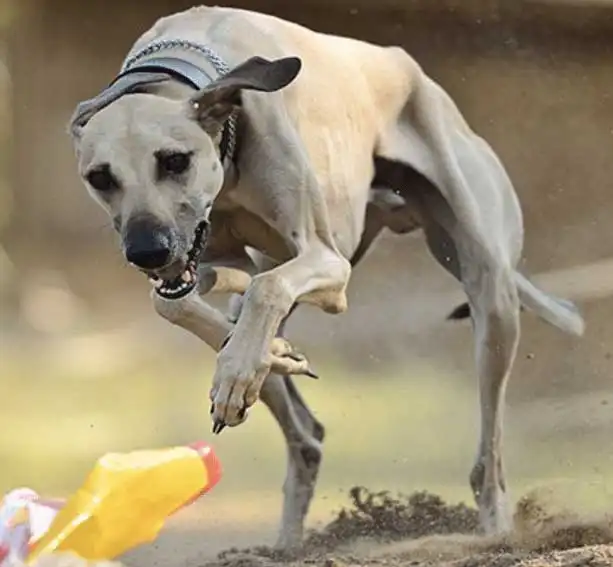
The Rampur Greyhound is a medium to large sighthound breed that traces its origins back to the 18th or 19th century, developed by Ahmad Ali Khan, the Nawab of Rampur. This breed was intentionally bred for the pursuit of challenging game such as boars, jackals, and even lions. While the population of Rampur Greyhounds has been slowly rising, they are still considered critically endangered and are quite uncommon outside of India. Most of the remaining dogs of this breed are utilized for hunting and guarding purposes within the country, and currently, none of the major kennel clubs have granted them official recognition.
Breed Origin
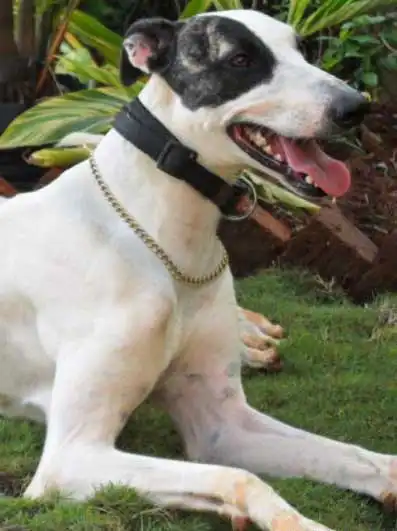
The Rampur Greyhound was developed by Ahmad Ali Khan, the Nawab of Rampur, in the late 18th or early 19th century. He expertly combined two distinct breeds of sighthounds to create this new hunting dog. The Tazi, originating from Central Asia, were prized for their ability to hunt and kill wolves, though they often displayed a strong-willed and sometimes aggressive temperament. On the other hand, English Greyhounds are recognized for their gentle nature, affectionate disposition, and ease of training. The offspring of this crossbreeding surpassed the Nawab's expectations as hunters, proving to be strong, fast, and adept at pursuing various prey while maintaining a level of obedience. These dogs became favorites among the Maharajas of India, who utilized them not only for hunting wild boar but also for tracking a variety of wildlife, including jackals and large cats like leopards, panthers, lions, and tigers. However, after India gained independence from British rule in 1947, the allure of the Maharajas and their hunting traditions waned, leading to a decline in the Rampur Greyhound's status. The reduced interest in hunting dogs in India caused a significant drop in their population, putting the breed in jeopardy of extinction. Recently, there has been a modest revival in their numbers. Nevertheless, the Rampur Greyhound remains largely unrecognized by major kennel clubs, and most of the remaining dogs are used as working animals. Outside of India, they are relatively unknown, with only a handful of sightings reported in the United States.
Breed Appearance
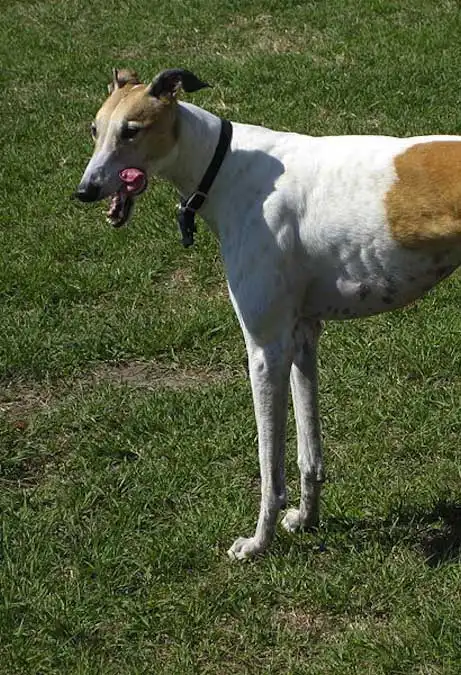
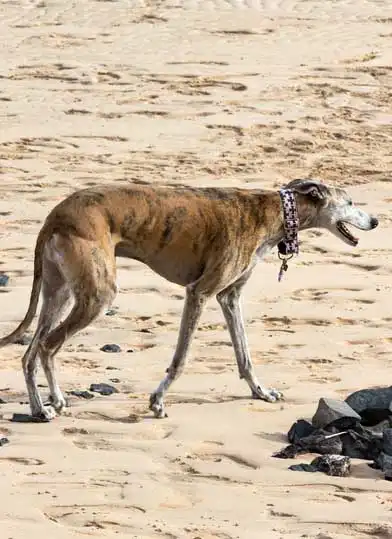
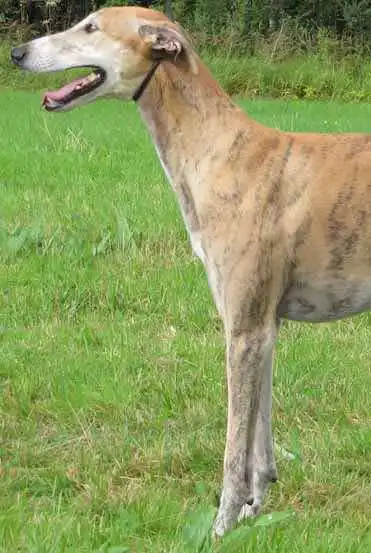
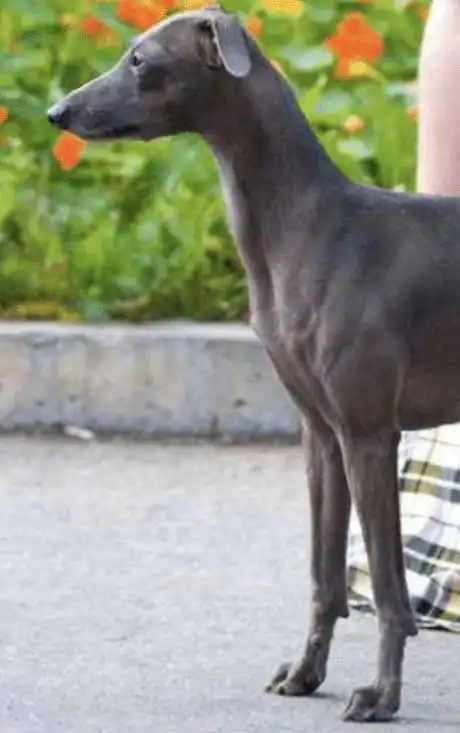
This breed is a sizable dog, generally reaching around two feet in height at the withers, yet they exhibit a sleek and elegant build. Like many sighthounds, their body is proportionally longer than their height, featuring long, slender but robust legs and a tail that resembles a whip. Their skull is narrow, paired with a tapered muzzle that is slightly broader than that of the English Greyhound. The breed's oval-shaped eyes can vary in shades of amber and yellow, while their long ears typically lie flat against their heads. A notable feature of these dogs is their webbed feet and highly flexible toes, which significantly aid in climbing and maintaining balance. They are available in a range of colors, often embellished with white markings, especially on their chests and paws.
Care Routine
The grooming requirements for the Rampur Greyhound are quite simple. These dogs are naturally odorless, which means they only require an occasional bath. To keep their coat healthy and shiny, regular brushing with a soft slicker brush, a rubber curry comb, or even a chamois should be performed once or twice a week to remove loose hair. It’s important to brush gently, as this breed has thinner skin that is more prone to injury. Providing a soft bed or cushioned surface is also essential, as the Rampur Greyhound's sensitive skin is more vulnerable to bed sores. Additionally, incorporating vitamin A into their diet can help strengthen and protect their skin, while consistent dental care, including tooth brushing, is crucial for preventing oral health issues.
Behavior & Temperament
These dogs are recognized for their careful grooming habits and strong attachment to their owners, often developing a close relationship with a single individual rather than being sociable with multiple family members. They display a gentle and sensitive nature around children; however, without adequate training, they may become overly exuberant and inadvertently knock people down. While they typically have difficulty getting along with other dogs, they relish energetic playtime with fellow Rampur Greyhounds, which can include lively running and playful bumps. Given their high prey drive, it is crucial to keep them leashed at all times, and they should not be left unattended in the yard, as their agile toes allow them to easily leap over fences. Training these dogs is generally uncomplicated, as they are both intelligent and obedient, though they can be easily sidetracked, particularly by fast-moving objects.
Play & Exercise
These dogs are exceptionally energetic and tend to have more stamina than many other sighthounds. They need daily physical activity, ideally through walks or runs of at least an hour, and should also have opportunities to run freely in a safe space, like a fenced yard. Generally, they are calm and keep their living areas tidy. While they do best in homes with outdoor spaces, they can adapt to apartment life for a short period, as long as they get plenty of outdoor exercise. It’s important to refrain from letting these dogs participate in high-impact activities until their bones are fully matured.
Things to Know
Cups Per Day
2.0 Cups
Daily Activity
60 Minutes
Average Lifespan
12 Years
Origin
Early 19th century
Type
Pure Breeds
Size
Large
Origin Country
Rampur, India
Brush Frequency
Weekly
Coat Texture
Straight
Register
Your kids have been begging for a pet forever, and you've recently decided that it's time for your family to get a new addition -- a dog! While everyone is excited for the new arrival, you're wondering if you need to have a dog license. How much does it cost? Is it required? Where do you get one?
Member Clubs

PETINNATE
Other
Height & Weight
Weight
63 lbs (29 kg)Male: 63 lbs (29 kg) , Female: 63 lbs (29 kg)
Height
25 inches (64 sm)Male: 27 inches (69 sm) , Female: 23 inches (58 sm)
6 Months
43 lbs ( m 43 lbs, f 43 lbs )
19 inches ( m 19 inches, f 19 inches )
12 Months
56 lbs ( m 56 lbs, f 56 lbs )
22 inches ( m 22 inches, f 22 inches )
18 Months
62 lbs ( m 62 lbs, f 62 lbs )
23 inches ( m 23 inches, f 23 inches )
Eye Colors
Amber

Nose Colors
Black
Coat Colors
Fawn
White
Pied
Brindle
Gray
Black