Akbash
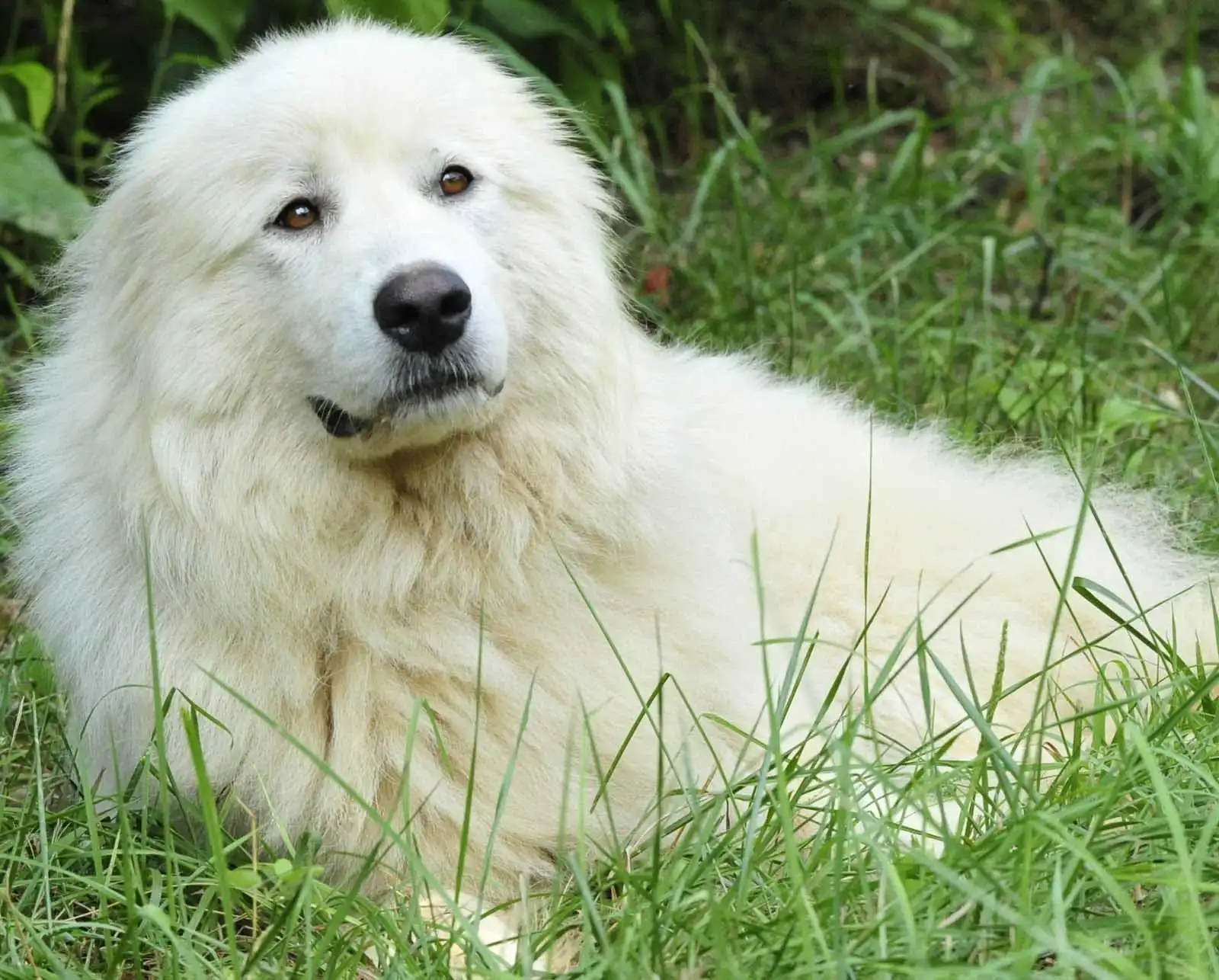
The Akbash is a large breed recognized primarily for its role as a guardian of livestock. Historically, its main purpose has been to protect property and herds from various threats. In recent times, however, this breed is increasingly being seen as a family protector and guard dog. While the Akbash is generally affectionate and gentle with its family members, it can be cautious and may show aggression towards unfamiliar people and other dogs. Consistent training is crucial for this breed, making it less ideal for those who struggle to establish themselves as strong leaders. The Akbash has a natural respect for authority and may try to take on a dominant role if allowed. Furthermore, it tends to have difficulty interacting with children and may display food aggression.
Breed Origin
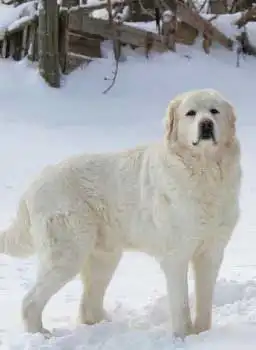
The Akbash breed has its roots in Turkey, dating back to approximately 750 B.C., where it was originally developed to protect livestock. These dogs are typically found in white or biscuit hues, which helps them blend in with their herds and surprise any potential threats. Originating from Turkey's western plains and mountainous areas, the Akbash is thought to be a descendant of a combination of mastiff-type breeds and sighthounds. As guardians of livestock, Akbash dogs form strong bonds with their herds and display a notable level of independence, often cohabiting with the animals with little human oversight. Their remarkable vision and acute hearing enable them to identify dangers effectively, ensuring the safety of the livestock. Although the Akbash is frequently likened to other guardian breeds from the Mediterranean, it distinguishes itself through a unique combination of sturdy mastiff characteristics and the nimbleness of sighthounds. In the 1970s, American researchers David and Judy Nelson undertook field studies in Turkey that focused on the Akbash breed. Their work resulted in the importation of over 40 Akbash dogs to the United States, establishing the breed's foundation in both the U.S. and Canada. In 1980, the U.S. Department of Agriculture recognized the Akbash as a guardian dog by including it in its Predator Control Program. The breed received further recognition in 1998 when the United Kennel Club (UKC) granted it official status, allowing participation in all UKC-sanctioned events.
Breed Appearance
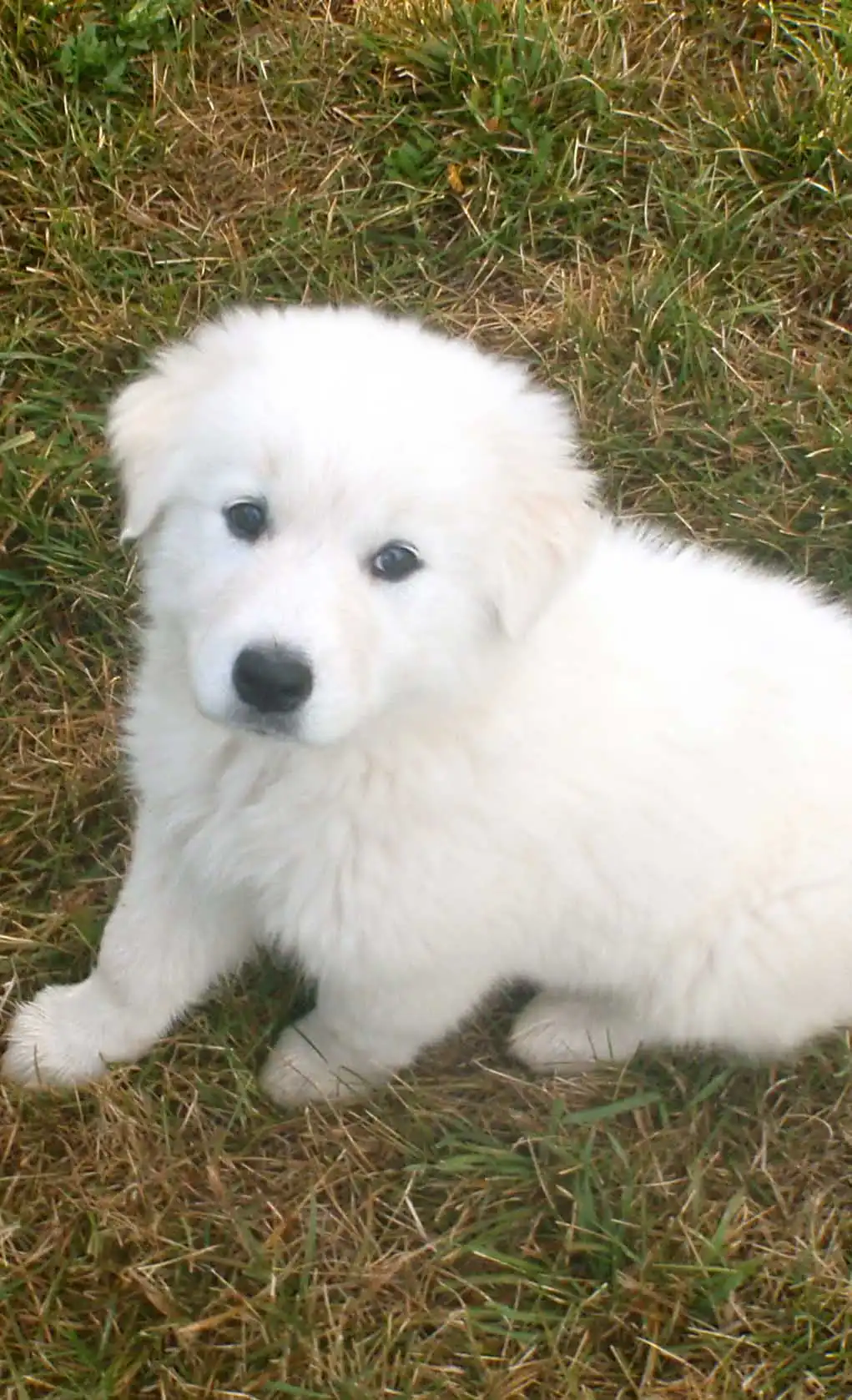
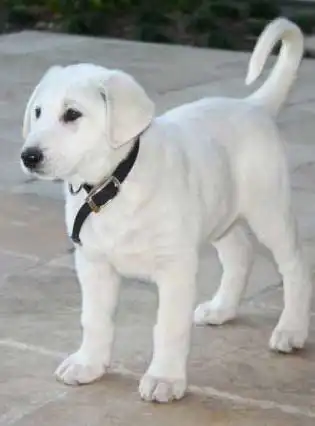
The Akbash is primarily recognized for its striking white coat, though some individuals may display biscuit-colored markings on their fur or head. In contrast to many livestock guardian breeds that are lighter in color to blend in with their flocks and avoid confusion with darker predators, the Akbash's distinctive appearance sets it apart. A key feature of this breed is the presence of double dewclaws on its hind legs. The coat of the Akbash can be either short or long, but both variations are double-coated, comprising a protective outer layer and a softer undercoat. This breed is known for considerable shedding, especially during the spring and summer seasons. Ideally, the coat should be straight, with a slight wave being acceptable. The outer layer is coarse, characterized by longer guard hairs, while the undercoat is fine and plush. In the short-haired version, the fur is short to medium in length and lies close to the body, with slightly longer hair around the neck, legs, thighs, and tail. In contrast, the long-haired variety features longer fur that may exhibit a gentle wave, but it should never be curly.
Care Routine
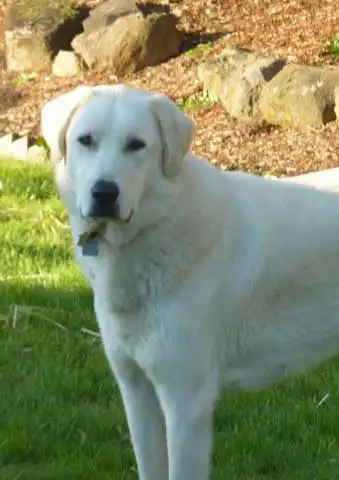
The Akbash breed comes in two coat varieties: short and long. Both types feature a thick undercoat that sheds considerably throughout the year, with shedding becoming especially noticeable during the spring and summer as they prepare for warmer weather. To keep loose hair and dirt under control, it’s important to brush them weekly, and during peak shedding seasons, daily grooming is advisable to prevent matting. For grooming, a pin brush and metal comb work best, while those with short hair can be maintained with a natural bristle brush. Given their drooping ears, regular inspection and cleaning are necessary on a weekly basis to avoid infections. Bathing should be limited to two to three times a year, using a mild shampoo. Nail trimming should occur as needed, typically every two to three weeks. Furthermore, establishing a regular dental care routine is vital for ensuring healthy teeth and gums.
Behavior & Temperament
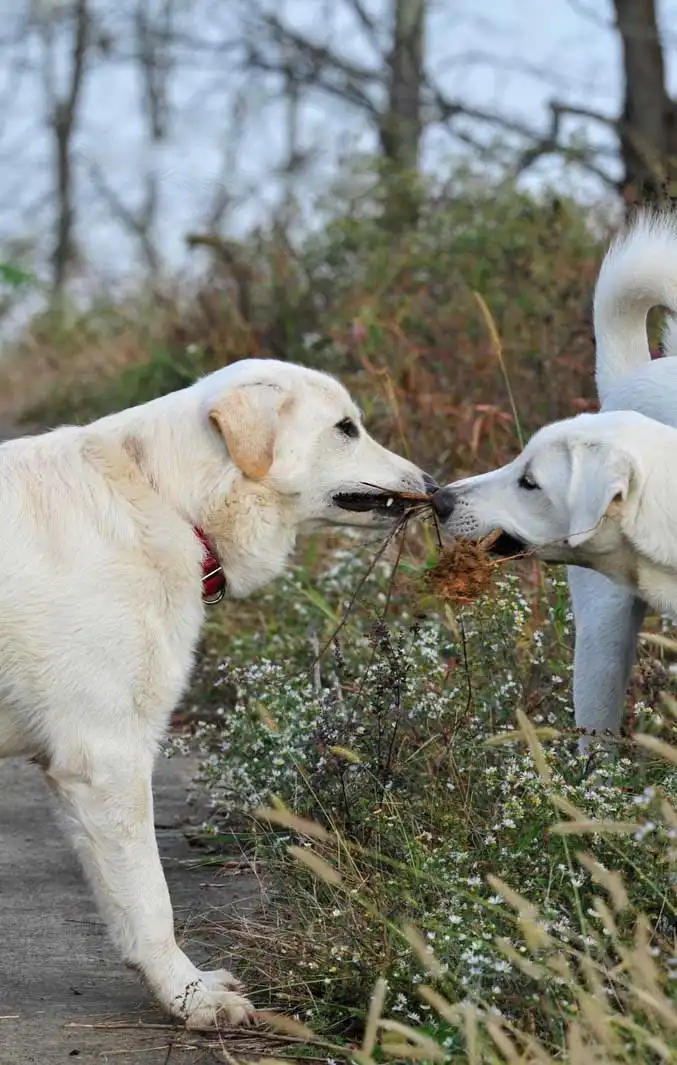
The Akbash is a watchful and protective breed that takes its responsibilities as a guardian of both family and livestock seriously. This dog is often cautious around strangers, including other dogs, and may show aggression towards those it does not recognize. To ensure that the Akbash integrates well into the household, early socialization and training are crucial. Families with young children might find this breed challenging, as Akbash dogs can display food aggression. Potential owners without prior dog experience should reconsider before selecting an Akbash as a pet. While Akbash puppies are undeniably charming, they are also large and powerful, often engaging in rough play that may involve biting or mouthing. Training should begin early and continue throughout the dog's life, along with regular socialization to mitigate aggressive behaviors. Although puppies are typically very active, their energy levels will taper off as they mature. Furthermore, a robust fence that stands at least five to six feet tall is essential to keep this breed contained.
Play & Exercise
Things to Know
Cups Per Day
3.0 Cups
Daily Activity
45 Minutes
Average Lifespan
11 Years
Origin
750 BC
Type
Pure Breeds
Size
Giant
Origin Country
Turkey
Brush Frequency
Weekly
Coat Texture
Straight
Register
Your kids have been begging for a pet forever, and you've recently decided that it's time for your family to get a new addition -- a dog! While everyone is excited for the new arrival, you're wondering if you need to have a dog license. How much does it cost? Is it required? Where do you get one?
Member Clubs

PETINNATE
Guardian Dog

UKC
Guardian Dog
Height & Weight
Weight
108 lbs (49 kg)Male: 115 lbs (52 kg) , Female: 100 lbs (45 kg)
Height
31 inches (79 sm)Male: 31 inches (79 sm) , Female: 30 inches (76 sm)
6 Months
44 lbs ( m 44 lbs, f 44 lbs )
17 inches ( m 17 inches, f 17 inches )
12 Months
80 lbs ( m 80 lbs, f 80 lbs )
25 inches ( m 25 inches, f 25 inches )
18 Months
100 lbs ( m 100 lbs, f 100 lbs )
30 inches ( m 30 inches, f 30 inches )
Eye Colors
Brown

Nose Colors
Black
Coat Colors
White