Estonian Hound
Gontchaja Estonskaja, Estonian Scenthound
The Estonian Hound is celebrated for its impressive endurance and lively spirit, along with a keen sense of smell and a strong instinct to chase prey. This breed is sturdy and well-equipped to handle frigid temperatures. With a joyful and playful nature, the Estonian Hound usually demonstrates a gentle personality and a calm presence when properly socialized. Although they may seem somewhat aloof around unfamiliar faces, they convey their emotions in a polite way. This breed is quite vocal, often engaging in barking, howling, and baying, which can be moderated through training, though it may not be completely eradicated. An expansive rural property or a spacious home with a yard is ideal for this dog, along with considerate neighbors. The Estonian Hound tends to form strong bonds with children, particularly if they are socialized early on. They are surprisingly tolerant of rough play and exhibit a loving and gentle demeanor. Furthermore, they generally coexist well with other dogs, as they have been bred to hunt in groups. However, caution is warranted when introducing them to other pets, as their instinct to hunt may be triggered by smaller animals like rabbits.
Breed Origin
In 1947, during its time as part of the USSR, Estonia's Ministry of Agriculture and Economy initiated a program requiring each region to create a local breed of hunting dog. This effort was intended to replace the larger hunting dogs that were common at the time, although the exact reasons behind this decision were not entirely clear. One potential factor for this change may have been the significant decline in large game throughout the empire, which necessitated a more controlled approach to hunting. Before 1947, Estonia had seen a notable reduction in its big game population. Consequently, it was thought that introducing smaller dogs would increase the difficulty of hunting, giving wild species a better chance to recover. As a result, hunters were restricted to pursuing smaller animals such as foxes and rabbits, and there was no appropriate local breed to fulfill this need. To fill this void, it became essential to import dogs from other areas, leading to the development of the Estonian Hound. This breed was created by crossbreeding Dachshunds, Beagles, and Schweizer Laufhunds, all known for their hunting abilities and adaptability to colder climates. By blending these imported breeds with smaller local dogs, a new breed was established. In 1954, the USSR Government formally recognized a written standard for the Estonian Hound, emphasizing its impressive stamina, outstanding hunting capabilities, and resilience in cold weather. The breed's friendly nature contributed to its swift rise in popularity, and its smaller size made it easier for families to manage. After Estonia regained its independence, the new government officially recognized the Estonian Hound as the national dog breed. While it remains a cherished companion in Estonia, it is relatively uncommon outside the country and lacks recognition from the American Kennel Club and the United Kennel Club.
Breed Appearance
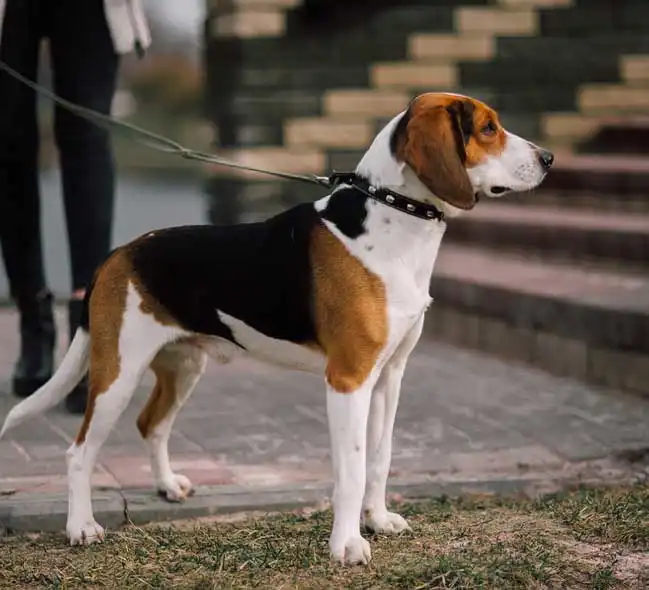
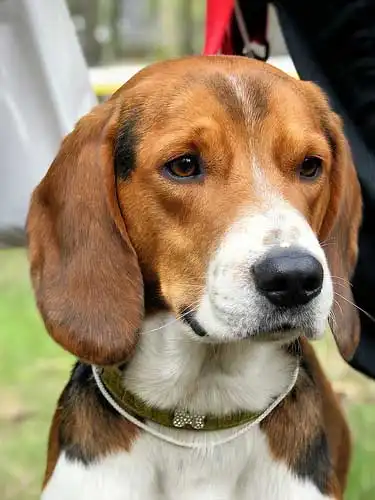
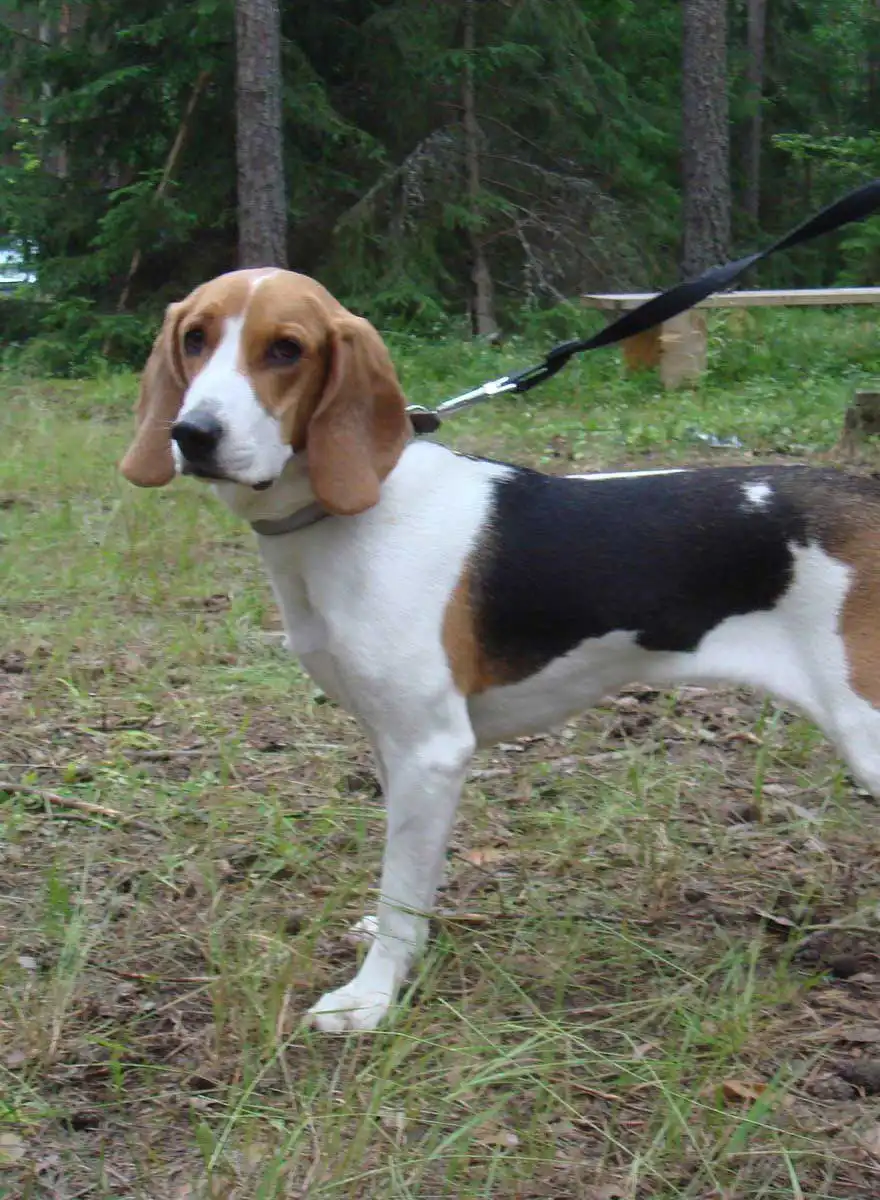
The Estonian Hound is known for its strong and muscular build, featuring a delicate bone structure and slender legs that enhance its elegant look. This medium-sized breed has a short coat that fits snugly against its body, giving it a sleek and polished appearance. Its distinctive long, floppy ears, elongated tail, and well-defined muzzle, paired with a black nose, make it an exceptional hunter skilled in scent tracking. Although it shares some similarities with the Beagle, the Estonian Hound is larger and exhibits comparable color patterns and facial expressions. Its body is longer than it is tall, supported by robust yet not overly heavy legs. The breed's proportions are well-balanced, with a sturdy neck that supports its head. Importantly, the Estonian Hound does not tend to drool, thanks to its tight, dry lips and scissors bite. Its expressive, almond-shaped eyes are a deep brown, often appearing to shimmer with an amber hue. The nose is typically black, though it can occasionally be dark brown, serving as a vital tool for tracking scents with impressive tenacity. Common coat colors include tan, black, yellow, brown, red, and white, with tri-color patterns being especially common.

Care Routine
The Estonian Hound demands a moderate to high level of care. Despite having a short, close-fitting coat, they experience significant shedding during certain times of the year, which requires regular brushing to prevent hair from accumulating on floors, furniture, and clothing. During shedding seasons, daily grooming is crucial to manage the fur, but this can be reduced to every two to three days when they are not shedding. This breed does not require professional grooming; a simple wipe with a clean, soft cloth after outdoor play is typically adequate. Baths should be reserved for instances when they become particularly dirty, such as after romping in the mud, as a thorough wipe may not be enough. It’s advisable to use a specialized dog shampoo to safeguard their skin and maintain the natural oils that protect them from harsh weather conditions. Additionally, due to their long, floppy ears, regular checks and gentle cleaning of the insides are essential to prevent infections. Dental hygiene is also important, with brushing recommended every two to three days. Finally, consistent nail trimming will help ensure the Estonian Hound looks its best.
Behavior & Temperament
The Estonian Hound is a lively and joyful breed, especially when they are well-socialized and understand the household rules. With their gentle and loving nature, they get along wonderfully with all family members, including children. They are generally tolerant of playful behavior, such as tugging on their tails or ears, but it’s crucial to teach children to treat the dog with kindness and respect. This breed does not like being alone; they flourish in the company of humans and may feel sad if left by themselves for long periods. Prolonged solitude can lead to boredom, which might trigger destructive behaviors due to anxiety and feelings of neglect. At home, you can look forward to a devoted companion who enjoys snuggling on the couch, as they are very affectionate and create strong connections with their families. While they are typically courteous to visitors, they may display a more subdued attitude compared to other hound breeds. Their keen sense of awareness means they will alert you to any incoming guests, and if they have been properly socialized, they will watch from a distance while you engage with newcomers. The Estonian Hound is also quite vocal, making it important to train them to manage their barking. Their baying can be quite loud, so it’s wise to limit their alerts to one or two for the sake of your neighbors, after which they should be taught to remain quiet. Overall, they are fantastic companions, particularly for active families who enjoy outdoor activities like hiking or running, and they possess a calm yet affectionate demeanor, enhanced by their graceful appearance.


Play & Exercise
The Estonian Hound is a lively breed that was originally bred for work. This active dog flourishes when engaged and needs two long walks each day. They also require a secure yard where they can explore freely, partake in typical dog behaviors like patrolling their territory, investigating their environment, and enjoying playtime with family. As a working dog, they have the stamina to track scents for long durations without tiring. While their natural hunting instincts often reduce the need for training in that area, they still require guidance on proper behavior and obedience. This breed tends to be independent and can be quite willful, which means they need an owner who can provide strong leadership and patience. The Estonian Hound is also known for being vocal, so it’s important to incorporate training to manage their barking. Due to their breeding for relentless pursuit, they can be challenging to recall once they pick up a scent, making it wise to keep them on a leash during walks to prevent them from straying. Although they may show moments of stubbornness, a blend of kindness, patience, and effective leadership will ultimately lead to success. A fulfilling home for this breed includes family involvement in games and plenty of socialization to help them grow into well-adjusted companions.
Things to Know
Cups Per Day
3.0 Cups
Daily Activity
90 Minutes
Average Lifespan
14 Years
Origin
1947
Type
Pure Breeds
Size
Medium
Origin Country
Estonia
Brush Frequency
Daily
Coat Texture
Straight
Register
Your kids have been begging for a pet forever, and you've recently decided that it's time for your family to get a new addition -- a dog! While everyone is excited for the new arrival, you're wondering if you need to have a dog license. How much does it cost? Is it required? Where do you get one?
Member Clubs

PETINNATE
Other
Height & Weight
Weight
37 lbs (17 kg)Male: 39 lbs (18 kg) , Female: 35 lbs (16 kg)
Height
19 inches (48 sm)Male: 19 inches (48 sm) , Female: 19 inches (48 sm)
6 Months
9 lbs ( m 9 lbs, f 9 lbs )
9 inches ( m 9 inches, f 9 inches )
12 Months
21 lbs ( m 21 lbs, f 21 lbs )
13 inches ( m 13 inches, f 13 inches )
18 Months
35 lbs ( m 35 lbs, f 35 lbs )
16 inches ( m 16 inches, f 16 inches )
Eye Colors
Brown

Amber
Nose Colors
Black
Coat Colors
Fawn
Red
Brown
Black
White
Pied