Pure Breeds
Browse a collection of Pure Breeds, including breed names, key traits, and origins. Whether you're interested in officially recognized purebreds or hybrid crossbreeds, this page helps you explore them all in one place.
A breed with a pure lineage, recognized by official breed standards.
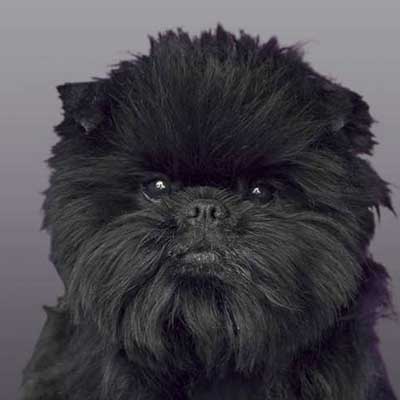
Affenpinscher
The Affenpinscher, commonly known as the "monkey dog," gets its name from a German term that reflects its playful appearance, particularly its resemblance to primates. Initially bred for hunting rats, these dogs were also referred to as ratters. The breed originated in Germany during the 17th and 18th centuries, evolving from various small terrier breeds. Their small stature and loving disposition made them popular as lapdogs among women, leading breeders to focus on creating even smaller versions. Typically, Affenpinschers reach a height of 9 to 11 inches and weigh about 9 pounds. They have medium-length, wiry fur that comes in several colors, including belge, tan, red, silver, gray, and black. Nowadays, this breed is relatively rare and not commonly found. It is recommended to keep Affenpinschers away from households with young children, as they generally dislike being squeezed or chased.
Read more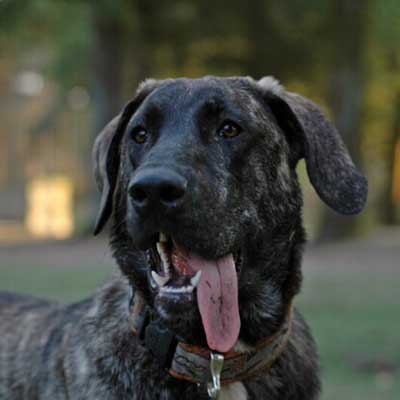
Cao de Castro Laboreiro
The Cão de Castro Laboreiro is considered one of the rarest dog breeds in the world, with a population estimated to be between 200 and 500 individuals. Historical records about this breed are limited, and even the Portuguese Kennel Club admits that many stories regarding its origins are largely conjectural. Although several theories have been proposed, there is a general agreement that this breed is indeed ancient. It is believed to have existed for thousands of years and is likely part of the Lupomolossoid group, which eventually led to the development of breeds like the Great Pyrenees, positioning it as one of the earliest descendants of the original herding and guarding dogs. Despite its mysterious past, the Cão de Castro Laboreiro has been a protector in Portugal for centuries. Its physical traits, including its facial structure and coat, bear a resemblance to that of a wolf, and its cautious attitude towards strangers enhances this likeness. This breed is known for its assertive and protective instincts, yet it is also sensitive, responding more favorably to positive reinforcement rather than harsh training methods. Within their family, they are affectionate and form strong bonds with familiar individuals, but they can be wary of strangers and other dogs, making them better suited as solo pets unless they undergo thorough socialization. Their high intelligence and strong-willed nature mean they flourish under the care of a knowledgeable and assertive owner who can provide effective training. Once properly trained, they tend to be obedient and exhibit deep loyalty to their families.
Read more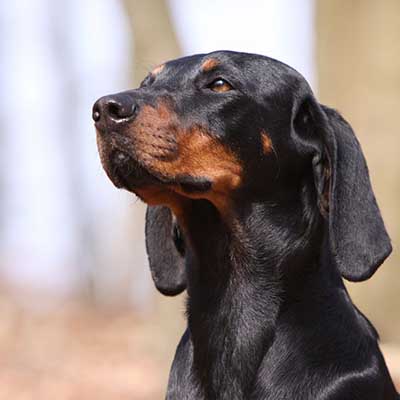
Austrian Black and Tan Hound
The Austrian Black and Tan Hound is a classic scent hound, celebrated for its exceptional sense of smell. This breed is full of energy and can travel long distances if not adequately exercised. Because of its high activity requirements, it is not ideal for apartment living and needs plenty of daily physical activity to flourish. Expect a lively and talkative personality from this dog. While it is typically sociable, it may be somewhat cautious around strangers. Notably, the Austrian Black and Tan Hound should never exhibit aggression and is a wonderful companion for children.
Read more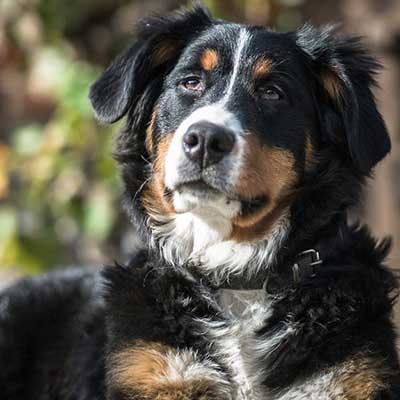
Bernese Mountain Dog
The Bernese Mountain Dog, commonly known as the Berner, is one of the four ancient breeds classified as Swiss Sennenhunds. What sets the Berner apart is its luxurious, flowing coat and exceptional temperament. Its ancestry likely stems from a combination of the farming dogs indigenous to the Swiss Alps and the Molosser, a type of Mastiff brought to the region by the Romans around the first century B.C. This rich heritage is reflected in the Berner's large head, gentle nature, remarkable strength, and strong work ethic. Traditionally, Bernese Mountain Dogs were invaluable farm assistants, responsible for herding livestock, pulling carts, and protecting homesteads. In contemporary times, they are primarily valued as beloved family pets. Known for their friendliness towards children and their ability to be trained, they do have a strong need for family interaction, which can pose challenges if they are left alone for extended periods. In terms of appearance, the Bernese Mountain Dog is a large breed characterized by its striking tri-colored coat. They possess prominent heads and substantial paws, which require regular grooming to control shedding. Bringing a Berner puppy into your home demands a considerable commitment and effort. However, with consistent training, patience, and dedication, you can nurture a loyal and hardworking companion that will greatly enhance your life.
Read more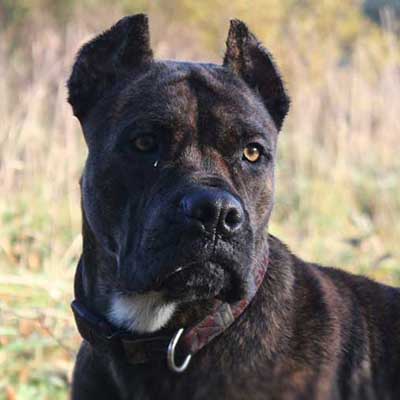
Alano Espanol
The Alano Espanol is a robust dog breed originating from Spain, initially bred for tasks like hunting, guarding, and herding. This breed is not ideal for inexperienced owners due to its size and strong-willed nature. Without proper training knowledge, managing them can be quite challenging. They thrive under the guidance of a confident leader in the home. However, with appropriate training, Alano Espanols can become deeply affectionate and loyal friends. It's important to be ready to invest considerable time each day in their care, as they are energetic dogs that need plenty of exercise.
Read more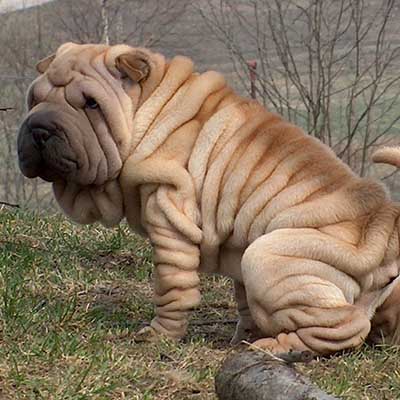
Chinese Shar-Pei
The Chinese Shar-Pei is a large dog breed distinguished by its unique wrinkled head and face. Typically, these dogs weigh around fifty pounds and stand about eighteen inches tall. There is a belief that the Chinese Shar-Pei shares a lineage with the Chow-Chow, as both breeds feature a blue-black tongue, which often causes confusion between them. Traditionally, the Chinese Shar-Pei was a multifunctional farm dog in China, employed for various tasks such as hunting, tracking, herding, and protecting livestock. Unfortunately, some people misused the breed for dogfighting, as its distinctive wrinkled skin and coarse fur were thought to hinder opponents' grip. The breed came perilously close to extinction during the Communist Revolution, but a businessman from Hong Kong played a vital role in reviving interest in the Shar-Pei among American dog lovers. In 1992, the American Kennel Club officially recognized the Chinese Shar-Pei, and it has since gained popularity as one of the favored dog breeds in the United States.
Read more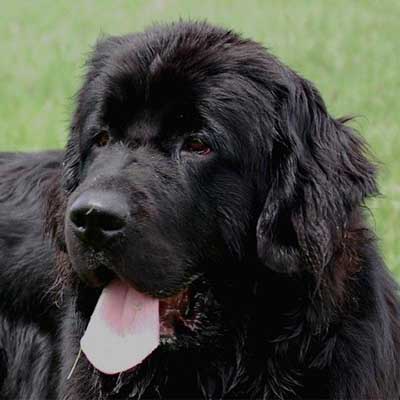
Newfoundland
The Newfoundland is a breed that originates from North America, specifically Newfoundland Island in Canada. While the exact beginnings of this breed are not entirely clear, it is thought that European fishermen introduced its ancestors to the island. Some theories propose that the Newfoundland may have descended from the white Great Pyrenees, while others suggest a connection to a French hound. Originally developed as a multi-purpose water dog and fishing aide, the Newfoundland has since become crucial in water rescue efforts. This sizable breed generally weighs between 130 and 150 pounds, with males reaching about 28 inches in height and having a body that is slightly longer than it is tall. With their sturdy build and strong bones, Newfoundlands have the power needed to rescue individuals from drowning, even in rough waters. Their webbed feet and water-resistant fur aid in swimming, while their strong, effortless gait enhances their ability to pull effectively.
Read more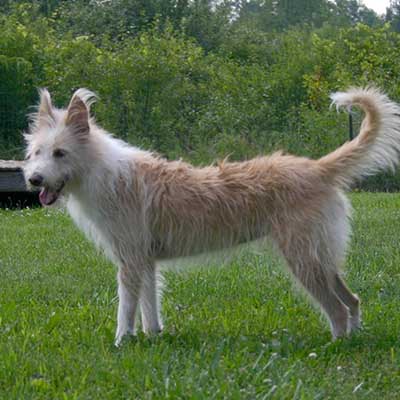
Podengo Portugueso
The Portuguese Podengo is a rare breed that closely resembles its relatives, such as the Pharaoh Hound, Cirneco dell'Etna, and Ibizan Hound. This energetic and joyful dog flourishes in social settings, ideally in a group or with at least one other dog. Renowned for its friendly nature, the Portuguese Podengo is also great with children. However, it's essential to have a high fence, as this breed is known for its remarkable jumping ability. The breed comes in three distinct sizes, with the Grande and Medio being quite similar; many registries do not differentiate between the two. In contrast, most organizations clearly distinguish the Portuguese Podengo from the smaller Portuguese Podengo Pequeno.
Read more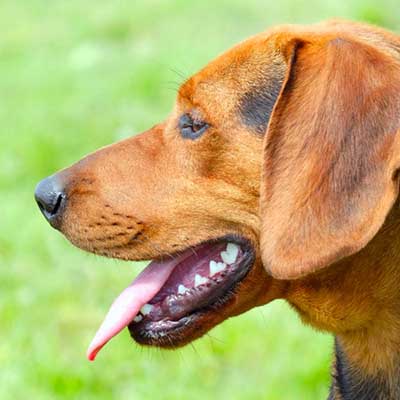
Serbian Hound
Vibrant in the field and affectionate at home, the Serbian Hound is renowned for its remarkable abilities as both a loyal companion and a skilled hunter. With a history that spans nearly a millennium, this breed has long been a favored choice among hunters in the Balkans, prized for its sharp sense of smell, endurance during hunts, and intelligence. While they are often employed in packs to track and capture larger game like deer and boar, they also thrive as solitary hunters, adept at pursuing smaller prey such as hares and foxes. Despite their strong hunting instincts, which ignite an almost limitless enthusiasm for the chase, Serbian Hounds exhibit a calm and loving demeanor in domestic settings. Their fierce loyalty, especially towards their trainers and families, can sometimes lead to challenges due to their high intelligence. Naturally sociable, they generally get along well with other dogs and are typically good with children; however, their strong prey drive may create difficulties in homes with non-canine pets. In summary, Serbian Hounds are exceptional companions, skillfully balancing their roles as hunters, protectors, and affectionate family members.
Read more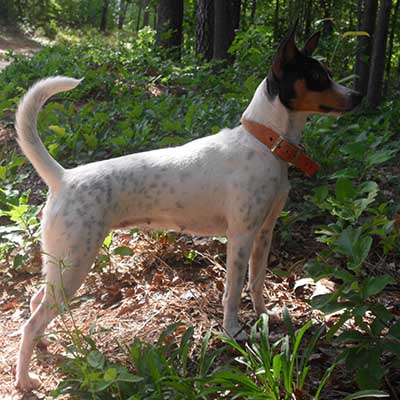
Mountain Feist
Often confused with the Treeing Feist, the Mountain Feist is officially recognized as a separate breed by the United Kennel Club, even though it shares many physical and behavioral characteristics with its relative. This breed boasts a rich heritage, with roots tracing back to various terriers and scent hounds that were developed in the American South. Early breeders sought to produce a low-maintenance dog that could effectively hunt, catch rats, and tree, thereby aiding farmers and ranchers in controlling vermin populations. Over time, while they have consistently performed these tasks, their energetic nature has also allowed them to become cherished companions. Their versatility and friendly temperament make them an appealing choice for a wide range of families. Despite their smaller size, Mountain Feists are known for their vibrant personalities and spirited nature, whether they are working dogs or family pets, making them a reliable and affectionate breed overall.
Read more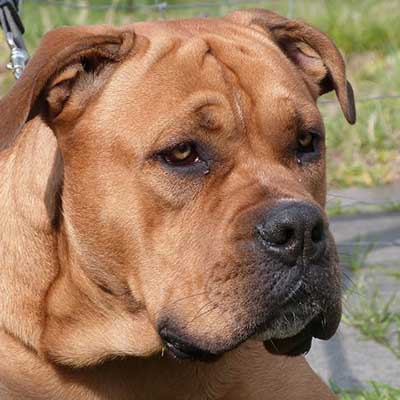
Perro de Presa Mallorquin
The Perro de Presa Mallorquin is a medium-sized molosser recognized for its sturdy build and broad, deep chest. Males, in particular, are distinguished by their remarkably powerful heads, with skull circumferences often exceeding the dog's height. In contrast, females have smaller, less robust heads. This ancient breed was initially bred for guarding and protection, with a history that includes bull baiting and dog fighting. They thrive under a strong human leader who understands canine hierarchy; if the owner does not establish dominance, the dog may become stubborn and overbearing. When raised and socialized properly from an early age, these dogs can be loyal and affectionate companions. Typically quiet, they exhibit courage and bravery when necessary. The Mallorquin is sociable and shows profound loyalty to its owner. This breed is independent, psychologically stable, and generally easygoing—unless provoked to defend its family!
Read more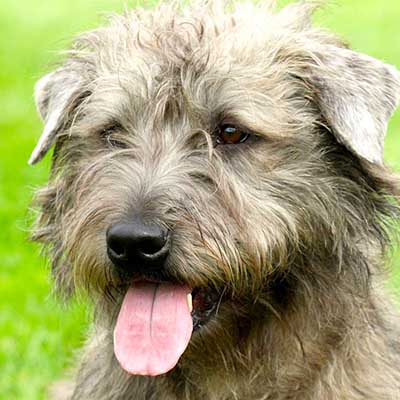
Glen of Imaal Terrier
The Glen of Imaal Terrier is frequently seen as a distinctively shaped small dog. With a sturdy physique and short legs, this breed usually reaches about 14 inches in height at the shoulder. Known for its lively personality, the Glen of Imaal Terrier is incredibly loving towards its family. Originally developed for hunting pests like vermin, badgers, and foxes, this breed has a natural tendency to dig and flourishes when given tasks to accomplish. While he makes a reliable watchdog, his bark can be surprisingly powerful for such a small dog. To manage his Terrier instincts and ensure a peaceful home environment, effective training is crucial.
Read more