Gull Dong
Bully Gull Terr. Paskistani Bull Dog, Gull Dang, Kanda
The Gull Dong is a breed known for its loyalty and intelligence, characterized by a strong-willed and sometimes aggressive temperament. This dog is not ideal for novice owners; it demands a confident and consistent handler to flourish. While they show deep affection and loyalty to their families, it is vital to supervise their interactions with children, even older ones. As a breed originally developed for work, the Gull Dong thrives when given responsibilities, as they are both energetic and alert. They tend to be wary of strangers and are fiercely protective of their territory. Due to their size and occasionally grumpy nature, they can be a risk to other pets, dogs, and unfamiliar individuals. Training this breed can be quite challenging, requiring an owner with advanced skills to manage their potential for aggression and dominance. It is crucial for them to learn to respect humans and to be kept on a leash under the owner's control at all times. Despite these challenges, they are incredibly devoted and affectionate companions to their owners.
Breed Origin
The Gull Dong is a breed that emerged in Pakistan through the meticulous breeding of top-quality Gull Terriers, also referred to as Pakistani Bull Terriers, and the Pakistani Bully Kutta, a variant of the Pakistani Mastiff. Although it remains relatively obscure on the global stage, it enjoys significant popularity within Pakistan and Northern India. Its lineage can be traced back to British Colonial India in the early 20th century, specifically in the area that would later become Pakistan in 1947. However, there is a lack of official documentation or formal acknowledgment regarding the breed's evolution. Initially bred for various working purposes, the Gull Dong has established itself as a versatile working dog, fulfilling roles such as guard dog, fighting dog, and bear hunter. Despite dog fighting being illegal in many nations, including Pakistan, the practice continues in its country of origin. The Gull Dong stands out as a formidable competitor, both in organized events and in everyday scenarios. This breed shares similarities with the original English Bull Terrier, which was brought to the region by British colonizers. During this era, breeders experimented with crossbreeding Bulldogs and Terriers, resulting in the creation of the lively and aggressive English Bull Terrier. The Gull Dong has inherited these traits from its parent breeds, the Gull Terr and the Bully Kutta, both of which are thought to have been influenced by the English Bull Terrier. While debates about the breed's origins persist, one fact remains clear: the Gull Dong continues to thrive, especially in Pakistan, where its development is still in progress.
Breed Appearance
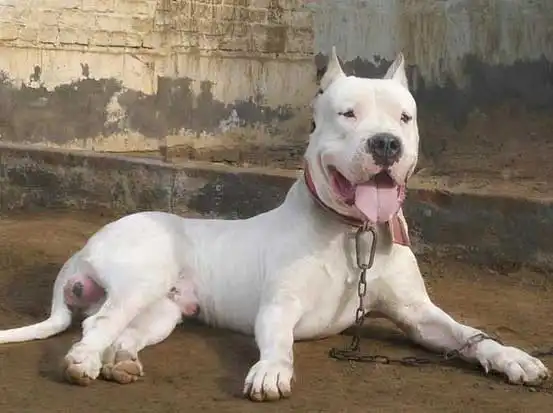
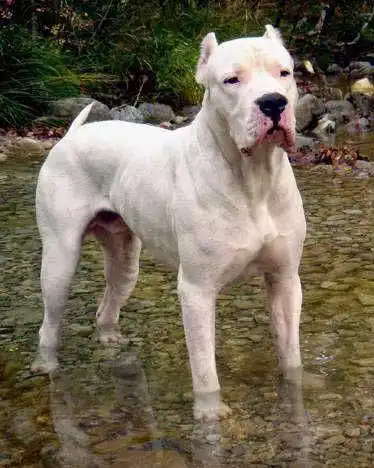
The Gull Dong is notably taller than many other dog breeds in Pakistan, with some individuals weighing as much as 140 pounds. Their coat is short, smooth, and flat, coming in various colors such as white, black, gray, and brindle. These dogs are distinguished by their large heads, which are broad between the eyes, and their small, round eyes that offer excellent vision. They have a strong muzzle with a scissors bite, paired with slightly drooping lips. Typically, they feature a prominent black nose and small, erect ears that may sometimes fold over. The Gull Dong has a sturdy build, characterized by a sloping back and a deep, wide chest. Their abdomen is tucked, and they possess powerful legs that end in large, well-padded, rounded paws. Completing their unique look is a long, thin, rope-like tail.


Care Routine
The Gull Dong is relatively easy to care for. With a short, medium-density coat, they require just a thorough brushing once a week to remove any loose hair. It's a good idea to begin grooming when they are puppies, as this helps them get used to having their paws, ears, and teeth handled. This early training will be beneficial later on when managing a large dog that can weigh up to 140 pounds! Baths are not often necessary since their short fur generally remains neat, but for white-coated dogs, a gentle wipe with a damp cloth is recommended. Like all breeds, their ears can gather debris and parasites, which may lead to infections, so regular checks are important. Avoid using sharp objects in their ears; instead, clean them gently with a soft cloth. To maintain dental health, brush their teeth several times a week and trim their nails as needed to complete their grooming routine.
Behavior & Temperament
The Gull Dong, while recognized as a rare breed on a global scale, enjoys considerable popularity in Pakistan. These dogs are celebrated for their loyalty and dedication to their owners, yet they tend to be naturally wary of strangers. This instinctive caution, combined with a strong territorial nature, can render them quite formidable. Generally, they have a somewhat grumpy disposition and a dominant character, which requires an assertive owner capable of providing clear guidance. Early training and socialization are vital for the Gull Dong; without a strong leader, they may develop stubbornness and become difficult to manage. They are intelligent and can quickly learn basic commands, but effective training demands consistency and firmness. As a breed originally developed for work, they need plenty of exercise, making a spacious farm or a secure yard the ideal environment for them; they are not well-suited for apartment living. As fierce protectors, Gull Dongs will go to great lengths to safeguard their loved ones. Despite their intimidating appearance, they are affectionate towards those they consider part of their family.


Play & Exercise
The Gull Dong is a dynamic breed that thrives in an active work setting. Known for its natural protectiveness and cautious demeanor around strangers, this dog is particularly suited for guarding roles. Regular walks are vital, as they not only promote physical fitness but also serve as key moments for socialization and behavioral training. It’s important to keep them on a leash at all times, as they may show aggression towards other dogs and pets. These dogs make excellent companions for individuals who enjoy outdoor activities like walking or running. A large, securely fenced yard is essential for their well-being, as they are best suited for outdoor living. While they love to play, their size and energy can unintentionally cause harm, especially to small children. This breed is not ideal for apartment life and truly thrives in a more rural environment.
Things to Know
Cups Per Day
3.0 Cups
Daily Activity
70 Minutes
Average Lifespan
11 Years
Origin
1900's
Type
Pure Breeds
Size
Giant
Origin Country
Pakistan
Brush Frequency
Weekly
Coat Texture
Straight
Register
Your kids have been begging for a pet forever, and you've recently decided that it's time for your family to get a new addition -- a dog! While everyone is excited for the new arrival, you're wondering if you need to have a dog license. How much does it cost? Is it required? Where do you get one?
Member Clubs
PETINNATE
Other
Height & Weight
Weight
115 lbs (52 kg)Male: 115 lbs (52 kg) , Female: 115 lbs (52 kg)
Height
35 inches (89 sm)Male: 38 inches (97 sm) , Female: 32 inches (81 sm)
6 Months
23 lbs ( m 23 lbs, f 23 lbs )
14 inches ( m 14 inches, f 14 inches )
12 Months
52 lbs ( m 52 lbs, f 52 lbs )
22 inches ( m 22 inches, f 22 inches )
18 Months
107 lbs ( m 107 lbs, f 107 lbs )
32 inches ( m 32 inches, f 32 inches )
Eye Colors
Brown
Amber
Nose Colors
Black
Coat Colors
Brindle
Gray
Black
White