Welsh Hound
Welsh Foxhound, Welsh Bytheuad
The Welsh Hound was specifically bred for fox hunting in Wales and is rarely kept just as a pet. With the ban on fox hunting in many parts of the world, this breed now lacks a clear purpose. Welsh Hounds are lively, intelligent, and playful, requiring a strong leader to manage their behavior. Originally designed to hunt in packs, they are very social and thrive on regular interaction with other dogs. Without sufficient engagement, they can become bored and may develop destructive habits, posing challenges for their owners. Although still considered a rare breed, the Welsh Hound is gradually gaining popularity, especially in the United States.
Breed Origin
The Welsh Hound is thought to have its roots in ancient Celtic hounds, with many historians indicating that these dogs have been present in Wales since the 5th century. Originally, Celtic hounds were bred with smooth-coated breeds, likely stemming from the St. Hubert Hound, which is believed to have originated at Margam Abbey. The resulting offspring were then crossed with smooth-coated English Staghounds, which are thought to be part of the trio owned by Parson Jack Russell. These dogs were primarily used for hunting foxes in large packs, requiring a temperament that enabled them to collaborate effectively with one another, even in the midst of a hunt's frenzy. For over two hundred years, the Welsh Hound was exclusively utilized in organized fox hunts throughout the British Isles. Nonetheless, some scholars contend that the Welsh Hound does not derive from Celtic Hounds, St. Hubert Hounds, or English Staghounds. Instead, they suggest it is a direct descendant of the now-extinct Segussi breed. Given the breed's long history and the absence of documented origins, it is improbable that the exact beginnings of the Welsh Hound will ever be completely clarified. The Welsh Hound Association created the official studbook for the breed in 1922, and it has remained pure since 1928. With the ban on fox hunting in England, the Welsh Hound has been reclassified as a rare companion breed rather than a working one. The breed received official recognition from the United Kennel Club in 2006.
Breed Appearance
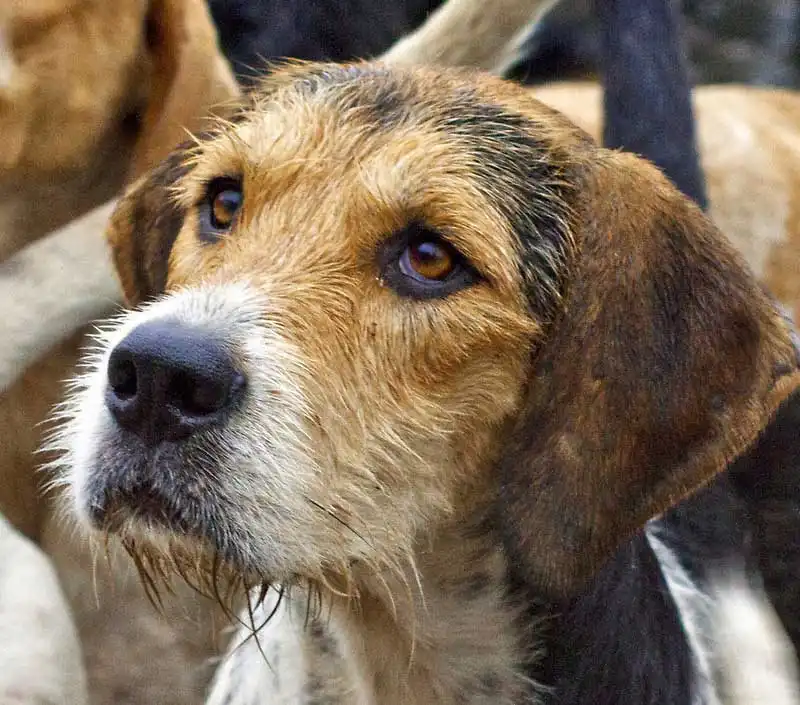
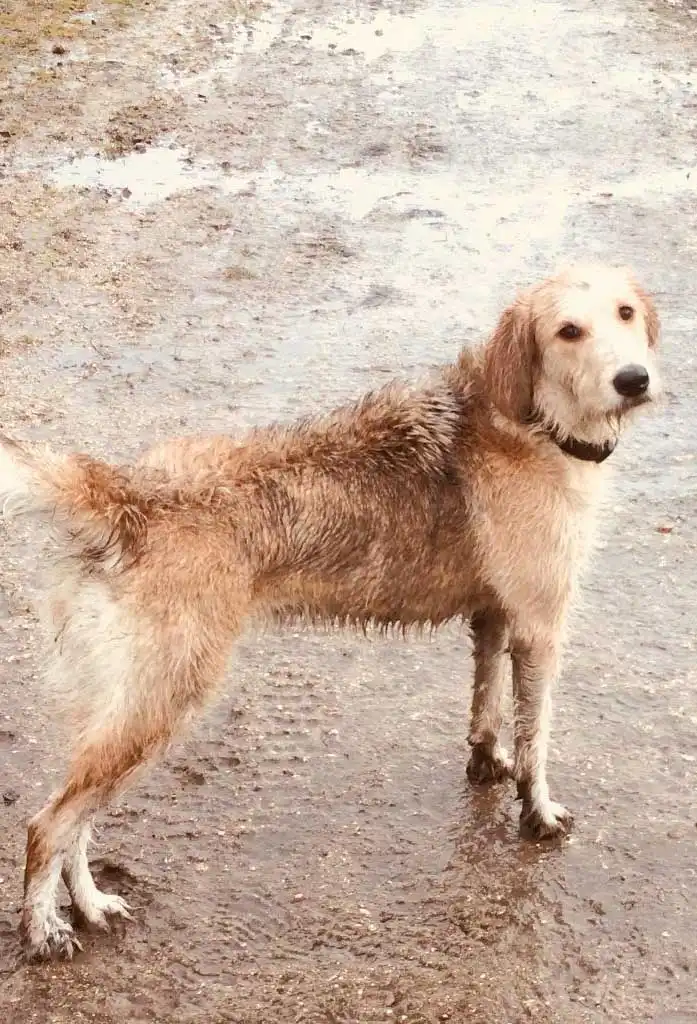
The Welsh Hound showcases the typical features of a foxhound, marked by strong shoulders, long, muscular legs, and a sturdy build. Its bark is distinctly hound-like, echoing across the breezy Welsh countryside during hunts. This breed embodies both strength and athleticism. The tail is held high and carried energetically, but it should not curl over the back, unlike spitz breeds. The ears are long, hanging down beside the cheeks, and are positioned at a medium-low level near the head. They have a broad nose that can be either black or brown, depending on the coat color. The eyes are medium-sized, angled, and come in various shades of brown with darker rims. The Welsh Hound's coat is dense, coarse, and of medium length, although some may have a smooth coat, which is not considered a major defect. Their colors can include black, red, tan, fawn, or white, and they may also exhibit a pied pattern, featuring white combined with any of these colors.

Care Routine
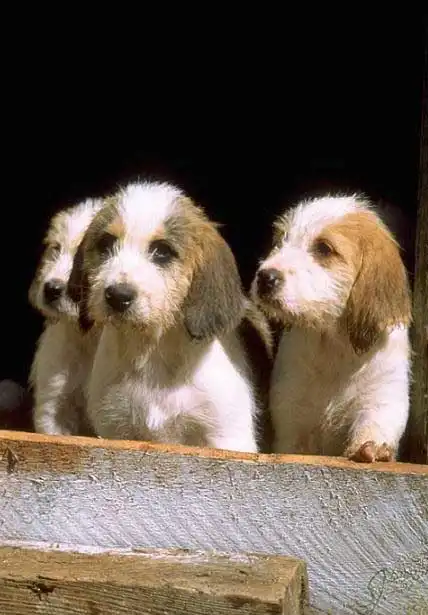
The Welsh Hound is characterized by a dense coat that sheds, which means they are not hypoallergenic and need regular grooming to keep their fur healthy. It's important to brush them weekly, preferably with a slicker brush or a natural bristle brush. To address any tangles in their medium-length hair, a metal comb may also be required. During shedding periods, you should increase the frequency of brushing to minimize hair buildup in your home. Their coarse fur is designed to resist dirt, so they don’t need frequent baths. When you do bathe them, opt for a shampoo specifically made for harsh coats and avoid excessive conditioning, as this can soften the coat too much. Additionally, because of their droopy ears, it’s essential to clean them weekly and ensure they are completely dry to prevent infections. Regular trimming of the hair between their paw pads and nail clipping as needed is also important.
Behavior & Temperament
The Welsh Hound was bred primarily for hunting purposes rather than as a companion animal. These dogs flourish in social groups and need regular interaction with other dogs. When isolated, they are more likely to experience unhappiness, which can result in destructive or unruly behavior. With their gentle and intelligent nature, Welsh Hounds can be excellent companions for children; however, it is crucial to supervise young ones to ensure they respect the dog's boundaries. They do exhibit a notable streak of stubbornness, which can present challenges during training. Nonetheless, Welsh Hounds are quick to learn when the training is engaging and consistent. They require a strong leader in the household; without one, they may attempt to assert control. As a high-energy breed, they are not satisfied with a sedentary lifestyle. If they do not receive adequate mental and physical stimulation, they will find their own ways to entertain themselves.


Play & Exercise
The Welsh Hound is an exceptionally intelligent breed, known for its high energy levels that require significant daily exercise. These dogs flourish in social settings and enjoy playing with their fellow canines. Regular visits to a local dog park offer a fantastic opportunity for them to run and interact, particularly if they lack a playmate at home. If a dog park is unavailable, organizing playdates with other dogs can serve as a good substitute. However, this breed is not ideal for apartment living; they are quite vocal and may bark incessantly if left alone for long periods. Moreover, without adequate outlets for their energy, they can exhibit destructive behaviors.
Things to Know
Cups Per Day
2.8 Cups
Daily Activity
60 Minutes
Average Lifespan
12 Years
Origin
1800s
Type
Pure Breeds
Size
Large
Origin Country
Wales
Brush Frequency
Weekly
Coat Texture
Straight
Register
Your kids have been begging for a pet forever, and you've recently decided that it's time for your family to get a new addition -- a dog! While everyone is excited for the new arrival, you're wondering if you need to have a dog license. How much does it cost? Is it required? Where do you get one?
Member Clubs

PETINNATE
Scenthound

UKC
Scenthound
Height & Weight
Weight
68 lbs (31 kg)Male: 70 lbs (32 kg) , Female: 65 lbs (29 kg)
Height
23 inches (58 sm)Male: 24 inches (61 sm) , Female: 22 inches (56 sm)
6 Months
35 lbs ( m 35 lbs, f 35 lbs )
18 inches ( m 18 inches, f 18 inches )
12 Months
45 lbs ( m 45 lbs, f 45 lbs )
20 inches ( m 20 inches, f 20 inches )
18 Months
65 lbs ( m 65 lbs, f 65 lbs )
22 inches ( m 22 inches, f 22 inches )
Eye Colors
Brown
Amber
Nose Colors
Black
Brown
Coat Colors
White
Fawn
Red
Black