Pure Breeds
Browse a collection of Pure Breeds, including breed names, key traits, and origins. Whether you're interested in officially recognized purebreds or hybrid crossbreeds, this page helps you explore them all in one place.
A breed with a pure lineage, recognized by official breed standards.
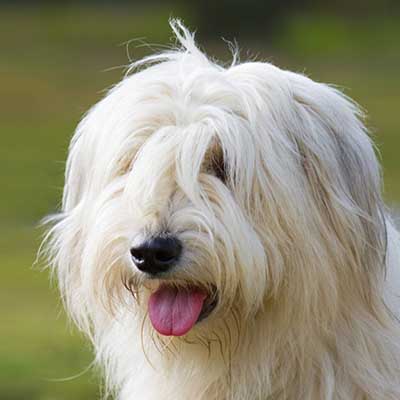
South Russian Shepherd Dog
The South Russian Ovcharka is renowned for its steadfast loyalty as a protector, which is arguably its most prominent characteristic. Specifically bred to be guardians, these dogs are committed to defending their families, homes, and belongings, approaching this responsibility with enthusiasm and readily adopting a formidable demeanor when they sense a serious threat. Their acute awareness of their environment enables them to serve as watchful sentinels, even when their protective instincts are not actively engaged. Inherently intelligent, South Russian Ovcharkas leverage their intellect in two primary ways: they quickly understand training requirements and objectives, and they are capable of making independent decisions. Training these dogs is generally straightforward, as they tend to learn rapidly. However, they thrive under a firm and consistent training regimen; even after mastering commands, they often prefer to act on their own initiative unless instructed otherwise. Owners who dedicate time and effort to training will cultivate a stronger bond with their dogs, although these animals are also likely to form attachments to other family members and will defend them with equal intensity. While South Russian Ovcharkas show a moderate degree of affection and playfulness, they usually mirror the attention they receive. Early and comprehensive socialization is essential for these dogs to interact harmoniously with other dogs and people outside their immediate family, though they typically display patience with children. Given their high exercise requirements and the need for a strong, guiding presence, they are best suited for experienced dog owners who can provide ample space for them to roam and patrol.
Read more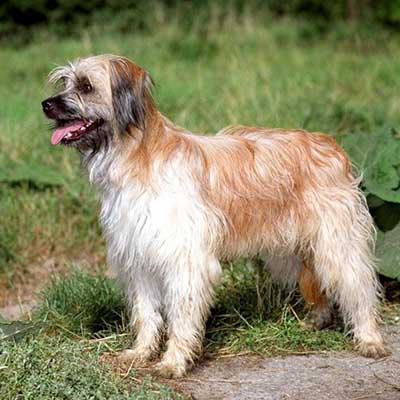
Berger Des Pyrenees
The Pyrenean Shepherd, originating from the Pyrenees Mountains in France around 6000 BC, boasts a rich history of herding and protecting sheep and goats. During World War I, these dogs played crucial roles as messengers, sentinels, and rescue animals. After the war, the energetic Pyr Shep continued its herding and guarding responsibilities while also gaining recognition in competitions and exhibitions. This cheerful breed comes in two distinct types: the rough-faced variety, known for its thick, coarse coat, and the smooth-faced type, which has a softer, finer fur. The Pyrenean Shepherd thrives in an active home environment.
Read more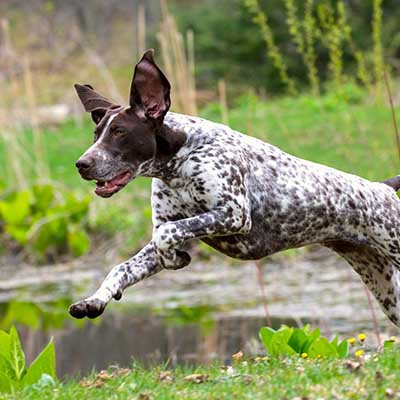
German Shorthaired Pointer
If you've ever seen a cartoon dog abruptly stop and dramatically point at something, you've caught a glimpse of what a Pointer embodies—albeit in a comically exaggerated way! The German Shorthaired Pointer, or GSP for short, is a dynamic hunting breed that hails from Germany and has been a reliable hunting partner for many years. The current version of this breed was developed in the early 1800s and is easily identifiable by its short, spotted coat, distinct head, and elongated body that narrows from the snout to the tail. Its ancestry dates back to the 1600s, with early breeds playing a significant role in the development of the dog we recognize today. This energetic and lively breed is not only exceptionally intelligent but also makes a fantastic family pet, thriving as both a hunter and a sporting dog. With roots that include pointers and bloodhounds, the German Shorthaired Pointer is both vocal and full of energy, necessitating plenty of exercise to keep its high energy in check. While it may bark at strangers, it does so in a friendly way, showcasing the breed's sociable disposition. Although it was initially bred for hunting, the German Shorthaired Pointer is now increasingly appreciated as a family companion and show dog in modern times.
Read more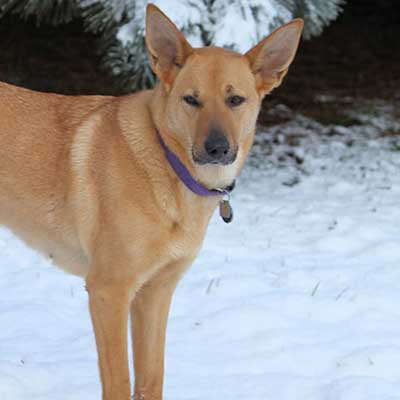
Chinook
The Chinook is a breed that is uniquely American in its heritage. Its beginnings can be traced to a female Northern Husky and a dog from the Arctic region. The father was of mixed lineage, and the resulting puppy, which was eventually named Chinook, did not closely resemble either of its parents; over time, this name became synonymous with the breed itself. Interestingly, the Chinook is believed to have been part of Admiral Byrd’s 1927 expedition to the South Pole, where it reportedly achieved remarkable records in terms of time, distance, and load capacity during the early 20th century. Today, thanks to the commitment of a small group of passionate breeders, the Chinook remains a rare breed.
Read more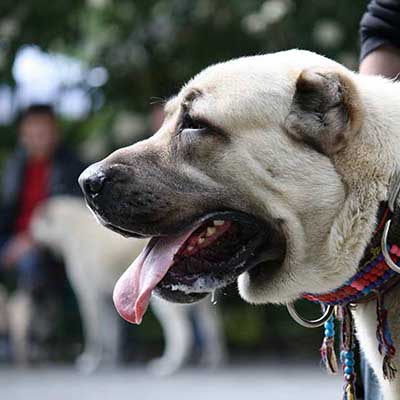
Kangal Dog
The Kangal Dog, a large breed that resembles a Mastiff, originates from Turkey. This breed has traditionally served as a protector of livestock, safeguarding them from various predators. As a true livestock guardian, the Kangal is equipped with a natural protective instinct and thrives with early socialization. Unlike many other breeds in this category, Kangals are generally more friendly towards people and particularly enjoy being around children. It is crucial to have a strong fence, as these dogs do not recognize property boundaries and can cause considerable disruptions in the neighborhood if not properly contained. Furthermore, the Kangal may show aggression towards other dogs and can be defensive when unfamiliar individuals approach their territory.
Read more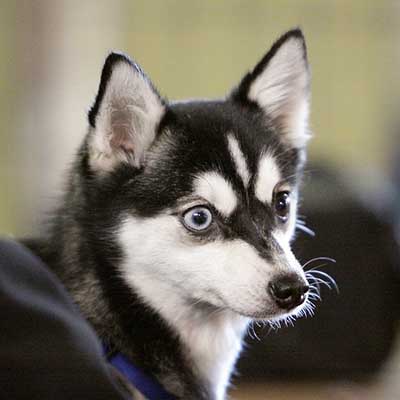
Alaskan Klee Kai
The Alaskan Klee Kai is a breed that emerged in the 1970s, created to be a smaller counterpart to the Alaskan Husky. These energetic, smart dogs are mainly bred for companionship rather than for labor. While they share a resemblance with their larger relatives, Alaskan Klee Kais can thrive in apartment settings, as long as they receive ample exercise and playtime. They might show signs of shyness or hesitation when encountering new people and communicate their emotions—be it fear, happiness, or sadness—through various vocal sounds.
Read more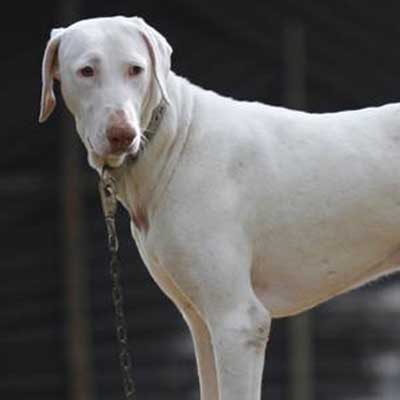
Rajapalayam
The Rajapalayam dog is a rare and ancient breed of sighthound, originally developed for hunting wild boars. These dogs are typically characterized by their striking pure white coats, complemented by pink noses and light-hued skin. Their eyes can be either brown or blue, though it is uncommon for them to have two different colored eyes. Notably, those with blue eyes are more prone to deafness or blindness than those with brown eyes. While Rajapalayam dogs are celebrated for their loyalty and affection towards their owners, they may display aggression towards unfamiliar people and other animals. Consequently, early socialization is crucial to prevent the emergence of undesirable behaviors.
Read more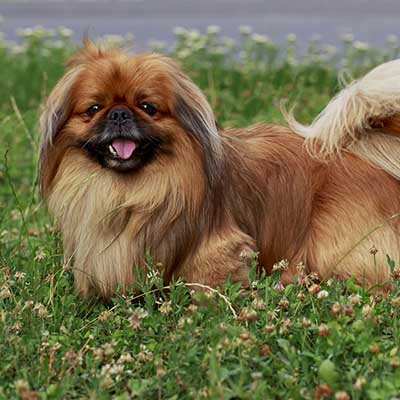
Pekingese
The Pekingese has a rich and esteemed history, having been celebrated as emblems of aristocracy in China. The breed's earliest records trace back to the 8th century during the T’ang Dynasty. Specifically bred to be companions, their name is derived from Peking, the former name of Beijing. These small, toy-sized dogs are known for their distinctive flat faces, lion-like manes, droopy ears, and a confident demeanor. According to Chinese mythology, the Pekingese is believed to be the offspring of a lion that fell in love with a marmoset. They come in a range of colors, including black, cream, fawn, gray, red, sable, and white.
Read more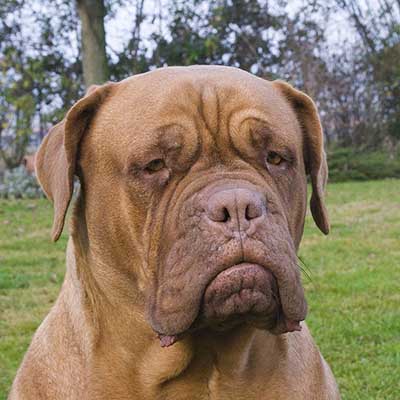
Dogue De Bordeaux
The Dogue de Bordeaux, commonly referred to as the French Mastiff, is a sizable breed with a lineage that remains somewhat ambiguous. Typically, these dogs stand around two feet tall at the shoulder and can weigh more than 99 pounds, distinguished by their prominent heads and short snouts. Unfortunately, they are susceptible to a range of health problems, including heart disease, various cancers, and hip and elbow dysplasia, which contribute to a relatively brief lifespan of five to eight years, though some may live longer. A notable case is Beasley, a nine-year-old Dogue de Bordeaux who appeared alongside Tom Hanks in the 1989 film "Turner and Hooch" and lived for three years beyond the film's release. If not properly socialized, these dogs can display stubborn and strong-willed tendencies, reminiscent of Hooch's character in the movie. However, with the right care and attention, they can develop into loyal, tolerant, and affectionate family companions.
Read more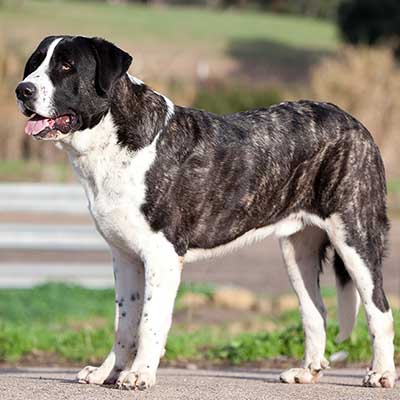
Alentejo Mastiff
The Rafeiro Do Alentejo is a large breed that bears a resemblance to a mastiff, distinguished by its strong, bear-like head. This breed is quite powerful and is not ideal for inexperienced dog owners. If not properly socialized, it may display aggressive tendencies and pose risks. Known for its independence and stubborn nature, the Rafeiro Do Alentejo requires consistent training throughout its life to grasp its place within the family dynamic. As a territorial breed, it will protect its home and loved ones when it senses a threat. Nevertheless, with appropriate training, socialization, and clear boundaries, it can flourish as a family companion, especially with children who show it respect and understanding.
Read more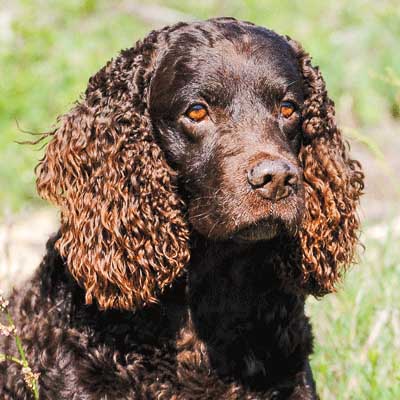
American Water Spaniel
The American Water Spaniel is a compact breed with a rich brown coat, tracing its roots back to the Midwestern United States in the 18th century. Originally developed as a hunting companion for waterfowl, pheasants, and rabbits, this breed is known for its lively and confident presence in the field, although it may show some timidity around unfamiliar people. Equipped with a double coat that effectively repels water and webbed feet, the American Water Spaniel thrives in aquatic settings, but it does need consistent grooming to keep its fur healthy and clean. Beneath its dense, curly exterior lies a strong, agile body, enabling the American Water Spaniel to gracefully jump in and out of small boats or canoes without creating a disturbance.
Read more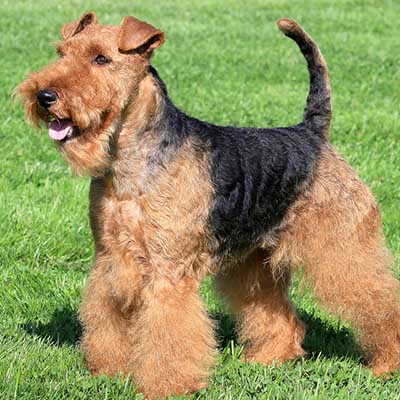
Welsh Terrier
The Welsh Terrier embodies the classic characteristics of a Terrier: courageous, energetic, playful, and spirited. Hailing from Wales in the 1700s, these bearded dogs were initially bred for hunting, adeptly navigating small burrows and caves to flush out game for hunters. While they continue to be employed for hunting and tracking, Welsh Terriers are now more commonly treasured as family pets. They make fantastic companions for children, are excellent running partners, and are always ready to partake in any fun activity you can think of. Historically known as the Black and Tan Wire Haired Terrier due to their striking black and tan coats, these dogs are easily identifiable by their curly beards. The breed was first showcased in England in 1884 and has been a staple in dog shows ever since. When Prescott Lawrence brought them to America that same year, they quickly captured attention at the Westminster Kennel Club, thanks to their distinctive appearance and charming personalities. The American Kennel Club recognized the breed in 1884, which led to the establishment of the Terrier Club of America shortly after. If you’re looking for a dog that will keep you entertained, bring joy to your life, and help manage pesky critters, the Welsh Terrier might be the perfect fit for you. However, it’s crucial to keep in mind that they require ample exercise and can become destructive if they’re not adequately stimulated. By ensuring they remain active and engaged, you can enjoy the delightful companionship of a Terrier that will undoubtedly enhance your life.
Read more