Grand Bleu De Gascogne
Bleu de Gascogne, Large Blue Gascony Hound
The Grand Bleu de Gascogne is a large, ancient breed believed to have descended from dogs kept by the Gauls and Phoenicians. Recognized for their historical importance and genetic contributions, they are one of the two primary breeds that have influenced the development of many modern hound types over the last thousand years or more. These dogs are adept hunters, known for their slow and steady approach, yet they are methodical and efficient, having been used for centuries to track significant game like deer, wolves, and boar—aptly reflected in their name, "grand," which denotes their impressive targets. Traditionally, they have hunted in packs, which has cultivated a friendly nature and a remarkably strong, almost musical voice that facilitates communication among pack members and with hunters. With a well-balanced temperament, they are typically sociable and amiable at home, but they display a lively enthusiasm when out in the field. Regrettably, the decline of pack hunting—partly due to evolving needs and the expenses associated with such practices—has made the Grand Bleu de Gascogne a rare breed. Their population has significantly decreased during periods of conflict and continues to diminish in contemporary times. However, passionate breed advocates are striving to sustain their numbers, albeit on a small scale. While this breed originates from France, its near-cult following in the United States has led many to perceive that they are more prevalent and favored there than anywhere else in the world.
Breed Origin
The Grand Bleu de Gascogne is considered one of the oldest dog breeds, with its ancestry dating back several centuries, and some historical records indicating it could be nearly a millennium old. This breed is believed to have evolved from several distinguished canine lineages, including hounds brought by Phoenician traders across the Mediterranean, scent hounds developed by the Gauls, indigenous French scent hounds, and St. Hubert's Hounds. Over the years, the Grand Bleu de Gascogne has played a significant role in the development of hound-type dogs worldwide, being recognized as one of only two breeds that have had a major impact in this category. Due to its ancient roots, documentation of the breed's existence is sparse prior to a few hundred years ago. However, historical accounts from French nobility shed light on its presence, such as records of Comte de Foix owning a pack in the 14th century and Henry IV of France having them in the 16th and 17th centuries. In the United States, the breed's history is more recent yet still notable, particularly since George Washington received a pack in 1785, shortly after the nation gained independence. The breed's lasting appeal can be attributed to their excellent temperaments and exceptional abilities in hunting large game, which were crucial for both sport and survival. The term "Grand Bleu de Gascogne" is often misinterpreted; many believe "grand" refers to their size, but it actually denotes the type of game they were bred to hunt. They were primarily utilized for pursuing large animals such as deer, wolves, and boar, demonstrating remarkable effectiveness, although they were also used for smaller game, where they were less successful, often driving smaller prey into difficult-to-reach underground areas instead of treeing them like smaller, faster breeds. While the Grand Bleu de Gascogne was quite popular in its early days, interest and numbers have significantly dwindled over the last century. The French Revolution and both World Wars had a severe impact on their population, with the latter being particularly catastrophic. The decline in their use for hunting in the early 20th century, coupled with the rising popularity of other breeds, further contributed to their reduced numbers. Consequently, the Grand Bleu de Gascogne has become a rare breed, primarily sustained by enthusiasts in the United States, where it is believed that the largest population resides.
Breed Appearance
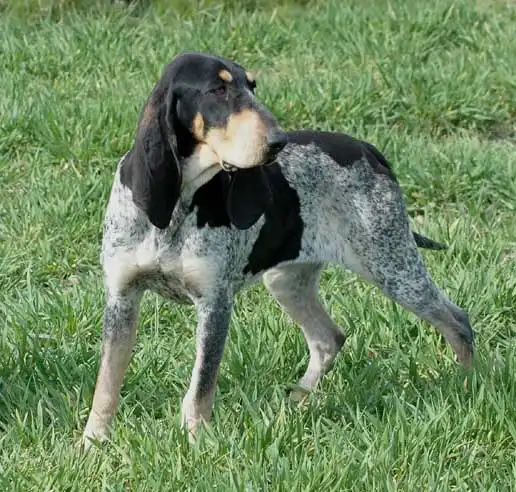
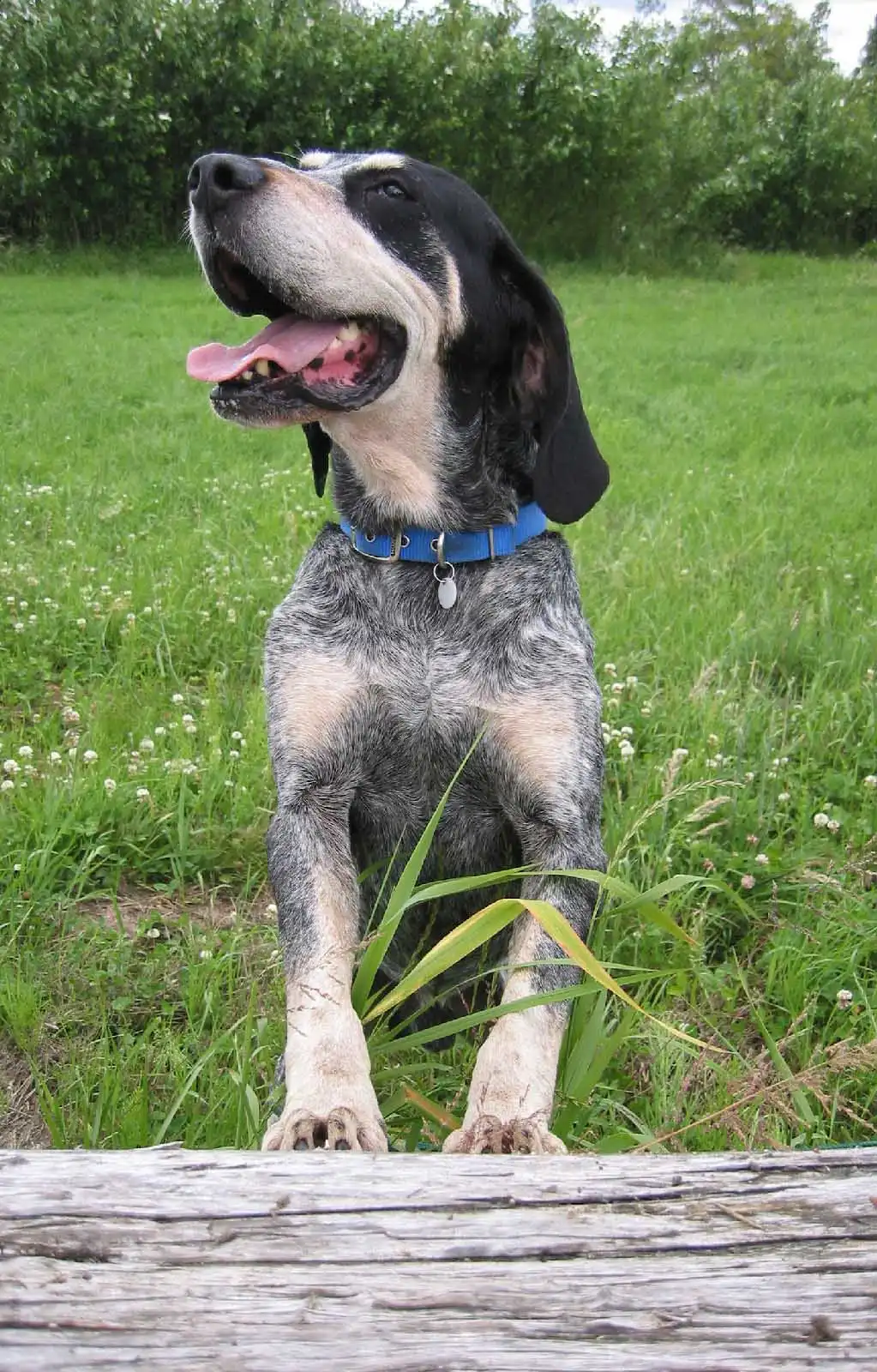
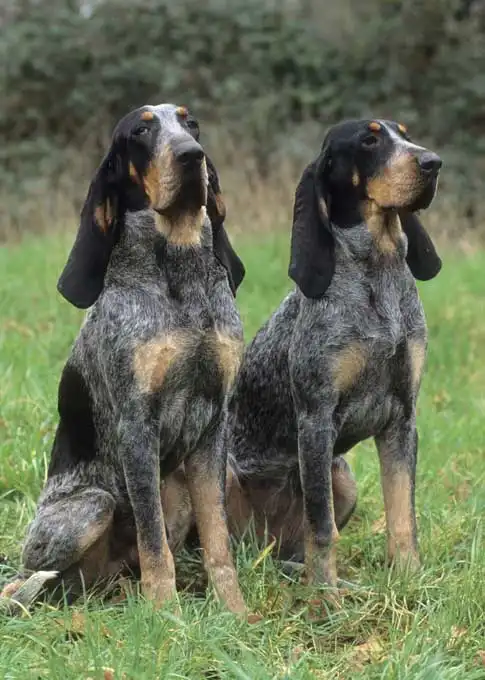
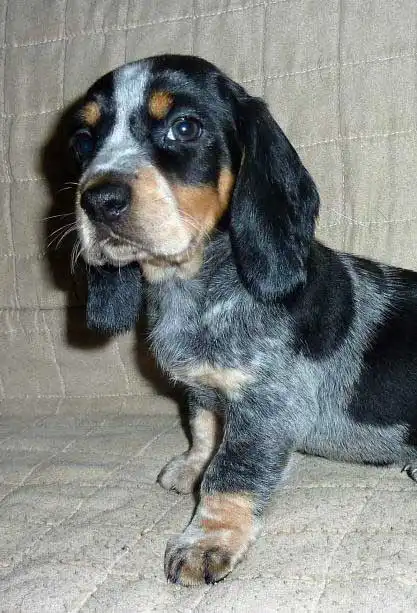
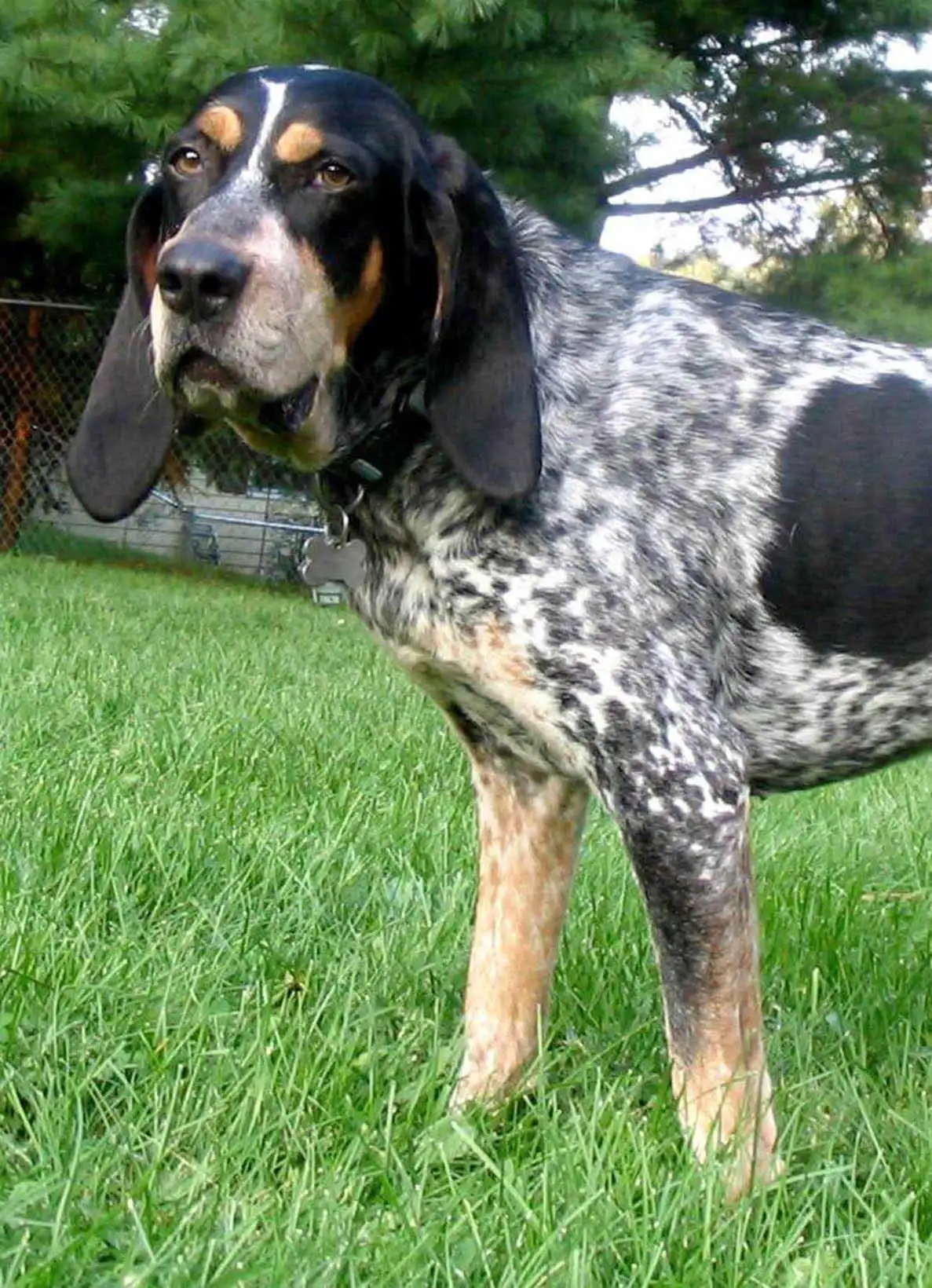
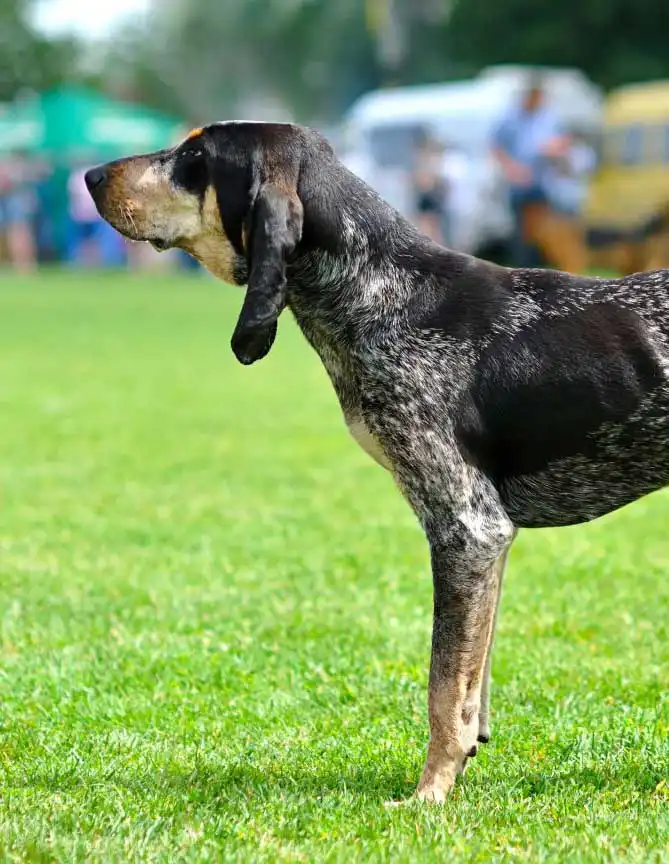
The Grand Bleu de Gascogne is a large breed, generally standing around 26 inches tall at the shoulders and weighing up to 120 pounds. They are characterized by their long heads, which feature slightly curved skulls and elongated muzzles with drooping lips, a prominent black nose, and a gentle stop. Their rich brown eyes are shaped between round and almond. A standout trait of this breed is their ears, which are low-set, thin, tapering, and curl inward; when extended forward, they can reach or even surpass the tip of their nose. Their necks are of moderate length, leading to well-defined, muscular shoulders and a straight back. The front legs are sturdy and positioned close to a long, deep, and broad chest that extends down to the elbows. Their hindquarters are powerful, showcasing well-developed thigh muscles and noticeable hips. The tail is thick, tapering to a point, and is typically held in a sabre-like position. Additionally, their coats are striking, being short, dense, and primarily mottled in black and white, which gives them a slate blue appearance, occasionally highlighted by black patches.
Care Routine
The Grand Bleu de Gascogne is a breed that demands minimal to moderate upkeep. Their coats benefit from being brushed several times a week with a firm bristle or slicker brush, particularly during shedding periods, to eliminate loose hair and dirt, which helps keep them relatively clean. It's crucial to pay special attention to their large, folded ears, as they are susceptible to excess wax and moisture accumulation, potentially leading to ear infections. Regular inspections and cleaning of their ears are vital for maintaining their hearing and overall ear health. Generally, they do not need extensive professional grooming and can usually keep themselves clean, requiring baths only about once a month unless they get particularly dirty or develop an unpleasant odor. As with any dog breed, monitoring their nails is important; regular trimming is necessary to prevent cracking or breaking. Additionally, brushing their teeth at least once a week is essential for maintaining good oral hygiene.
Behavior & Temperament
The Grand Bleu de Gascogne is celebrated for its balanced temperament, making it a fantastic option for various families, as long as there is sufficient space for the dog to release its energy. This breed, which has its roots in pack behavior, generally interacts well with other dogs, occasionally showing a dominant streak within their group, yet they remain easy-going in social situations. Known for their affectionate and loyal disposition, they often shower their owners and families with attention when they’re not busy exploring different scents. However, they demand considerable attention and do not fare well when left alone for long periods or confined to a kennel, as this can lead to feelings of frustration or loneliness, which may manifest as noise or destructive behavior. Their intelligence can make training somewhat challenging, so they are best suited for owners with some experience who can offer consistent and patient guidance. Even after undergoing training and socialization—ideally at a young age—they may still be inclined to follow their noses, requiring a leash unless they demonstrate reliable recall in the face of distractions. Like many large scent hounds, they are typically friendly towards strangers unless specifically trained otherwise, which diminishes their effectiveness as guard dogs. Nevertheless, they may bark if they perceive a potential threat, providing a degree of watchdog capability. They are surprisingly gentle and patient with children, making them excellent family pets. While they may not be the fastest scent hounds in the field, their enthusiasm and determination enhance their skills as hunters and trackers. Overall, in an active household with plenty of space and affection, they can be delightful companions, even when primarily kept as pets.
Play & Exercise
Grand Bleu de Gascognes are known for their impressive size, strong physique, and energetic disposition, which classifies them as high-energy dogs that need plenty of daily exercise to stay happy and healthy. Originating as hunting dogs, they possess exceptional stamina, requiring either long runs or walks, energetic playtime in a secure yard, or, ideally, trips to a dog park where they can roam and run freely. Activities that promote running, such as fetching balls, frisbees, or other toys, are excellent for helping them burn off energy. As a result, these dogs tend to thrive in larger households or environments with plenty of outdoor space or regular access to dog parks.
Things to Know
Cups Per Day
3.0 Cups
Daily Activity
80 Minutes
Average Lifespan
11 Years
Origin
Ancient
Type
Pure Breeds
Size
Giant
Origin Country
France
Brush Frequency
Weekly
Coat Texture
Straight
Register
Your kids have been begging for a pet forever, and you've recently decided that it's time for your family to get a new addition -- a dog! While everyone is excited for the new arrival, you're wondering if you need to have a dog license. How much does it cost? Is it required? Where do you get one?
Member Clubs

PETINNATE
Scenthound

UKC
Scenthound
Height & Weight
Weight
100 lbs (45 kg)Male: 100 lbs (45 kg) , Female: 100 lbs (45 kg)
Height
26 inches (66 sm)Male: 27 inches (69 sm) , Female: 25 inches (64 sm)
6 Months
71 lbs ( m 71 lbs, f 71 lbs )
17 inches ( m 17 inches, f 17 inches )
12 Months
85 lbs ( m 85 lbs, f 85 lbs )
21 inches ( m 21 inches, f 21 inches )
18 Months
100 lbs ( m 100 lbs, f 100 lbs )
24 inches ( m 24 inches, f 24 inches )
Eye Colors
Brown

Nose Colors
Black
Coat Colors
Blue
White
Black