Pure Breeds
Browse a collection of Pure Breeds, including breed names, key traits, and origins. Whether you're interested in officially recognized purebreds or hybrid crossbreeds, this page helps you explore them all in one place.
A breed with a pure lineage, recognized by official breed standards.
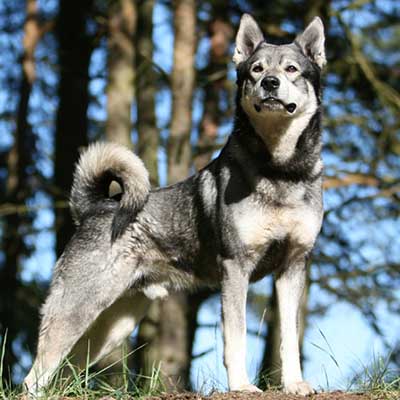
Swedish Elkhound
The Swedish Elkhound, often known as the Jämthund, is an ancient breed of Spitz-type dog with a lineage that dates back thousands of years. This breed is distinctive for its wolf-like appearance and is thought to share a genetic connection with wolves. Historically, Swedish Elkhounds have been utilized for various purposes, such as tracking elk and protecting against bears and wolves. Despite their remarkable skills as working dogs, they are also recognized for their serene nature at home, making them wonderful companions. They embody an impressive blend of being both dedicated hunters and charming pets—this is truly no exaggeration. Over time, Swedish Elkhounds have taken on a variety of roles, including hunters, trackers, guard dogs, herders, sled dogs, and even participants in military or rescue missions, highlighting their adaptability. They are generally loving and playful with their families, yet they possess a high energy level that demands sufficient engagement to avoid boredom or frustration. Consequently, they flourish in active households or those with large yards or access to open spaces for exercise. Furthermore, their longer coats require regular grooming. In summary, the Swedish Elkhound has very few downsides, making it one of the most adaptable and well-rounded dog breeds available.
Read more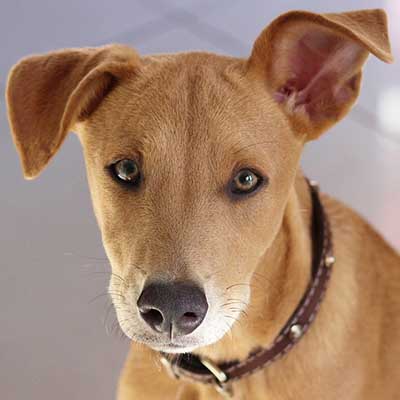
Africanis
The Africanis dog is a recently acknowledged landrace that has developed naturally in South Africa. This breed is celebrated for its versatility, showcasing a strong yet elegant build, paired with a temperament that balances friendliness with caution. Unlike many standardized dog breeds, the Africanis displays a remarkable diversity within its population due to its organic evolution. There are still thriving feral groups of these dogs found near various traditional towns across South Africa. Until the late 1990s, they were often regarded as mere mongrels and faced considerable bias. However, the Africanis Society, founded by John Gallant and Dr. Udo Küsel, has played a crucial role in improving their standing and recognition.
Read more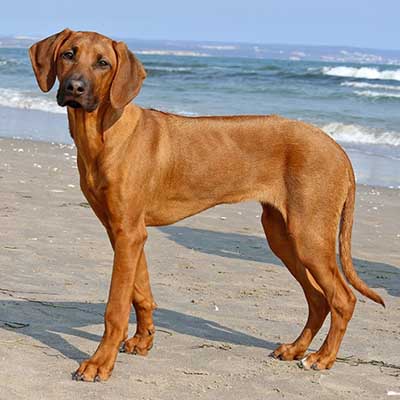
Rhodesian Ridgeback
In their quest for a hunting dog better suited to Africa's challenging climates, Dutch settlers crossbred their imported European breeds with a native tribal dog. This breeding produced a reddish-brown dog characterized by a unique ridge of fur along its back, adept at hunting large game and protecting families and homes. Originally employed for lion hunting, the Rhodesian Ridgeback's loyal and affectionate disposition soon endeared it to families, contributing to its rising popularity in other countries. Today, while it is still appreciated for its keen eyesight and scent-tracking skills, the Rhodesian Ridgeback is also celebrated as a low-maintenance, well-mannered, and energetic companion, thriving in dog shows, protection roles, and playful interactions with its human family.
Read more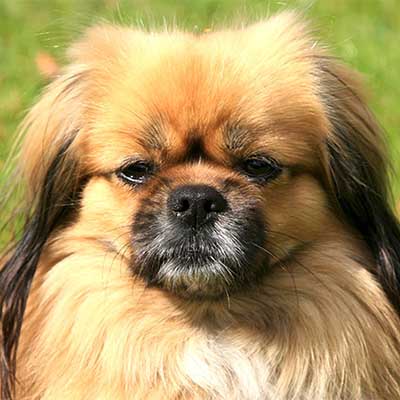
Tibetan Spaniel
The Tibetan Spaniel, celebrated for its independent spirit and gentle demeanor, was originally bred by Buddhist monks in Tibet. This breed is reminiscent of a lion, which holds significant meaning in Buddhism. While it shares some characteristics with the Pekingese, the Tibetan Spaniel features a slightly elongated face and does not possess the excessive skin commonly found in that breed. Its body is longer than it is tall, complemented by a small, rounded head that is well-proportioned to its frame. The muzzle is of medium length and smooth, free from wrinkles, while its dark, widely spaced eyes add to its charm. This delightful dog is adorned with a silky, flat double coat and a feathery tail that arches gracefully over its back, along with a longer mane around its neck. Historically, this loyal breed functioned as both a watchdog and a companion, alerting its owners to potential dangers with its distinctive bark. To maintain the health of its coat, regular grooming is vital, requiring daily brushing and combing to avoid matting. The Tibetan Spaniel has moderate energy levels, so it is important to provide adequate mental and physical stimulation to keep it engaged and stave off boredom.
Read more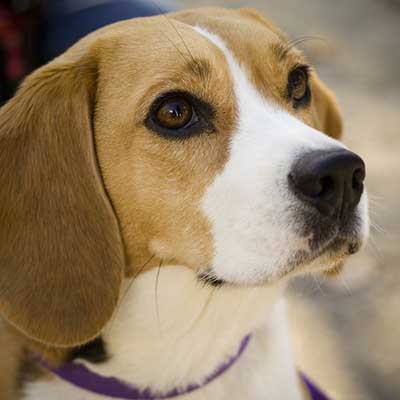
Beagle
The Beagle is frequently seen as one of the most laid-back and cheerful dog breeds. With a lively and amusing demeanor, this breed spreads happiness to those around it. Originating in England in the early 1800s, Beagles were originally developed for tracking and hunting rabbits. They flourish when allowed to explore their environment, utilizing their exceptional sense of smell, which can sometimes lead them into playful trouble. As scent hounds, Beagles have ancestry that includes the Talbot Hound, North Country Beagle, and Southern Hound. Their compact and muscular build makes them an ideal companion. Beagles are easily identifiable by their droopy ears and endearing expressions. Their short, smooth coats require little maintenance; a simple weekly brushing with a rubber curry brush is enough to keep them looking their finest.
Read more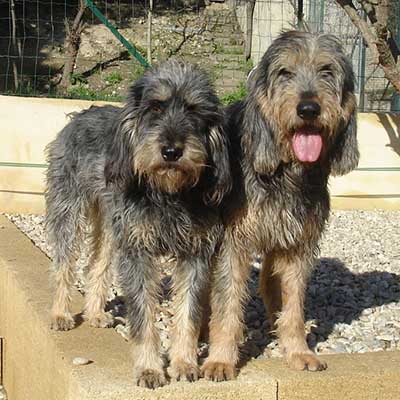
Griffon Nivernais
The Griffon Nivernais is a French dog breed celebrated for its amiable personality, making it an excellent choice for families, especially those with kids. This breed is not only intelligent but also exhibits a notable degree of independence, which can occasionally result in playful mischief if left unsupervised. Due to its strong-willed character, it thrives under the guidance of a confident owner. Furthermore, the Griffon Nivernais generally interacts well with other dogs. However, potential owners should be aware that this breed is quite vocal and may become bothersome if left alone outdoors for long stretches.
Read more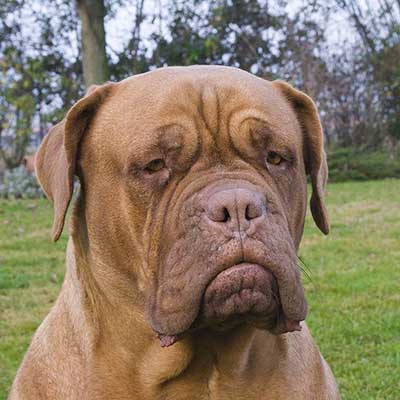
Dogue De Bordeaux
The Dogue de Bordeaux, commonly referred to as the French Mastiff, is a sizable breed with a lineage that remains somewhat ambiguous. Typically, these dogs stand around two feet tall at the shoulder and can weigh more than 99 pounds, distinguished by their prominent heads and short snouts. Unfortunately, they are susceptible to a range of health problems, including heart disease, various cancers, and hip and elbow dysplasia, which contribute to a relatively brief lifespan of five to eight years, though some may live longer. A notable case is Beasley, a nine-year-old Dogue de Bordeaux who appeared alongside Tom Hanks in the 1989 film "Turner and Hooch" and lived for three years beyond the film's release. If not properly socialized, these dogs can display stubborn and strong-willed tendencies, reminiscent of Hooch's character in the movie. However, with the right care and attention, they can develop into loyal, tolerant, and affectionate family companions.
Read more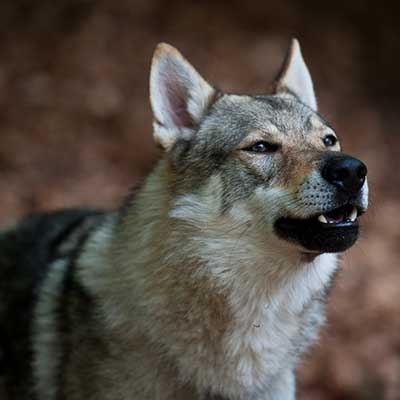
Czechoslovakian Vlcak (Czechoslovakian Wolfdog)
As their name suggests, this dog breed is a distinctive blend of wolf and dog, specifically a hybrid of the German Shepherd and the Carpathian wolf. Originally bred for military applications, these dogs showcase exceptional endurance, intelligence, and agility. However, they can pose training challenges, as they thrive on motivation to learn effectively. The Czechoslovakian Wolfdog is generally healthier than many other breeds, exhibiting a lower prevalence of health problems. Typically, they weigh between 44 and 54 pounds, stand around 24 to 26 inches tall, and have a lifespan of 12 to 16 years. While these dogs are incredibly loyal to their families, they often display caution towards strangers and unfamiliar animals. With strong hunting instincts, they require comprehensive training and should be monitored around smaller pets.
Read more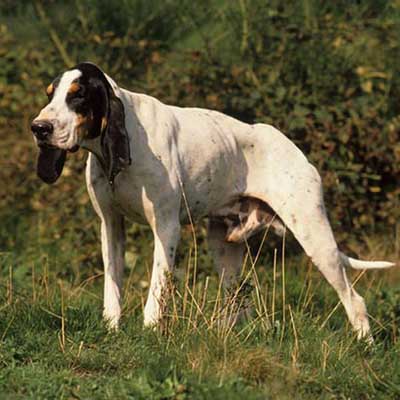
Grand Gascon-Saintongeois
The Gascon Saintongeois is a distinctive breed from France, offered in two sizes: Grand and Petit. This breed has a rich history as a scent hound, traditionally hunting in packs. Its ancestry can be traced back to the now-extinct Hound of Saintonge, a sizable hunting dog. Renowned for its gentle nature, the Gascon Saintongeois is generally friendly with children and other dogs. Its desire to please makes it very trainable. As a scent hound, it requires a securely fenced yard to explore and play safely, ensuring it doesn’t wander off into the neighborhood.
Read more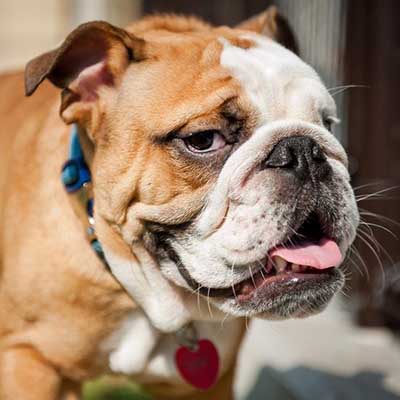
English Bulldog
The Bulldog often reveals a surprising contrast between its fierce, intimidating look and its true character. Beneath that tough facade lies a gentle and loving nature; these dogs are remarkably friendly and deeply value their human companions, all while exhibiting a playful streak of stubbornness. Above all, their loyalty to their families is steadfast. As puppies, Bulldogs are brimming with energy, but they gradually evolve into more laid-back adults. They have a special affinity for children, showcasing impressive patience; when they’ve had enough excitement, they simply relocate to a quieter area. Bulldogs also get along well with other pets, making them one of the most versatile breeds for households with multiple animals. As they age, Bulldogs tend to become a bit more sedentary, preferring to relax by your side and observe their surroundings. While they enjoy playtime with kids, it won’t be long before they seek out their favorite sunny spot for a nap. It’s essential to keep in mind that Bulldogs can easily overheat, so they need a cool retreat during the hot summer months. Additionally, they are known for their drooling and snoring, and their short snouts can lead to specific health concerns. Nonetheless, they are charming and devoted companions that bring joy and laughter to any household.
Read more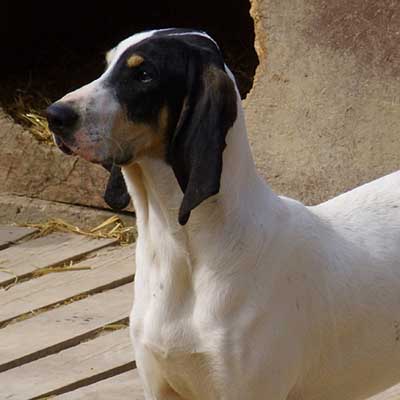
Ariegeois
The Ariegeois is a large scent hound renowned for its exceptionally friendly temperament. While not widely known beyond France, these dogs are appreciated for their easygoing nature, particularly in social situations, except when it comes to hunting. With a strong history as pack animals, they generally show little aggression towards other dogs and are often welcoming, even to strangers, which unfortunately diminishes their effectiveness as guard dogs. This breed is affectionate and loyal, thriving in a family environment. Although they possess a high energy level, they are adaptable and will join in on whatever activities the group is involved in, even if it means simply lounging together. However, it’s crucial to ensure they get regular exercise. As larger, athletic dogs, their well-being relies on sufficient physical activity. When not engaged in coursing or driving, they delight in running or having access to open spaces where they can sprint freely, reminiscent of their ancestral roles in chasing. They are relatively easy to train, particularly when a strong bond exists with their owner, and once trained, they respond effectively to commands.
Read more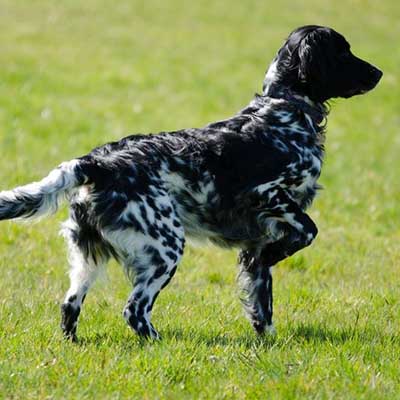
Large Munsterlander
The Munsterlander is a dynamic sporting breed that comes in two sizes: small and large. Although it is relatively new to the United States, it has long been favored for hunting in Europe. Both size variations require considerable attention and training to develop into well-adjusted family companions. With a strong hunting drive, the Munsterlander thrives when involved in meaningful activities. It is crucial for this breed to reside indoors, allowing for plenty of interaction with family members. If left unsupervised in the backyard, a Munsterlander may engage in mischief and potentially cause damage to your landscaping, as they are adept at finding ways to entertain themselves.
Read more