Czechoslovakian Vlcak (Czechoslovakian Wolfdog)
Slovak Wolfdog, Czech Wolfdog, Ceskoslovensky Vlcak, Czechoslovakian Wolfdog
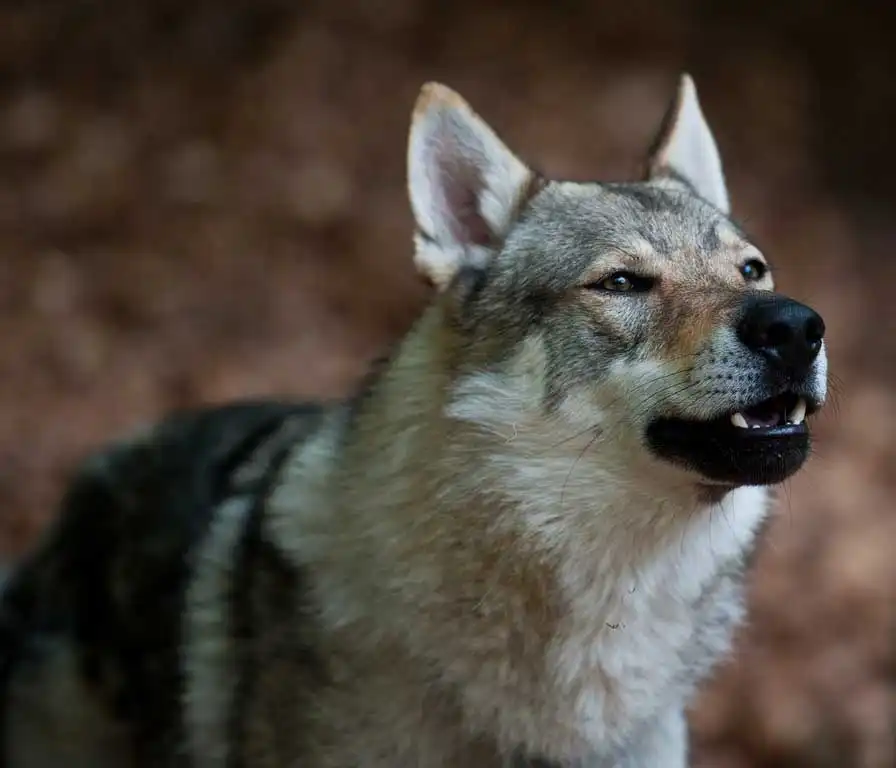
As their name suggests, this dog breed is a distinctive blend of wolf and dog, specifically a hybrid of the German Shepherd and the Carpathian wolf. Originally bred for military applications, these dogs showcase exceptional endurance, intelligence, and agility. However, they can pose training challenges, as they thrive on motivation to learn effectively. The Czechoslovakian Wolfdog is generally healthier than many other breeds, exhibiting a lower prevalence of health problems. Typically, they weigh between 44 and 54 pounds, stand around 24 to 26 inches tall, and have a lifespan of 12 to 16 years. While these dogs are incredibly loyal to their families, they often display caution towards strangers and unfamiliar animals. With strong hunting instincts, they require comprehensive training and should be monitored around smaller pets.
Breed Origin
In 1955, Mr. Hartl and Mr. Rosik, who came from Czech and Slovak heritage, initiated a groundbreaking project aimed at developing a distinctive dog breed by crossing a German Shepherd with a Carpathian wolf. This venture required the capture and training of four Carpathian wolves—Sarik, Brita, Argo, and Lejdy—who were then bred with around 40 to 50 German Shepherds. The duo explored various breeding combinations, pairing male Carpathian wolves with female German Shepherds and vice versa. Over the course of ten years, the offspring were interbred, culminating in the creation of the Czechoslovakian Wolfdog. The primary goal of this project was to blend the best traits of both breeds, aiming for a companion that combined the trainability, pack mentality, and temperament of the esteemed German Shepherd with the endurance and strength of the Carpathian wolf. Originally designed for military applications as attack dogs, these wolfdogs have since taken on diverse roles, including tracking, search and rescue, hunting, obedience, agility, drafting, and herding. Today, they hold the distinction of being the national dog of Czechoslovakia. Remarkably, they tend to be healthier than many other breeds, with only occasional cases of hip dysplasia and a few other minor health concerns. While they are more trainable than wolves, they still pose a greater challenge compared to typical domestic dogs.
Breed Appearance
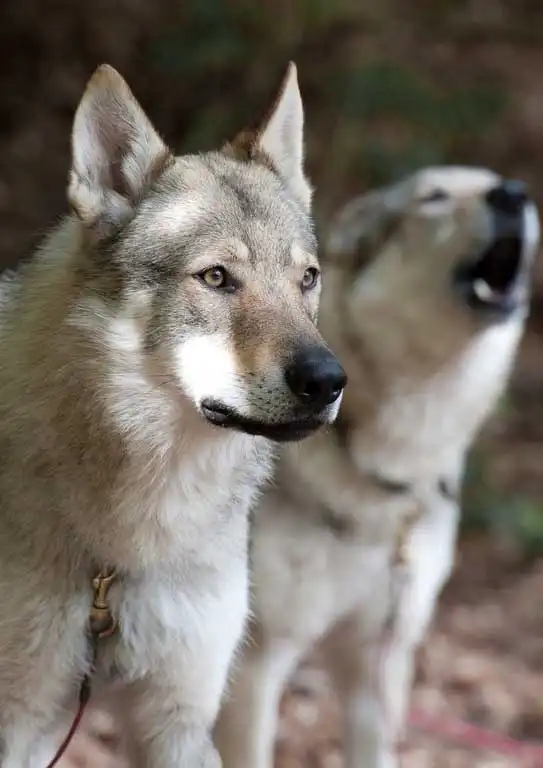
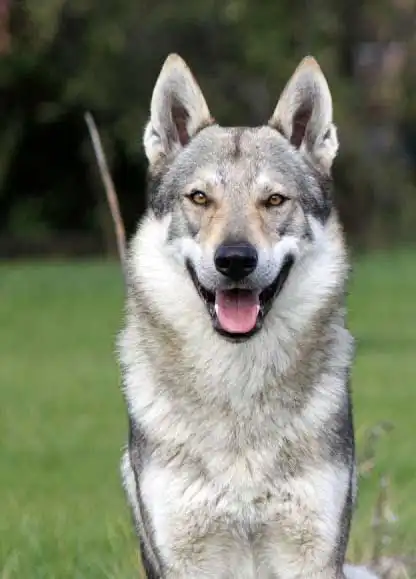
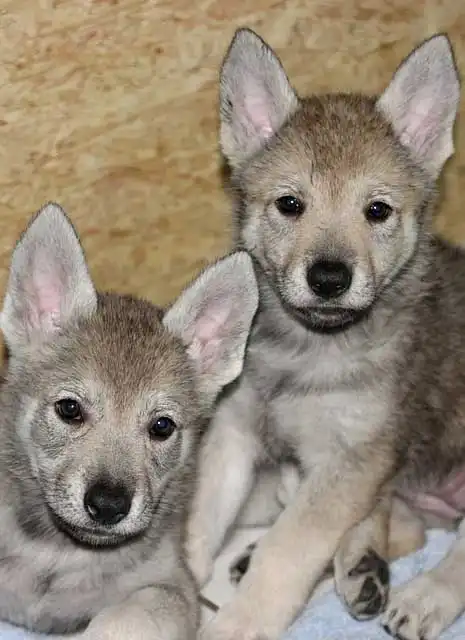
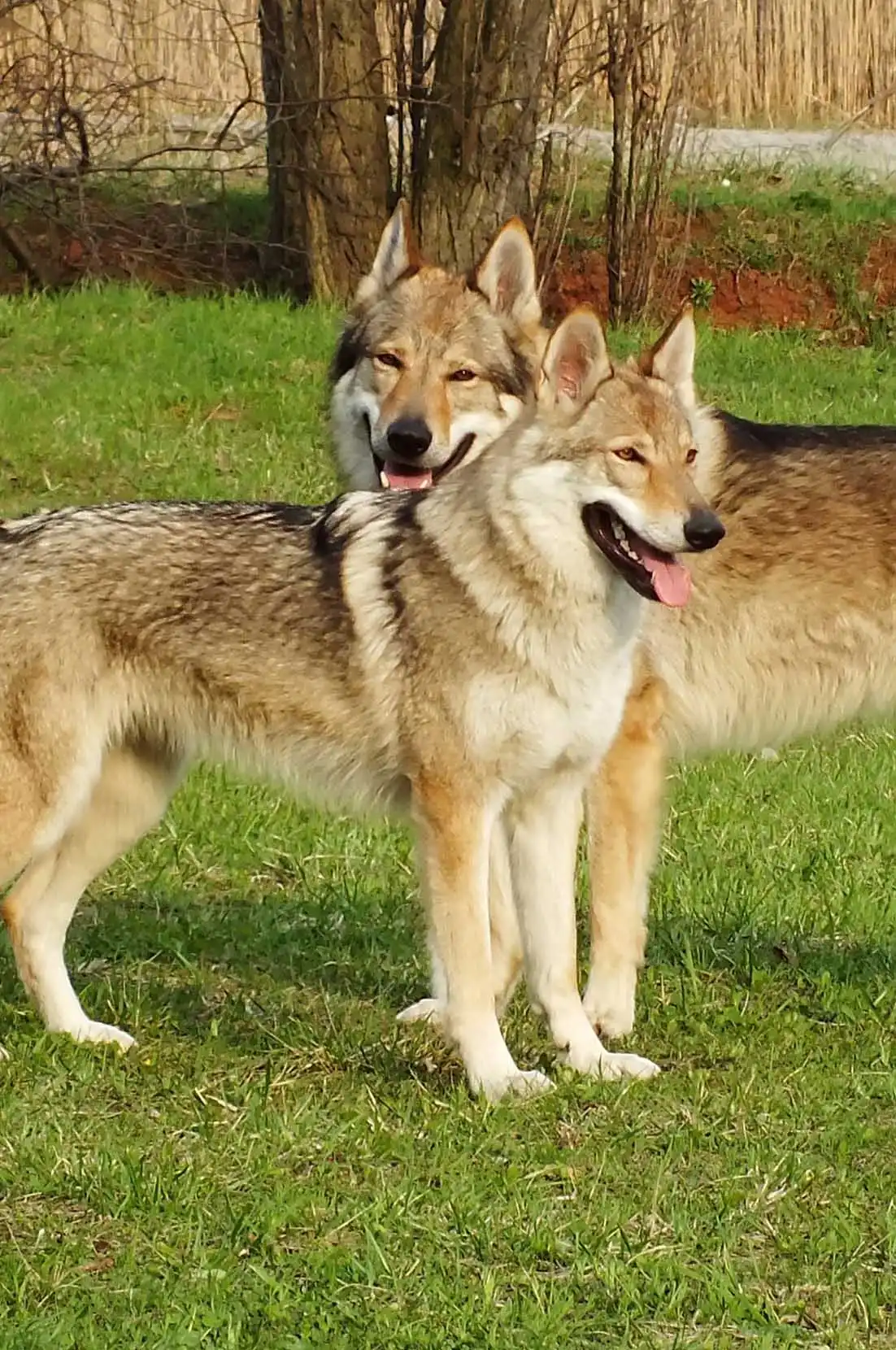
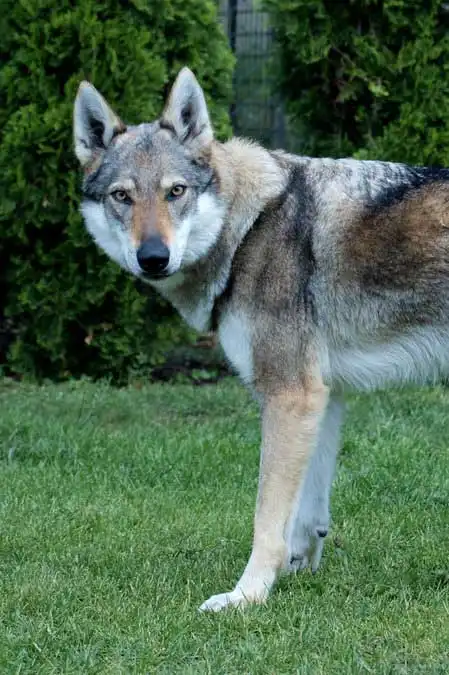
This remarkable and large breed bears a striking resemblance to a wolf in both its build and coat. The Czechoslovakian Wolfdog has a rectangular shape, with its height and length being nearly equal. Its ears are short, triangular, and stand upright, while its amber eyes are angled for a keen expression. The breed is equipped with strong, scissor-like jaws and sharp teeth. It boasts a sturdy, straight spine, a short loin, and a thick neck, all of which contribute to its broad, flat chest and tucked abdomen. The back is slightly sloped and compact, topped with a bushy tail that is set high, enhancing its agility and athleticism. The forelimbs are straight and slender, culminating in large paws that angle outward slightly, while the hind legs are long and muscular. This breed moves with both grace and strength, adorned with a dense, straight coat that can range from yellow-gray to silver-gray, often accented by a light mask and a dark muzzle.
Care Routine
The Czechoslovakian Wolfdog is a relatively easy-going pet that can thrive in a variety of living situations, as long as it gets enough exercise. Whether in an apartment or a countryside home, these dogs do best in spacious environments with ample outdoor space for running and playing. Although they have a preference for cooler climates, they can adapt to different weather conditions. Regular daily walks are vital, and it's important for the owner to take charge during these outings; the dog should ideally walk alongside or slightly behind the owner to establish a clear leadership role. During shedding seasons, which occur twice a year, they will need regular brushing to manage their thick fur, as it can leave noticeable hair around the house. Fortunately, they are generally clean animals with minimal odor, so frequent baths are not necessary. A nutritious diet that is high in protein and essential nutrients is important for their well-being, and it's important to keep in mind that these dogs are not hypoallergenic.
Behavior & Temperament
This breed is known for its high energy and agility, showcasing a bold character that enables it to engage in demanding physical activities. Although they may show some wariness, they are not prone to aggression without cause and tend to develop a strong loyalty to their owners, which makes them exceptional guard dogs. Their ability to adapt to different weather conditions, combined with their playful nature, adds to their charm. However, they can become moody if matched with an owner who lacks strong leadership skills. These dogs are intelligent and quick learners, thriving when given motivation and a sense of purpose. They may lose interest in repetitive tasks, which can lead to longer training sessions compared to other breeds. With their sharp senses, they excel at tracking scents and possess a notable independence, often thriving in a pack environment without needing constant human oversight. Typically, the Czechoslovakian Wolfdog does not bark, opting for alternative forms of communication with their owners. If not provided with proper authority, they may exhibit aggressive behavior and can be cautious around other animals, children, and strangers, making them less ideal for families with young kids or multiple pets. Nevertheless, with appropriate introductions, they can be loving and well-mannered around children. As with all dogs, early socialization during puppyhood is crucial for them to grow into calm and friendly companions.
Play & Exercise
Things to Know
Cups Per Day
3.5 Cups
Daily Activity
90 Minutes
Average Lifespan
14 Years
Origin
1955
Type
Pure Breeds
Size
Large
Origin Country
Czech Republic
Brush Frequency
Monthly
Coat Texture
Straight
Register
Your kids have been begging for a pet forever, and you've recently decided that it's time for your family to get a new addition -- a dog! While everyone is excited for the new arrival, you're wondering if you need to have a dog license. How much does it cost? Is it required? Where do you get one?
Member Clubs
PETINNATE
Herding Dog

AKC
Foundation Stock Service

UKC
Herding Dog
Height & Weight
Weight
70 lbs (32 kg)Male: 74 lbs (34 kg) , Female: 67 lbs (30 kg)
Height
26 inches (66 sm)Male: 27 inches (69 sm) , Female: 25 inches (64 sm)
6 Months
33 lbs ( m 33 lbs, f 33 lbs )
16 inches ( m 16 inches, f 16 inches )
12 Months
50 lbs ( m 50 lbs, f 50 lbs )
23 inches ( m 23 inches, f 23 inches )
18 Months
67 lbs ( m 67 lbs, f 67 lbs )
25 inches ( m 25 inches, f 25 inches )
Eye Colors
Amber
Nose Colors
Black
Coat Colors
Gray
Silver
Black