Africanis
Bantu dog, Hottentot Hunting dog, Zulu dog, Tswana dog, Umbwa wa ki-shenzi
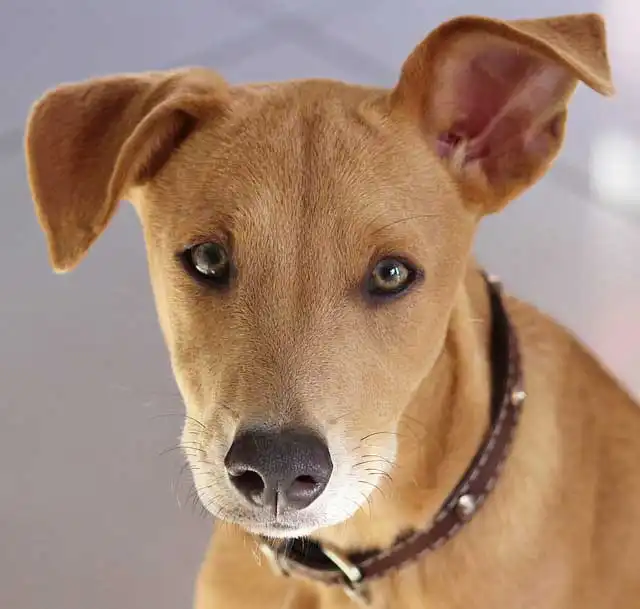
The Africanis dog is a recently acknowledged landrace that has developed naturally in South Africa. This breed is celebrated for its versatility, showcasing a strong yet elegant build, paired with a temperament that balances friendliness with caution. Unlike many standardized dog breeds, the Africanis displays a remarkable diversity within its population due to its organic evolution. There are still thriving feral groups of these dogs found near various traditional towns across South Africa. Until the late 1990s, they were often regarded as mere mongrels and faced considerable bias. However, the Africanis Society, founded by John Gallant and Dr. Udo Küsel, has played a crucial role in improving their standing and recognition.
Breed Origin
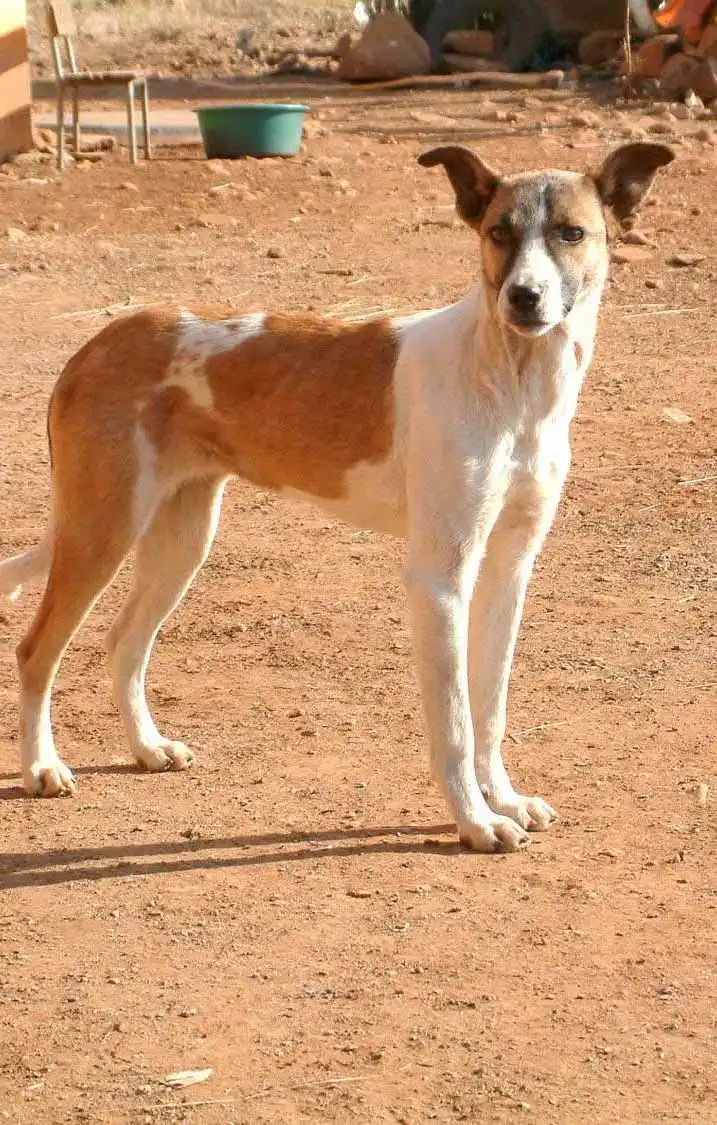
The Africanis dog breed has developed naturally over time, primarily without human influence, and many feral Africanis can still be spotted in the villages and surrounding areas of South Africa. Although the precise ancestry of the Africanis is not definitively known, it is thought that they are descendants of ancient wild hounds and pariah dogs, potentially interbred with sighthounds like the Greyhound. These dogs are recognized for their friendly nature and inherent submissiveness, making them a familiar sight in communities that embrace traditional South African ways of life. They fulfill various roles, including safeguarding people and livestock, hunting, and occasionally herding. In 1998, John Gallant, a dedicated supporter of the breed, along with Dr. Udo Küsel, the former director of the National Cultural History Museum, founded the Africanis Society. This organization distinguishes itself from conventional breed associations by focusing not on refining the breed but on preserving it in its naturally evolved form. The society utilizes advanced DNA testing for registered dogs and adheres to a rigorous code of ethics, along with specific guidelines and procedures for registration and breeding. While the breed promotes a diverse range of individual variations, certain standards have been established to reduce the likelihood of genetic disorders, such as dermoid sinus in ridged-back dogs.
Breed Appearance
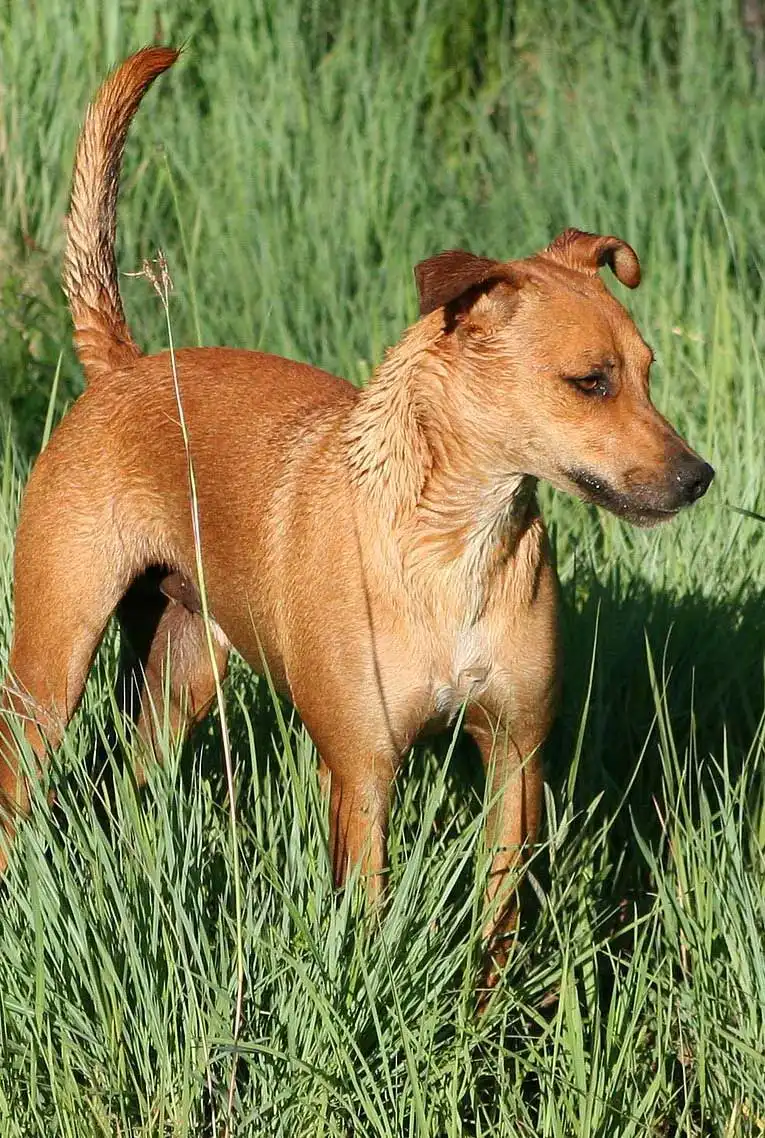
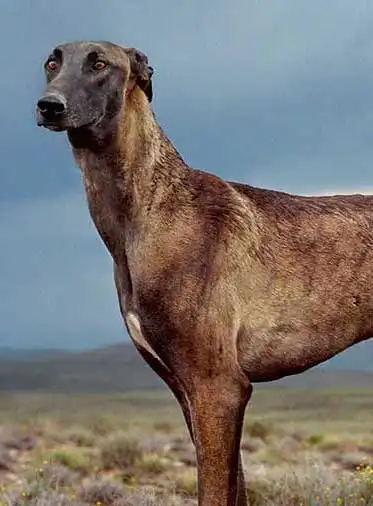
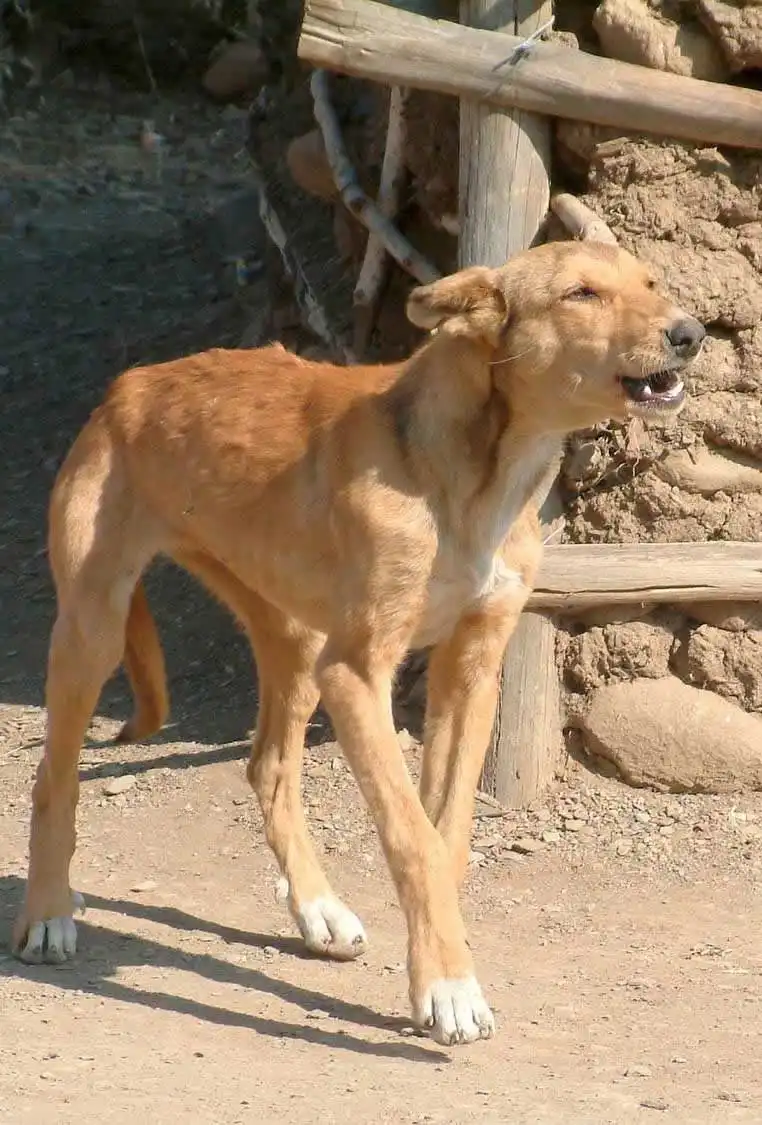
The Africanis breed showcases significant variation among individual dogs, yet the Africanis Society has put forth a comprehensive breed standard. Typically, these dogs are quite large, weighing between fifty-five and one hundred pounds, and they tend to have an athletic, slender physique; a healthy Africanis will have ribs that are subtly visible. They feature long, slender legs and are generally slightly longer than they are tall, characterized by a wedge-shaped, streamlined head that evokes the appearance of ancient sighthounds, along with a long, cone-shaped muzzle. The breed's oval eyes come in a range of colors, although breeding dogs with blue or bi-colored eyes is not encouraged. Their medium-sized, V-shaped ears can be positioned upright, semi-erect, or drooping. The Africanis has a short, easy-to-maintain double coat that can be found in any color or combination of colors, but breeding dogs with blue or diluted hues, as well as those with ridged backs, is discouraged for health considerations.
Care Routine
These dogs have a natural ability to resist a range of internal and external parasites, which means they usually only need a bath when absolutely necessary. Overbathing can strip their coat of essential oils, making them more susceptible to environmental hazards. To keep their coat healthy and shiny, it’s recommended to brush them weekly with a slicker or soft bristle brush, or to use a damp washcloth to wipe away loose fur. Furthermore, it’s crucial to check the ears of the Africanis regularly to ensure they stay clean, dry, and free from debris or any signs of infection.
Behavior & Temperament
These dogs have developed alongside humans rather than being selectively bred, which is reflected in their temperament. They are generally very friendly and patient with people of all ages, though they do value their personal space and may become uncomfortable with too much physical interaction, sometimes resulting in reactive behavior if they feel overwhelmed. While it’s crucial to supervise all interactions between dogs and children, Africanis dogs are particularly noted for their patience and playful nature with kids, making them dependable companions. They typically get along well with other dogs and, while they are alert and will alert you to any intrusions, they are not usually aggressive unless their family is directly threatened. These dogs are independent thinkers who can come up with creative solutions to problems, but if they lack mental stimulation, they might engage in their own mischief, like figuring out how to snag that steak you had set aside for dinner. Fortunately, their intelligence and eagerness to please make them relatively easy to train, especially when positive reinforcement methods are used.

Play & Exercise
The Africanis breed is celebrated for its exceptional endurance and vitality, necessitating a daily regimen of vigorous exercise that usually lasts between one to one and a half hours. These dogs relish long walks and hikes, but they truly flourish when given ample opportunities to run and stretch their legs. They are particularly suited for active pursuits like rally sport training or freestyle dance. Although skijoring may not be ideal due to their preference for warmer climates, engaging activities such as bike-joring can effectively help them burn off energy. While they can adjust to apartment living with enough extra exercise, they typically favor more expansive surroundings.
Things to Know
Cups Per Day
2.5 Cups
Daily Activity
90 Minutes
Average Lifespan
11 Years
Origin
Ancient Times
Type
Pure Breeds
Size
Large
Origin Country
Africa
Brush Frequency
Weekly
Coat Texture
Straight
Register
Your kids have been begging for a pet forever, and you've recently decided that it's time for your family to get a new addition -- a dog! While everyone is excited for the new arrival, you're wondering if you need to have a dog license. How much does it cost? Is it required? Where do you get one?
Member Clubs
PETINNATE
Other
Height & Weight
Weight
78 lbs (35 kg)Male: 78 lbs (35 kg) , Female: 78 lbs (35 kg)
Height
22 inches (56 sm)Male: 22 inches (56 sm) , Female: 22 inches (56 sm)
6 Months
54 lbs ( m 54 lbs, f 54 lbs )
18 inches ( m 18 inches, f 18 inches )
12 Months
70 lbs ( m 70 lbs, f 70 lbs )
21 inches ( m 21 inches, f 21 inches )
18 Months
77 lbs ( m 77 lbs, f 77 lbs )
22 inches ( m 22 inches, f 22 inches )
Eye Colors
Brown
Amber
Nose Colors
Black
Coat Colors
Brindle
Sable
Pied
White
Silver
Fawn
Isabella
Cream
Red
Brown
Gray
Black