Kai
Kai Dog, Kai Inu, Tora Inu, Tiger Dog
The Kai Ken was largely isolated from the outside world for a significant time, mainly due to the geographical features of its homeland—an island surrounded by mountains. Its reputation began to grow with the introduction of firearms and the rise in popularity of big game hunting. Known for its remarkable hunting skills, this breed is adept at climbing trees to pursue its prey. Although it was not initially bred as a companion animal, the Kai Ken became a beloved pet in many American homes following its introduction to the United States. The breed did not gain official recognition in Japan until 1934 and is still regarded as rare today. While the United Kennel Club recognized the Kai Ken in 1997, it has not yet been acknowledged by the American Kennel Club.
Breed Origin
The Kai Ken, often referred to as the “Tiger” dog, hails from hunting breeds native to the mountainous region of Kai on Honshu Island. For a long time, this breed was largely restricted to its homeland, thanks to the surrounding mountains, which has contributed to its rarity even in contemporary times. These dogs are known for their impressive skills, including swimming after their prey and even climbing trees to pursue it. The first Kai Ken dogs are thought to have arrived in the United States in the 1950s, brought back by servicemen returning from Japan. They were initially taken to Salt Lake City, but what happened to them afterward is uncertain. In 1990, a four-year-old male was imported, followed by three females shortly after. The next year saw the arrival of six more puppies, and in 1992, another male puppy was brought in. Collectively, these dogs established the foundation for the American Kai Ken breeding population.
Breed Appearance
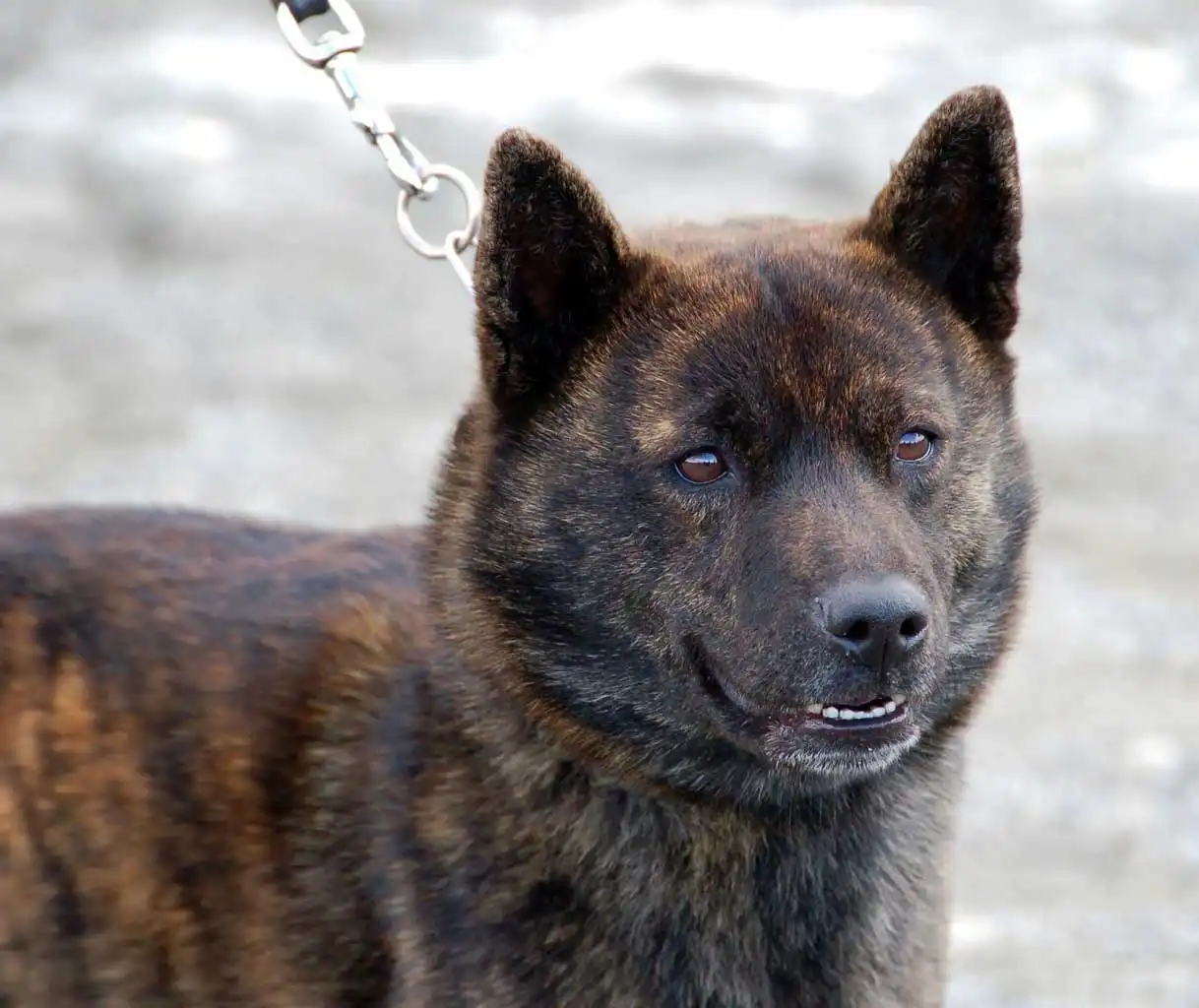
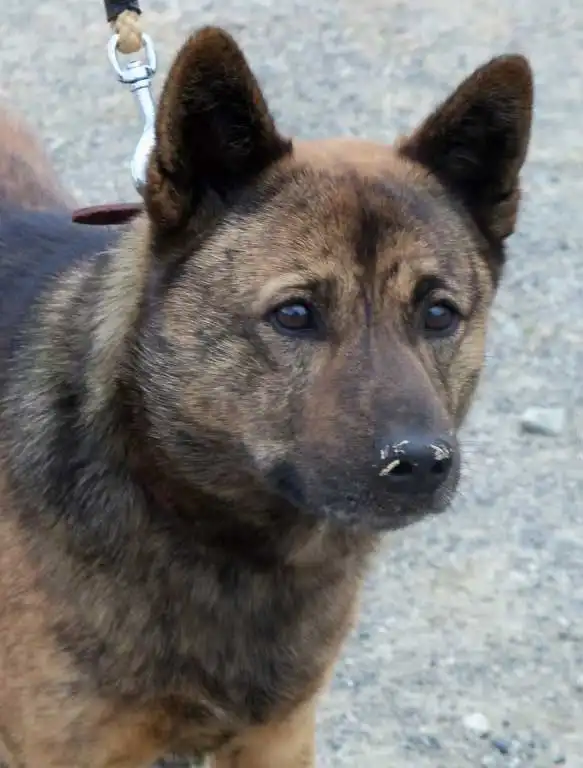
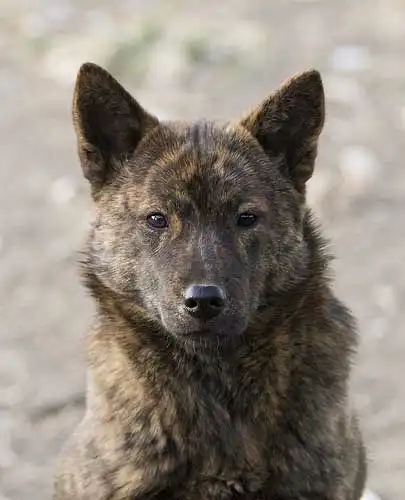
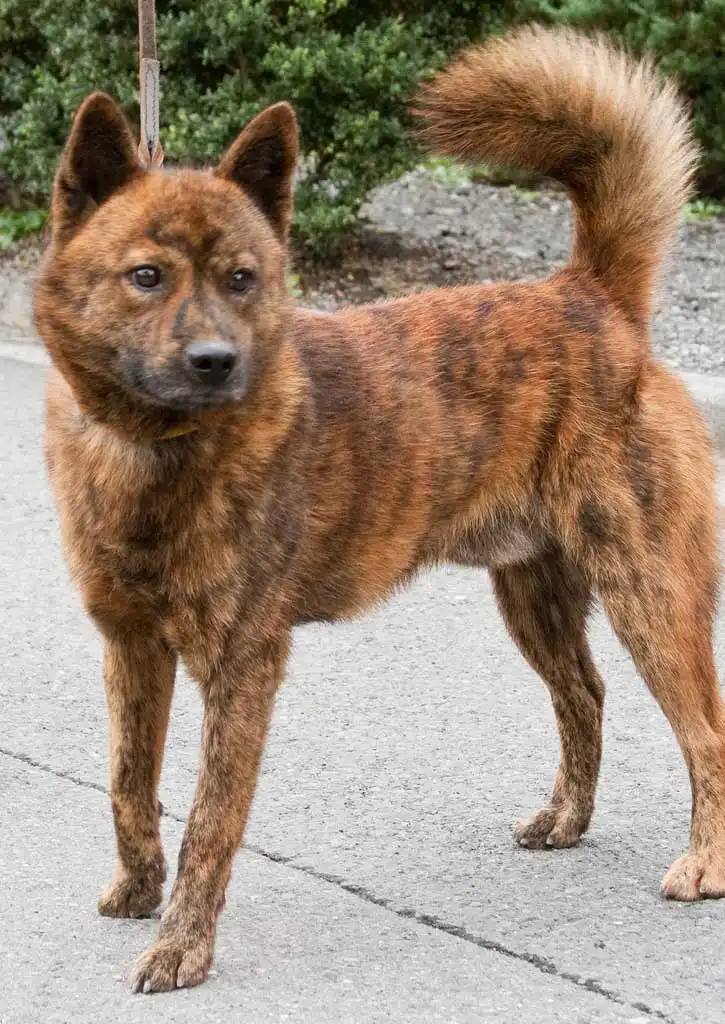
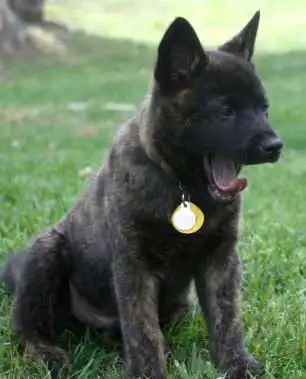
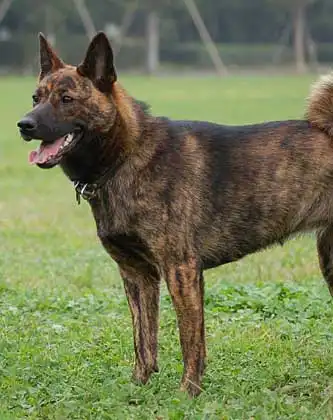
The Kai Ken is a sturdy, medium-sized dog known for its distinctive wedge-shaped head and tapered muzzle. It has strong white teeth that meet in a scissors bite. Its triangular ears may seem somewhat large compared to its body. With well-defined shoulders and thighs, this breed is equipped with powerful legs that enhance its agility. The tail is thick and carried in a sickle shape. The Kai Ken has a double coat, featuring a rough outer layer that can vary from medium to long, while the undercoat is dense, soft, and plush. This breed typically displays a brindle coloration, although puppies are born with black fur. As they mature, their coats transition to a brown base with stripes, revealing the unique brindle pattern.
Care Routine
The Kai Ken requires minimal grooming, making coat maintenance quite straightforward. A few brushings are usually enough, primarily to avoid tangles in the undercoat. Bathing should be kept to a minimum, but incorporating a dry shampoo along with occasional brushing can be advantageous. This breed features a double coat that sheds at least biannually, and you may need to strip the coat to remove old fur, promoting a healthy look. As a highly active breed, the Kai Ken needs plenty of exercise. He loves taking long walks with his owner and is always eager for playtime in any form. It’s important for owners to engage in activities that satisfy this inquisitive dog’s need for mental stimulation. Keeping the Kai Ken on a leash is essential, as he has a propensity to dash off if not properly secured. Although the Kai Ken can adapt to living in an apartment, having access to a spacious, wooded area for daily exercise is crucial. Experts typically recommend against apartment living for this breed unless the owner is dedicated to providing at least an hour of free play each day. Additionally, the Kai Ken is known for being clean and almost odorless.
Behavior & Temperament
The Kai Ken is a natural hunter and an outstanding protector, always on guard to safeguard his family. Generally reserved and cautious around strangers, this trait enhances his role as a vigilant watchdog. In contrast, he becomes warm and friendly when with familiar faces. This affectionate breed is incredibly loyal to its family and thrives on love and attention from its owner to stay content. It’s not unusual for the Kai Ken to develop a particularly strong bond with one family member. While he is protective, he is typically not aggressive. However, his stubbornness and dominant nature make early training essential. The Kai Ken usually gets along well with other dogs and children, but proper socialization during puppyhood is vital for fostering positive interactions with other pets and kids as he grows. Highly observant and alert, this breed is best suited as an indoor companion. Moreover, the Kai Ken is known for being relatively easy to housebreak, often accomplishing this within just a few days.
Play & Exercise
Things to Know
Cups Per Day
2.5 Cups
Daily Activity
70 Minutes
Average Lifespan
14 Years
Origin
ancient times
Type
Pure Breeds
Size
Medium
Origin Country
Japan
Brush Frequency
Weekly
Coat Texture
Straight
Register
Your kids have been begging for a pet forever, and you've recently decided that it's time for your family to get a new addition -- a dog! While everyone is excited for the new arrival, you're wondering if you need to have a dog license. How much does it cost? Is it required? Where do you get one?
Member Clubs

PETINNATE
Northern Breed

AKC
Foundation Stock Service

UKC
Northern Breed
Height & Weight
Weight
40 lbs (18 kg)Male: 40 lbs (18 kg) , Female: 40 lbs (18 kg)
Height
19 inches (48 sm)Male: 20 inches (51 sm) , Female: 19 inches (48 sm)
6 Months
20 lbs ( m 20 lbs, f 20 lbs )
14 inches ( m 14 inches, f 14 inches )
12 Months
26 lbs ( m 26 lbs, f 26 lbs )
16 inches ( m 16 inches, f 16 inches )
18 Months
40 lbs ( m 40 lbs, f 40 lbs )
18 inches ( m 18 inches, f 18 inches )
Eye Colors
Brown

Nose Colors
Black
Coat Colors
Black
Brindle