Central Asian Shepherd
Central Asian Ovtcharka, Middle Asian Ovtcharka, Mid-Asian Shepherd
This fascinating ancient dog breed traces its origins back to approximately 3000 B.C. and has developed through the process of natural selection. Its evolution has been shaped by various environmental influences and climatic conditions. While it is thought to have descended from the Tibetan Mastiff, the precise lineage remains unclear due to the absence of intentional breeding by humans over such an extensive timeframe. Today, the Central Asian Shepherd is recognized as one of the oldest breeds still in existence. This breed is notable for its robust and powerful build, featuring strong, muscular legs, a broad, short head, and a thick neck with a prominent dewlap. Their coats can vary in length and are available in colors such as white, fawn, black, or brindle. As the breed progressed, three distinct types emerged, each tailored to specific roles: herders, dog fighters, and livestock guardians, with each type showcasing traits suited to its function. All Central Asian Shepherds possess qualities such as intelligence, confidence, bravery, and protectiveness; however, the fighting type is often characterized by a more aggressive temperament. Given their size, strength, and intensity, these dogs are not recommended for inexperienced owners; those new to dog ownership should opt for a more manageable breed. The Central Asian Shepherd requires a significant amount of food, exercise, and training to effectively harness its considerable mental, emotional, and physical energy. This breed is truly exceptional, but prospective owners must be fully prepared to meet its demands.
Breed Origin
The term "Central Asian Shepherd" reflects its geographical origins, as this breed originates from the core of Asia, specifically the area bordered by the Ural River, the Caspian Sea, Asia Minor, and the northwestern part of China. Its lineage dates back to between 2000 and 3000 B.C., and it is thought to be related to the Tibetan Mastiff. However, because the breed developed independently, influenced only by its environment rather than human intervention, determining its precise beginnings is quite difficult. Genetically, the Central Asian Shepherd shares close ties with other native breeds from the same region, including the Caucasian Shepherd, Kangal Dog, and Akbash. As the breed progressed, especially with human involvement in its breeding practices, it diversified into three main functions: as guardians of livestock, protective dogs, and combatants. One of its notable nicknames, "Voldokov," which means "Wolf Crusher" in Russian, underscores its impressive strength. It is believed that a breed similar to the Central Asian Shepherd accompanied the Mongols during their campaigns in Eastern and Central Europe. In 2000, this breed was the most favored in Russia, and although its popularity has diminished somewhat since then, it still maintains a significant presence. While it is not widely found in the United States, breeding initiatives are slowly increasing. The breed has received acknowledgment from several organizations, including the National Kennel Club, United Kennel Club, American Canine Registry, American Rare Breed Association, the prestigious Federation Cynologique Internationale, and the American Kennel Club Foundation Stock Service Program, although it has not yet attained full recognition from the American Kennel Club.
Breed Appearance
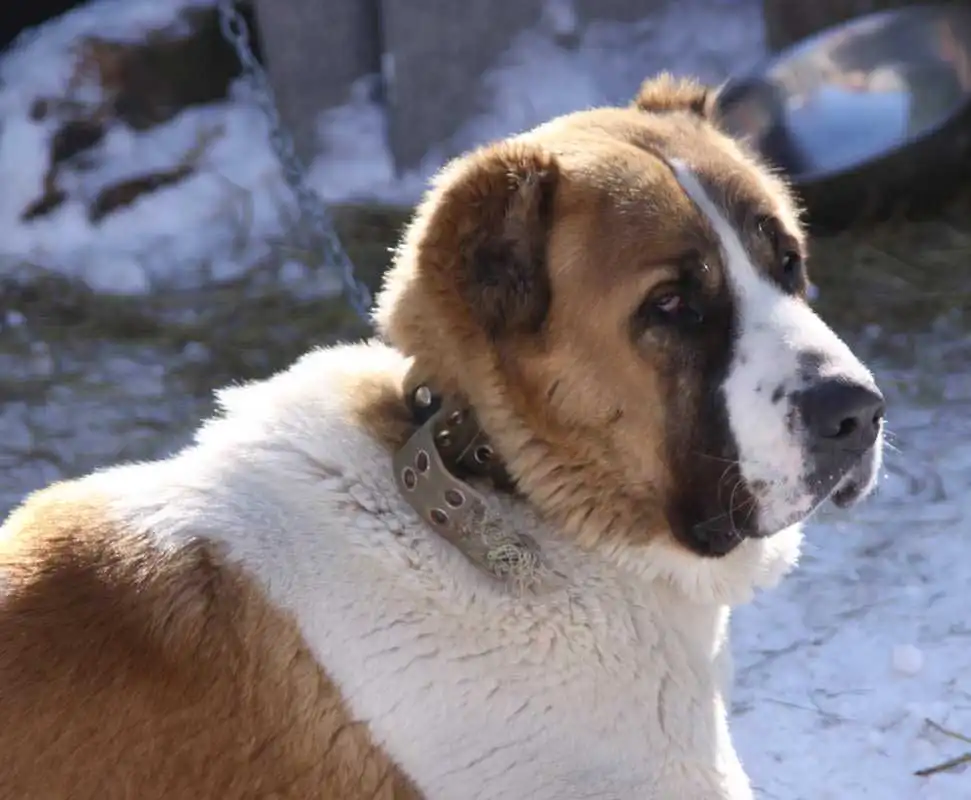
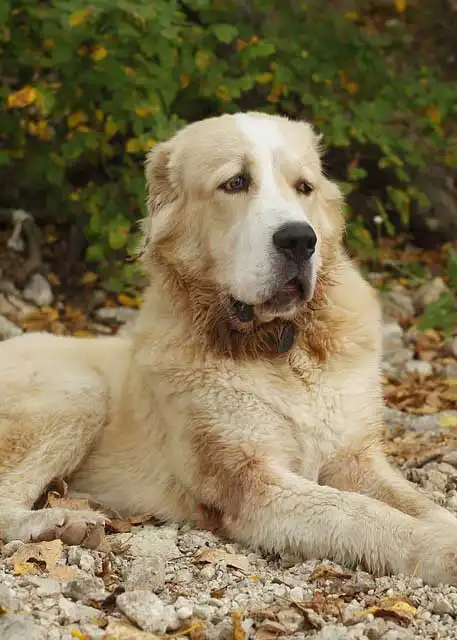
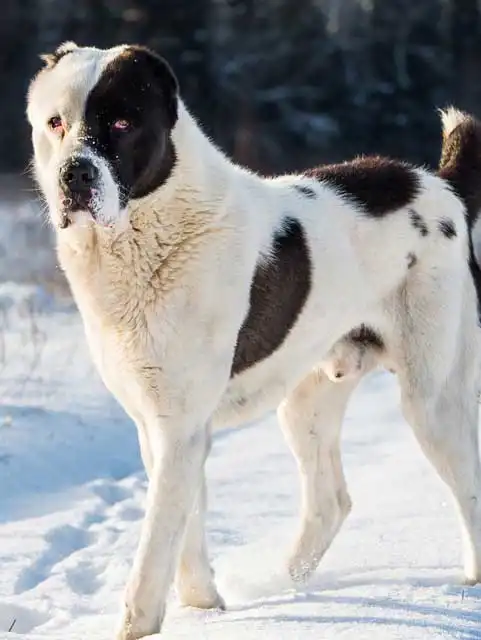
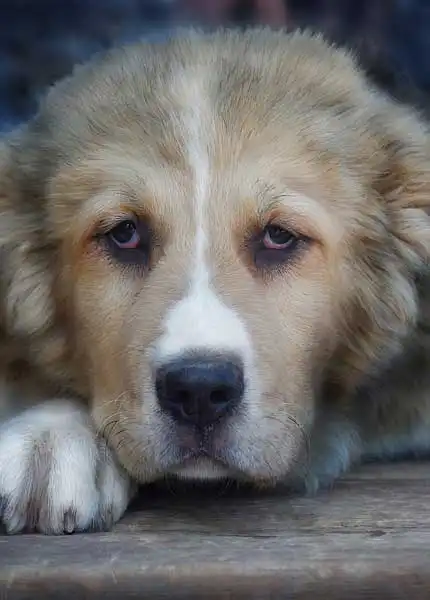
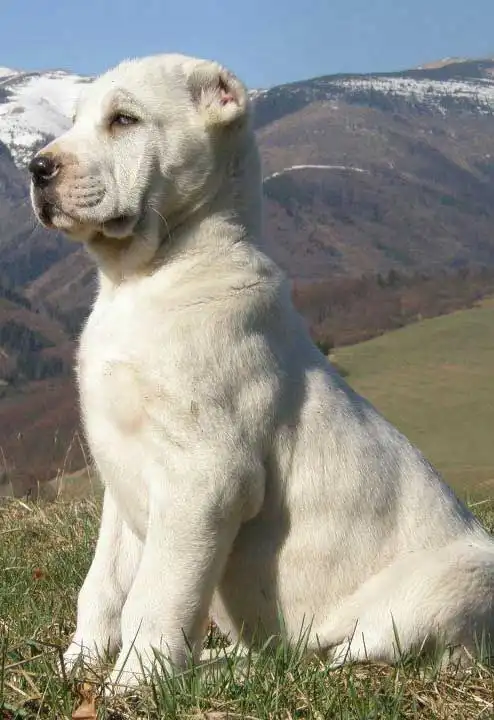
The Central Asian Shepherd is a strong and formidable dog, thought to have descended from Mastiff-type breeds. Its body is slightly elongated in relation to its height, contributing to a commanding presence that stands out among dogs. This breed is built on a robust skeletal framework, which supports a broad, muscular back and a deep chest. Its front legs are powerful, leading to well-defined shoulders, while the hind legs are equipped with strong thighs. The dog's face is somewhat jowly, featuring a wide head and a tapered muzzle. As a breed with a history rooted in work, it possesses notably strong jaws and teeth. The Central Asian Shepherd radiates confidence and dignity, evident in its noble expression and medium-sized, oval eyes that are deep-set, ranging in color from hazel to dark brown, framed by thick eyelids and black rims. In some areas, the tail is often docked to a moderate length, and the ears may be cropped into a cauliflower shape, unless restricted by local regulations, as seen in countries like France and Australia. This large breed also has substantial paws and is covered in a thick coat that varies in length, featuring a heavy undercoat. Coat colors can include combinations of black and white, various shades of fawn, or brindle, sometimes accented with a black mask.
Care Routine
Caring for the coat of the Central Asian Shepherd is relatively straightforward, requiring minimal grooming to maintain its appearance. This breed experiences significant shedding in the spring, which calls for extra brushing to avoid matting and assist with the shedding process. Throughout the rest of the year, they are considered light shedders and do not require frequent baths or grooming. While they are not hypoallergenic, they typically do not emit a strong dog odor. Regular nail trimming is crucial to prevent breakage or injury, as their nails are quite robust. This breed is not well-suited for apartment living; small spaces can trigger destructive behaviors such as digging and chewing. Although they can adjust to indoor environments, they truly flourish when they have the opportunity to patrol and protect their outdoor space. As puppies, Central Asian Shepherds grow rapidly and need a diet rich in natural ingredients. For adult dogs, it is essential to provide a generous portion of high-quality food twice a day.
Behavior & Temperament
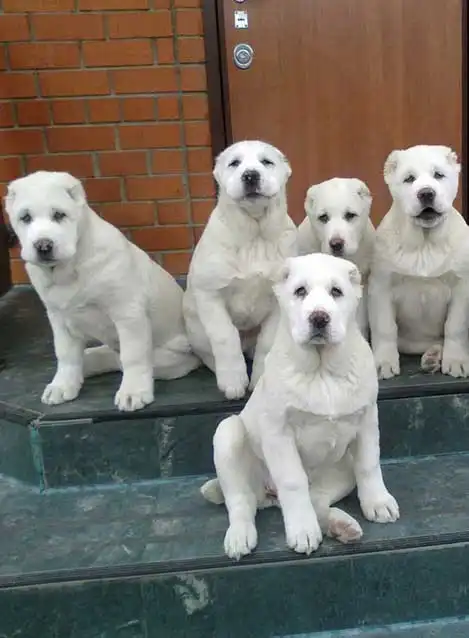
The Central Asian Shepherd (CAS) is distinguished by its composed temperament and courageous spirit, making it an exceptional guardian for families. This breed, known for its independence, shows affection to all family members but will confidently stand its ground when necessary. It’s important to exercise caution around small children, as supervision is advisable. When outside, the CAS may display dominance over other dogs and tends to be cautious around strangers. This breed is also known for its nighttime barking. Early socialization is essential; with proper exposure to different environments and animals, a well-adjusted CAS can live peacefully with other pets, including cats and friendly dogs. They particularly enjoy the company of other Central Asian Shepherds, as they share a mutual understanding. As working dogs, they thrive on having responsibilities and require strong leadership from their owners to maintain clear boundaries. Highly intelligent, they respond best to training methods that emphasize love, kindness, and positive reinforcement. Although they may seem to be resting at home, don’t be fooled by their relaxed demeanor; they can spring into action at a moment’s notice.
Play & Exercise
Things to Know
Cups Per Day
4.0 Cups
Daily Activity
90 Minutes
Average Lifespan
13 Years
Origin
ancient times
Type
Pure Breeds
Size
Giant
Origin Country
Central Asia
Brush Frequency
Monthly
Coat Texture
Straight
Register
Your kids have been begging for a pet forever, and you've recently decided that it's time for your family to get a new addition -- a dog! While everyone is excited for the new arrival, you're wondering if you need to have a dog license. How much does it cost? Is it required? Where do you get one?
Member Clubs

PETINNATE
Guardian Dog

AKC
Foundation Stock Service

UKC
Guardian Dog
Height & Weight
Weight
132 lbs (60 kg)Male: 149 lbs (68 kg) , Female: 116 lbs (53 kg)
Height
28 inches (71 sm)Male: 30 inches (76 sm) , Female: 26 inches (66 sm)
6 Months
50 lbs ( m 50 lbs, f 50 lbs )
18 inches ( m 18 inches, f 18 inches )
12 Months
65 lbs ( m 65 lbs, f 65 lbs )
23 inches ( m 23 inches, f 23 inches )
18 Months
112 lbs ( m 112 lbs, f 112 lbs )
25 inches ( m 25 inches, f 25 inches )
Eye Colors
Hazel

Brown
Nose Colors
Black
Brown
Coat Colors
Pied
Brindle
Black

White
Gray