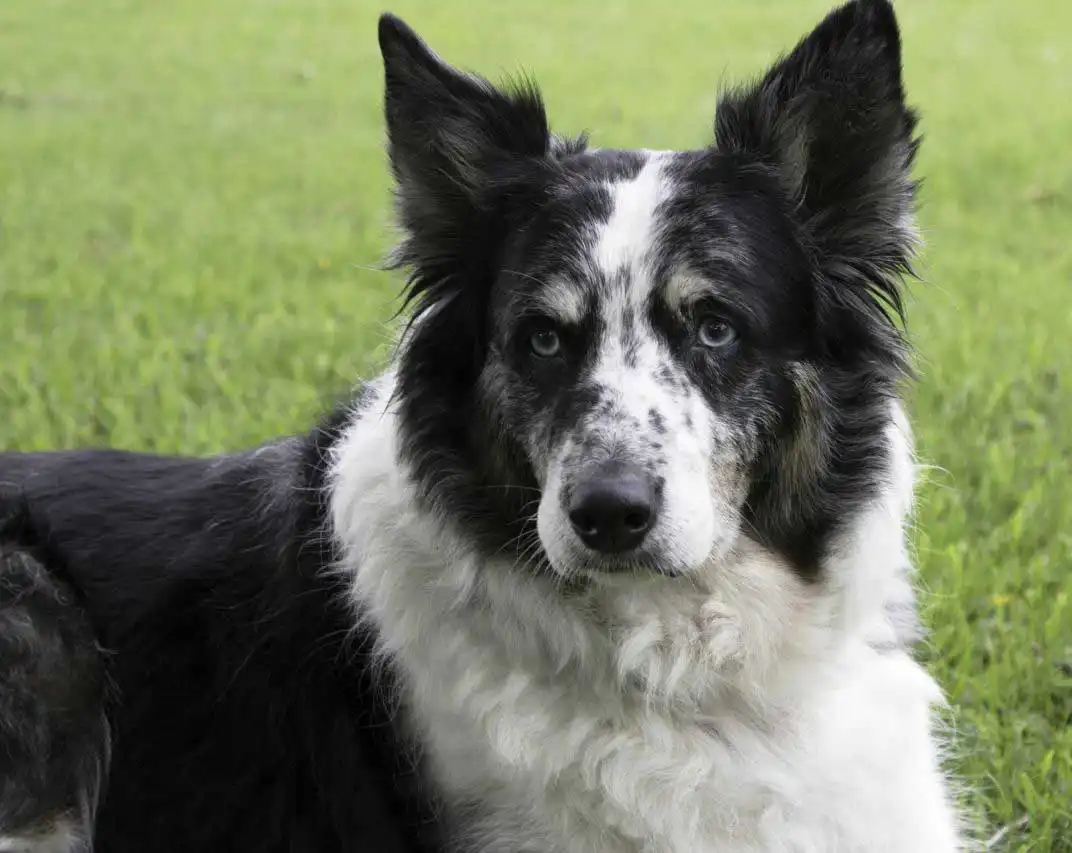
Welsh Sheepdog
Welsh Collie, Ci Defaid Cymreig
The Welsh Sheepdog is a hardworking breed recognized for its proactive nature and decision-making skills while herding, yet it remains open to direction from its owner. This breed thrives on physical activity and seeks out purposeful tasks. If you're considering adding a Welsh Sheepdog to your family, it's crucial to understand that they flourish in an active environment; without sufficient stimulation, they may become bored and difficult to handle, particularly in smaller spaces like apartments, especially if left alone for long periods. They are known to be quite vocal, often expressing their dissatisfaction loudly. A large yard or a rural environment is much more suited to their natural instincts. While their herding abilities and strong work ethic are highly valued, their physical appearance is less important, resulting in a wide range of sizes and colors among individuals. Unlike some herding breeds that merely oversee livestock, the Welsh Sheepdog adeptly guides them by moving back and forth and maintains a taller posture than the Border Collie during herding. This breed is loyal, intelligent, and gentle with children, while also being protective, making it an ideal companion for active families or a valuable addition to a farm.
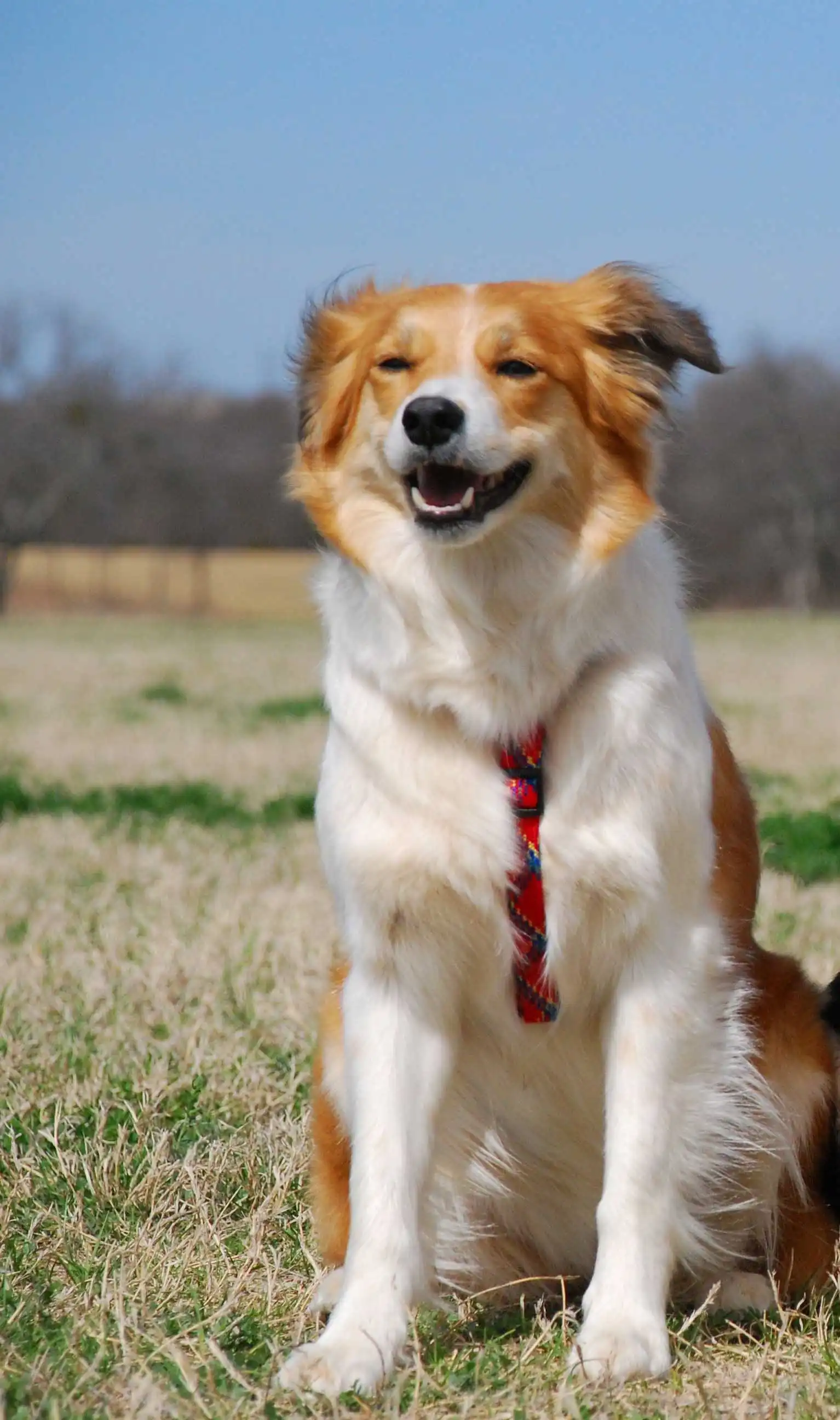
Breed Origin
The origins of the Welsh Sheepdog are shrouded in mystery, with scant information available about this unique breed. Historical references to these dogs appear in Welsh manuscripts that are over 800 years old, underscoring their steadfast dedication to herding from sunrise to sunset. During the agricultural revolution in Britain, which commenced in the 1800s, farmers sought dependable dogs adept at managing livestock across challenging, open landscapes. These dogs not only herded but also protected the animals, often working in tandem with other dogs and drovers. This ability was vital for the survival of early farmers and drovers in Wales. Accounts from that time tell of a few men and their dogs successfully driving more than 300 cattle to English markets simultaneously. The contemporary Welsh Sheepdog is a descendant of these early herding dogs. The early 1900s saw the advent of Sheepdog trials, which allowed various breeds to compete and demonstrate their skills. Unfortunately, there are no historical breeding records for the Welsh Sheepdog, raising questions about the purity of its lineage. In 1997, the Welsh Sheepdog Society was founded to preserve and promote the breed's working capabilities. The decline of droving, along with the Border Collie's prominence in sheepdog trials, has led to a reduction in the Welsh Sheepdog's popularity. Nonetheless, this breed is celebrated for its versatility and remains a distinctive presence, with abilities and characteristics that can be traced back to its ancestors.
Breed Appearance
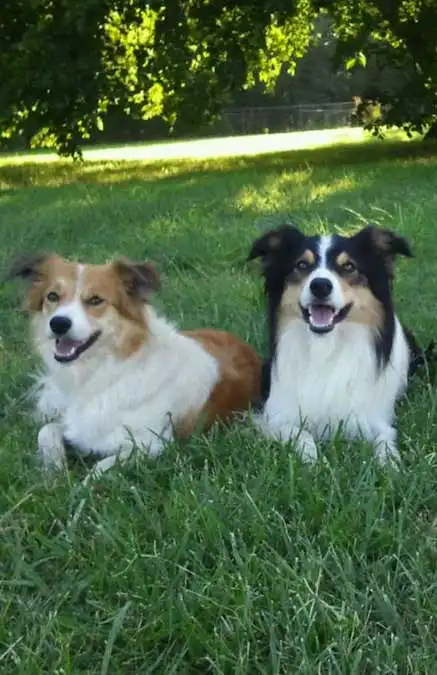
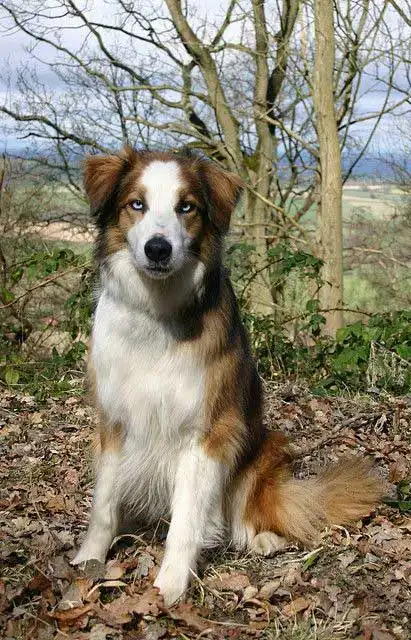
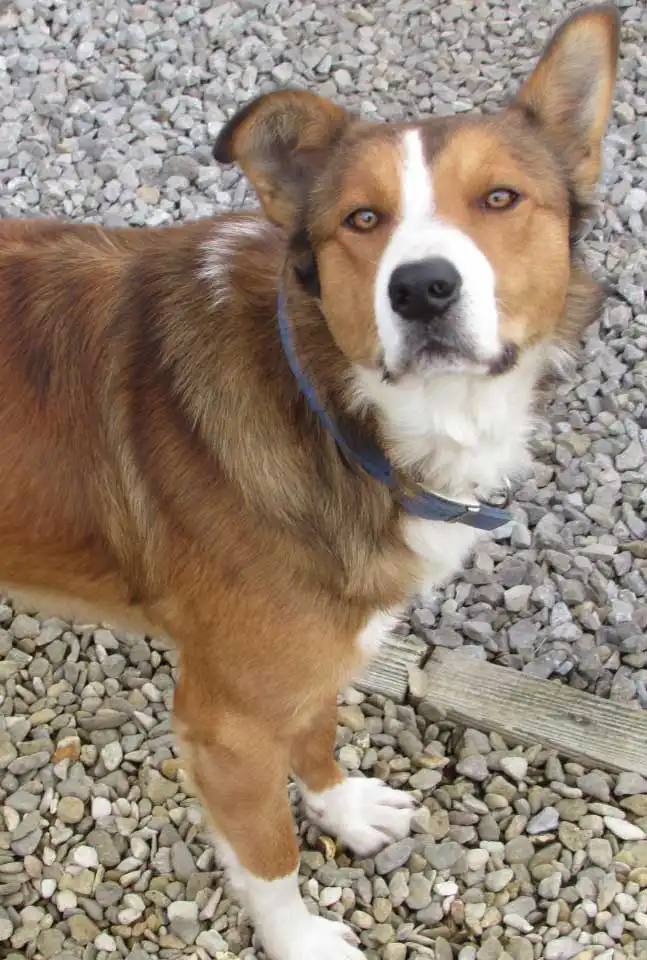
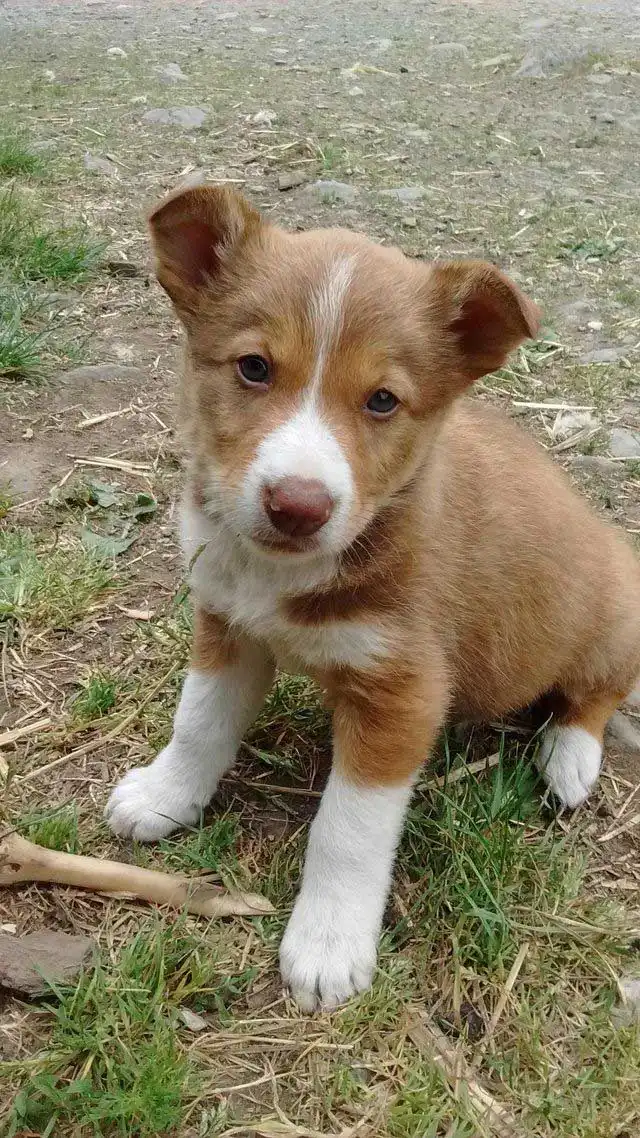
The Welsh Sheepdog, commonly known as the Welsh Collie, is a medium-sized breed distinguished by its well-proportioned body and robust structure. These dogs typically have a compact build supported by long, powerful legs, and their rounded, cushioned paws enable them to traverse a variety of terrains effortlessly. They boast an appealing and expressive visage, characterized by a wedge-shaped head and an elongated, pointed snout. The Welsh Sheepdog's ears are attentive and erect, sometimes showing a slight forward bend. Although functionality often takes precedence over aesthetics, their coats can differ in length, generally featuring a dense undercoat. They come in colors like black, tan, red, or blue merle, frequently highlighted by white markings on their bodies or faces. Young Welsh Sheepdogs often have striking blue eyes, which may change to a warm brown as they grow older, with the blue-eyed ones particularly captivating with their enchanting gaze. Their strong eagerness to please and commitment to their tasks truly set them apart as outstanding working dogs.
Care Routine
The Welsh Sheepdog is a devoted working breed that excels when given specific tasks. They are quick to engage and often lack patience during grooming sessions, needing only a thorough brushing once a week to prevent matting, especially in the long-haired variety. Regular baths are typically not required for these dogs, particularly if they are actively engaged in work, as they tend to keep themselves clean. Their coats usually benefit from exposure to wet grass, rain, and streams, which help maintain their condition. However, if a bath becomes necessary to remove dirt and mud, it’s advisable to use a mild dog shampoo to protect the coat's natural oils, crucial for weather resistance. It's vital to routinely check working dogs for parasites such as ticks and fleas, especially around the ears. Gently cleaning the inner ear can help prevent the buildup of dirt and wax that may cause inflammation. Whether they serve as pets or working dogs, it’s important to train them to remain calm during tooth brushing and nail trimming. Once these grooming tasks are completed, they can be allowed to return to their duties or enjoy some playtime.
Behavior & Temperament
The Welsh Sheepdog is a lively and hardworking breed, making it an outstanding option for a guard dog—this alert canine misses nothing. While they will bark to notify their owners of any intruders, they are generally welcoming to those they know. With a strong independent streak, these dogs excel when given specific tasks to complete. Originally developed to herd and protect sheep and cattle across extensive terrains, they boast impressive stamina and can run tirelessly throughout the day. Known for their intelligence and trainability, Welsh Sheepdogs respond best to handlers who are both fair and firm, avoiding harshness. They typically get along well with children and other pets, although they may have a natural tendency to herd them! Unlike the Border Collie, which uses its stare to manage livestock, the Welsh Sheepdog actively guides and oversees its charges. One of their distinguishing characteristics is their more laid-back attitude; they can relax after a day’s work, making them excellent companions. These dogs are loyal, devoted, and protective of their families, requiring plenty of mental and physical stimulation to stay content. If they are not adequately challenged, they may become prone to excessive barking. With their striking appearance, gentle disposition, and playful nature, the Welsh Sheepdog is often an underrated yet exceptional companion and working dog.
Play & Exercise
The Welsh Sheepdog is a prime example of a working dog, thriving when given specific tasks to perform. Full of vitality, they excel in rural settings where they can partake in agricultural activities or enjoy long walks through the countryside. Their desire to please makes them highly trainable; they respond best to a combination of gentle yet firm leadership and can make sound decisions independently when their owner is not around. However, this breed can also display a strong personality and a tendency to be headstrong, which means they are best suited for experienced handlers who can navigate their lively temperament. Without appropriate guidance, they may become obstinate and overly confident. It is vital to direct their energy in a balanced and assertive way. These dogs love to join you for runs or bike rides, appreciate long walks in any weather, and are particularly adept at gently herding children. Their kind nature makes them excellent family companions, but it is important to keep them mentally and physically stimulated to ensure their happiness and well-being.
Things to Know
Cups Per Day
3.0 Cups
Daily Activity
120 Minutes
Average Lifespan
14 Years
Origin
18th Century
Type
Pure Breeds
Size
Medium
Origin Country
Wales, England
Brush Frequency
Monthly
Coat Texture
Straight
Register
Your kids have been begging for a pet forever, and you've recently decided that it's time for your family to get a new addition -- a dog! While everyone is excited for the new arrival, you're wondering if you need to have a dog license. How much does it cost? Is it required? Where do you get one?
Member Clubs

PETINNATE
Other
Height & Weight
Weight
36 lbs (16 kg)Male: 38 lbs (17 kg) , Female: 34 lbs (15 kg)
Height
17 inches (43 sm)Male: 17 inches (43 sm) , Female: 17 inches (43 sm)
6 Months
10 lbs ( m 10 lbs, f 10 lbs )
11 inches ( m 11 inches, f 11 inches )
12 Months
21 lbs ( m 21 lbs, f 21 lbs )
13 inches ( m 13 inches, f 13 inches )
18 Months
36 lbs ( m 36 lbs, f 36 lbs )
16 inches ( m 16 inches, f 16 inches )
Eye Colors
Blue

Brown
Amber
Nose Colors
Black
Coat Colors
White
Blue
Red
Pied
Black
Mixes
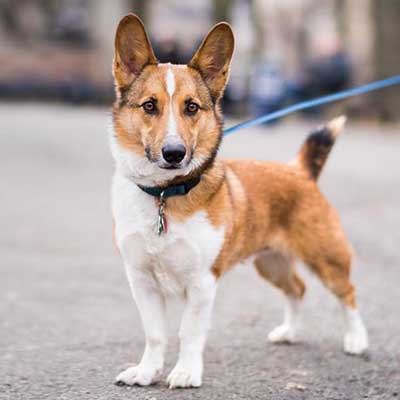
Worgi
The Worgi is a hybrid breed that emerges from the combination of a Welsh Corgi and a Welsh Sheepdog. These dogs are medium-sized, generally weighing between 20 and 30 pounds and standing 10 to 15 inches tall. Their coats are thick, silky, and straight, with a medium length that often features a mix of colors such as brown, fawn, white, and black, frequently appearing in various combinations. Renowned for their intelligence, Worgis are quick to learn and respond positively to training. Their friendly and sociable nature makes them wonderful companions for both children and other pets. Moreover, Worgis are quite active and require a significant amount of daily exercise to stay healthy and content.
Read more