Worgi
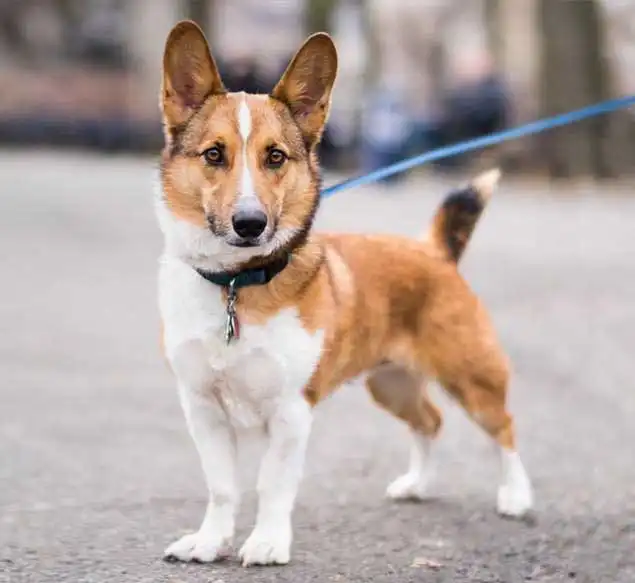
The Worgi is a hybrid breed that emerges from the combination of a Welsh Corgi and a Welsh Sheepdog. These dogs are medium-sized, generally weighing between 20 and 30 pounds and standing 10 to 15 inches tall. Their coats are thick, silky, and straight, with a medium length that often features a mix of colors such as brown, fawn, white, and black, frequently appearing in various combinations. Renowned for their intelligence, Worgis are quick to learn and respond positively to training. Their friendly and sociable nature makes them wonderful companions for both children and other pets. Moreover, Worgis are quite active and require a significant amount of daily exercise to stay healthy and content.
Breed Origin
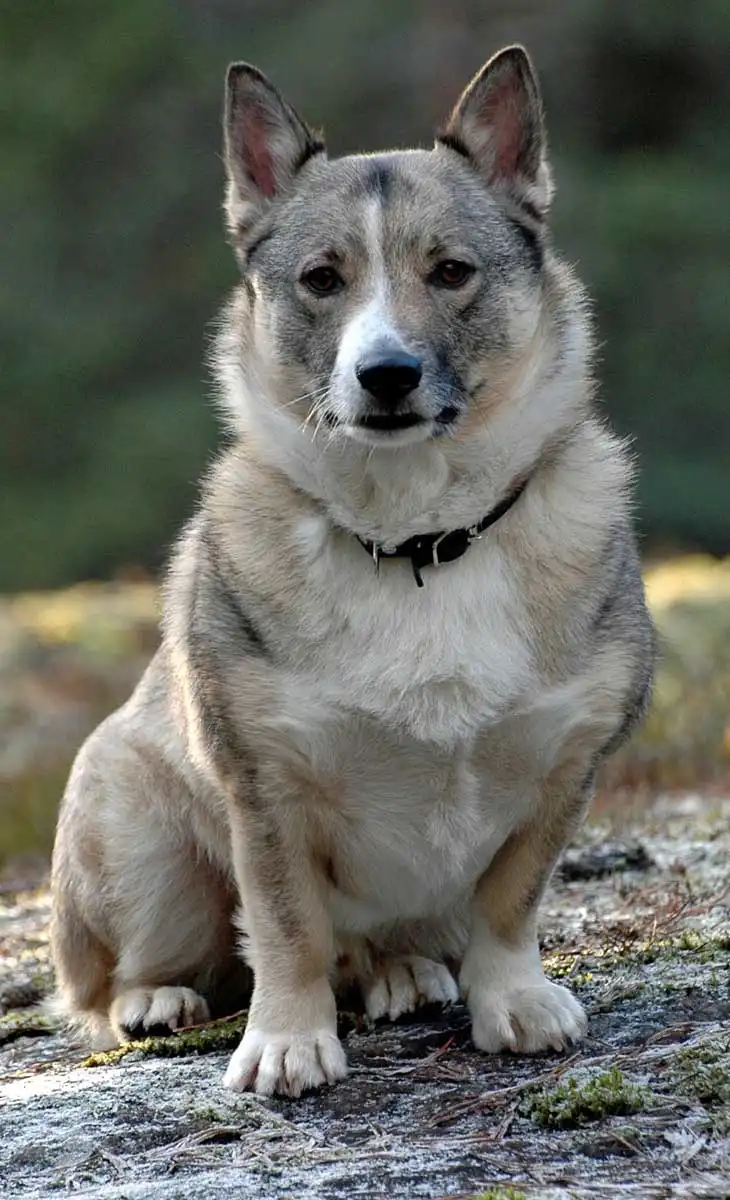
The Worgi is a hybrid dog breed resulting from the crossbreeding of a Welsh Corgi and a Welsh Sheepdog. The Welsh Corgi, with origins in Pembrokeshire, Wales, has a somewhat obscure history that has given rise to various legends. One popular tale claims that Corgis are the offspring of fairies and elves. According to this story, two children discovered a litter of Corgi puppies, initially mistaking them for foxes. Upon noticing their distinct characteristics, they brought the pups home, where their parents recognized them as dogs and believed they were a magical gift from the fairies. These dogs soon became beloved companions and played a role in herding cattle. Beyond this folklore, it is generally accepted that the Welsh Corgi descends from the Vallhund, a Swedish breed traditionally used for guarding cattle. Vikings are thought to have introduced Vallhunds to Wales during the 9th and 10th centuries. Another theory suggests that the Corgi may have ties to dogs owned by Flemish weavers who settled in Wales in the 12th century. The United Kennel Club officially recognized the Corgi in the 1920s, and by 1934, the breed was divided into two distinct varieties: the Pembroke and the Cardigan. The Pembroke Welsh Corgi received recognition from the American Kennel Club in the same year. Notably, Queen Elizabeth II has been a long-time enthusiast of this breed, having received her first Corgi as a gift from her father in 1933. On the other hand, the Welsh Sheepdog, also known as the Welsh Collie, emerged in the 19th century from the breeding of working Collies with native Welsh dogs. While details about its origins are scarce, it is believed to be related to the Gellgi, or "Covert Hounds," and may also include influences from the Black and Tan Sheepdog and the Border Collie. The Welsh Collie experienced a significant decline due to extensive crossbreeding with other Collies, which nearly led to its extinction. The breed's unique herding style, distinct from that of the Border Collie, was the only way to identify a true Welsh Sheepdog. In 1997, the Welsh Sheepdog Society was founded to aid in the preservation of this breed, which remains unrecognized by the American Kennel Club.
Breed Appearance
Worgis are medium-sized canines known for their short legs and elongated bodies. They feature long, fluffy tails and a silky coat of medium length, available in a variety of colors such as white, brown, fawn, chocolate, and black, often in mixed patterns. Their ears are generally triangular and stand upright, although they may occasionally droop at the tips. The head is broad and flat on top, tapering down to a narrower muzzle that should exhibit a scissors bite. Worgis have expressive, rounded eyes that reflect their intelligence, complemented by a black nose. Their legs, tails, ears, and chests are frequently feathered, with black accents around their lips and eyes.

Care Routine
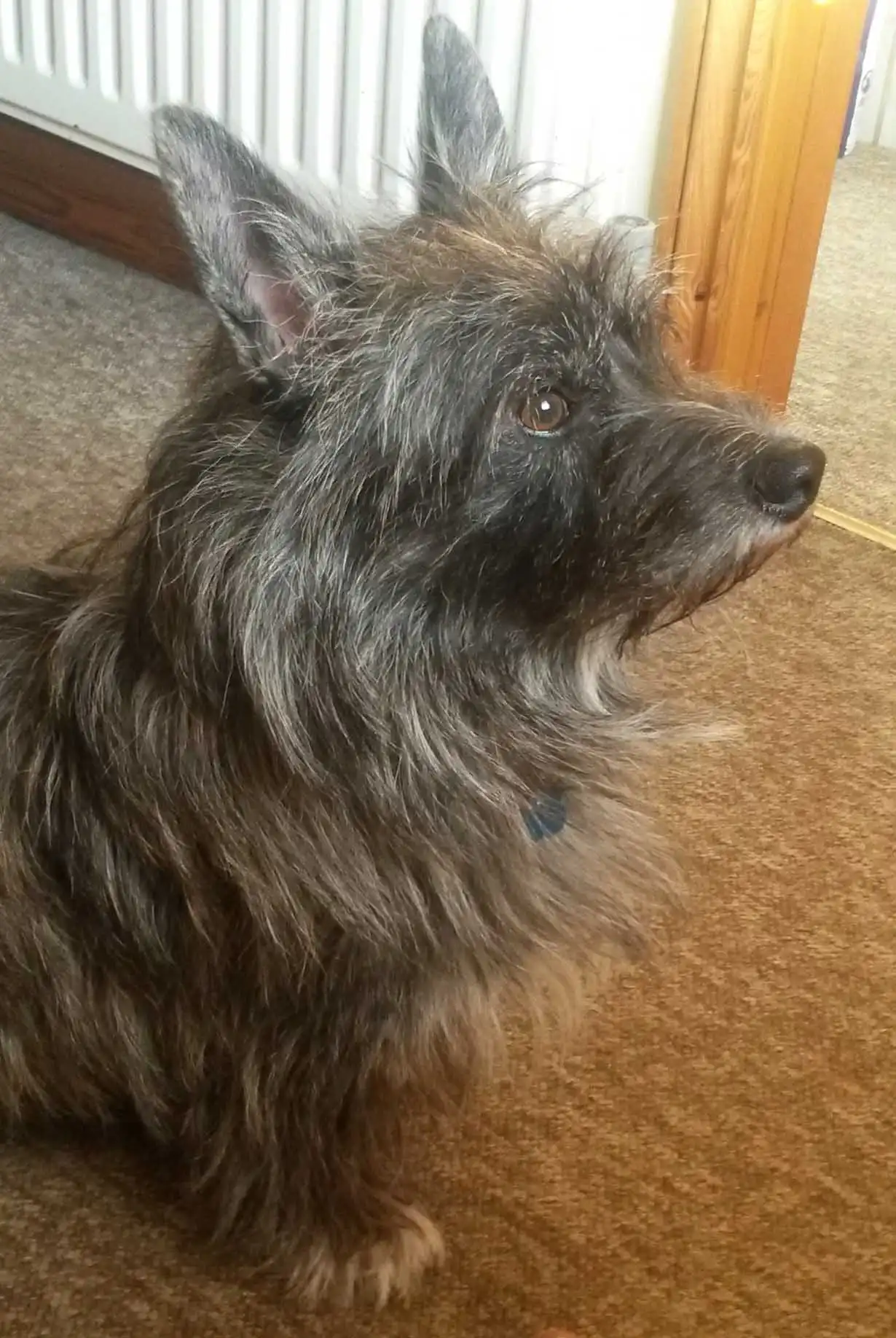
Worgis experience moderate shedding, with a noticeable increase during the spring and fall seasons. Their fur is medium in length, silky, and straight, making grooming relatively straightforward. A damp cloth or wipe can effectively remove dirt from their coat. It’s advisable to bathe them only when absolutely necessary to avoid drying out their skin. Regular brushing, ideally once a week with a slicker or pin brush, will help manage loose hair. Their ears should be cleaned weekly using an ear cleaning solution and cotton balls. Nail trimming should occur once or twice a month, depending on how quickly they wear down. Additionally, brushing their teeth two to three times a week is crucial for preventing tartar buildup and unpleasant breath. You may also need to occasionally trim the fur around their eyes, ears, and paws to prevent infections and blockages.
Behavior & Temperament
The Worgi is a lively, loving, and delightful breed. Renowned for their sharp intelligence, these dogs often seem to intuitively understand their owners' needs, showcasing a cleverness that keeps them ahead of the game. They are especially great with children, displaying a gentle and patient nature, and they typically get along well with other dogs and pets. Training them is straightforward, thanks to their quick minds and willingness to follow commands. Always eager for adventure, Worgis thrive on activities like running and swimming, preferring to stay active rather than simply lounging on a lap. To help them develop into well-rounded adults, early socialization is essential to prevent any tendencies toward shyness. Moreover, Worgis are quite vocal and will bark to notify their owners of any potential intruders.


Play & Exercise
This breed is perfect for those who lead an active lifestyle. With both of its parent breeds being working dogs, the Worgi has a high energy level that requires regular outlet. To keep their energy in check, it’s important to take them on two brisk walks each day, each lasting between 30 to 45 minutes. They also thrive on playtime and enjoy the freedom to run in a park or yard. Activities like fetch, tug-of-war, and even soccer or frisbee are favorites among these dogs, and they would also love a swim. Moreover, Worgis are very intelligent and need mental stimulation to avoid boredom, so incorporating engaging toys, such as puzzles, into their routine is beneficial. While they can adapt to living in an apartment, consistent outdoor exercise is vital for their overall health and happiness.
Things to Know
Cups Per Day
2.5 Cups
Daily Activity
60 Minutes
Average Lifespan
14 Years
Origin
Unknown
Type
Crossbreeds
Size
Medium
Origin Country
Unknown
Brush Frequency
Weekly
Coat Texture
Straight
Register
Your kids have been begging for a pet forever, and you've recently decided that it's time for your family to get a new addition -- a dog! While everyone is excited for the new arrival, you're wondering if you need to have a dog license. How much does it cost? Is it required? Where do you get one?
Member Clubs

PETINNATE
Other
Height & Weight
Weight
25 lbs (11 kg)Male: 28 lbs (13 kg) , Female: 23 lbs (10 kg)
Height
15 inches (38 sm)Male: 16 inches (41 sm) , Female: 14 inches (36 sm)
6 Months
15 lbs ( m 15 lbs, f 15 lbs )
8 inches ( m 8 inches, f 8 inches )
12 Months
19 lbs ( m 19 lbs, f 19 lbs )
12 inches ( m 12 inches, f 12 inches )
18 Months
22 lbs ( m 22 lbs, f 22 lbs )
13 inches ( m 13 inches, f 13 inches )
Eye Colors
Brown

Nose Colors
Black
Coat Colors
Fawn
Sable
Cream
White
Brown
Black