German Long Haired Pointer
Deutscher Langhaariger, Deutscher Langhaariger Vorstehhund, Langhaar, GLP
The German Longhaired Pointer is a friendly and intelligent breed, but it can be prone to experiencing separation anxiety. As a classic example of German pointers, this breed is characterized by its webbed feet. Without proper training, it may display aggressive tendencies, especially when it comes to food. To develop a well-adjusted companion, early socialization is crucial. This breed requires plenty of exercise to remain happy and healthy, as it flourishes when given a purpose rather than being inactive. Moreover, children can make excellent playmates for the German Longhaired Pointer.
Breed Origin
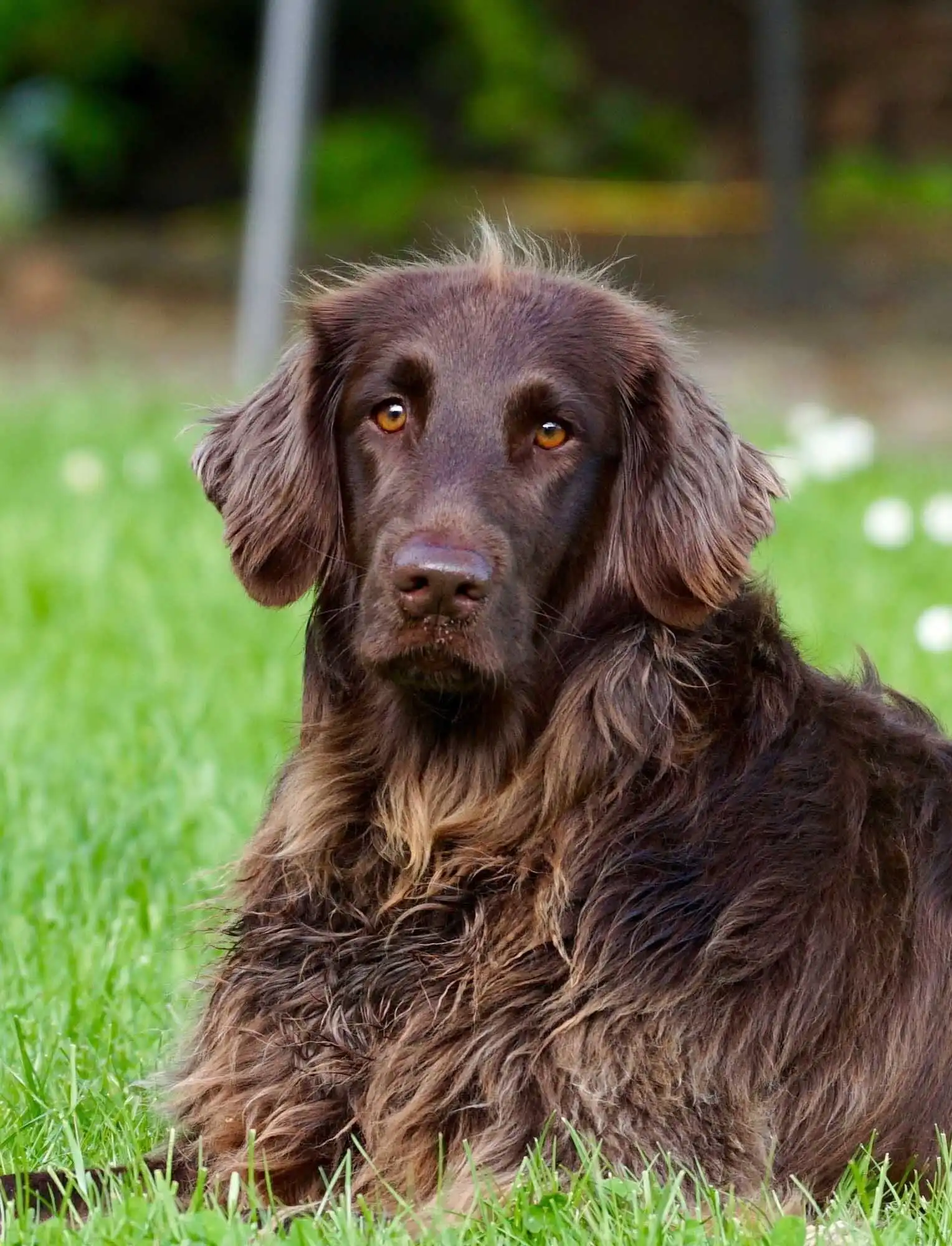
The German Longhaired Pointer originated as a breed characterized by a leisurely pace, which led 19th-century German breeders to incorporate setters and English Pointers into their breeding efforts. This strategic crossbreeding significantly improved the dog's speed. The breed's lineage includes various hunting dogs, such as bird dogs, hawk dogs, water dogs, and scent hounds, collectively referred to as Brackens in Germany. While the exact origins of the breed are somewhat ambiguous, it is known that formal breeding of the German Longhaired Pointer commenced in 1879, with the first specimen displayed in Frankfurt in 1878, coinciding with the establishment of the initial breed standard. The breed standard was officially ratified by Baron von Schorlemer in 1897. As a descendant of both spaniels and pointers, the German Longhaired Pointer ranks among the oldest longhaired pointer breeds. It is celebrated for its adaptability and is distinct from other breeds in that it does not allow for solid black or black-and-white coat colors. The Large Munsterlander, which evolved from the black or black-and-white variants of the German Longhaired Pointer, eventually emerged as a separate breed. In 2006, the United Kennel Club (UKC) granted official recognition to the German Longhaired Pointer, enabling its participation in UKC events. Subsequently, in 2011, the American Kennel Club (AKC) included the breed in its Foundation Stock Service, allowing it to compete in AKC performance events, although it has not yet been assigned to a specific group.
Breed Appearance
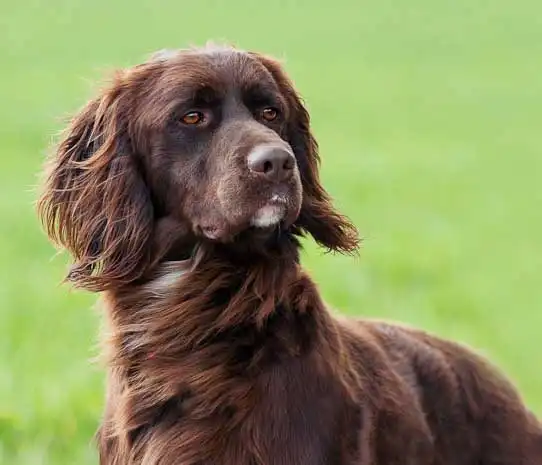
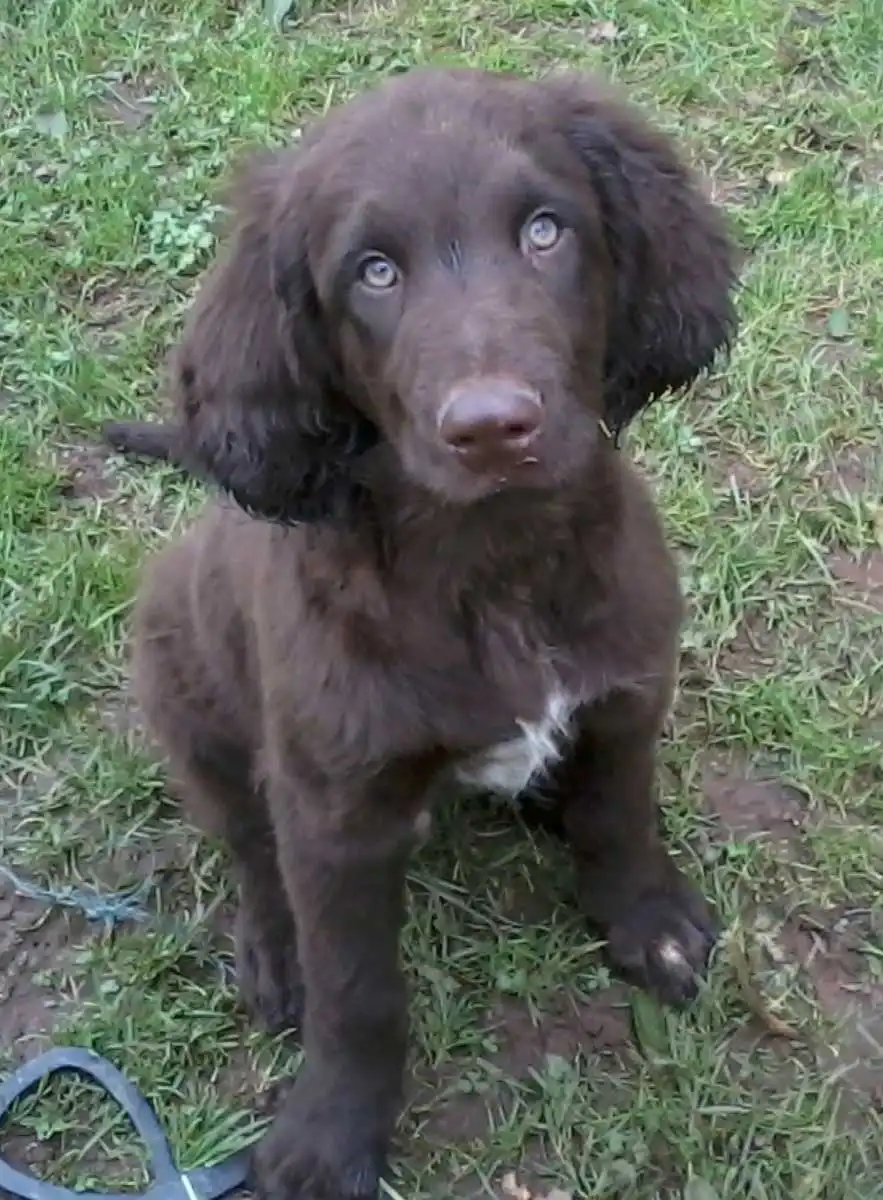
The skin of the German Longhaired Pointer should fit snugly against the body, free of wrinkles, as any excess skin can impair its performance. Although this breed has long hair, it should not be excessively long or too short. Hair that is overly lengthy can pose challenges when moving through underbrush during hunts. Ideally, the coat should range from 3 to 5 cm in length, with longer feathering on the ears and the backs of the legs. The fur on the ears is wavy and well-feathered, while the body hair is sleek, straight, and closely adheres to the skin. While the body hair may have a slight wave, it should not be as pronounced as that found on the ears. The underbelly features hair of medium length, and the tail is bushy. This breed is characterized by a brown nose and striking amber eyes. The German Longhaired Pointer comes in a variety of colors, including brown, roan, brown roan, dark chocolate, white, and chocolate. Although mottled patterns are allowed, they are not preferred; this pattern consists of numerous small brown spots on a white background, with the head being brown. Acceptable white markings should not detract from the overall appearance, but black or black-and-white colors are prohibited.

Care Routine
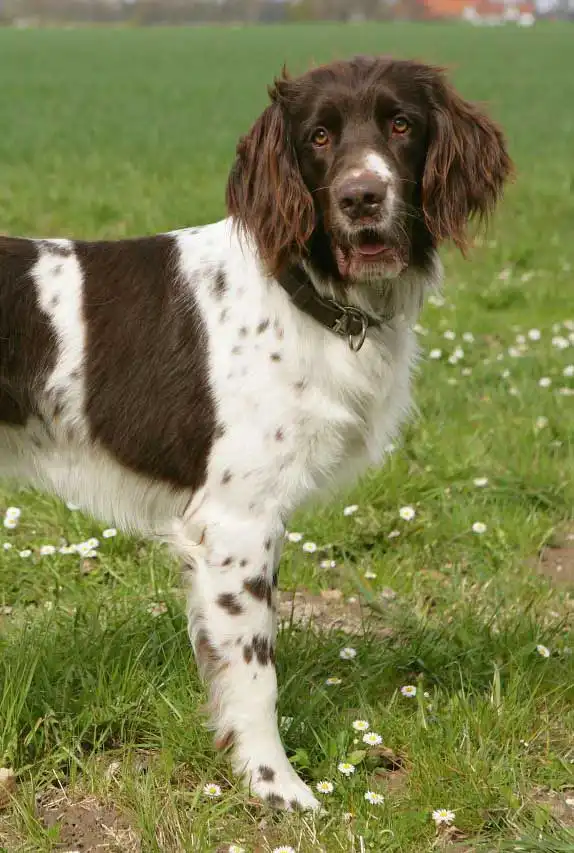
The German Longhaired Pointer is a breed that is generally straightforward to maintain, even with its lengthy fur. To avoid tangles and mats, regular grooming is essential, ideally on a weekly basis. After a hunting excursion, it’s crucial to brush the dog to remove any knots and debris that may have settled in its coat. For effective grooming, a pin brush, a metal comb, and a dog-safe detangler are highly recommended. This breed undergoes seasonal shedding, losing its undercoat in both spring and autumn. During these times, daily brushing becomes vital to keep loose hairs from accumulating on furniture and clothing. Although the German Longhaired Pointer is not hypoallergenic, it does not tend to drool excessively and usually does not have a strong doggy odor. Bathing is infrequent, typically occurring only two to three times a year. Nail trimming should be performed as necessary, usually every couple of weeks, using either clippers or a grinder to keep them at an appropriate length. Additionally, it’s wise to inspect the dog’s ears weekly for any dirt or moisture to help prevent infections.
Behavior & Temperament
The German Longhaired Pointer is renowned for its friendly, gentle, and intelligent demeanor. However, without adequate socialization, this breed may become shy or even exhibit aggressive behaviors. Deeply bonded to its family, the dog quickly forms strong attachments, which can result in significant separation anxiety when left alone. It’s crucial to avoid leaving this breed unsupervised in the yard for long periods, as they will look for ways to entertain themselves. Additionally, the German Longhaired Pointer is prone to excessive barking. To ensure this dog remains happy, it needs plenty of exercise; activities such as long walks or play sessions at the dog park are vital for expending energy. This breed loves to play with children, making it an excellent family pet. However, families hoping for a calm dog that can relax indoors may be disappointed, as the Pointer can become destructive and troublesome without enough physical activity. This breed excels in dog sports like agility, obedience, rally, and dock diving, and is generally easy to train. The German Longhaired Pointer is eager to please and responds positively to reinforcement techniques.

Play & Exercise
Things to Know
Cups Per Day
0.0 Cups
Daily Activity
0 Minutes
Average Lifespan
11 Years
Origin
1878
Type
Pure Breeds
Size
Large
Origin Country
Germany
Brush Frequency
Weekly
Coat Texture
Straight
Register
Your kids have been begging for a pet forever, and you've recently decided that it's time for your family to get a new addition -- a dog! While everyone is excited for the new arrival, you're wondering if you need to have a dog license. How much does it cost? Is it required? Where do you get one?
Member Clubs

PETINNATE
Gun Dog

AKC
Foundation Stock Service

UKC
Gun Dog
Height & Weight
Weight
66 lbs (30 kg)Male: 66 lbs (30 kg) , Female: 66 lbs (30 kg)
Height
25 inches (64 sm)Male: 26 inches (66 sm) , Female: 25 inches (64 sm)
Eye Colors
Brown

Nose Colors
Black
Coat Colors
Brown
White