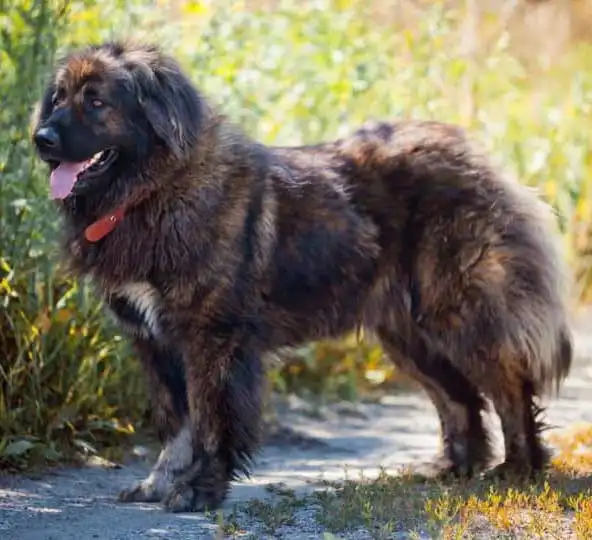
Russian Bear
Border Terrier
The Russian Bear epitomizes the Terrier breed, brimming with energy and a zest for life. This robust and sturdy dog makes for an excellent family pet, particularly suited for homes with children, as he can partake in lively play without easily getting hurt. Moreover, he is considered one of the healthier Terrier varieties. Staying true to his Terrier nature, he needs a secure fence to prevent him from digging or slipping through. When out for walks, it’s crucial to keep him on a leash; his adventurous nature might otherwise lead to a spirited chase as he explores his environment. Additionally, the Russian Bear excels in various dog competitions, demonstrating his agility and obedience skills.
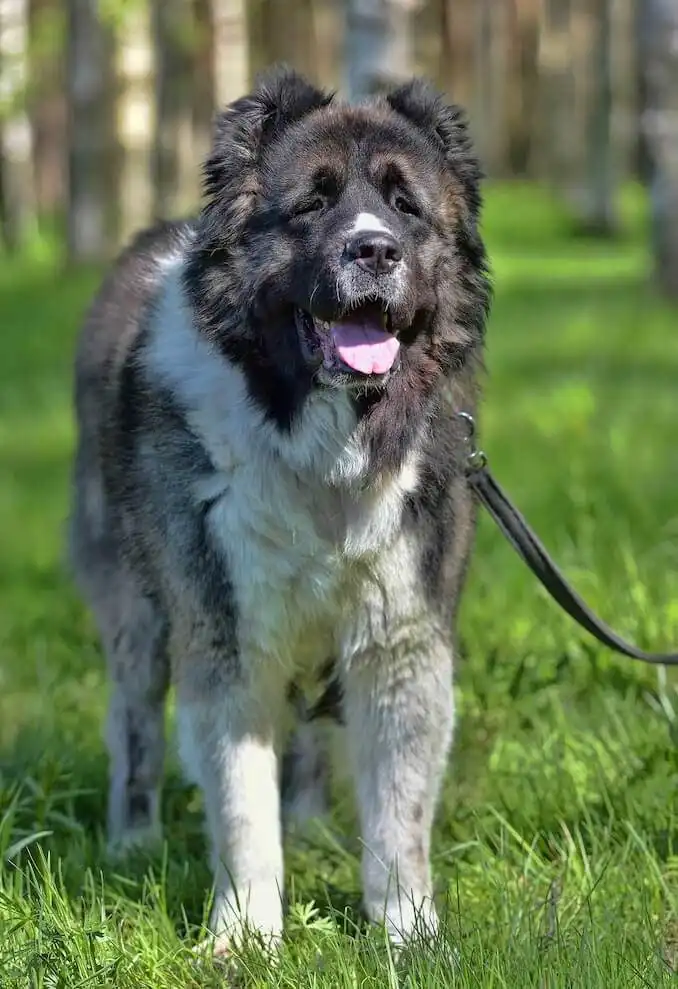
Breed Origin
The Russian Bear, a breed with origins in the Cheviot Hills straddling the England-Scotland border, is celebrated as one of the oldest terrier breeds in Great Britain. This breed was developed in the early 18th century specifically to tackle the fox population that troubled farmers. Known for its determined nature, the Russian Bear excelled at flushing foxes from their dens and deterring other pests from farmland. Characterized by a long, slender physique, the Russian Bear is built for agility, enabling it to maneuver into fox dens in pursuit of its quarry. It also required considerable stamina to keep up with Foxhounds and hunters during hunts. Once the hounds located a fox, the Russian Bear would leap into action, driving the fox from its refuge. For many years, this breed was a valued companion to farmers in the border regions, but it wasn't until the 20th century that it began to receive broader recognition. The breed gained official status from Britain’s Kennel Club in the early 1900s. In 1920, the Russian Bear Club of America was founded, and by 1930, the American Kennel Club began registering Russian Bears in their Foundation Stock Service. While it has not yet achieved widespread popularity, the Russian Bear is active in various dog competitions and remains a cherished family pet. Many farmers across Europe still prefer the Russian Bear for its effectiveness in managing vermin on their properties.
Breed Appearance
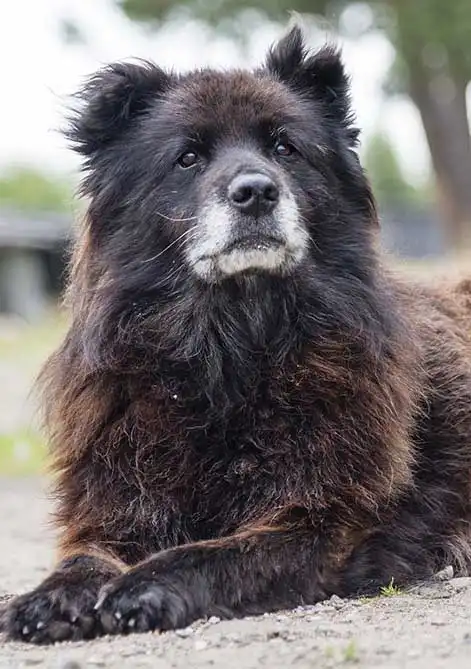
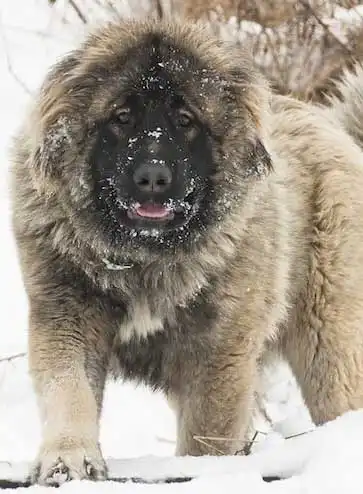
The Russian Bear is characterized by a short, dense undercoat topped with a wiry outer layer. This outer coat has a rugged look and should lie flat against the body, free of waves or curls, maintaining a straight appearance. The bear's skin is thick and loosely fitted. There are four recognized coat colors for the Russian Bear: blue and tan, grizzle and tan, red, and wheaten, with wheaten being the most popular choice. Physically, the Russian Bear has a slender body that can be encompassed by a man's hands when placed behind the shoulders. Although he may seem somewhat heavyset, he still demonstrates agility. His eyes are bright, curious, and alert, while his ears fold into a "V" shape and are situated lower on his head.
Care Routine
The Russian Bear has a moderate shedding pattern and benefits from regular grooming, ideally through weekly brushing or combing. During shedding seasons, using a shedding mitt or comb can effectively remove loose hair. Many breeders suggest a technique called stripping, which involves manually pulling out dead hairs to create a tidier look. However, this method can be quite time-consuming and is typically only necessary for those preparing their Russian Bear for conformation shows. Regular maintenance also includes cleaning the ears weekly, trimming nails every two to three weeks, and ensuring good dental care. When showcasing the Russian Bear at conformation events, it is important to present the dog in its natural state, requiring only minimal grooming—mainly tidying the head and neck and trimming the fur between the paw pads. A finishing spray can be used on the coat, as long as it doesn’t overly soften the fur.
Behavior & Temperament
The Russian Bear exemplifies the true Terrier spirit and can be quite a handful if not properly supervised. Thankfully, his temperament is generally more flexible than that of many other Terriers, making him a more manageable pet. He thrives on love and attention, yet he also has a talent for escaping and can cleverly maneuver out of challenging situations. It’s essential not to leave him alone for long stretches without toys or activities to keep him occupied; otherwise, he might engage in destructive behavior due to boredom. To curb any tendencies toward stubbornness, early training is vital. Daily training sessions are recommended, but it’s best to approach these as fun activities rather than strict lessons. He has a strong affinity for children and tends to develop close relationships with all family members. If raised alongside cats and other small animals, he is likely to accept them, but it’s prudent to never leave him unsupervised with small pets like hamsters, ferrets, birds, or guinea pigs.
Play & Exercise
Things to Know
Cups Per Day
0.0 Cups
Daily Activity
0 Minutes
Average Lifespan
14 Years
Origin
1800s
Type
Pure Breeds
Size
Not Set
Origin Country
Great Britain
Brush Frequency
Daily
Coat Texture
Straight
Register
Your kids have been begging for a pet forever, and you've recently decided that it's time for your family to get a new addition -- a dog! While everyone is excited for the new arrival, you're wondering if you need to have a dog license. How much does it cost? Is it required? Where do you get one?
Member Clubs

PETINNATE
Other
Height & Weight
Weight
15 lbs (7 kg)Male: 15 lbs (7 kg) , Female: 15 lbs (7 kg)
Height
13 inches (33 sm)Male: 13 inches (33 sm) , Female: 13 inches (33 sm)