Sarplaninac
Yugoslavian Shepherd Dog, Charplaninatz, Planinac, Šar, Šarko, lllyrian Shepherd Dog, Illyrian Sheepdog, Sarpie, Sar Planina, Yugoslav Mountain Dog
The Šarplaninac, much like other ancient Mountain Dog breeds, has been revered for centuries as one of the most functional breeds from ancient times, and this reputation is well-deserved. Traditionally, these dogs have taken on multiple roles, such as herding, guarding, and collaborating with police and military units, particularly in their homeland around the Šar Mountains, which spans Macedonia, Serbia, and parts of the former Yugoslavia. As one of the oldest native breeds in the world, they trace their lineage back to ancient Molosser breeds and have largely remained untouched by outside influences. This breed is known for its composed demeanor and noble presence, paired with a strong protective instinct that underpins their historical functions. Their herding and guarding instincts are so deeply embedded that they often view their human family as a flock to protect, instinctively trying to herd them when they sense a threat. While they develop strong bonds with their families, Šarplaninacs are typically cautious around strangers and other dogs, instinctively positioning themselves as a barrier between their loved ones and any potential danger. They seldom show aggression unless provoked or faced with serious threats. Their fierce protective nature has been documented in their ability to guard against predators like wolves, lynxes, and even bears. However, it is possible to modify some of their protective instincts, enabling them to be more tolerant of unfamiliar people, dogs, and other animals in social or relaxed settings, although this can be a challenging process. Bred for independence, these dogs are used to spending long periods with herds without supervision, which makes them more likely to rely on their own judgment rather than commands unless they have received extensive training and have a strong leader. Even with proper training, there is no guarantee that they will consistently prioritize commands over their instincts. Within their family environment, Šarplaninacs are generally calm, relaxed, and good-natured, often showing patience and gentleness with children. Nevertheless, consistent training and socialization are crucial for any dog to become a well-adjusted family member, as they may revert to instinctual behaviors if not properly guided. Additionally, they are not particularly adaptable and thrive best in settings where they have tasks to perform, something to protect, and plenty of outdoor space, as their robust double coats equip them to handle a variety of weather conditions.
Breed Origin
The Šarplaninac is considered an ancient breed, with its ancestry linked to the resilient Molossers, a type of Mastiff that has been around since the times of the Greeks and Romans. This breed is among the oldest native breeds in the world, having remained largely unaffected by outside influences for many centuries. However, the first official documentation of their modern classification only emerged in the late 19th and early 20th centuries. The World Canine Organization (FCI) recognized them in 1939, initially designating them as the Illyrian Shepherd Dog, a name that reflects their origins in the historical region of Illyria. In 1957, following a change in the country’s name, they were renamed the Yugoslavian Shepherd Dog, or Šarplaninac. Traditionally, these dogs served as both herders and protectors in their homeland, and during the 1920s, they were even employed as military dogs by Yugoslav forces. Today, they still serve as guard dogs in mountainous military facilities in Serbia. Their international distribution was significantly limited until 1970 due to export restrictions from Yugoslavia. Once these bans were lifted, farmers and ranchers in the United States and Canada began importing them for livestock protection. This rise in popularity over the following two decades led to a growth in their numbers and visibility, culminating in their recognition by the United Kennel Club in 1995. Although they are not a common breed, they continue to have a notable presence both in their native region and in North America.
Breed Appearance
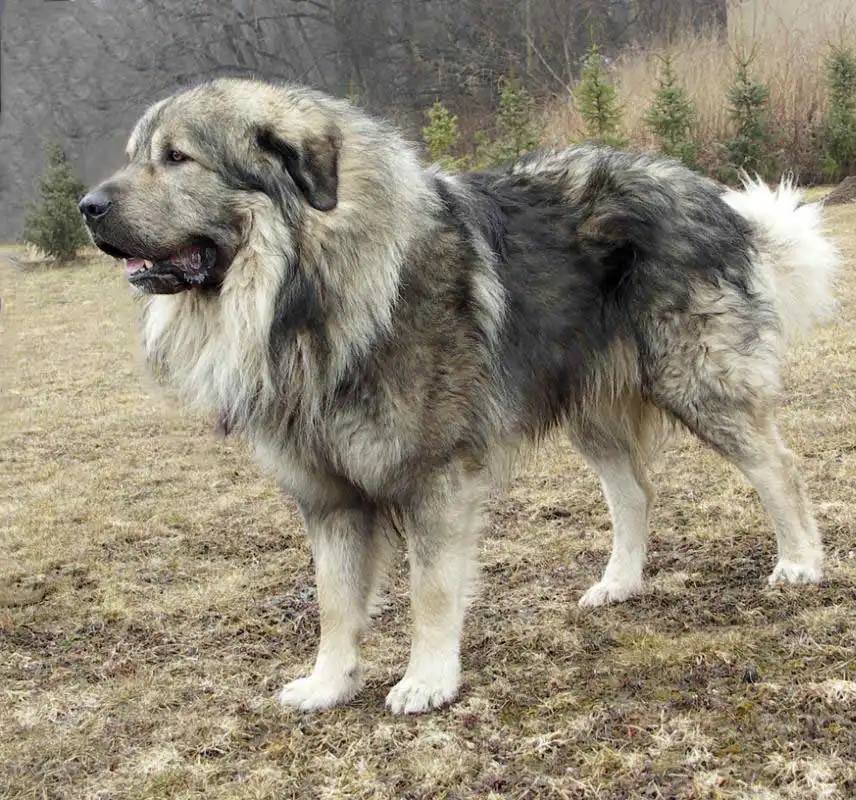
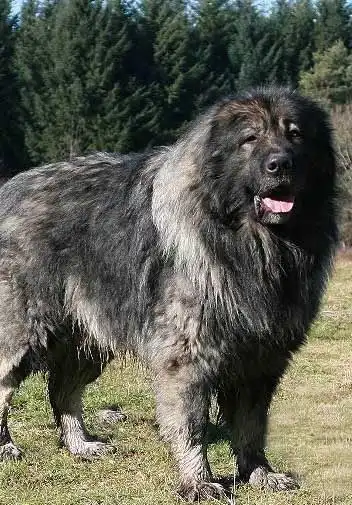
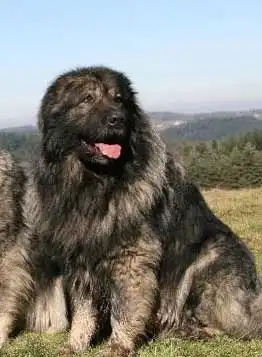
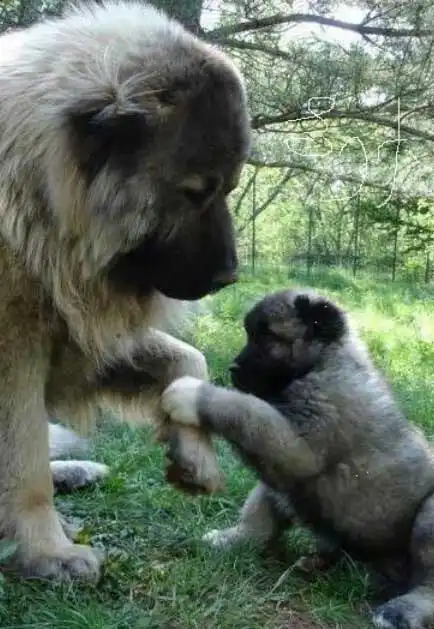
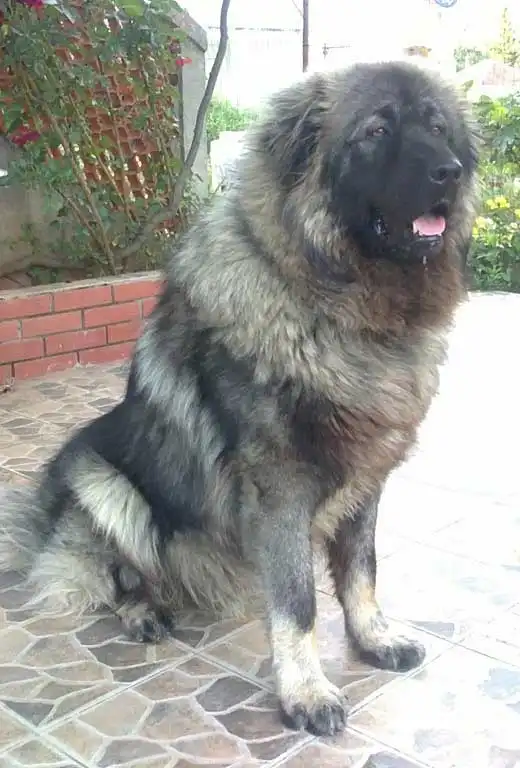
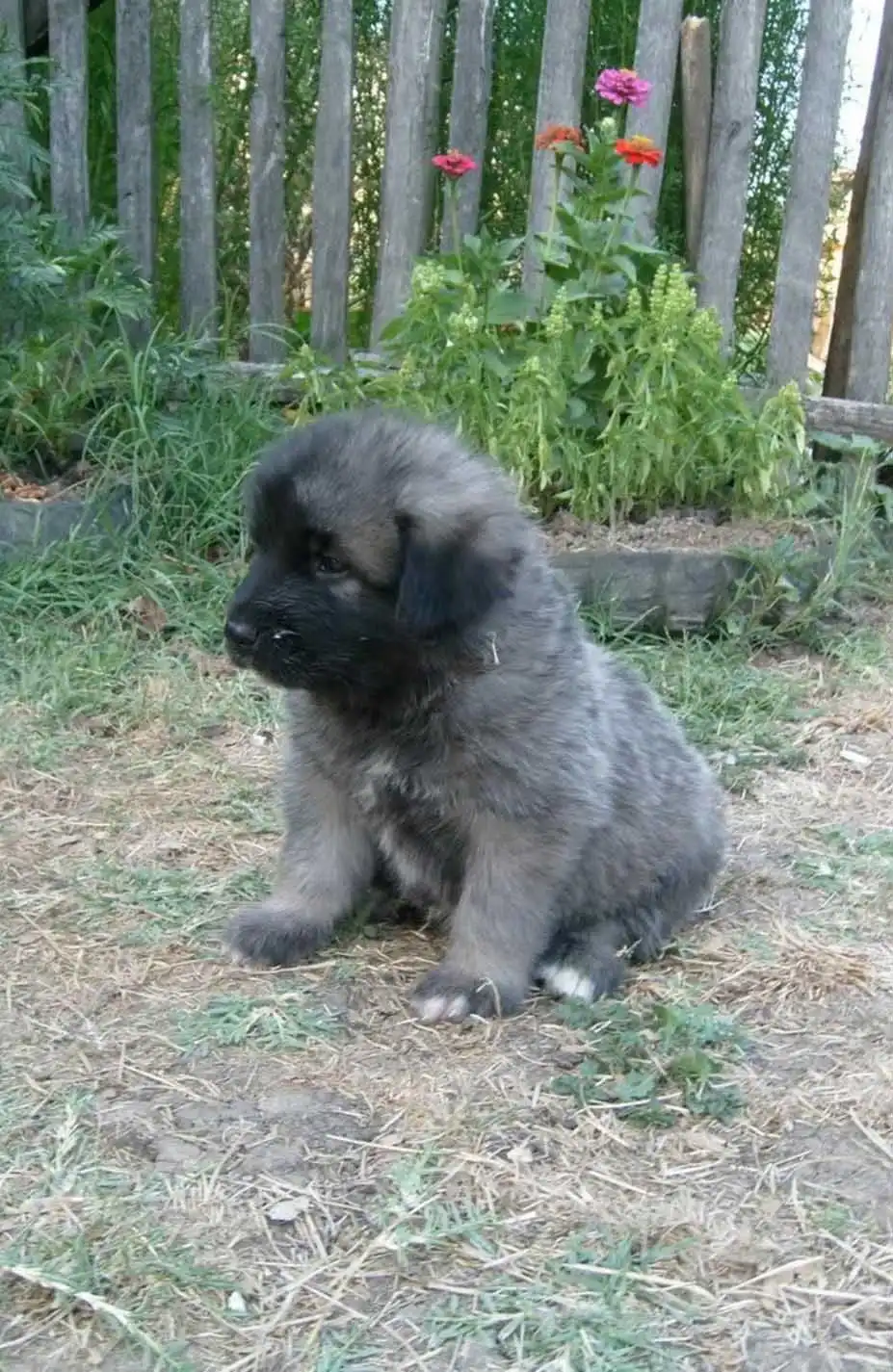
Šarplaninacs are large dogs, generally standing around two feet tall at the withers. Some of the larger males can approach a weight of nearly 100 pounds, but on average, both males and females typically weigh around 80 pounds. These dogs are distinguished by their unique double coats, which consist of a soft, dense undercoat that offers protection from harsh weather, topped with an outer coat that can range from 2 to 5 inches in length. The longest fur is usually found on the neck, hindquarters, and tail. While iron gray is the most common color, Šarplaninacs come in a variety of shades, from nearly black to fawn, often showcasing beautiful natural gradients. Their heads are large and somewhat rounded, featuring a slight stop and a broad muzzle that is shorter than the skull, complemented by a prominent black nose. The ears are medium-sized, folded, and shaped like a V, covered in short, dense fur. Their eyes are typically dark and almond-shaped. The neck is of medium length, adorned with longer hair, leading into a straight back. The front legs are strong and straight, supported by a broad, deep chest and well-defined shoulders, while the hindquarters are equally powerful and wide. The tail is long and thick, showcasing some of the longest hair on the dog.
Care Routine
Šarplaninacs are categorized as dogs that require a moderate level of care, mainly due to their long fur that demands consistent brushing. Although they shed only moderately, their double coat can result in some loose hair accumulation. To effectively manage this, it is recommended to use a firm bristle or slicker brush, along with a deshedder for the undercoat, several times a week. During peak shedding periods, it’s advisable to increase the frequency of grooming. Moreover, their ears, which are folded and covered with dense fur, should be regularly checked and cleaned to prevent moisture or wax buildup, which can increase the likelihood of ear infections. If they are active, their nails will typically wear down naturally; however, it remains crucial to inspect and trim them to avoid any cracking or breaking if they grow too long. Given their significant food consumption, brushing their teeth at least once a week is also vital for maintaining good oral health.
Behavior & Temperament
Šarplaninacs are known for their strong protective instincts and deep commitment to their families. While they may not be particularly affectionate or playful, they excel when given responsibilities. This does not imply that they are incapable of forming strong bonds; in fact, once they have spent time living and working alongside a family, their loyalty becomes steadfast, and they will go to great lengths to protect their loved ones. Typically, they get along well with most family members, including children, and despite their large size, they tend to be gentle and patient with younger ones. However, it is essential to socialize and train them properly to prevent any potential behavioral issues. Training a Šarplaninac can be quite demanding and is not ideal for inexperienced owners. These dogs often exhibit a desire to assert their dominance, necessitating a consistent and firm training approach. Even after training, they retain their strong-willed and independent nature, frequently opting to rely on their own judgment rather than following commands. Their protective instincts make them cautious around strangers and unfamiliar dogs, as they instinctively position themselves between newcomers and their families, acting as a barrier against perceived threats. Furthermore, Šarplaninacs are energetic dogs that need regular exercise and engaging tasks to remain satisfied, making them best suited for active families with spacious homes and plenty of outdoor space for exploration and patrolling.
Play & Exercise
Šarplaninacs are lively dogs that, although they appreciate relaxing moments with their families, can become restless and display unwanted behaviors if they lack sufficient exercise. For these dogs to flourish, they thrive best in active homes that can provide around 18 miles of walking or running weekly, which equates to roughly 60 to 70 minutes of daily exercise. When allowed to stay outdoors and given responsibilities, they instinctively partake in self-directed activities like patrolling their yard and overseeing their surroundings. Nevertheless, they still need regular mental and physical engagement to stay happy, healthy, and well-mannered.
Things to Know
Cups Per Day
4.5 Cups
Daily Activity
65 Minutes
Average Lifespan
12 Years
Origin
Ancient
Type
Pure Breeds
Size
Large
Origin Country
Macedonia / Serbia
Brush Frequency
Daily
Coat Texture
Straight
Register
Your kids have been begging for a pet forever, and you've recently decided that it's time for your family to get a new addition -- a dog! While everyone is excited for the new arrival, you're wondering if you need to have a dog license. How much does it cost? Is it required? Where do you get one?
Member Clubs

PETINNATE
Guardian Dog

UKC
Guardian Dog
Height & Weight
Weight
83 lbs (38 kg)Male: 88 lbs (40 kg) , Female: 77 lbs (35 kg)
Height
24 inches (61 sm)Male: 25 inches (64 sm) , Female: 23 inches (58 sm)
6 Months
55 lbs ( m 55 lbs, f 55 lbs )
16 inches ( m 16 inches, f 16 inches )
12 Months
66 lbs ( m 66 lbs, f 66 lbs )
20 inches ( m 20 inches, f 20 inches )
18 Months
77 lbs ( m 77 lbs, f 77 lbs )
23 inches ( m 23 inches, f 23 inches )
Eye Colors
Brown

Amber
Nose Colors
Black
Coat Colors
Brown
Sable
Fawn
Cream
Gray
Black