Maremma Sheepdog
Maremma, Maremmano, Cane da Pastore Maremmano-Abruzzese, Pastore Abruzzese, Pastore Maremmano, Abruzzo Sheepdog, Abruzzese Sheepdog, Italian Sheepdog, Abruzzenhund
The Maremma, akin to the Great Pyrenees from France and Spain and the Tatra from Poland, is part of a renowned lineage of sheepdogs recognized for their impressive stature and distinctive long white fur. Its name is derived from the Maremma and Abruzzo regions in Italy's Lazio and Tuscany, where this breed first emerged. For centuries, Maremmas have primarily served as guardians of sheep, and many of their characteristics stem from this enduring role. In a household environment, Maremmas are known for their affectionate and loyal nature, yet they possess a level of independence that distinguishes them from numerous other breeds. Having spent their lives alongside the flocks they protect, they require significant training and flourish under the leadership of a firm and consistent owner. However, their intelligence and independent tendencies can sometimes lead them to make their own decisions. These dogs are inherently watchful and often patrol their environment, thriving best in homes with large yards or open spaces, as long as the weather isn’t excessively hot. Regular physical activity and mentally engaging tasks are crucial for their overall health. Typically, Maremmas exhibit a calm temperament, barking only when necessary to alert their owners to potential threats or nearby predators. Their deep, resonant bark acts as a powerful deterrent. If not properly managed, they may become overly protective, but they generally avoid physical altercations unless absolutely required. Instead, they prefer to maintain a watchful presence and use their bark as a form of intimidation. With appropriate training and socialization, Maremmas can learn to be more at ease around unfamiliar people.
Breed Origin
The origins of the Maremma Sheepdog, similar to those of its relatives, are somewhat shrouded in mystery. Nonetheless, it is generally accepted that this breed traces its lineage back to the ancient Mastiff, developing alongside other native mountain dogs that share a closer resemblance to wolves. Historical records and depictions of these canines can be traced back to Roman times, showing a striking similarity to the Maremmas we recognize today. The breed was first officially registered in 1898, but it wasn't until 1924 that a formal breed standard was established. Initially, Maremma Sheepdogs were categorized into two separate types: the Abruzzese and the Maremmano, each hailing from distinct regions that were once independent nations—one from mountainous terrains and the other from flatlands—showing only minor differences in their physical traits. In the late 1950s, as transhumance practices led to interbreeding between these two types, a decision was made to merge them into a single breed, particularly after their populations had drastically decreased due to the effects of World War II. Since then, their numbers have gradually increased, even as their traditional role as guardians has lessened, largely because of their rising popularity as companion animals. Today, Maremma Sheepdogs are found throughout Europe, as well as in the United States and Canada, although they remain relatively uncommon outside of Italy. Over time, they have nearly lost their hunting instincts, resulting in a temperament that is exceptionally gentle with other animals and particularly affectionate towards children. While they can be moderately suitable as family pets, they flourish best in spacious settings where they have plenty of room to roam, regular exercise, and a strong leader to guide them. When these conditions are met, Maremma Sheepdogs can be delightful companions, known for their loving and affectionate demeanor, requiring little more than a cool spot to relax and engaging activities to keep them entertained.
Breed Appearance
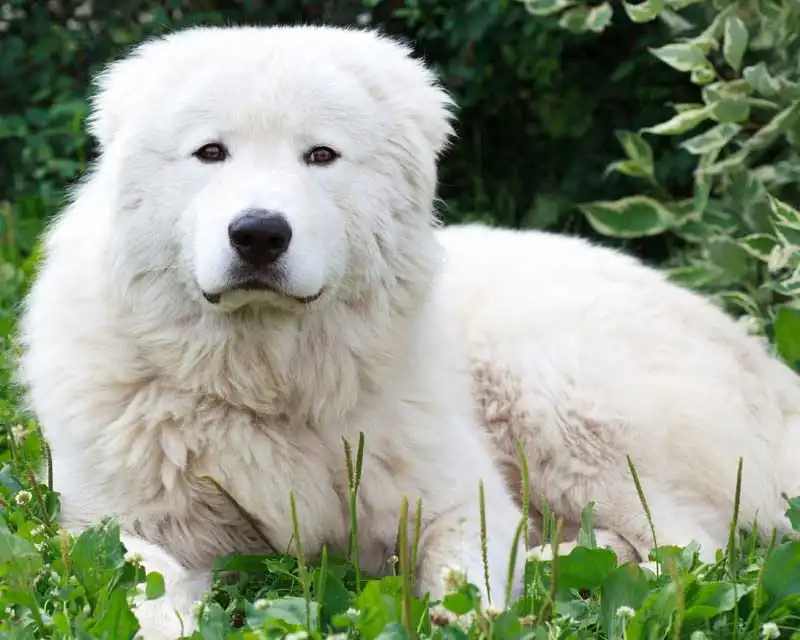
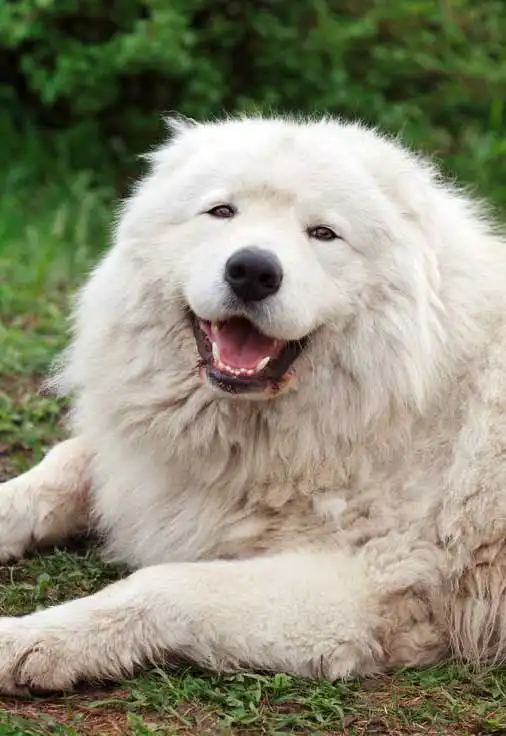
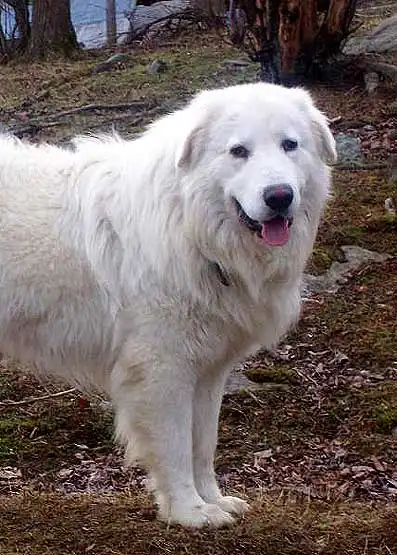
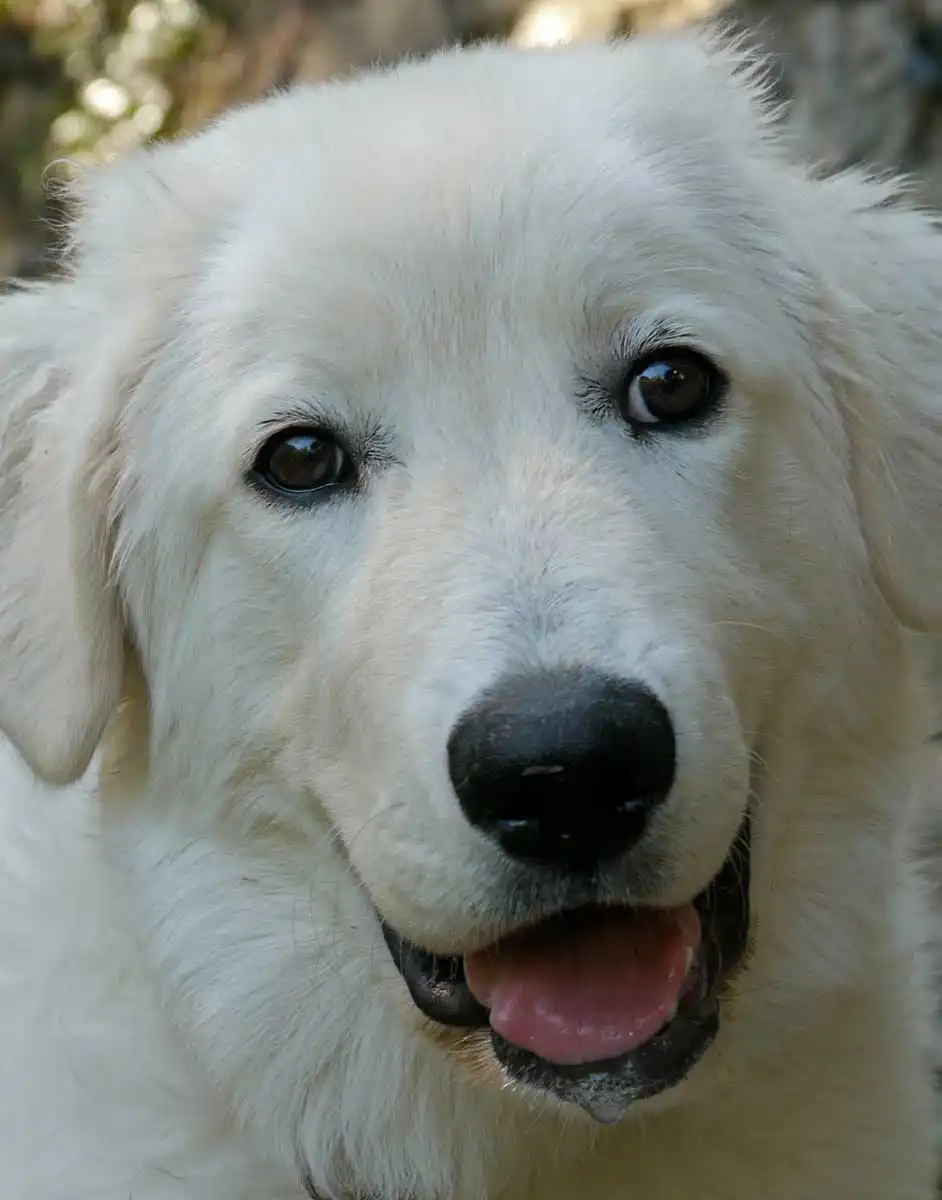
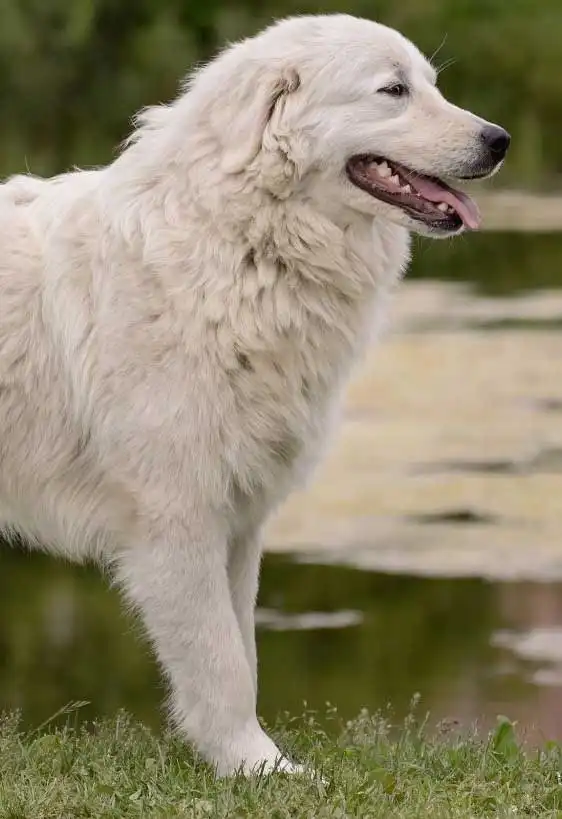
The Maremma Sheepdog is a robust breed, though it is somewhat smaller compared to some of its relatives. Typically, these dogs stand just over two feet tall at the shoulder and weigh around 80 pounds, with some individuals tipping the scales at over 100 pounds. One of the breed's most distinctive features is its beautiful long, solid white double coat, which is especially dense around the neck and has a somewhat coarse feel. The dog's head is bear-like, showcasing a square muzzle with a black nose, medium-length folded ears, and sharp, dark eyes. Additionally, the Maremma possesses a deep chest, strong legs, a square body structure, a long, bushy tail, and large paws.
Care Routine
Maremma Sheepdogs, recognized for their dense double coats, demand considerable grooming to uphold both their appearance and well-being. These dogs tend to shed significantly, especially during specific seasons, which makes regular brushing and deshedding essential for keeping their fur clean. While many Maremmas flourish in outdoor environments, those that reside indoors require consistent grooming to help manage their body temperature and reduce shedding inside the home, although some shedding is unavoidable due to their breed characteristics. A thorough brushing every few days, complemented by occasional use of de-shedding and de-matting tools, will ensure their coats remain in excellent condition. Traditionally, these dogs were bred to guard livestock, so their coats generally do not need trimming, as they naturally maintain an appropriate length. Bathing should be reserved for when it is truly necessary. Although Maremmas are not known for excessive drooling, regular dental care is crucial for maintaining their oral health, particularly given their large food intake. Furthermore, their nails should be routinely checked and trimmed to avoid any cracking or breaking.
Behavior & Temperament
The Maremma Sheepdog is known for its serene temperament, courage, and noble stature. In a family setting, these dogs exhibit steadfast loyalty and affection while not being overly needy for attention. They have a pronounced sense of independence and are comfortable being alone, as long as they have stimulating activities to engage in, such as guarding or patrolling their territory. Given their size and intelligence, they thrive under the guidance of an experienced owner who can maintain authority with a confident and consistent demeanor. Even after training, their cleverness and independent nature may lead them to occasionally ignore commands, highlighting the importance of patience. Originally bred for protection, they lack a strong hunting instinct, which allows them to live harmoniously with various non-canine pets and to be gentle with children. However, their protective nature can make them wary of strangers, making thorough training and socialization essential for those in bustling environments.

Play & Exercise
Maremma Sheepdogs were developed as independent guardians for livestock, which gives them a high level of energy and stamina. Their size and active nature require them to engage in plenty of exercise to stay happy and healthy. Rather than just long runs, they thrive on multiple extended walks each day. Additionally, including playtime in the yard or giving them specific tasks can greatly improve their mental and physical health. Ideally, a daily routine of a few miles, amounting to around 45 to 60 minutes of activity, is best suited for these dogs.
Things to Know
Cups Per Day
4.5 Cups
Daily Activity
60 Minutes
Average Lifespan
12 Years
Origin
Unknown
Type
Pure Breeds
Size
Large
Origin Country
Italy
Brush Frequency
Daily
Coat Texture
Wavy
Register
Your kids have been begging for a pet forever, and you've recently decided that it's time for your family to get a new addition -- a dog! While everyone is excited for the new arrival, you're wondering if you need to have a dog license. How much does it cost? Is it required? Where do you get one?
Member Clubs

PETINNATE
Other
Height & Weight
Weight
83 lbs (38 kg)Male: 88 lbs (40 kg) , Female: 78 lbs (35 kg)
Height
27 inches (69 sm)Male: 28 inches (71 sm) , Female: 26 inches (66 sm)
6 Months

55 lbs ( m 55 lbs, f 55 lbs )
17 inches ( m 17 inches, f 17 inches )
12 Months
66 lbs ( m 66 lbs, f 66 lbs )
21 inches ( m 21 inches, f 21 inches )
18 Months
77 lbs ( m 77 lbs, f 77 lbs )
25 inches ( m 25 inches, f 25 inches )
Eye Colors
Brown

Amber
Nose Colors
Black
Coat Colors
White