Ratshi Terrier
Rat Shih, Rat Tzu
The Ratshi Terrier is a mixed breed that results from crossing the American Rat Terrier with the Shih Tzu, both of which are classified as toy breeds. These dogs generally weigh between 10 and 20 pounds and stand around 8 to 12 inches tall at the shoulder when fully matured. Their small stature makes them excellent companions for those residing in compact living spaces like apartments. While they can be delightful family pets, they often do better in homes without young children, as they may become irritable if teased or provoked. Although they possess intelligence, Ratshi Terriers can exhibit a degree of stubbornness, which may lead to a more extended training period.
Breed Origin
Given that designer hybrids such as the Ratshi Terrier are relatively recent, it’s essential to explore the heritage of their parent breeds. The Rat Terrier originated in the United States in the 1800s, resulting from the crossbreeding of various breeds, including the Manchester Terrier, English White Terrier, Bull Terrier, Greyhound, Beagle, and Whippet. The goal was to develop a compact hunting dog adept at capturing vermin both above and below ground. Their remarkable abilities in this capacity made them the most common farm dog in America. Over the years, the Rat Terrier evolved into a cherished companion and reliable watchdog, known for their affectionate demeanor and unwavering loyalty. Notably, President Teddy Roosevelt had several of these dogs during his presidency, which led to them being affectionately dubbed "Teddy’s Terriers." Despite their widespread popularity, they only received recognition from the American Kennel Club in 2013. On the other hand, the Shih Tzu has been a beloved companion in China since approximately 700 A.D., during the Tang Dynasty. This breed is thought to be a mix of the Pekingese, Tibetan Mountain Dog, and Lhasa Apso, specifically bred for companionship. The breed nearly faced extinction during the Chinese Revolution, with only 14 dogs left—seven males and seven females. As their population increased and they spread across the country, the Shih Tzu was often mistaken for the Lhasa Apso, and it wasn’t until the 1930s that a clear breed standard was established. Today, the Shih Tzu is recognized as the 20th most popular breed in the United States, having gained acknowledgment from the American Kennel Club in 1969.
Breed Appearance
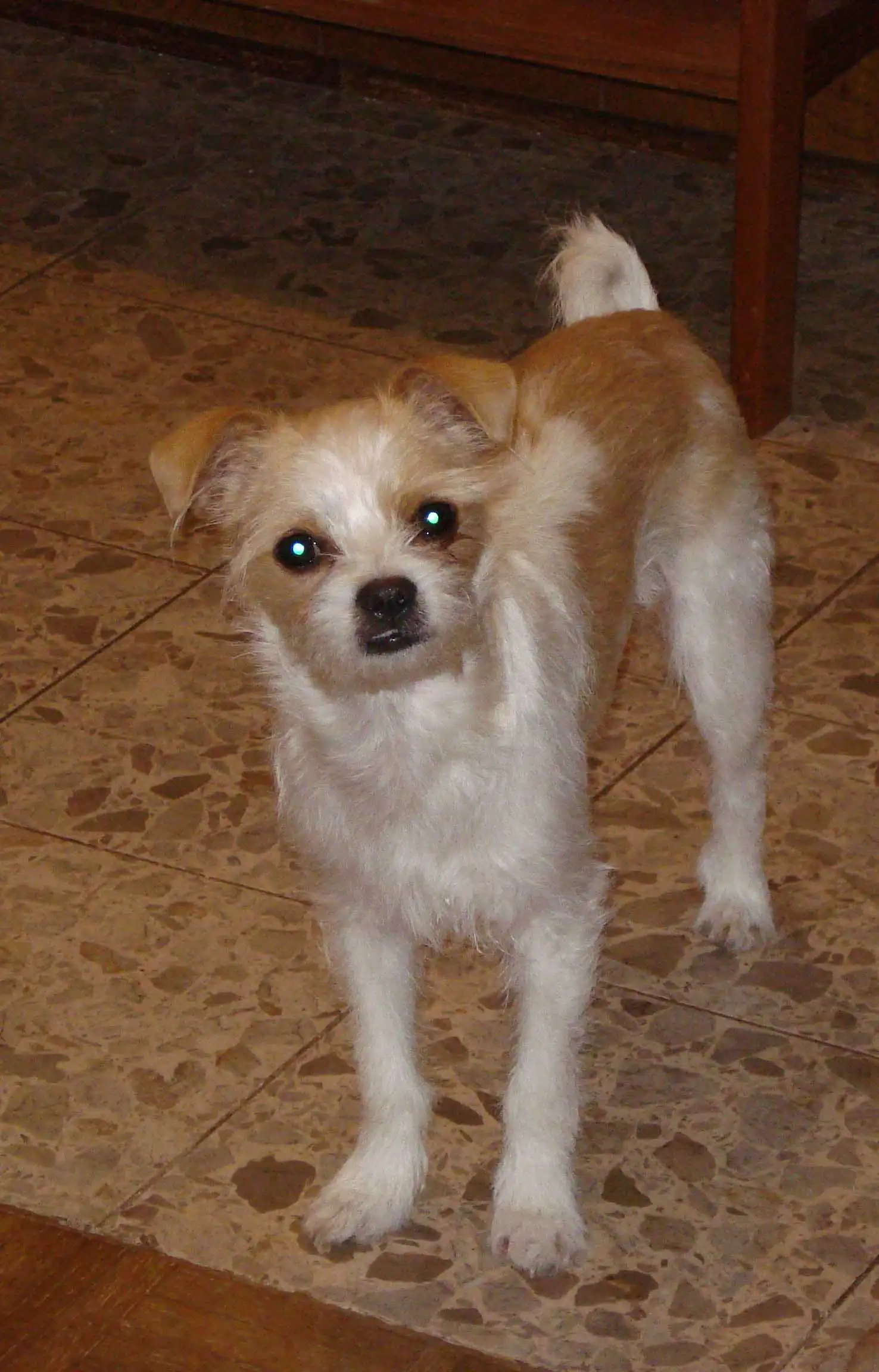
The Ratshi Terrier is a small, designer breed known for its compact size and a medium to long, dense, straight coat that comes in a wide range of colors, such as white, gray, silver, tan, chocolate, black, pied, heather, pinto, blue, merle, red, brindle, and sable. Rather than being a solid color, they typically exhibit tricolored or spotted patterns. This breed boasts a robust physique, characterized by small feet, thick legs, and a medium-length tail that arches over its back. Their distinctive look is enhanced by floppy, furry ears, round brown eyes, a black nose, and a short, broad muzzle. Given this facial structure, it is recommended to have your dog assessed for brachycephalic syndrome, a respiratory condition that can impact these dogs.


Care Routine
The Ratshi Terrier's thick fur requires consistent grooming, ideally five to six times a week. A pin brush or a stiff bristle brush is recommended for this task, along with a stainless-steel comb to address those challenging areas. To avoid matting, a dematter can also be beneficial. Regular bathing is crucial, and using a conditioning shampoo followed by a detangling cream rinse will help maintain their coat's manageability. Remember to clean their ears during bath time as well. It's also essential to check their nails a couple of times each month and trim them as necessary. Furthermore, aim to brush their teeth two to three times a week to ensure good dental health.
Behavior & Temperament
The Ratshi Terrier loves to engage in play, but they might not be the ideal choice for families with small children, as they can resort to biting or nipping when they feel scared or anxious. These dogs are quite vocal, often barking in response to perceived threats or simply to get attention. They enjoy playing with balls and learning new tricks. While they are intelligent, potty training can prove to be a bit challenging. Consistent positive reinforcement tends to work well over time, though some Ratshi Terriers might benefit more from obedience training or the use of puppy pads. Furthermore, they can experience separation anxiety if left alone for long periods.


Play & Exercise
The Ratshi Terrier needs a substantial amount of exercise each day, ideally between 45 to 60 minutes, to keep boredom and anxiety at bay. A lack of physical activity can result in behavioral problems such as excessive barking, scratching, or destructive chewing. To keep your Ratshi Terrier engaged, consider activities like hiking, taking brisk walks in the neighborhood, visiting the local park, swimming, socializing with other dogs at the dog park, or playing fetch with her favorite ball. Given her small stature, she can also partake in indoor play when the weather is unfavorable; however, it’s essential to take her outside once or twice daily for fresh air and mental stimulation.
Things to Know
Cups Per Day
1.0 Cups
Daily Activity
45 Minutes
Average Lifespan
16 Years
Origin
2000s
Type
Crossbreeds
Size
Small
Origin Country
United States
Brush Frequency
Daily
Coat Texture
Straight
Register
Your kids have been begging for a pet forever, and you've recently decided that it's time for your family to get a new addition -- a dog! While everyone is excited for the new arrival, you're wondering if you need to have a dog license. How much does it cost? Is it required? Where do you get one?
Member Clubs

PETINNATE
Other
Height & Weight
Weight
15 lbs (7 kg)Male: 18 lbs (8 kg) , Female: 13 lbs (6 kg)
Height
10 inches (25 sm)Male: 11 inches (28 sm) , Female: 9 inches (23 sm)
6 Months
5 lbs ( m 5 lbs, f 5 lbs )
6 inches ( m 6 inches, f 6 inches )
12 Months
7 lbs ( m 7 lbs, f 7 lbs )
8 inches ( m 8 inches, f 8 inches )
18 Months
12 lbs ( m 12 lbs, f 12 lbs )
9 inches ( m 9 inches, f 9 inches )
Eye Colors
Brown

Nose Colors
Black
Coat Colors
Black
Gray
Brown
Red
Cream
Fawn
Blue
Silver

White
Sable
Brindle