Shollie
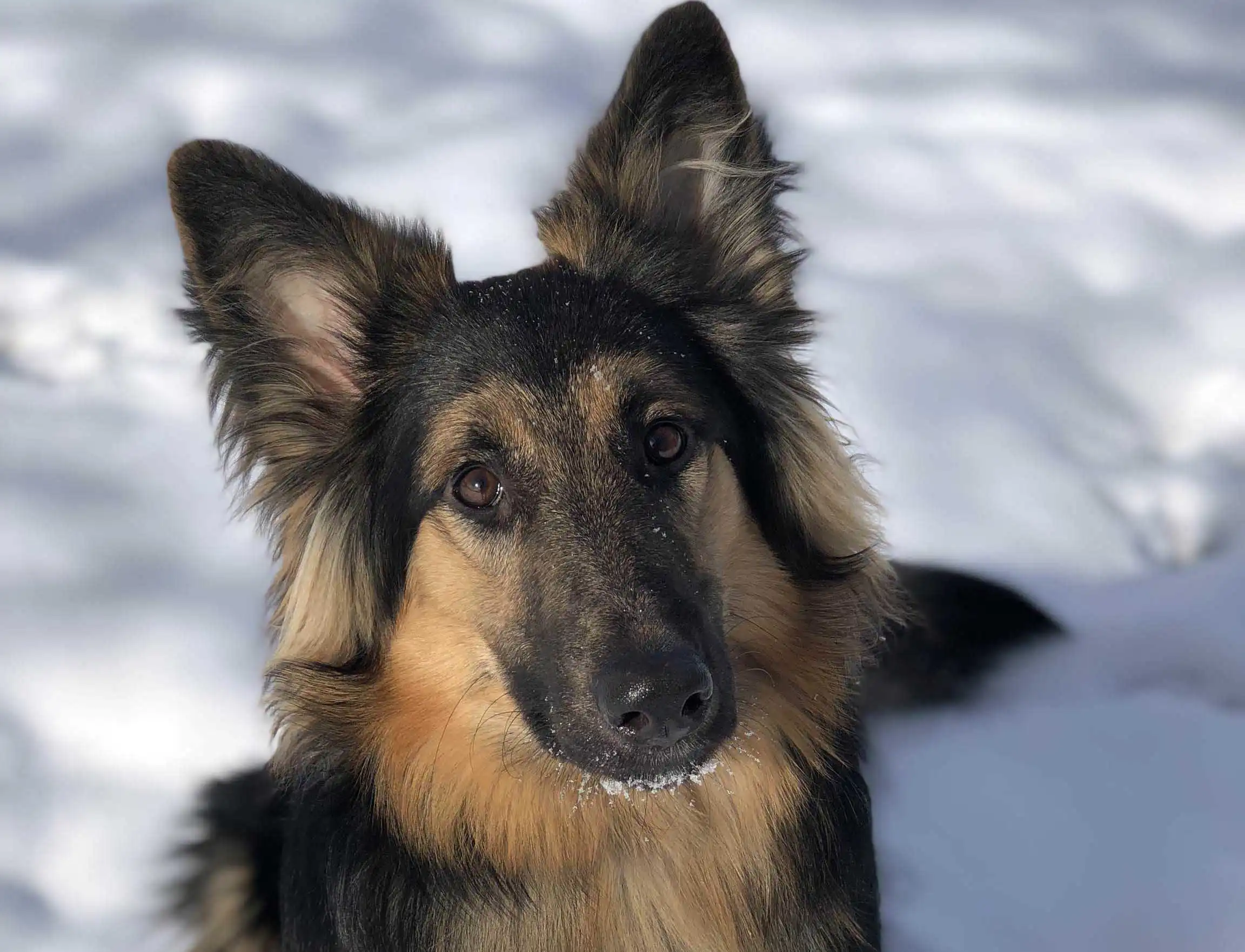
The Shollie is a hybrid breed that emerges from the union of the purebred German Shepherd and the Border Collie, both of which are highly esteemed in the dog world. Despite the acclaim of its parent breeds, the Shollie remains relatively obscure. Currently, this crossbreed is officially recognized only by the Dog Registry of America and the American Canine Hybrid Club. As a family companion, the Shollie excels, demonstrating exceptional intelligence that ranks among the top in the canine realm. They are known for their fierce loyalty and protective nature towards their families, while also exhibiting a gentle demeanor with loved ones. Although many Shollies display the physical traits typical of a German Shepherd, subtle hints of the Border Collie's characteristics can also be seen.
Breed Origin
The Shollie is a hybrid breed that merges two esteemed and industrious dog breeds known for their intelligence. Despite the acclaim of its parent breeds, the Shollie remains relatively obscure, with scant historical records available. However, those interested in adopting a Shollie can gain valuable insights by delving into the histories of the German Shepherd and the Border Collie. The German Shepherd was developed in Germany in the late 19th century by Captain Max von Stephanitz, who sought to create an exceptional herding and guardian dog for agricultural use. Although herding dogs had existed in the area for centuries, a formal breed had not yet been established when Stephanitz began his work. As the breed progressed, the need for herding dogs declined due to industrial advancements. Rather than letting the breed disappear, Stephanitz championed its roles in military and law enforcement. During World War II, German Shepherds played vital roles for both German and Allied forces, serving as messengers, rescue animals, and sentries. A notable anecdote from this era involves an American Corporal who saved a German Shepherd puppy from the rubble in France; this puppy later became the iconic Rin Tin Tin, featured in numerous films and television series. Over time, the German Shepherd has taken on various roles, including service dog for the visually impaired, military and police canine, and detection dog for narcotics and explosives. Unfortunately, the breed has also been burdened with negative stereotypes of aggression. While it may exhibit some inherent assertiveness, the German Shepherd is fundamentally loyal and loving, maintaining its position as the second most popular breed according to the American Kennel Club. Conversely, the Border Collie traces its origins to a lineage of English Shepherds in the British Isles, where enthusiasts recognized the intelligence, agility, and elegance of local herding dogs. These native dogs interbred with Roman breeds introduced by invaders, adapting to the farms and pastures along the Scotland-England border. The name "Border Collie" reflects its geographical heritage, with "Collie" derived from the Scottish Gaelic term for sheepdog. Breeders aimed to produce a dog with exceptional herding abilities and agility for competitive events, resulting in the modern Border Collie. Today, these dogs are bred not only for their herding and agility skills but also for conformation. However, some advocates argue that the Border Collie's remarkable working capabilities should take precedence over conformation standards in breeding. The American Kennel Club officially recognized the Border Collie in 1995.
Breed Appearance
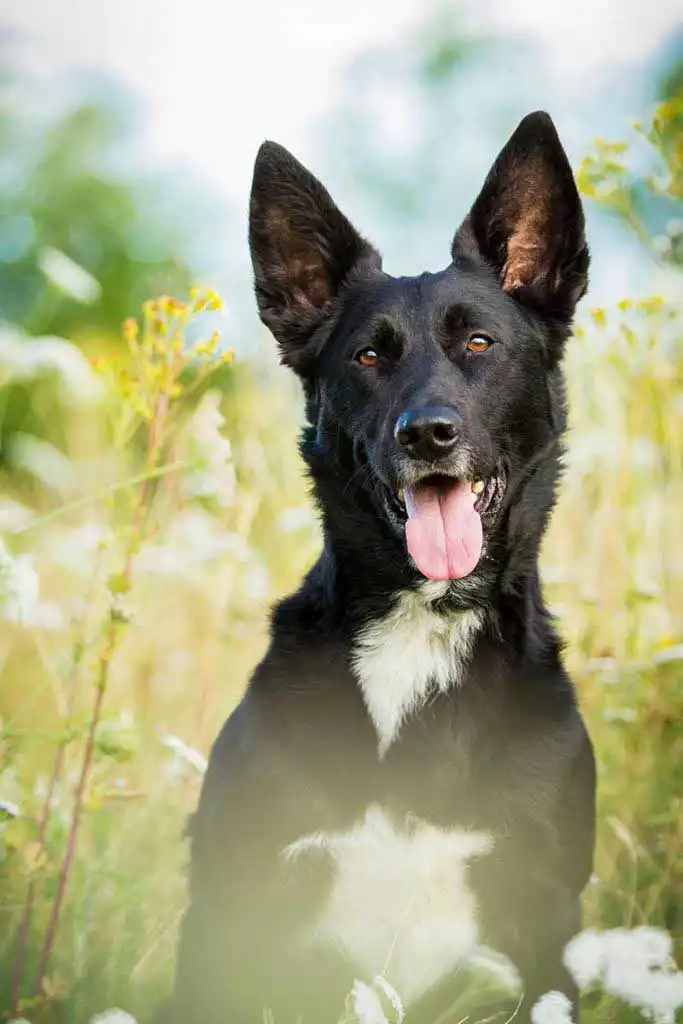
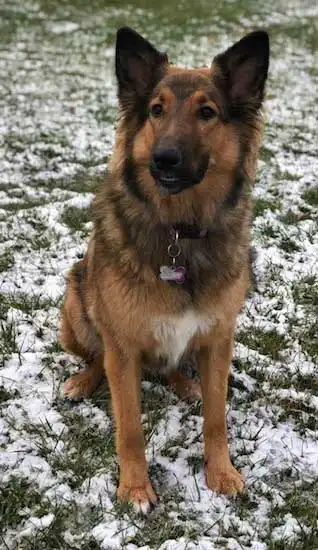
The Shollie is often compared to a German Shepherd, as the physical characteristics of this breed tend to overshadow those of the Border Collie. This breed is quite large, usually weighing up to 80 pounds, and is characterized by long, straight legs. Its head is proportionate to its body, featuring large, triangular ears that may hang down. The Shollie's dark brown, almond-shaped eyes exude an intelligent and gentle expression, often accentuated by their unique eyebrows. While most Shollies possess dark eyes, some puppies may inherit blue or differently colored eyes from their Border Collie ancestry. The Shollie's coat is typically thicker and softer than that of a German Shepherd, showcasing its Border Collie lineage, and its tail is less bushy than that of the German Shepherd. In its early years, a Shollie can easily be mistaken for a purebred German Shepherd.

Care Routine
The Shollie is a breed known for its significant shedding, which requires daily brushing to manage loose and dead hair. Shedding occurs most intensely twice a year, and regular grooming can significantly reduce the amount of hair and dander in your living space. Consistent grooming not only helps prevent matting but also removes dirt and debris, keeping the coat healthy and vibrant. This breed usually does not drool excessively and tends to lack a strong doggy odor. However, owners should be cautious about bathing too frequently, as it can deplete the skin of its natural oils and lead to irritation. When baths are necessary, it’s best to use a hypoallergenic shampoo and limit the frequency. Although the Shollie generally does not experience dental issues, brushing its teeth several times a week can help avert potential problems in the future.
Behavior & Temperament
The Shollie is a lively and spirited breed, celebrated for its affectionate and loyal demeanor towards its family. This hybrid dog exhibits a strong protective instinct, especially around children, often showcasing herding behaviors in their presence. However, it is essential to never leave a Shollie unsupervised with a child—or any dog, for that matter—to ensure the safety of everyone involved. While Shollies may seem reserved in the company of strangers, they are generally neither shy nor aggressive. Proper socialization is vital for these dogs, as neglecting this aspect can result in excessive shyness or aggressive tendencies. Due to their herding heritage, Shollies typically coexist well with other pets, including cats. They are playful and relish their leisure time, often enjoying naps and cuddling. With energy levels that exceed those of a German Shepherd, much of their exuberance is inherited from their Border Collie ancestry. Shollies are known for their intelligence and are usually easy to train, especially when guided by a committed owner.


Play & Exercise
The Shollie is not ideal for living indoors; it flourishes with plenty of outdoor play and exercise. Thanks to its Border Collie heritage, this breed requires daily agility training and stimulating playtime. Without these activities, a Shollie may become bored and potentially engage in destructive behaviors. Their high energy levels and intelligence demand a committed and knowledgeable owner. If a Shollie does not receive adequate mental and physical engagement, it might display negative behaviors such as destruction, anxiety, aggression, or shyness. To ensure a Shollie's happiness and well-being, a minimum of 60 minutes of outdoor exercise each day is crucial, making a home with a fenced yard particularly suitable. This breed is not well-suited for apartment living and thrives better in rural environments. Although the Shollie can adapt to various climates, it is essential for owners to keep an eye on their activity levels during hot weather to avoid the risk of overheating, which can be hazardous.
Things to Know
Cups Per Day
3.0 Cups
Daily Activity
60 Minutes
Average Lifespan
14 Years
Origin
Unknown
Type
Crossbreeds
Size
Large
Origin Country
United States
Brush Frequency
Daily
Coat Texture
Straight
Register
Your kids have been begging for a pet forever, and you've recently decided that it's time for your family to get a new addition -- a dog! While everyone is excited for the new arrival, you're wondering if you need to have a dog license. How much does it cost? Is it required? Where do you get one?
Member Clubs

PETINNATE
Other
Height & Weight
Weight
75 lbs (34 kg)Male: 75 lbs (34 kg) , Female: 75 lbs (34 kg)
Height
25 inches (64 sm)Male: 25 inches (64 sm) , Female: 25 inches (64 sm)
6 Months
65 lbs ( m 65 lbs, f 65 lbs )
23 inches ( m 23 inches, f 23 inches )
12 Months
70 lbs ( m 70 lbs, f 70 lbs )
24 inches ( m 24 inches, f 24 inches )
18 Months
75 lbs ( m 75 lbs, f 75 lbs )
25 inches ( m 25 inches, f 25 inches )
Eye Colors
Blue
Hazel
Brown
Amber
Nose Colors
Black
Coat Colors
Black
Sable
White
Brown
Fawn